
Health
Stop taking liquid herbal concoctions 14 days after preparation – NAFDAC

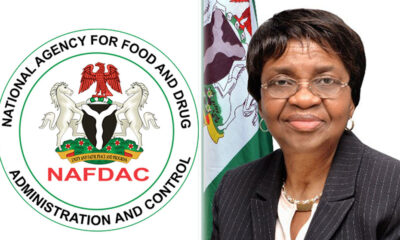
The National Agency for Food and Drug Administration and Control (NAFDAC),has advised Nigerians not to take liquid herbal concoctions two weeks after preparation.
Director-General of NAFDAC, Mojisola Adeyeye, who gave the advice in a statement issued on Monday to commemorate the World Herbal Medicine Day held annually on August 31, also urged Nigerians to take precautions when consuming herbal medicine.
She called for caution with the use of herbal medicine to prevent avoidable deaths and complications.
“After 14 days, if it is liquid, it may start to develop bacteria that can make people sick,” she said.
“The general public should use herbal medicines with care because you don’t know the quantity that you are supposed to take.
“The fact that it is natural doesn’t mean it is not toxic.”
She explained that the toxicity of such medicines is not about the volume consumed, but that the quantity could be contaminated.
Adeyeye also said the hawking of herbal preparations under the heat of the sun may cause decomposition of active ingredients in the medicines, and this may pose significant health risks for those consuming them.
“That’s why herbal medicines in Nigeria have to be handled with care. Some people take herbal medicines like vaccines,” she said.
“Herbal medicines are derived from plants mostly, sometimes from animals in few cases while vaccines are from human or animal cells that have been programmed to elicit immunologic effects in the body.”
Adeyeye, who advised against combining the use of herbal medicines with other drugs, said herbal preparations may reduce the effectiveness of conventional drugs.
She stated that herbal medicines do not usually undergo full clinical trials, and called for collaboration between herbal medicine practitioners and medical researchers to achieve rapid development of the industry.








Health
Nigeria to Receive Breakthrough HIV Prevention Drug This Month – NACA

Nigeria to Receive Breakthrough HIV Prevention Drug This Month – NACA
Nigeria is set to receive Lenacapavir, a groundbreaking HIV prevention drug, in March 2026, the National Agency for the Control of AIDS (NACA) has announced.
The agency disclosed that regulatory approval has been granted by the National Agency for Food and Drug Administration and Control (NAFDAC), clearing the way for the drug’s introduction and nationwide rollout. The confirmation was contained in a statement issued on Monday by Toyin Aderibigbe, Head of Public Relations at NACA.
Lenacapavir, a long-acting injectable HIV prevention drug, has demonstrated 100 percent effectiveness in preventing HIV infection during advanced clinical trials. Unlike daily oral pre-exposure prophylaxis (PrEP) pills, the injectable medication is administered only twice a year, offering a more convenient and discreet prevention option.
NACA said the Federal Government has intensified preparations for the rollout of injectable PrEP in Nigeria, describing the initiative as a critical step toward reducing new HIV infections and strengthening national prevention strategies.
According to the agency, Lenacapavir will be made available at an affordable annual cost of about $40 per person, following voluntary licensing agreements with generic manufacturers. This pricing structure will apply across Nigeria and 119 other low- and middle-income countries, significantly expanding access to the drug.
READ ALSO:
- Iran Retaliates: Gulf States Allied With US Hit by Missiles, Drones
- Islamic Leader Warns Tinubu: State Police Could Be Used Against Opponents
- Daddy Freeze Warns Couples Over 40: ‘Avoid Moving Abroad, Especially US, UK’
“The Government of Nigeria is advancing preparations for the introduction and rollout of lenacapavir as pre-exposure prophylaxis (PrEP). This underscores our commitment to strengthen HIV prevention and accelerate progress toward epidemic control,” the statement said.
As part of readiness efforts, NACA revealed that landscape and preparedness assessments have been completed in 10 states — Akwa Ibom, Anambra, Benue, Cross River, Ebonyi, Gombe, Kano, Kwara, Lagos, and the Federal Capital Territory (FCT) — alongside regulatory clearance by NAFDAC.
Nigeria currently has an estimated 1.9 million people living with HIV, with a national prevalence rate of 1.3 percent among adults aged 15 to 49. In 2021, the country recorded 74,000 new HIV infections and 51,000 AIDS-related deaths, according to official data.
Women aged 15 to 49 are more than twice as likely as men to be living with HIV, while the South-South region bears the highest burden, with an HIV prevalence rate of 3.1 percent.
Health authorities say the arrival of Lenacapavir in Nigeria could mark a major turning point in HIV prevention, particularly for high-risk populations, as the country intensifies efforts to achieve long-term epidemic control.
Nigeria to Receive Breakthrough HIV Prevention Drug This Month – NACA
Health
Popular Brain Supplement Amino Acid May Reduce Longevity in Men

Popular Brain Supplement Amino Acid May Reduce Longevity in Men
A massive study of more than 270,000 people has revealed that higher blood levels of tyrosine, a common amino acid found in protein-rich foods and popular focus-boosting supplements, are associated with shorter life expectancy in men. Researchers suggest that men with elevated tyrosine levels could live nearly one year less on average than those with lower levels, sparking questions about the long-term health effects of both diet and supplements.
The study, led by scientists from the University of Hong Kong and the University of Georgia, analyzed health, genetic, and biochemical data from participants in the UK Biobank, one of the largest population-based studies in the world. The researchers focused on tyrosine and phenylalanine, two amino acids essential to metabolism and neurotransmitter production, including dopamine, which plays a key role in mood, motivation, and cognitive performance.
READ ALSO:
- Amnesty Exposes Alleged Torture, Extortion, Deaths at Imo Police Tiger Base
- REVEALED: How Dispute Over VIP Police Protection, State Policing Led to Egbetokun’s Exit as IGP
- Super Eagles Goalkeeper Suspended Over Match-Fixing Allegation
Using observational and genetic modeling techniques, the researchers found that while phenylalanine had no consistent effect on lifespan, tyrosine showed a clear and potentially causal link to reduced life expectancy in men. No similar association was observed in women, suggesting that biological and hormonal differences may influence how tyrosine affects aging in men versus women.
Scientists are still investigating why tyrosine might impact longevity. One possible explanation is insulin resistance, a risk factor for age-related diseases, which tyrosine may influence. Another theory involves stress-related neurotransmitters and hormonal pathways that may react differently in men, potentially explaining why the effect was sex-specific.
Although the study did not directly test tyrosine supplements, it raises questions about their long-term safety, particularly for men who may already have high systemic levels. Nutrition experts advise moderation and recommend monitoring protein intake. Common dietary sources of tyrosine include beef, pork, lamb, chicken, turkey, salmon, tuna, mackerel, shrimp, lobster, eggs, dairy, soy, whole grains, nuts, and seeds.
The researchers emphasized the need for further studies to confirm these findings, understand the mechanisms linking tyrosine to male longevity, and explore whether dietary or lifestyle interventions could safely reduce tyrosine levels and promote healthy aging.
Popular Brain Supplement Amino Acid May Reduce Longevity in Men
Health
Labour Unions Barricade NAFDAC Lagos Office Over Sachet Alcohol Ban

Labour Unions Barricade NAFDAC Lagos Office Over Sachet Alcohol Ban
Hundreds of workers and union members under the Nigeria Labour Congress (NLC), Trade Union Congress (TUC), and Food, Beverage and Tobacco Senior Staff Association (FOBTOB) barricaded the NAFDAC office in Isolo, Lagos on Thursday, marking the seventh consecutive day of protests over the enforcement of the sachet alcohol ban. The demonstration disrupted normal operations, with protesters blocking access to the NAFDAC premises from early morning, chanting slogans such as “No work for us, no work for you”, and demanding the immediate reopening of sealed factories, depots, and warehouses nationwide. Police officers intervened mid-morning to restore access, but union leaders vowed to continue their action until all demands are met.
 The protest stems from NAFDAC’s enforcement of the ban on sachet alcohol and 10cl PET bottled products, which has led to the closure of several indigenous factories, depots, and warehouses. Union leaders argue that entire facilities — including those producing lawful products — are being shut down unnecessarily, a move they describe as “calculated economic suffocation.” Anthony Oyaga, TUC Secretary, stated: “Across the country, indigenous manufacturing companies are being sealed. Factories are being shut down. Depots are being closed. Warehouses are being locked — including those containing other lawful products not connected to the targeted items.” Protesters warned that prolonged shutdowns are threatening livelihoods, affecting not only factory workers but also transporters, suppliers, distributors, market women, artisans, and logistics personnel. They stressed that such measures could push vulnerable youths into poverty, fuel social vices, and even pose national security risks if the situation persists.
READ ALSO:
- Atiku, Other Opposition Leaders Reject Tinubu‑Signed Electoral Act 2026
- Kaduna Residents Storm Govt House, Demand Probe of El‑Rufai
- Fatal Keffi Road Accident: Driver Avoiding FRSC Patrol Causes 6 Deaths
Union leaders, including FOBTOB National Secretary Jeffery Igein, emphasised that the protests would continue until the government addresses the economic fallout of factory closures and replaces strict enforcement with targeted regulatory measures. “We are not criminals. We are workers. We are producers. We are parents. We are taxpayers. We are Nigerians,” Igein said, stressing that the protests are peaceful and lawful.
NAFDAC, led by Prof. Mojisola Adeyeye, has maintained that it has not received any official directive from the federal government to suspend enforcement. The Federal Ministry of Health and Social Welfare also affirmed that NAFDAC has the exclusive legal mandate to regulate food and drug products, including sachet alcohol. Despite this, union leaders continue to demand dialogue with policymakers and the reopening of factories, depots, and warehouses, arguing that blanket enforcement has caused unnecessary economic hardship.
The protests underscore ongoing tension in Nigeria between public health policies and economic livelihoods, highlighting the delicate balance regulators face in enforcing bans while preserving jobs and sustaining industries. Workers insist that they will maintain pressure until what they call economic strangulation is reversed and structured regulation replaces punitive closures.
Labour Unions Barricade NAFDAC Lagos Office Over Sachet Alcohol Ban

-

 International2 days ago
Ayatollah Ali Khamenei, Iran’s Supreme Leader, Dies After U.S.–Israeli Strikes
-

 International2 days ago
Iran: US, Israel launch another strikes, Commander, Defence leader, five other top officials killed
-

 International3 days ago
Middle East on Edge as Iran Retaliates Against Israel, U.S Bases
-

 International2 days ago
Kamala Harris Slams Trump for Dragging U.S. Into ‘Unwanted War’ in Iran Conflict
-

 metro2 days ago
Hajj, Umrah Are for Muslims Only – Scholar Urges NAHCON to Tighten Screening
-

 International1 day ago
Iran Retaliates: Gulf States Allied With US Hit by Missiles, Drones
-

 International1 day ago
Saudi Arabia Denies Lobbying US to Strike Iran as Gulf States Respond to Escalation
-

 International2 days ago
BREAKING: Iran Forms Three-Member Leadership Council to Steer Country After Khamenei’s Death