
metro
Tragedy: Three APC Youth Leaders Die in Auto Crash on Way to Zonal Congress

Tragedy: Three APC Youth Leaders Die in Auto Crash on Way to Zonal Congress
A tragic motor accident has claimed the lives of three youth leaders of the All Progressives Congress (APC) from Ogbadibo Local Government Area of Benue State.
The victims — Hon. Anawo Benjamin (Orokam Ward 3), Hon. Ogbe Enemari (Ai-oono Ward 3), and Hon. Abraham Enenche (Olachagbaha Ward) — reportedly died on the spot while travelling to Lafia, Nasarawa State, to attend the party’s North Central Zonal Congress.
The fatal crash occurred on Wednesday along the Makurdi–Lafia road. Several other members of the APC delegation sustained varying degrees of injuries and are currently receiving medical treatment.
Reacting to the incident, the 2023 APC Benue South Senatorial candidate, Daniel Onjeh, expressed deep sorrow, describing the loss as heartbreaking. He noted that the deceased were committed grassroots politicians whose loyalty and dedication played key roles in strengthening the party at the local level.
Onjeh extended his condolences to the bereaved families, as well as the APC community in Ogbadibo and Benue State, praying for strength and comfort during this difficult time. He also called for unity among party members and wished the injured a speedy recovery.
Similarly, the Senator representing Benue South Senatorial District and Senate Minority Leader, Abba Moro, described the incident as traumatic and devastating, particularly as multiple lives were lost from the same local government area.
He sympathised with the people of Ogbadibo, the families, friends, and political associates of the deceased, praying for the repose of their souls and divine comfort for those left behind, while also wishing the injured a quick recovery.
Tragedy: Three APC Youth Leaders Die in Auto Crash on Way to Zonal Congress











metro
Debate as OPM Pastor Marries Autistic Man to Older Woman

Debate as OPM Pastor Marries Autistic Man to Older Woman
The founder of Omega Power Ministries, Chibuzor Chinyere, has officiated the marriage of a young man living with Autism Spectrum Disorder to an older single woman, a development that has sparked widespread debate over consent, disability rights, and ethics in Nigeria.
The wedding, held on Sunday, March 29, followed days of intense backlash after the cleric made a viral appeal seeking a wife for the man, identified as Aboy Chibuzor.
According to the pastor, the groom—who lives with Autism Spectrum Disorder—was abandoned as a child at the church gate and has remained under his care. He explained that the man is non-verbal and dependent on assistance for daily activities, including feeding, bathing, and routine care, while his biological family remains unknown. Chinyere said the marriage was arranged to provide the man with companionship and long-term support, insisting that the intention was to improve his quality of life.
As part of the union, the pastor announced a series of financial and welfare packages for the couple, including a ₦10 million wedding gift, a house accommodation, and an overseas vacation, alongside a pledge of ₦20 million after 10 years. He also revealed that members of the church contributed additional financial support, further boosting the couple’s welfare.
READ ALSO:
- Jos Attack: Plateau Govt Declares 48-Hour Curfew After Deadly Assault
- Motoring World marks 30 years, set to rally industry leaders in Lagos
- Nigeria Police Reform: 222,000 Officers May Move to State Commands
The marriage comes after significant criticism from members of the public who described the initial proposal as demeaning to women and ethically questionable. In response, the cleric issued an apology, stating he “can never degrade any woman,” while maintaining that his actions were driven by compassion and responsibility for the man under his care.
Following the wedding, the pastor expressed optimism, noting what he described as early progress in the groom’s condition, including the ability to feed himself independently. He also expressed faith that the man could eventually speak, attributing the changes to divine intervention.
Despite the pastor’s assurances, the development has continued to raise serious concerns among observers and experts, particularly around the capacity for informed consent, the power dynamics between caregiver and dependent, and the absence of independent medical or legal evaluation. Critics argue that while individuals with autism have the right to relationships, proper safeguards must be in place to prevent exploitation.
The incident has reignited national conversations about marriage rights for persons with disabilities, highlighting the need for clearer legal frameworks that balance autonomy with protection. As discussions continue, many stakeholders are calling for stronger oversight and guidelines to ensure that vulnerable individuals are not placed at risk under the guise of care or support.
Debate as OPM Pastor Marries Autistic Man to Older Woman
metro
Jos Attack: Plateau Govt Declares 48-Hour Curfew After Deadly Assault
Jos Attack: Plateau Govt Declares 48-Hour Curfew After Deadly Assault
The Plateau State Government has imposed a 48-hour curfew in Jos North following a deadly terror attack in Jos that claimed several lives and left many others injured.
The curfew, which began at midnight on March 29 and will run until April 1, was announced by the State Commissioner for Information and Communication, Joyce Ramnap, as part of urgent steps to contain the situation and restore order.
The decision comes after suspected terrorists launched a coordinated assault on Gari Ya Waye community in Angwan Rukuba, an area within Jos, on Sunday evening.
Eyewitnesses said the attackers, riding on motorcycles, stormed the area at about 7:30 pm, opening fire indiscriminately on residents who were going about their normal activities. The sudden gunfire caused panic, forcing many to flee, while others were caught in the violence.
Although the exact number of casualties is yet to be officially confirmed, multiple residents were reportedly killed, with several others sustaining injuries. Homes and properties were also affected in the attack.
READ ALSO:
- Motoring World marks 30 years, set to rally industry leaders in Lagos
- Nigeria Police Reform: 222,000 Officers May Move to State Commands
- Iran Threatens US-Linked Universities in Middle East Amid Escalating Tensions
Describing the incident as a “barbaric and unprovoked attack,” the Plateau State Government said the curfew in Jos North is necessary to prevent further violence, enable security agencies to regain control, and protect lives and property.
Under the directive, residents are required to stay indoors throughout the curfew period, except for essential services operating under strict security supervision.
Security has since been reinforced across the area, with the Nigeria Police Force, military, and other agencies deploying additional personnel. Authorities have launched intelligence operations, stop-and-search checks, and patrols to track down those responsible for the attack.
The government has urged residents to remain calm, cooperate with security operatives, and provide credible information that could assist ongoing investigations.
Officials also extended condolences to families of victims, assuring that efforts are underway to ensure justice is served.
The latest incident underscores growing concerns over security in Plateau State, as communities continue to grapple with recurring violence. Analysts say sustained security presence and improved intelligence gathering will be key to preventing further attacks.
Jos Attack: Plateau Govt Declares 48-Hour Curfew After Deadly Assault
metro
Nigeria Police Reform: 222,000 Officers May Move to State Commands
Nigeria Police Reform: 222,000 Officers May Move to State Commands
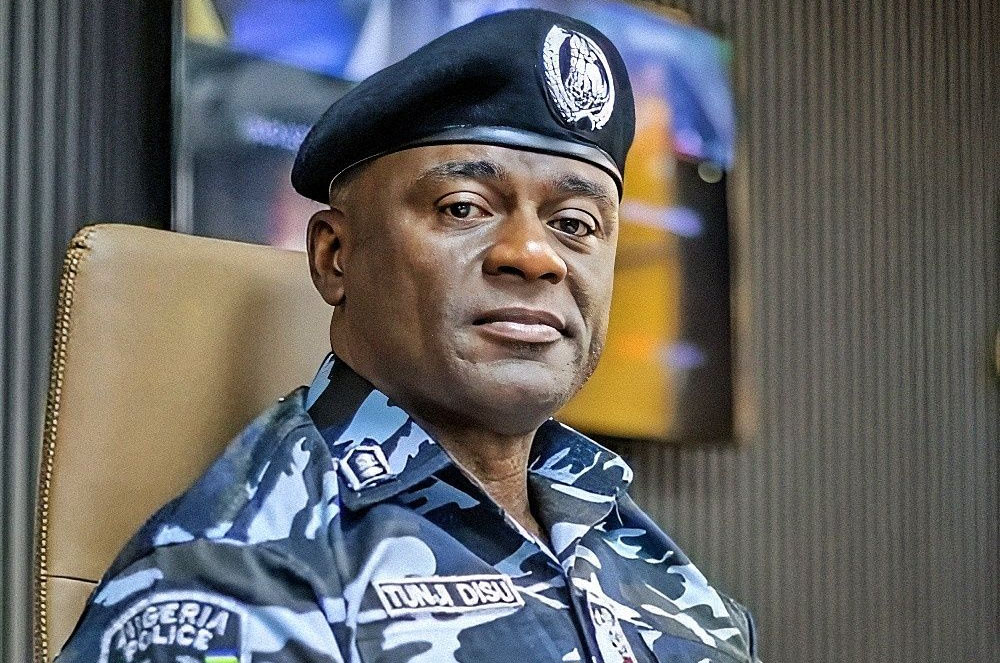
Nigeria is on the verge of a historic overhaul of its policing structure following a recommendation by a committee set up by the Inspector-General of Police, Tunji Disu, proposing that 60% of Nigeria Police personnel be transferred to State Police Services (SPS).
The proposal, submitted to the Senate Committee on the Review of the 1999 Constitution chaired by Barau Jibrin, forms part of a broader plan to decentralise law enforcement and improve grassroots security across the country.
Nigeria currently has an estimated 370,000 police officers serving over 200 million people, translating to a ratio of one officer to about 600 citizens—significantly below the standard recommended by the United Nations. If implemented, the reform would see roughly 222,000 officers redeployed to state police formations, while 40% remain under a restructured federal system.
The 75-page document, presented by committee chairman Olu Ogunsakin, outlines a two-tier policing system consisting of a Federal Police Service (FPS) and 37 State Police Services across the federation and the Federal Capital Territory.
Under the proposed framework, the Federal Police Service would focus on national security, terrorism, and interstate crimes, while the State Police Services would handle local crimes such as armed robbery, homicide, domestic violence, and community policing.
READ ALSO:
- Iran Threatens US-Linked Universities in Middle East Amid Escalating Tensions
- Iranian Strike on Saudi Base Damages US Spy Plane, Injures 12 Troops
- Kwankwaso Resigns from NNPP, Signals Political Realignment
A key component of the transition is the introduction of a Voluntary Transfer Programme (VTP), which allows officers to move to their home states or preferred commands without losing benefits. Incentives include a three-month salary grant, specialised training, and pension continuity guarantees.
The report places strong emphasis on community policing, recommending the establishment of Community Policing Forums in all Local Government Areas, involving traditional rulers, youth groups, women’s organisations, and religious leaders. Officers assigned to communities would be expected to understand local languages and be evaluated based on community feedback.
To prevent abuse—particularly concerns that governors could misuse state police for political purposes—the committee proposed multiple safeguards. These include independent State Police Service Commissions, State Police Ombudsmen, judicial oversight, and criminal sanctions for unlawful orders. It also recommends the use of body-worn cameras and public dashboards to track police conduct and accountability.
At the national level, a National Police Standards Board (NPSB) would be created to regulate recruitment, training, operations, and discipline across both federal and state police systems, ensuring uniform standards nationwide.
Funding for the proposed structure would come from a State Police Fund, backed by a 3% statutory allocation from the Federation Account and a minimum 15% contribution from state governments’ security budgets.
The framework also outlines a five-year (60-month) phased implementation plan, beginning with constitutional amendments, followed by the establishment of state police institutions, gradual transfer of personnel, and eventual full operational consolidation.
Despite the detailed framework, the proposal has generated mixed reactions among security experts. Supporters argue that state police in Nigeria will enhance intelligence gathering and local responsiveness, while critics warn of political interference, funding inequalities, and coordination challenges between federal and state forces.
If adopted, the reform would mark a significant shift from Nigeria’s centralised policing system to a decentralised model aimed at addressing the country’s persistent security challenges.
Nigeria Police Reform: 222,000 Officers May Move to State Commands

-

 metro2 days ago
Tragedy in Aramoko: Trailer Rams Residential Building, Kills 300‑Level Student
-

 News2 days ago
Final Notice: FG Orders Civil Servants to Complete PASGA Verification by March 31
-

 metro3 days ago
El-Rufai’s Mother, Hajiya Umma, Dies Amid Son’s Legal Battle
-

 Entertainment2 days ago
Nollywood Actress Declares Love for Ibrahim Chatta, Offers to Pay Her Own Dowry
-

 Entertainment3 days ago
Gospel Singer Onos Brisibi Dies at 55 After Prolonged Illness
-

 metro3 days ago
Report Reveals Late Herbert Wigwe Owned 106 Prime London Properties
-

 Entertainment2 days ago
Streamer Peller Escorted Out of Alake of Egbaland’s Palace in Abeokuta
-

 International2 days ago
Iranian Missiles, Drones Strike US Air Base in Saudi Arabia