
International
Trump pushes back after leaked report suggests Iran strikes had limited impact
Trump pushes back after leaked report suggests Iran strikes had limited impact
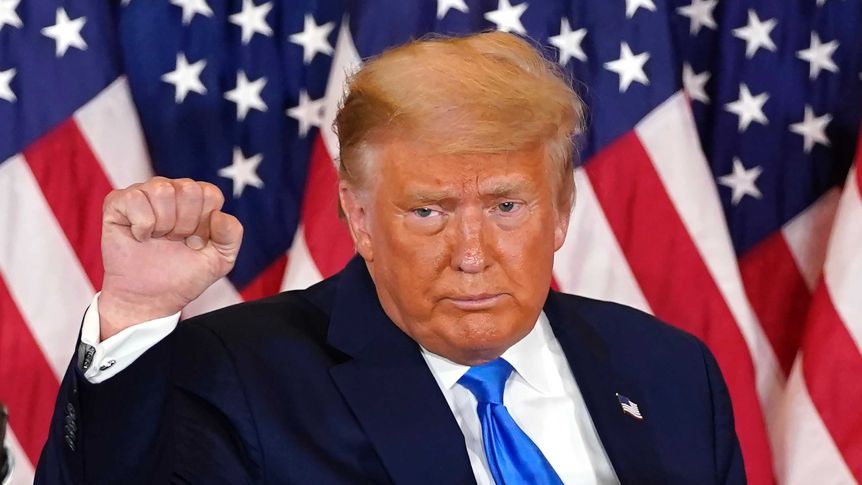
Donald Trump and his top officials have pushed back on a leaked intelligence report that said US strikes on Iran only set its nuclear programme back by a few months.
Speaking at a Nato summit in The Hague on Wednesday, Trump said the strikes led to the “virtual obliteration” of Iran’s nuclear capabilities and set its atomic programme back “by decades”.
Defence Secretary Pete Hegseth, who was also at the summit, said the preliminary Pentagon assessment was made with “low confidence” and the FBI was investigating the leak.
On Tuesday, sources familiar with the initial report into Saturday’s bombings told the BBC’s US partner CBS that Iran’s stockpile of enriched uranium was not eliminated.
They added that the strikes had only set the country’s nuclear programme back by a few months – an assessment the White House swiftly described as “flat-out wrong”.
According to the report, strikes on the heavily fortified enrichment facilities at Fordo and Natanz had sealed off entrances but failed to destroy underground structures.
Officials familiar with the leaked Defense Intelligence Agency evaluation warned it was an early assessment that could change as more information becomes available about the sites.
READ ALSO:
- 110 associations seek registration as political parties – INEC
- Four killed, many injured in Maiduguri-Damboa road explosion
- Man arraigned for threatening to set wife, children ablaze in Ekiti
The Defense Intelligence Agency is the Pentagon’s own agency which specialises in military intelligence to support operations. It collects large amounts of technical intelligence, but is distinct from other agencies like the CIA.
The US has 18 intelligence agencies, which sometimes produce conflicting reports based on their mission and area of expertise. For example, the American intelligence community is still not in agreement over the origins of Covid-19.
On Wednesday, while sitting alongside Nato Chief Mark Rutte, Trump initially acknowledged some uncertainty, saying the intelligence on the attack was “very inconclusive”.
But he then went further in his assessment, saying “it was very severe, it was [an] obliteration”.
When asked if the US would strike again should Iran resume its nuclear activities, Trump said: “Sure, but I’m not going to have to worry about that. It’s gone for years.”
Trump later likened the strikes to America’s atomic bombing of Hiroshima at the end of World War Two.
“I don’t want to use an example of Hiroshima, I don’t want to use an example of Nagasaki, but that was essentially the same thing – that ended a war,” he said.
The US president was flanked by Secretary of State Marco Rubio and Secretary of Defence Pete Hegseth, who both echoed his scepticism about the leaked intelligence.
Hegseth said the leak was politically motivated and insisted the bombs landed “precisely where they were supposed to”.
He added: “Any assessment that tells you it was something otherwise is speculating with other motives.” He characterised the leak as “completely false”.
Rubio also cast doubt on the leaked report’s credibility, suggesting the contents had been distorted in the media and labelling the leakers as “professional stabbers”.
READ ALSO:
- Victorious 1994 Super Eagles get FG’s promised houses
- Tinubu lands in Nasarawa State on one-day visit [Photos]
- Police neutralize two armed robbers, arrest two others in Kaduna
The preliminary assessment also indicated that some of Iran’s enriched uranium stockpile had been moved prior to the attack.
According to sources familiar with it, Iran’s centrifuges remain largely “intact” with the destruction limited to aboveground buildings.
Entrances to two nuclear facilities were blocked and some infrastructure was damaged, they said, but much of the deeper installations survived the blasts.
In US intelligence terminology, “low confidence” typically indicates that the information is either poorly sourced, fragmented, or uncertain – making it less reliable than assessments graded with “moderate” or “high confidence”.
Hegseth’s reference to the report being “low confidence” suggest it is tentative and its findings may change as more detail emerges.
The US struck three nuclear sites in Iran on Saturday – Fordo, Natanz, and Isfahan – using “bunker buster” bombs designed to penetrate hardened underground targets.
While the specific munitions used in the attack have not been confirmed, the 30,000lb (14,000kg) Massive Ordnance Penetrator (MOP), was thought to be the only weapon capable of destroying Iran’s underground enrichment facilities.
Tehran has always said its nuclear programme is for peaceful purposes.
In the hours that followed Saturday’s strikes, Gen Dan Caine, chairman of the joint chiefs of staff, told reporters that it would take time to assess the damage to the facilities.
But he added that “all three sites sustained extremely severe damage and destruction”. Satellite images showed six fresh craters clustered around two entry points at the Fordo nuclear sites, as well as grey dust and debris.
It is unclear from the latest satellite images, however, how much damage the sites sustained below the surface.
Hassan Abedini, the deputy political director of Iran’s state broadcaster, said the three sites targeted by the US had been evacuated a “while ago”, and that Iran “didn’t suffer a major blow because the materials had already been taken out”.
Both US and Israeli officials, meanwhile, have hailed the mission as a success.
Trump pushes back after leaked report suggests Iran strikes had limited impact










International
Iran Threatens US-Linked Universities in Middle East Amid Escalating Tensions
Iran Threatens US-Linked Universities in Middle East Amid Escalating Tensions
March 29, 2026
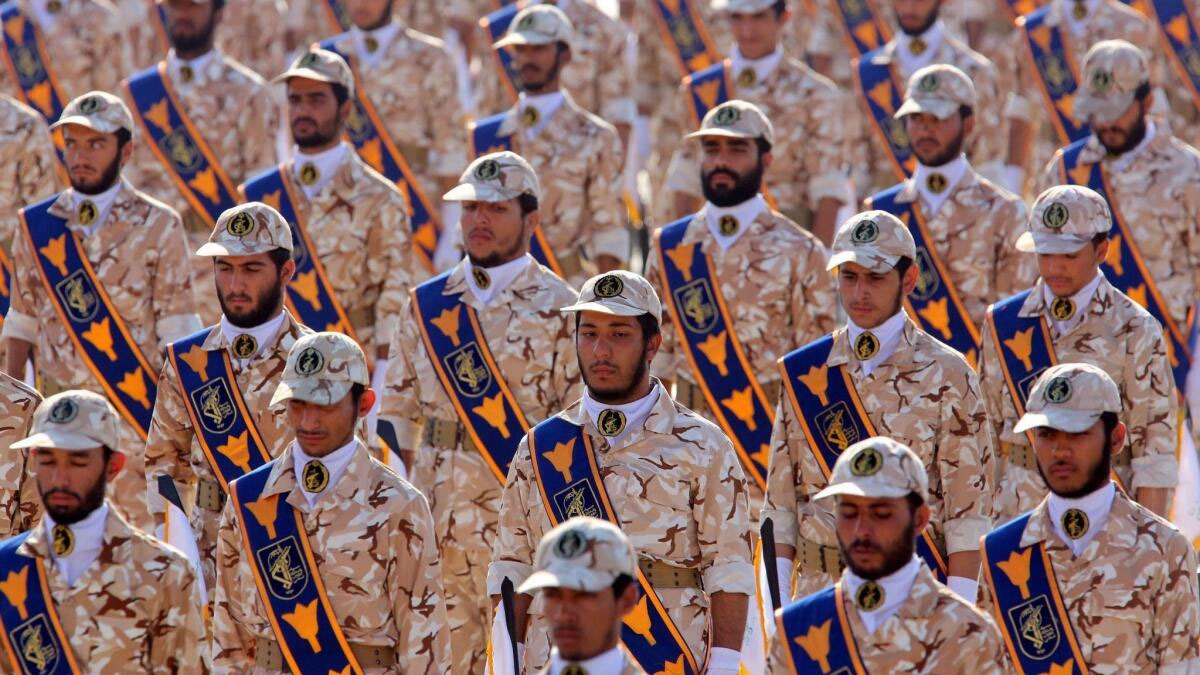
Iran has issued a stark warning that American-affiliated universities operating in the Middle East could become potential targets, as tensions between Iran and the United States continue to rise.
The threat, attributed to Iran’s powerful Islamic Revolutionary Guard Corps (IRGC), follows allegations that Iranian universities were damaged in recent strikes linked to the ongoing conflict. Iranian officials have not publicly provided detailed evidence of the alleged attacks but have condemned what they describe as violations of sovereignty and international norms.
In statements carried by international media, the IRGC warned that institutions with ties to the United States in the region could be considered “legitimate targets” if hostilities persist. Authorities also advised civilians to avoid such facilities, raising concerns about the safety of students, faculty, and staff across several countries in the Middle East.
While the rhetoric signals a dangerous expansion of potential targets beyond military installations, there has been no widely verified confirmation from major global outlets of a specific ultimatum or deadline tied to the warning. Analysts say the language used reflects an escalation in tone but stops short of confirming imminent attacks.
The development comes amid an increasingly volatile regional environment, with both nations exchanging accusations over recent incidents tied to the broader conflict. Diplomatic efforts to de-escalate tensions have so far yielded little progress, as global powers call for restraint.
Security experts warn that any attack on educational institutions would mark a significant shift in the conflict, potentially drawing widespread international condemnation and increasing the risk of further escalation.
Governments in the region are said to be reviewing security arrangements around foreign-linked institutions, while universities are reportedly monitoring the situation closely.
As of press time, officials from the United States had not issued a formal response specifically addressing the threat to universities, though Washington has repeatedly condemned attacks on civilian infrastructure and reiterated its commitment to protecting American interests abroad.
Iran Threatens US-Linked Universities in Middle East Amid Escalating Tensions
International
Trump Claims Iran Sent Oil Shipments Amid Backchannel Talks
Trump Claims Iran Sent Oil Shipments Amid Backchannel Talks
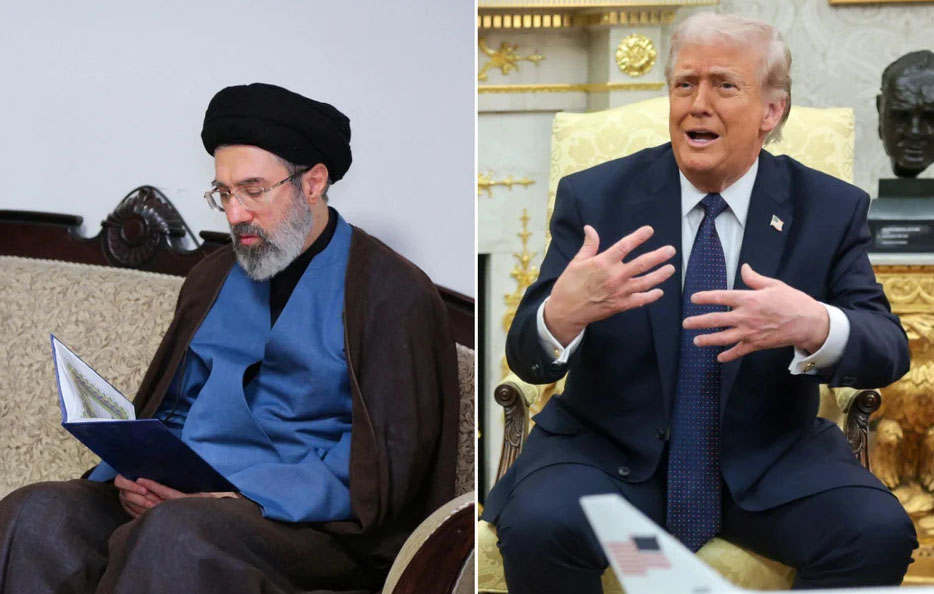
U.S. President Donald Trump has claimed that Iran dispatched ten oil tankers to the United States as part of indirect negotiations aimed at easing ongoing tensions between the two nations.
According to a report by Sky News on Friday, March 27, 2026, Trump made the assertion while speaking at the Future Investment Initiative in Miami. He suggested that the shipments were a gesture of goodwill, possibly intended as an acknowledgment of ongoing diplomatic engagements.
“It turned out I was right,” Trump said, referring to earlier claims that talks were underway between Washington and Tehran—claims initially denied by Iranian authorities. “They were negotiating, which they admitted two days later.”
Providing further details, Trump stated that Iran had first proposed sending eight oil ships before increasing the number to ten. “They said, ‘we’re going to send you eight ships of oil.’ They actually said, ‘we’re going to add an extra two,’ and they added an extra two,” he said. “So we had ten ships, and then people realized we were actually negotiating.”
Trump also struck a confident tone regarding developments in the Middle East, declaring that the region was “closer than ever” to being free from what he described as Iranian “terror, aggression and nuclear blackmail.”
However, Iranian officials have firmly rejected the claims of formal negotiations. Authorities in Iran insist that no direct talks are taking place with the United States, maintaining that any communication occurs strictly through third-party intermediaries, including Pakistan.
Tehran’s continued denial underscores the sensitive nature of any potential engagement with Washington, particularly amid domestic political pressures and broader regional dynamics.
The contrasting narratives highlight the uncertainty surrounding U.S.-Iran relations, with both sides presenting differing accounts of ongoing diplomatic efforts.
Trump Claims Iran Sent Oil Shipments Amid Backchannel Talks
International
Iranian Strike on Saudi Base Damages US Spy Plane, Injures 12 Troops
Iranian Strike on Saudi Base Damages US Spy Plane, Injures 12 Troops
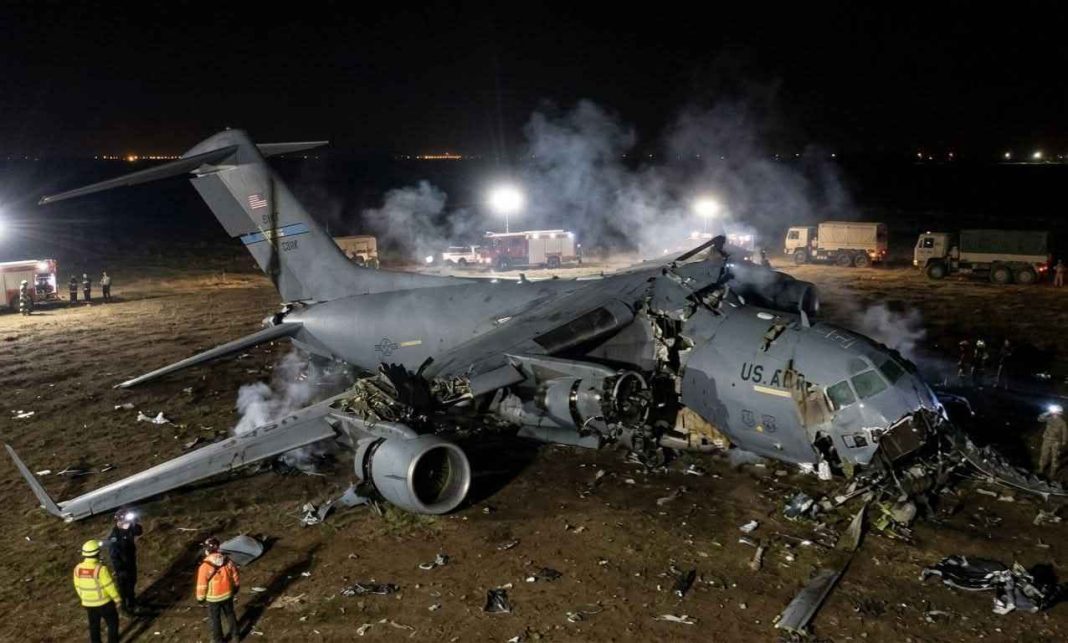
Tensions in the Middle East have intensified following a major strike by Iranian forces on a United States military installation in Saudi Arabia, leaving several American personnel injured and damaging high-value military assets.
Iran reportedly launched a coordinated attack involving ballistic missiles and drones on the Prince Sultan Air Base on Saturday, targeting U.S. Air Force equipment stationed at the facility.
Initial reports from outlets including Daily Post Nigeria and Fox News indicated that a U.S. E-3 Airborne Warning and Control System (AWACS) aircraft—estimated to be worth about $700 million—was destroyed in the strike. The aircraft serves as a critical airborne radar and command center, capable of detecting threats and coordinating air operations over vast distances.
However, more recent and verified accounts suggest that the aircraft, identified as the Boeing E-3 Sentry, was damaged but not confirmed destroyed, raising questions about the accuracy of early claims surrounding the extent of the losses.
In addition to the AWACS aircraft, at least one KC-135 Stratotanker was reportedly struck during the ആക്രമation and caught fire, further compounding the scale of the incident.
U.S. officials confirmed that 12 American service members were injured in the attack. According to Fox News, two of the wounded personnel were listed in serious condition, while the remaining casualties sustained lighter injuries.
Military analysts note that the strike demonstrates Iran’s growing capability to conduct coordinated long-range attacks using a combination of drones and precision-guided missiles, posing a significant threat to U.S. assets in the region.
The latest escalation comes amid an ongoing conflict between the United States and Iran, which has persisted for approximately one month. The war has already led to significant casualties and heightened geopolitical tensions across the Middle East, particularly following reports of high-profile killings involving senior Iranian figures.
As of press time, there has been no official confirmation from the U.S. Department of Defense regarding the total extent of damage to the aircraft or whether any assets were completely destroyed.
Security experts warn that the attack could trigger further retaliation, raising fears of a broader regional confrontation involving key global powers and strategic allies in the Gulf.
Iranian Strike on Saudi Base Damages US Spy Plane, Injures 12 Troops

-

 Entertainment10 hours ago
Funke Akindele, Toyin Abraham Spark Reactions Over Alleged Snub at Iyabo Ojo’s Premiere
-
 metro2 days ago
Tragedy in Aramoko: Trailer Rams Residential Building, Kills 300‑Level Student
-

 metro20 hours ago
Jos Attack: Plateau Govt Declares 48-Hour Curfew After Deadly Assault
-

 News3 days ago
Final Notice: FG Orders Civil Servants to Complete PASGA Verification by March 31
-

 Entertainment3 days ago
Nollywood Actress Declares Love for Ibrahim Chatta, Offers to Pay Her Own Dowry
-

 Entertainment2 days ago
Streamer Peller Escorted Out of Alake of Egbaland’s Palace in Abeokuta
-
 International3 days ago
Iranian Missiles, Drones Strike US Air Base in Saudi Arabia
-
 metro2 days ago
ADC Chairman’s Daughter Joins Pro-Tinubu Campaign Organisation