
International
Trump Slams NATO Allies as ‘Cowards, Paper Tigers’ Over Iran War

Trump Slams NATO Allies as ‘Cowards, Paper Tigers’ Over Iran War
U.S. President Donald Trump has sharply criticised NATO allies, branding them “cowards” for failing to support his call for military assistance in the ongoing conflict involving Iran and efforts to secure the Strait of Hormuz, a vital global shipping route.
Trump, who has repeatedly questioned the value of the NATO alliance, escalated his rhetoric in a post on his Truth Social platform, accusing member states of benefiting from U.S. military actions while refusing to contribute to operations aimed at stabilising the region.
“Without the U.S.A., NATO IS A PAPER TIGER!” Trump wrote, adding that allies who declined to participate in efforts to secure the Strait of Hormuz were “COWARDS” and would be “remembered.”
The U.S. President argued that NATO countries declined to support what he described as a “simple military manoeuvre” to reopen the strategic waterway, which has been disrupted amid heightened tensions in the Middle East. He maintained that securing the passage would help ease global energy prices, which have surged due to the conflict.
READ ALSO:
- Netanyahu Says Israel, US ‘Winning’ Iran War, Claims Tehran ‘Decimated’
- US F-35 Fighter Jet Hit by Suspected Iranian Fire
- Eid-el-Fitr: Sheikh Onikijipa Urges Nigerian Leaders to Use Resources Wisely
Trump also claimed that the broader military campaign against Iran is already “militarily won,” asserting that the remaining risks to allied nations are minimal. His comments come as he alternates between insisting that the United States can act unilaterally and criticising partners for not joining the effort.
The Strait of Hormuz remains one of the world’s most critical energy chokepoints, with a significant portion of global crude oil and liquefied natural gas shipments passing through it. Disruptions in the area have contributed to rising oil prices and increased volatility in global markets.
In response to the crisis, several international powers, including United Kingdom, France, Germany and Japan, have expressed willingness to support efforts to ensure maritime security in the region. However, most have stopped short of committing troops or direct military involvement, instead favouring diplomatic engagement and de-escalation.
Some NATO members have also signalled reluctance to participate in any military mission without a ceasefire in place, citing concerns about being drawn deeper into a widening regional war. Reports indicate that none of the countries targeted by Trump’s remarks were formally consulted prior to the launch of the US-Israeli military campaign against Iran.
The conflict, which intensified after joint US-Israeli strikes on Iranian targets beginning in late February, has led to retaliatory actions across the Gulf region and further strained global energy supply chains. Iran has reportedly taken steps that have disrupted commercial shipping through the Strait of Hormuz, amplifying fears of prolonged instability.
Analysts say Trump’s latest comments highlight growing divisions between the United States and its NATO allies over strategy in the Middle East. While Washington has leaned toward a more assertive military posture, many European and Asian partners continue to prioritise restraint, coordination, and negotiated solutions.
As tensions persist, the dispute underscores broader questions about burden-sharing within NATO and the future of transatlantic cooperation amid one of the most volatile geopolitical crises in recent years.
Trump Slams NATO Allies as ‘Cowards, Paper Tigers’ Over Iran War





International
Netanyahu Clarifies Jesus Remarks, Denies Offending Christians Amid Backlash
Netanyahu Clarifies Jesus Remarks, Denies Offending Christians Amid Backlash
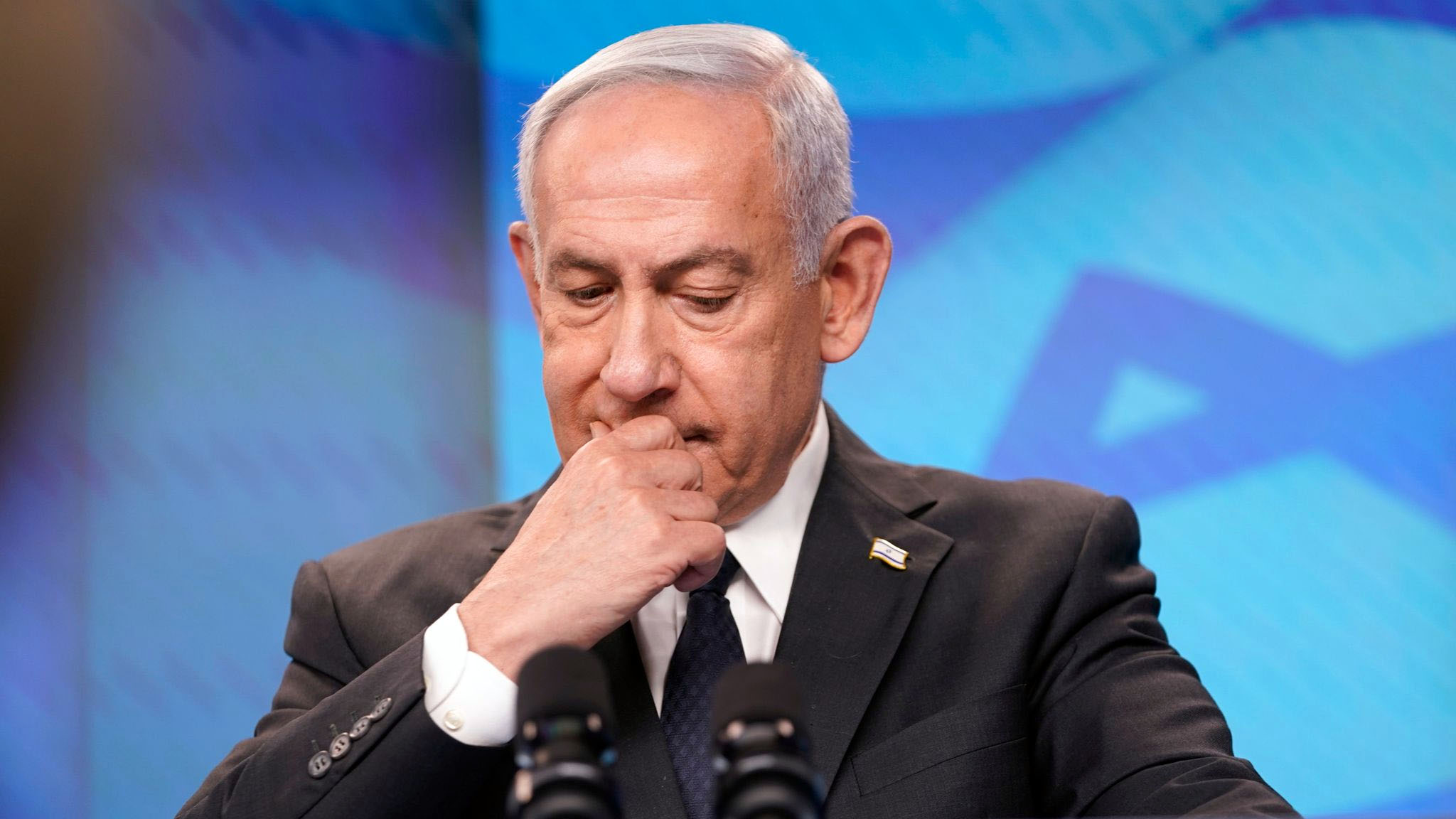
Israeli Prime Minister Benjamin Netanyahu has reiterated that his recent comments referencing Jesus Christ were not intended to offend Christians, following widespread criticism sparked by his remarks during a press briefing on the ongoing Middle East conflict involving Iran.
The controversy arose after Netanyahu, while addressing foreign media, cited a historical comparison attributed to American historian Will Durant, suggesting that moral superiority alone may not guarantee survival in a world shaped by power and conflict. His comments, which included a reference comparing Jesus Christ to Genghis Khan, triggered backlash from Christian communities and social media users who viewed the statement as insensitive.
In a follow-up clarification posted on X (formerly Twitter), Netanyahu dismissed the criticism as misinterpretation and “fake news,” insisting that he did not denigrate Jesus Christ in his remarks.
“More fake news about my attitude towards Christians, who are protected and flourish in Israel. Let me be clear: I did not denigrate Jesus Christ at my news conference,” he stated.
READ ALSO:
- Delta Govt Condemns Ozoro Festival Assaults, Orders Police Investigation
- Trump Slams NATO Allies as ‘Cowards, Paper Tigers’ Over Iran War
- Netanyahu Says Israel, US ‘Winning’ Iran War, Claims Tehran ‘Decimated’
Netanyahu explained that his comments were drawn from the writings of Will Durant, whom he described as an admirer of Jesus Christ. According to him, Durant’s historical analysis emphasised that morality alone is insufficient to ensure the survival of a society if it lacks the ability to defend itself.
“A morally superior civilization may still fall to a ruthless enemy if it does not have the power to defend itself. No offense was meant,” he added.
The initial remarks, made during a televised press conference, framed the argument that historical outcomes often favour strength and power over purely moral considerations. That framing, however, was widely interpreted as implying a comparison between religious teachings associated with Jesus and figures known for military conquest.
The reaction from Christian audiences was swift, with many expressing concern that the comparison diminished the religious and spiritual significance of Jesus Christ, who is regarded in Christianity as the “Prince of Peace” and central to the faith’s teachings.
Religious leaders and commentators also weighed in, urging greater sensitivity when discussing figures of deep religious importance, particularly in politically charged contexts. Among them, Munther Isaac, a Palestinian Lutheran pastor based in Bethlehem—traditionally regarded as the birthplace of Jesus—criticised the remarks as inappropriate and offensive, arguing that they could be seen as undermining Christian ethical teachings.
The debate has also highlighted broader tensions surrounding the interpretation of historical and religious references in political discourse, especially when delivered by global leaders addressing international audiences. Analysts note that such remarks can easily be taken out of context or amplified across social media, intensifying public reaction.
Despite the controversy, Netanyahu has maintained that Israel continues to uphold religious freedom and that Christian communities are protected within the country. His office has not indicated any plans to retract the statement further, maintaining that the remarks were part of a broader discussion on security, history, and geopolitical realities rather than a commentary on religious beliefs.
The episode underscores how remarks by political leaders can quickly generate global attention, particularly when they involve sensitive religious comparisons, and how clarifications are often required to manage diplomatic and public perception fallout.
Netanyahu Clarifies Jesus Remarks, Denies Offending Christians Amid Backlash
International
Netanyahu Says Israel, US ‘Winning’ Iran War, Claims Tehran ‘Decimated’
Netanyahu Says Israel, US ‘Winning’ Iran War, Claims Tehran ‘Decimated’
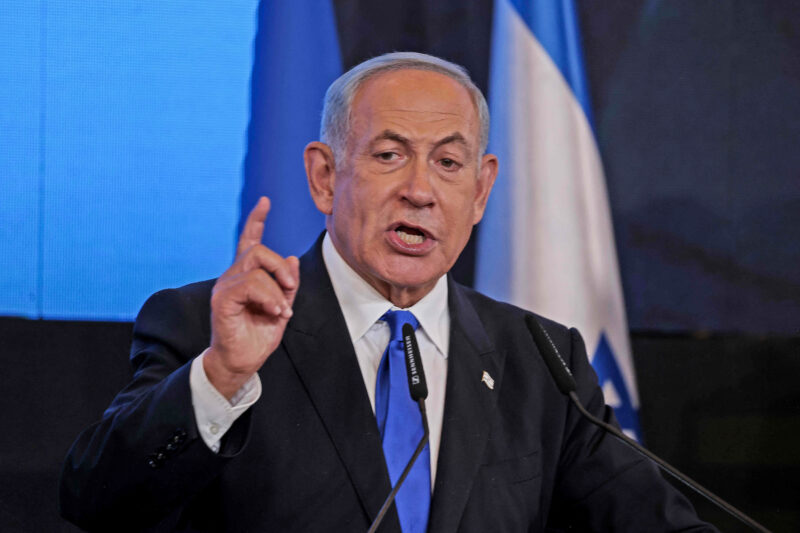
Israeli Prime Minister Benjamin Netanyahu has declared that Israel and the United States are “winning” the ongoing war against Iran, claiming the Islamic republic has been “decimated” and stripped of key military and nuclear capabilities.
Speaking during an English-language press conference, Netanyahu said joint military operations with the United States under President Donald Trump have inflicted significant damage on Iran’s nuclear and missile infrastructure, asserting that Tehran can no longer enrich uranium or manufacture ballistic missiles.
“We are winning, and Iran is being decimated,” Netanyahu said, describing the nearly three-week conflict as a strategic success for Israel and its allies.
He added that Israeli forces are systematically targeting industries linked to missile production and military development, in a campaign aimed at dismantling Iran’s long-term offensive capabilities.
Netanyahu confirmed that Israel had acted independently in striking the South Pars gas field — one of the world’s largest natural gas reserves — despite earlier indications of close coordination with Washington. However, he acknowledged that President Trump had since urged Israel to “hold off” on further attacks on energy infrastructure, a request Israel has agreed to honour.
READ ALSO:
- Eid-el-Fitr: Sheikh Onikijipa Urges Nigerian Leaders to Use Resources Wisely
- FIFA Mandates Female Coaches in Women’s Football Tournaments
- Iran: US Authorises $16.5bn Arms Sale to UAE, Kuwait, Jordan
“President Trump asked us to hold off on future attacks, and we are complying,” Netanyahu said.
Trump, speaking earlier at the Oval Office, had warned against further escalation targeting critical energy assets, signalling concerns about the global economic fallout of such strikes.
Addressing criticism that Israel may have drawn the United States deeper into the conflict, Netanyahu dismissed the claim, insisting that Washington acted independently and decisively.
“Does anyone really think that someone can tell President Trump what to do? He didn’t need any convincing,” he said.
He described the relationship between both leaders as highly coordinated but emphasised that Trump remains the dominant figure in the alliance.
“I don’t think any two leaders have been as coordinated as President Trump and I. He’s the leader. I’m his ally.”
Netanyahu also suggested that the war has triggered internal instability within Iran’s leadership, pointing to alleged divisions among political and military elites. He referenced uncertainty surrounding succession within Iran’s leadership, including reports involving Mojtaba Khamenei, believed to be a potential successor to Supreme Leader Ali Khamenei.
“We’re seeing cracks, and we’re trying to widen them as quickly as possible,” Netanyahu said, indicating that Israel aims to exploit internal tensions as part of its broader strategy.
The conflict has severely disrupted global energy markets, particularly following Iran’s reported actions affecting the Strait of Hormuz, a critical shipping route for global oil and gas supplies. Netanyahu described Iran’s actions as “blackmail”, insisting they would not succeed in pressuring Israel or its allies. Rising tensions in the region have contributed to increased oil and gas prices, with markets reacting to fears of prolonged disruption in supply chains.
Despite ongoing hostilities, Netanyahu expressed optimism that the conflict could end sooner than expected, while cautioning that military operations are not yet complete.
“There’s still more work to do, and we’re going to do it,” he said, adding, “I also see this war ending much faster than people think.”
While Israeli officials project confidence, international analysts remain cautious, noting that independent verification of claims regarding Iran’s nuclear and missile capabilities remains limited. The situation continues to evolve, with concerns that further escalation could draw additional countries into the conflict and deepen instability across the Middle East.
Netanyahu Says Israel, US ‘Winning’ Iran War, Claims Tehran ‘Decimated’
International
Iran: US Authorises $16.5bn Arms Sale to UAE, Kuwait, Jordan
Iran: US Authorises $16.5bn Arms Sale to UAE, Kuwait, Jordan
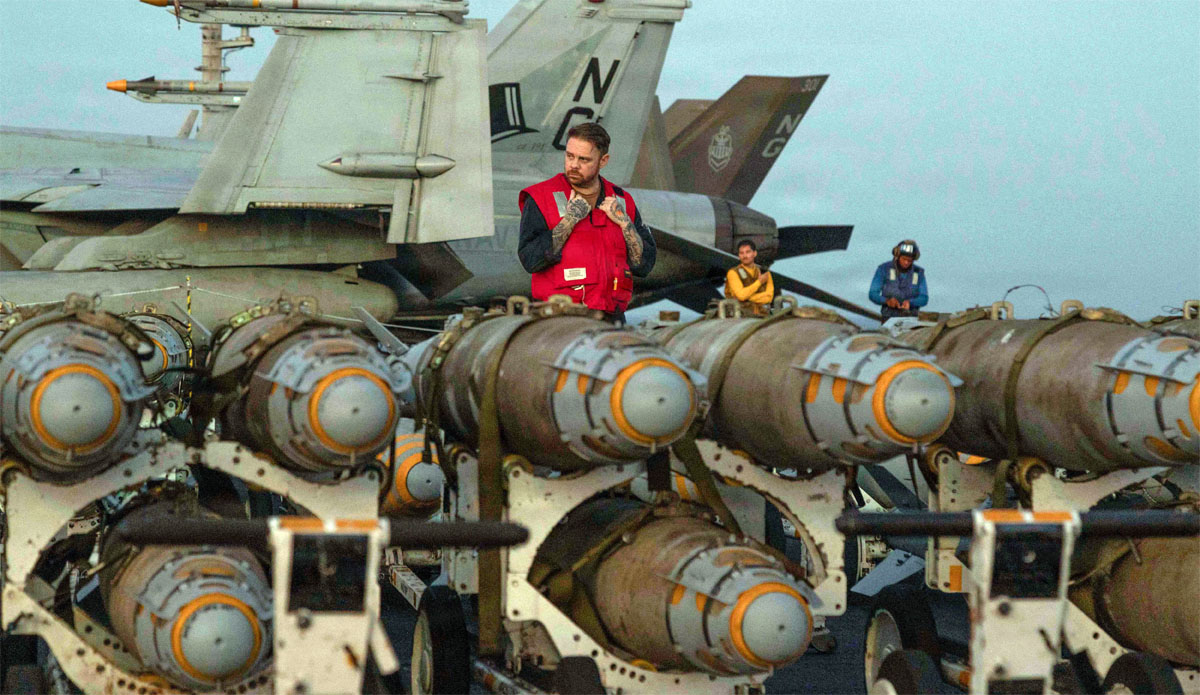
The United States has approved a $16.5 billion arms sale to key Gulf allies — including the United Arab Emirates, Kuwait, and Jordan — as tensions escalate between Washington and Iran over regional security and military confrontations.
The approval was issued by the United States Department of State, which said the package is aimed at strengthening air defence, missile systems, and overall military readiness among allied nations in the Middle East. The deal allocates approximately $8.4 billion in advanced military equipment for the UAE, including drones, missiles, radar systems, and upgrades for F-16 fighter aircraft. Kuwait is set to receive about $8 billion worth of air and missile defence radar systems, while Jordan will receive around $70.5 million in aircraft support equipment and munitions.
Officials said the package is intended to enhance the defensive capabilities of partner countries and support broader U.S. strategic interests in maintaining stability in the region. The State Department noted that the UAE remains a key security and economic partner, describing the deal as consistent with U.S. foreign policy objectives aimed at improving the security of allied nations.
READ ALSO:
- ISWAP Commander Killed as Troops Foil Adamawa Terror Attack
- Eid-el-Fitr: Tinubu Calls for Patriotism, Unity Among Nigerian Muslims
- Nigeria, UK Sign Landmark Deal to Deport Failed Asylum Seekers
The transaction was approved under emergency provisions, with Secretary of State Marco Rubio authorising the sale without the usual congressional review, citing urgent national security considerations. Major U.S. defence contractors involved in the deal include RTX Corporation, Northrop Grumman, and Lockheed Martin.
The arms deal comes amid heightened hostilities linked to the ongoing conflict involving Iran. The administration of U.S. President Donald Trump has been engaged in military coordination with allies following reported strikes on Iranian targets, including energy infrastructure. The escalation has raised fears of a broader regional war, with Iran issuing warnings against attacks on its interests and threatening retaliation against energy assets in allied countries such as Saudi Arabia and Qatar.
The conflict has also disrupted global energy markets, particularly through tensions around the Strait of Hormuz, a critical shipping lane that carries a significant share of the world’s oil supply. Rising instability has contributed to increased fuel prices in the United States, with averages climbing from around $3.10 per gallon to $3.88 per gallon, reflecting the broader economic impact of the geopolitical crisis. Iran’s actions in the region, including threats and reported interference with tanker traffic, have further heightened concerns over global supply chains and energy security.
The arms approval coincides with a push by the U.S. Department of Defense for additional funding to sustain military operations. Reports indicate the Pentagon may seek up to $200 billion in extra funding, on top of previously approved defence spending increases. U.S. officials have emphasised the need for expanded resources to address evolving global threats, with Trump noting that increased spending reflects broader international security challenges. Any additional funding would require congressional approval, highlighting ongoing debates in Washington over defence priorities and fiscal policy.
Iran: US Authorises $16.5bn Arms Sale to UAE, Kuwait, Jordan

-
 News2 days ago
Eid‑el‑Fitr in Nigeria Confirmed for Friday, March 20, 2026
-

 metro2 days ago
BREAKING: Eid-el-Fitr Date Confirmed in Saudi Arabia, Nigeria Awaits Sultan’s Decision
-
 metro2 days ago
Court Confirms Nigerians’ Right to Record Police During Stop-and-Search Operations
-

 Sports2 days ago
Sadio Mané Slams CAF After Senegal Stripped of 2025 AFCON Title
-

 metro2 days ago
Lagos communities face 4-month blackout, power firm alerts
-

 Sports3 days ago
CAF strips Senegal of AFCON title, Morocco declared winners
-

 metro1 day ago
Fani-Kayode, Dele Momodu Trade Fresh Insults in Escalating Social Media Feud
-
 metro1 day ago
Sokoto Cleric Defies Sultan, Holds Eid al-Fitr Prayer Over Moon Sighting Dispute