
Education
UNN Students Reject 100% Fee Hike, Insist on Maximum 25% Increase
UNN Students Reject 100% Fee Hike, Insist on Maximum 25% Increase
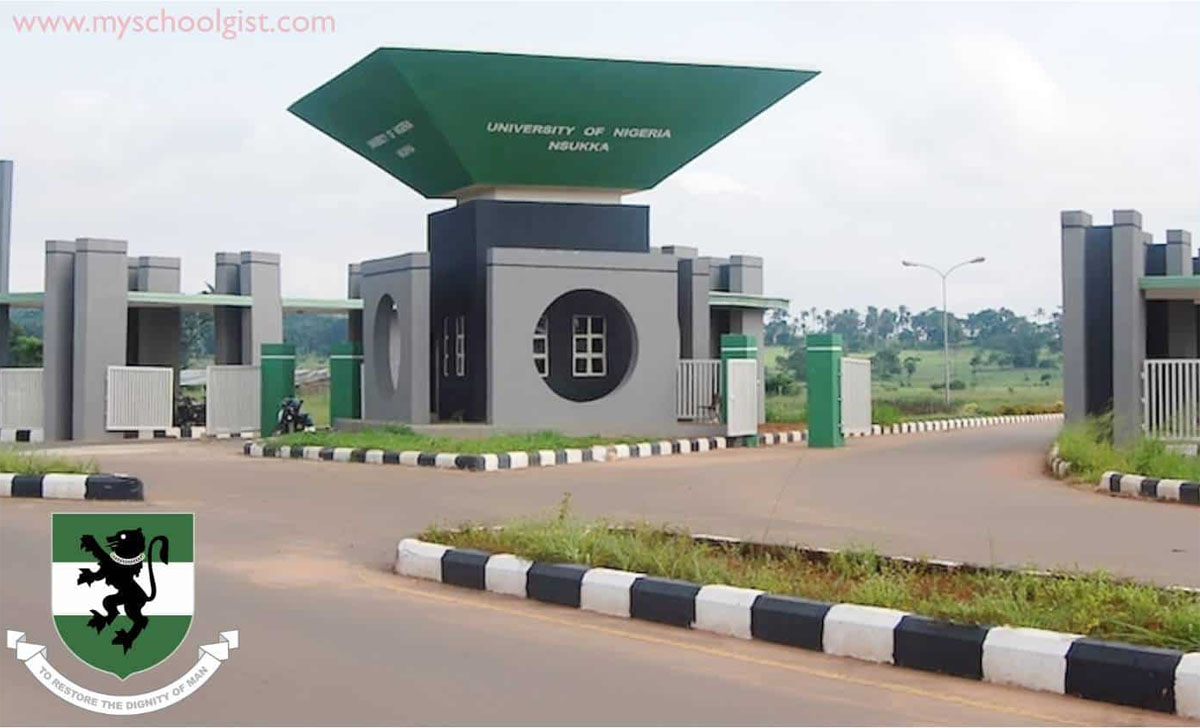
Students of the University of Nigeria, Nsukka (UNN) have rejected the management’s proposal to increase school fees by 100 percent, insisting that any adjustment should not exceed 25 percent.
In a memo dated 28th December 2025, the Executive Council of the Students Union Government (SUG) addressed the student community on the matter. Signed by SUG President Comrade Chinedu Ozoagu, the memo, titled “School Fees Increment Alert for the 2025/26 Academic Session,” revealed that the university management had held an emergency meeting with the union leadership to discuss student welfare issues.
“During the meeting, the management proposed a 100% increase in school fees to take effect from the 2025/26 academic session citing funding challenges,” the memo stated. However, after consultations with students across UNN and UNEC campuses, the SUG rejected the 100% hike, proposing a maximum of 25% increase considering the current economic realities.
READ ALSO:
- Police Arrest 22-Year-Old Over Alleged Rape of Minor in Oyo State
- Army Rescues Over 1,000 Kidnap Victims, Destroys Bandit Camps Across North-West
- AFCON 2025: Oliseh Praises Osimhen’s Captaincy as Super Eagles Beat Uganda
The students also opposed any increase in hostel fees without commensurate improvements in living conditions. The SUG urged management to suspend hostel fee hikes until the conditions of the facilities improve, assuring students that dialogue with management continues to safeguard their interests.
Investigations by THE WHISTLER show that school fees at UNN vary by faculty, ranging from N90,000 to N200,000, while hostel fees range from N25,000 to N100,000. Some students highlighted the poor state of hostels. Paulinus Ossai said, “Most of the hostels are not habitable. Management wants to generate IGR from exploiting students. Hostels funded by Tetfund and rehabilitated attract N35,000, while old ones are N25,000 and in bad shape.”
Another student, Sabinus Ugwu, added, “The management should focus on improving the overall condition of the university. For almost four months now, there is no running water on campus, and power supply is epileptic. Imposing more fees is unfair.”
A university management source, speaking anonymously, defended the proposed hike, stating, “UNN is among the cheapest federal universities in Nigeria. With universities moving towards financial autonomy, it is no longer sustainable to provide top-quality education at heavily subsidised rates.”
UNN Students Reject 100% Fee Hike, Insist on Maximum 25% Increase












Education
JAMB Releases 2026 UTME Mock Results, Delists Over 20 CBT Centres
JAMB Releases 2026 UTME Mock Results, Delists Over 20 CBT Centres
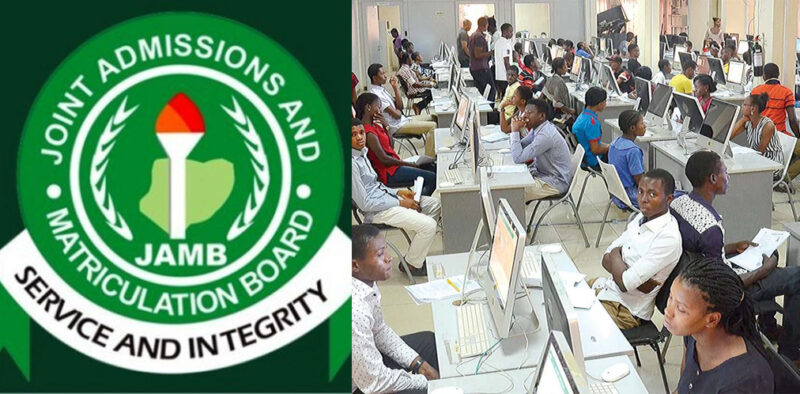
The Joint Admissions and Matriculation Board (JAMB) has released the 2026 UTME Mock results, following the nationwide mock examination conducted on Saturday, March 28, 2026. The announcement was made on Tuesday by JAMB spokesperson Fabian Benjamin, providing candidates with guidance on how to check their results. According to the board, a total of 224,597 candidates registered for the mock UTME, with 152,586 candidates successfully sitting for the test across 989 Computer-Based Test (CBT) centres nationwide. Candidates can check their scores by sending the keyword “MOCKRESULT” via SMS to 55019 or 66019 using the same SIM number used during UTME registration.
In a significant move to maintain exam integrity, JAMB also announced the delisting of over 20 CBT centres that faced operational challenges during the mock exam. The affected centres experienced server failures, power outages, and delayed test sessions, which disrupted the examination for many candidates. The board clarified that these centres will remain ineligible for future UTME exercises until they meet the required technical and infrastructure standards.
READ ALSO:
- Lagos LIRS Extends 2026 Individual Tax Return Deadline
- Israeli Fire Kills Three UN Peacekeepers in Southern Lebanon
- Iyabo Ojo Quits Mediation Between Funke Akindele, Toyin Abraham
JAMB further issued a stern warning against fraudsters claiming to manipulate mock or main UTME scores, particularly on messaging platforms like WhatsApp. The board emphasised that such claims are criminal, cautioning candidates that any involvement could result in cancellation of registration, withholding of results, or withdrawal of scores even after the main exam. Candidates were urged to rely solely on official communication channels for information regarding the UTME.
The main 2026 UTME is scheduled to begin on Thursday, April 16, 2026. JAMB encouraged candidates to use the mock results as an opportunity to assess their readiness, identify areas for improvement, and familiarise themselves with the Computer-Based Test (CBT) system. While mock scores do not contribute to final UTME results, they offer valuable insights for performance improvement and preparation ahead of the main examination.
JAMB continues to emphasise the importance of exam integrity, accurate registration details, and adherence to official guidelines to ensure a smooth, credible, and fair UTME process for all candidates.
JAMB Releases 2026 UTME Mock Results, Delists Over 20 CBT Centres
Education
WAEC Releases 2026 WASSCE Timetable for School Candidates
WAEC Releases 2026 WASSCE Timetable for School Candidates
The West African Examinations Council (WAEC) has officially released the 2026 West African Senior School Certificate Examination (WASSCE) timetable for school candidates across its member countries. The final international schedule, shared on WAEC’s official X (formerly Twitter) handle, provides students with a clear roadmap for exam preparation, ensuring they can plan their revision and practical work effectively.
According to the timetable, the 2026 WASSCE will commence on Tuesday, April 21, 2026, and conclude on Friday, June 19, 2026, spanning nearly nine weeks of examinations. The exams will kick off with Foods and Nutrition 3 (Practical) Planning Session and Home Management 3 (Practical) Planning Session, marking the start of both practical and theory assessments.
The timetable covers core subjects such as English Language and Mathematics, which are compulsory for all candidates, as well as a broad range of elective papers in sciences, arts, humanities, vocational, and technical subjects. Key science subjects include Biology, Chemistry, and Physics, while elective options span Economics, Government, Geography, Metalwork, and Applied Technology.
READ ALSO:
- UK, US, France Among 10 Nations Granting Agrément to Nigerian Ambassadors
- Aiyedatiwa Sacks All Political Aides, Plans 1,000 New Appointments
- Tinubu Appoints Senator Ibrahim Ida as CAC Chairman, Names Seven NPC Commissioners
WAEC advised all candidates to carefully check the timetable, confirm their exam dates with school authorities, and ensure they arrive at examination centres fully equipped with approved materials. The council also encouraged students to use the timetable to avoid subject clashes, prepare for both written and practical assessments, and manage study time efficiently.
The WASSCE is a crucial qualification for secondary school students in English-speaking West Africa, serving as the gateway for university and tertiary institution admissions. The exam is conducted annually in WAEC member countries, including Nigeria, Ghana, Liberia, Sierra Leone, and The Gambia, and is recognised as a key academic milestone in the region.
With the release of the 2026 timetable, students, parents, and school authorities now have a complete guide to plan study schedules, revision sessions, and exam strategies, helping ensure candidates are well-prepared to succeed.
WAEC Releases 2026 WASSCE Timetable for School Candidates
Education
WAEC Releases 2026 Computer-Based WASSCE Results, See Details Checking Procedure
WAEC Releases 2026 Computer-Based WASSCE Results, See Details Checking Procedure
The West African Examinations Council (WAEC) has officially released the results of the 2026 Computer-Based West African Senior School Certificate Examination (CB-WASSCE) for private candidates, marking another milestone in its transition to digital assessment.
The examination body announced on Friday that candidates who participated in the first series of the computer-based examination can now access their results, with full access expected to be activated within hours of the release.
In a statement accompanying the announcement, WAEC noted that the adoption of the Computer-Based Testing (CBT) format has significantly enhanced the speed and efficiency of result processing, eliminating many of the delays traditionally associated with manual marking systems.
Improved Performance Recorded
A preliminary analysis of the results indicates a modest improvement in candidates’ overall performance. According to data released by the council, about 32.72 per cent of candidates obtained a minimum of five credits, including English Language and Mathematics, a key benchmark for academic and career advancement in Nigeria.
WAEC attributed the improvement to increased candidate preparedness, improved examination administration, and the deployment of technology-driven assessment methods.
Malpractice Cases Under Review
Despite the gains recorded, the council disclosed that a number of results have been withheld due to allegations of examination malpractice. WAEC stated that investigations are ongoing and assured that appropriate actions would be taken upon conclusion of the review process.
The council reiterated its commitment to maintaining the integrity and credibility of its examinations, warning candidates and stakeholders against engaging in any form of malpractice.
Transition to Digital Examinations
The release of the 2026 CB-WASSCE results underscores WAEC’s broader strategy to modernize its examination system through the adoption of digital technology. The move is expected to improve transparency, reduce human error, and enhance the overall efficiency of the examination process across member countries.
How to Check WAEC Results
WAEC has provided a straightforward process for candidates to access their results online. Candidates are advised to follow the steps below:
- Visit the official WAEC result-checking portal at www.waecdirect.org
- Enter your Examination Number in the required field
- Select the Examination Year (2026)
- Choose the appropriate Examination Type (Private Candidate – First Series)
- Enter the Card Serial Number found on your scratch card
- Input the PIN on the scratch card
- Click on “Submit” to view your result
Candidates who encounter delays are advised to remain patient, as access may be staggered due to high traffic on the portal.
WAEC further urged candidates to keep their result-checking details secure and avoid sharing sensitive information with unauthorized persons to prevent fraud.
The council reaffirmed its commitment to continuous innovation in examination delivery, assuring stakeholders that the transition to computer-based testing will further strengthen the credibility of its certificates across the globe.
WAEC Releases 2026 Computer-Based WASSCE Results, See Details Checking Procedure

-

 Entertainment1 day ago
Funke Akindele, Toyin Abraham Spark Reactions Over Alleged Snub at Iyabo Ojo’s Premiere
-

 metro2 days ago
Jos Attack: Plateau Govt Declares 48-Hour Curfew After Deadly Assault
-

 Education20 hours ago
WAEC Releases 2026 WASSCE Timetable for School Candidates
-

 Auto16 hours ago
Lagos NURTW Chairman Sego Distributes Exotic Cars, Luxury Items to Cabinet Members (Video)
-

 News1 day ago
UK Raises Visa Costs, Tightens Immigration Rules From April 8
-

 International2 days ago
Iran Threatens US-Linked Universities in Middle East Amid Escalating Tensions
-

 Auto2 days ago
Motoring World marks 30 years, set to rally industry leaders in Lagos
-

 metro2 days ago
From Royal Wedding to Courtroom War: Gana’s Son, Wife in Explosive Split