
International
Vegas Tesla blast suspect shot himself in head – Officials
Vegas Tesla blast suspect shot himself in head – Officials
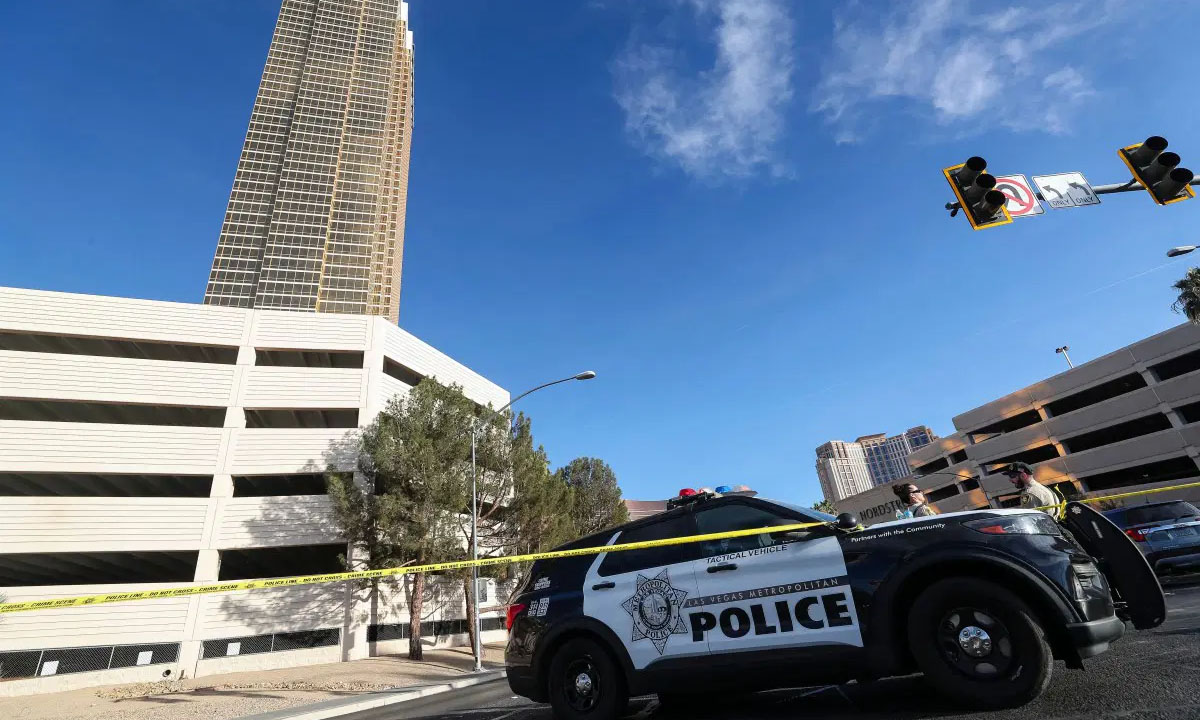
The decorated US special forces soldier who blew up a Tesla Cybertruck outside the Trump International Hotel in Las Vegas apparently shot himself in the head before the blast, authorities said Thursday, adding that his motivation was still “unknown.”
Matthew Livelsberger, 37, a member of the elite Green Berets, appears to have committed suicide in the rented vehicle filled with fuel containers and fireworks, which then erupted into flames, officials said.
Livelsberger’s body was burned beyond recognition but Las Vegas Sheriff Kevin McMahill said the authorities had “a lot of confidence” that he was the sole occupant of the Cybertruck.
Livelsberger, identified through his military ID, passport and credit cards, had a gunshot wound to the head and a gun was found at his feet, McMahill told reporters at a press conference in Las Vegas.
“The motivation at this point is unknown,” FBI Special Agent Spencer Evans said.
Evans said there is “no information that we’re aware of right now that connects this individual to any terrorist organization around the world.”
Kenny Cooper, a special agent with the Bureau of Alcohol, Tobacco, Firearms and Explosives, said Livelsberger had legally purchased two semi-automatic handguns on Monday which were found in the remains of the vehicle.
Video footage outside the Trump hotel shows the stainless steel truck parked at the building’s glass entrance early Wednesday, then bursting into flames, followed by smaller explosions that appeared similar to fireworks.
READ ALSO:
- Mob lynches woman accused of witchcraft in Benue
- Mosques should be research centres – Varsity don
- Panic as huge space object crashes into Kenyan village
Seven people were wounded in the blast.
– No link with New Orleans attack –
The Trump-branded building, which opened in 2008, is part-owned by the Republican president-elect’s family business.
Evans said the link to the president-elect was “not lost” on investigators, nor was the fact that Tesla is owned by world’s richest man — and prominent Trump backer — Elon Musk.
“But we don’t have information at this point that definitively tells us” it was driven by any particular ideology, he said.
Livelsberger rented the vehicle in Colorado on December 28, from where authorities tracked him driving it alone through Arizona and New Mexico to Las Vegas, which he reached on January 1, Kevin McMahill said.
McMahill said Livelsberger was a Green Beret who had been deployed to Afghanistan in 2009 and was currently stationed in Germany.
An army spokesperson said Livelsberger was “on approved leave at the time of his death,” and that he had been awarded multiple Bronze Star Medals, including one for valor.
Investigators said it was not yet clear how the blast detonated, but the components were mainly consumer products like fireworks and fuel.
They said some of the components had not exploded, and that the level of sophistication in the blast was not what they would expect from someone with Livelsberger’s military background.
“I just don’t think it was done as well as he was expecting it to be done,” McMahill said.
The blast came just hours after a pickup truck plowed into a crowd of revelers in the French Quarter of New Orleans, killing at least 14 people and injuring dozens.
Initially investigators were probing potential links between the events, but authorities in New Orleans said Thursday they believe the Islamic State-inspired attacker there acted alone, while the FBI described the Vegas incident as “isolated.”
Vegas Tesla blast suspect shot himself in head – Officials




International
Iran Threatens US-Linked Universities in Middle East Amid Escalating Tensions
Iran Threatens US-Linked Universities in Middle East Amid Escalating Tensions
March 29, 2026
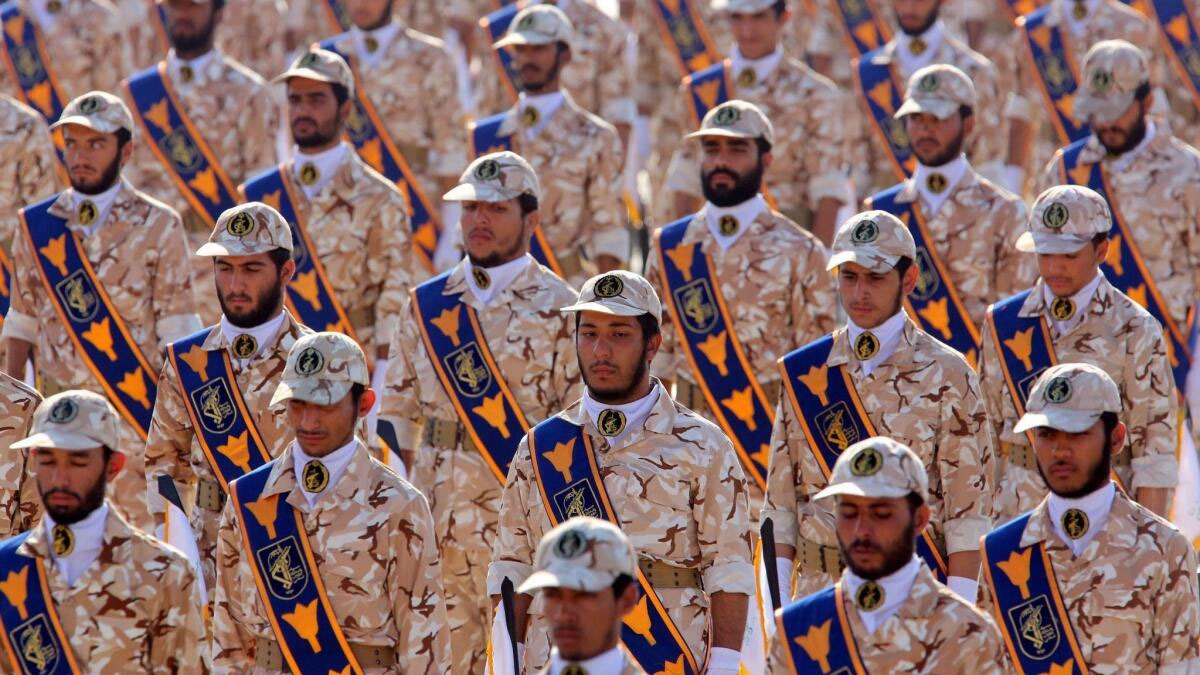
Iran has issued a stark warning that American-affiliated universities operating in the Middle East could become potential targets, as tensions between Iran and the United States continue to rise.
The threat, attributed to Iran’s powerful Islamic Revolutionary Guard Corps (IRGC), follows allegations that Iranian universities were damaged in recent strikes linked to the ongoing conflict. Iranian officials have not publicly provided detailed evidence of the alleged attacks but have condemned what they describe as violations of sovereignty and international norms.
In statements carried by international media, the IRGC warned that institutions with ties to the United States in the region could be considered “legitimate targets” if hostilities persist. Authorities also advised civilians to avoid such facilities, raising concerns about the safety of students, faculty, and staff across several countries in the Middle East.
While the rhetoric signals a dangerous expansion of potential targets beyond military installations, there has been no widely verified confirmation from major global outlets of a specific ultimatum or deadline tied to the warning. Analysts say the language used reflects an escalation in tone but stops short of confirming imminent attacks.
The development comes amid an increasingly volatile regional environment, with both nations exchanging accusations over recent incidents tied to the broader conflict. Diplomatic efforts to de-escalate tensions have so far yielded little progress, as global powers call for restraint.
Security experts warn that any attack on educational institutions would mark a significant shift in the conflict, potentially drawing widespread international condemnation and increasing the risk of further escalation.
Governments in the region are said to be reviewing security arrangements around foreign-linked institutions, while universities are reportedly monitoring the situation closely.
As of press time, officials from the United States had not issued a formal response specifically addressing the threat to universities, though Washington has repeatedly condemned attacks on civilian infrastructure and reiterated its commitment to protecting American interests abroad.
Iran Threatens US-Linked Universities in Middle East Amid Escalating Tensions
International
Trump Claims Iran Sent Oil Shipments Amid Backchannel Talks
Trump Claims Iran Sent Oil Shipments Amid Backchannel Talks
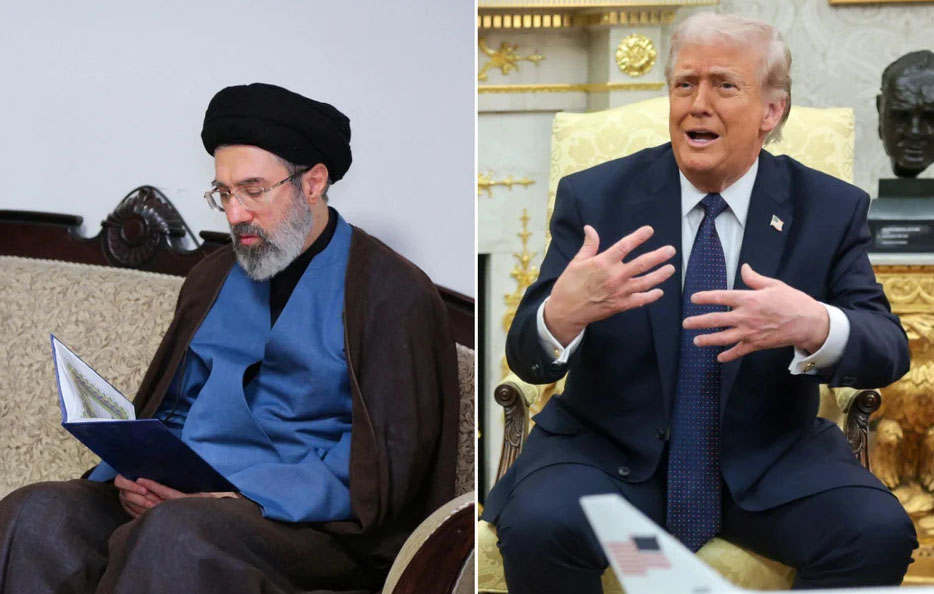
U.S. President Donald Trump has claimed that Iran dispatched ten oil tankers to the United States as part of indirect negotiations aimed at easing ongoing tensions between the two nations.
According to a report by Sky News on Friday, March 27, 2026, Trump made the assertion while speaking at the Future Investment Initiative in Miami. He suggested that the shipments were a gesture of goodwill, possibly intended as an acknowledgment of ongoing diplomatic engagements.
“It turned out I was right,” Trump said, referring to earlier claims that talks were underway between Washington and Tehran—claims initially denied by Iranian authorities. “They were negotiating, which they admitted two days later.”
Providing further details, Trump stated that Iran had first proposed sending eight oil ships before increasing the number to ten. “They said, ‘we’re going to send you eight ships of oil.’ They actually said, ‘we’re going to add an extra two,’ and they added an extra two,” he said. “So we had ten ships, and then people realized we were actually negotiating.”
Trump also struck a confident tone regarding developments in the Middle East, declaring that the region was “closer than ever” to being free from what he described as Iranian “terror, aggression and nuclear blackmail.”
However, Iranian officials have firmly rejected the claims of formal negotiations. Authorities in Iran insist that no direct talks are taking place with the United States, maintaining that any communication occurs strictly through third-party intermediaries, including Pakistan.
Tehran’s continued denial underscores the sensitive nature of any potential engagement with Washington, particularly amid domestic political pressures and broader regional dynamics.
The contrasting narratives highlight the uncertainty surrounding U.S.-Iran relations, with both sides presenting differing accounts of ongoing diplomatic efforts.
Trump Claims Iran Sent Oil Shipments Amid Backchannel Talks
International
Iranian Strike on Saudi Base Damages US Spy Plane, Injures 12 Troops
Iranian Strike on Saudi Base Damages US Spy Plane, Injures 12 Troops
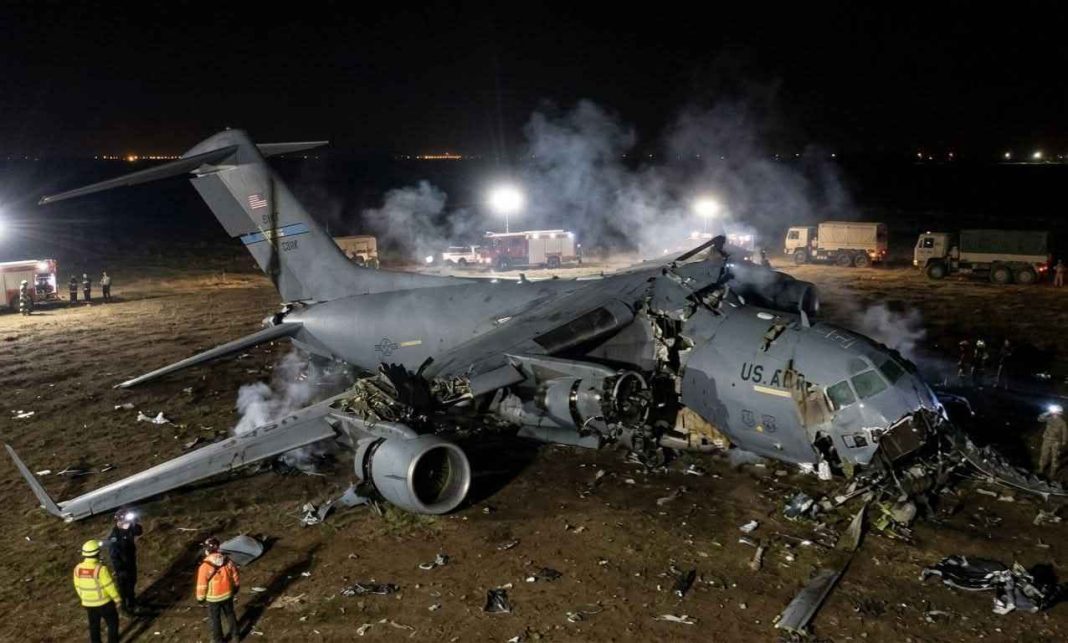
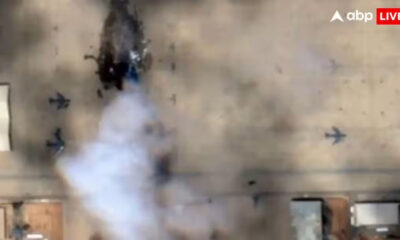
Tensions in the Middle East have intensified following a major strike by Iranian forces on a United States military installation in Saudi Arabia, leaving several American personnel injured and damaging high-value military assets.
Iran reportedly launched a coordinated attack involving ballistic missiles and drones on the Prince Sultan Air Base on Saturday, targeting U.S. Air Force equipment stationed at the facility.
Initial reports from outlets including Daily Post Nigeria and Fox News indicated that a U.S. E-3 Airborne Warning and Control System (AWACS) aircraft—estimated to be worth about $700 million—was destroyed in the strike. The aircraft serves as a critical airborne radar and command center, capable of detecting threats and coordinating air operations over vast distances.
However, more recent and verified accounts suggest that the aircraft, identified as the Boeing E-3 Sentry, was damaged but not confirmed destroyed, raising questions about the accuracy of early claims surrounding the extent of the losses.
In addition to the AWACS aircraft, at least one KC-135 Stratotanker was reportedly struck during the ആക്രമation and caught fire, further compounding the scale of the incident.
U.S. officials confirmed that 12 American service members were injured in the attack. According to Fox News, two of the wounded personnel were listed in serious condition, while the remaining casualties sustained lighter injuries.
Military analysts note that the strike demonstrates Iran’s growing capability to conduct coordinated long-range attacks using a combination of drones and precision-guided missiles, posing a significant threat to U.S. assets in the region.
The latest escalation comes amid an ongoing conflict between the United States and Iran, which has persisted for approximately one month. The war has already led to significant casualties and heightened geopolitical tensions across the Middle East, particularly following reports of high-profile killings involving senior Iranian figures.
As of press time, there has been no official confirmation from the U.S. Department of Defense regarding the total extent of damage to the aircraft or whether any assets were completely destroyed.
Security experts warn that the attack could trigger further retaliation, raising fears of a broader regional confrontation involving key global powers and strategic allies in the Gulf.
Iranian Strike on Saudi Base Damages US Spy Plane, Injures 12 Troops

-
 metro2 days ago
Tragedy in Aramoko: Trailer Rams Residential Building, Kills 300‑Level Student
-

 News2 days ago
Final Notice: FG Orders Civil Servants to Complete PASGA Verification by March 31
-

 metro3 days ago
El-Rufai’s Mother, Hajiya Umma, Dies Amid Son’s Legal Battle
-

 Entertainment2 days ago
Nollywood Actress Declares Love for Ibrahim Chatta, Offers to Pay Her Own Dowry
-
 metro8 hours ago
Jos Attack: Plateau Govt Declares 48-Hour Curfew After Deadly Assault
-

 metro3 days ago
Report Reveals Late Herbert Wigwe Owned 106 Prime London Properties
-
 International2 days ago
Iranian Missiles, Drones Strike US Air Base in Saudi Arabia
-

 Entertainment2 days ago
Streamer Peller Escorted Out of Alake of Egbaland’s Palace in Abeokuta