
Business
We sell petrol at half price of landing cost – NNPC
We sell petrol at half price of landing cost – NNPC
The Chief Financial Officer (CFO), of the Nigeria National Petroleum Company Ltd (NNPCL), Alhaji Umar Ajiya has disclosed that the government pays the company to sell PMS at half price of the landing cost- what he calls shortfall.
The C.F.O., provided this clarification on Monday in Abuja while presenting the company’s 2023 full-year result where it recorded profits of N3.3 trillion.
Ajiya stated that NNPC Ltd. has solely been managing the shortfall in Premium Motor Spirit (PMS) imports between the company and the federation and has not disbursed any subsidies to marketers over the past nine months.
READ ALSO:
- Atiku condemns Tinubu administration over new fuel subsidy policy
- NNPC confirms return of fuel subsidy, experts demand transparency
- Mother, three children die after eating ‘poisoned’ rice in Kwara
He stated, “In the last eight to nine months, the NNPC Ltd., has not paid anybody a dime as subsidy, no one has been paid kobo by the NNPC Ltd. in the name of subsidy. No marketer has received any money from us by way of subsidy.”
“What has been happening is that we have been importing PMS, which has been landing at a certain cost price and the government tells us to sell it at half price.”
“So the difference between the landing price and that half price is what we call shortfall. And the deal is between the Federation and NNPC Ltd., to reconcile, sometimes they give us money, so there is no money exchanging hands with any marketer in the name of subsidy.”
We sell petrol at half price of landing cost – NNPC







Business
Oil Prices Jump as Strait of Hormuz Crisis Intensifies
Oil Prices Jump as Strait of Hormuz Crisis Intensifies
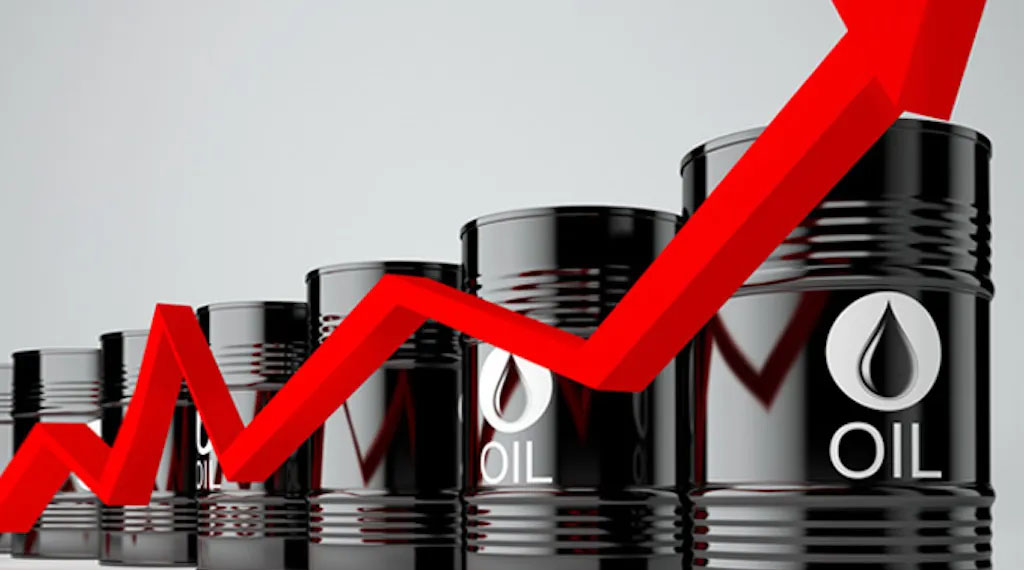
Global oil prices climbed sharply on Tuesday as escalating tensions around the Strait of Hormuz raised fears of major supply disruptions. The strategic waterway, through which nearly 20% of the world’s seaborne oil passes, has effectively been restricted by Iran, intensifying geopolitical uncertainty and driving crude prices higher.
Both Brent crude and West Texas Intermediate (WTI) rose more than 2%, hovering around $100 per barrel, partially offsetting losses recorded the previous day after the International Energy Agency (IEA) suggested that additional stockpiles could be released to stabilize supply. Analysts warn that continued disruption in the strait could lead to further volatility in energy markets.
U.S. President Donald Trump urged European and allied nations to assist in reopening the Strait of Hormuz over the weekend, describing it as a shared global responsibility. However, many countries resisted involvement: Germany’s Chancellor Friedrich Merz stated that the issue is not a NATO matter, while Britain, Spain, Poland, Greece, Sweden, Australia, and Japan declined participation. Trump warned that inaction could affect NATO’s credibility and postponed a planned summit with Xi Jinping due to the escalating situation.
READ ALSO:
- Maiduguri Horror: 23 Dead, 108 Injured in Coordinated Bomb Attacks
- Nigeria-UK Relations in Focus as Tinubu Begins Landmark State Visit
- Maiduguri Horror: 23 Dead, 108 Injured in Coordinated Bomb Attacks
The crisis has been worsened by attacks on energy infrastructure across the region. Drone strikes targeted major facilities in the United Arab Emirates and Iraq, while Israel conducted extensive strikes in Tehran and against Hezbollah positions in Beirut. Additionally, a combined drone and rocket attack struck the U.S. embassy in Baghdad, heightening regional instability.
Despite the surge in oil prices, global equities extended gains from Monday, supported by strong performances in technology stocks. Nvidia projected it could generate at least $1 trillion in revenue by 2027, boosting investor confidence. Asian markets including Tokyo, Hong Kong, Shanghai, Sydney, Seoul, Singapore, Taipei, and Manila all recorded increases, following positive closes on Wall Street.
Reports from Marine Traffic indicated that a Pakistani oil tanker successfully passed through the Strait of Hormuz with its tracking system active — the first non-Iranian vessel to do so recently — signaling a minor easing of shipping risk, though analysts caution that instability in the region remains high.
Experts say the combination of geopolitical uncertainty, supply disruptions, and rising crude prices could drive inflationary pressures and impact global economic growth. Traders are closely monitoring central bank policies, with interest rate adjustments expected as governments seek to mitigate the economic effects of the energy shock.
Oil Prices Jump as Strait of Hormuz Crisis Intensifies
Railway
BREAKING: Several Passengers Injured as Abuja–Kaduna Train Derails After Collision
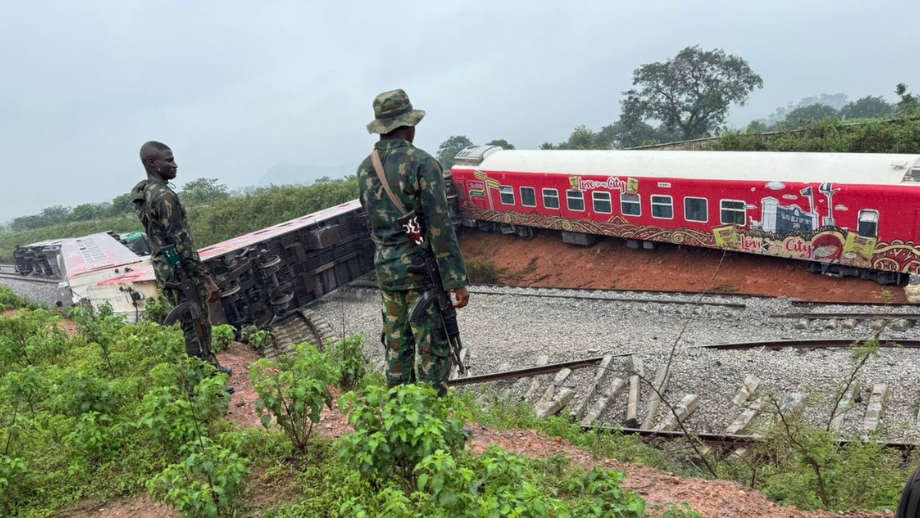
BREAKING: Several Passengers Injured as Abuja–Kaduna Train Derails After Collisio
Several passengers were injured on Monday after a train travelling along the Abuja–Kaduna rail corridor derailed following a collision, authorities have confirmed.
The incident reportedly occurred near Asham along the busy rail line linking Abuja with Kaduna State, causing panic among passengers onboard the train.
The Managing Director of the Nigerian Railway Corporation (NRC), Kayode Opeifa, confirmed the development, stating that emergency response teams were immediately deployed to the scene following the derailment.
According to preliminary reports, the train derailed after colliding with another object on the track, though officials have yet to disclose full details about the circumstances surrounding the accident.
READ ALSO:
- Saudi Intercepts 63 Drones as Iran Denies Responsibility, Blames US, Israel
- Police Launch Forensic Investigation Into Fatal Osogbo Shooting
- Court to Rule on ICPC’s Request for 14‑Day Detention Extension for El‑Rufai
Several passengers sustained injuries during the incident and were evacuated to the medical facility at the Idu Railway Station for treatment. Authorities, however, said no fatalities had been recorded as of the time of filing this report.
Eyewitness accounts and videos circulating on social media showed damaged train coaches and railway personnel assessing the situation while stranded passengers gathered near the tracks after disembarking from the train.
The Abuja–Kaduna rail corridor is one of Nigeria’s busiest passenger routes and serves thousands of commuters daily, particularly travellers seeking a safer alternative to road transportation.
Officials of the Nigerian Railway Corporation said investigations have commenced to determine the exact cause of the collision and derailment.
More details are expected as authorities continue rescue operations and assess the extent of the damage.
BREAKING: Several Passengers Injured as Abuja–Kaduna Train Derails After Collision
Business
NAJA to Tinubu: Guarantee crude supply to local refineries to tame petrol prices
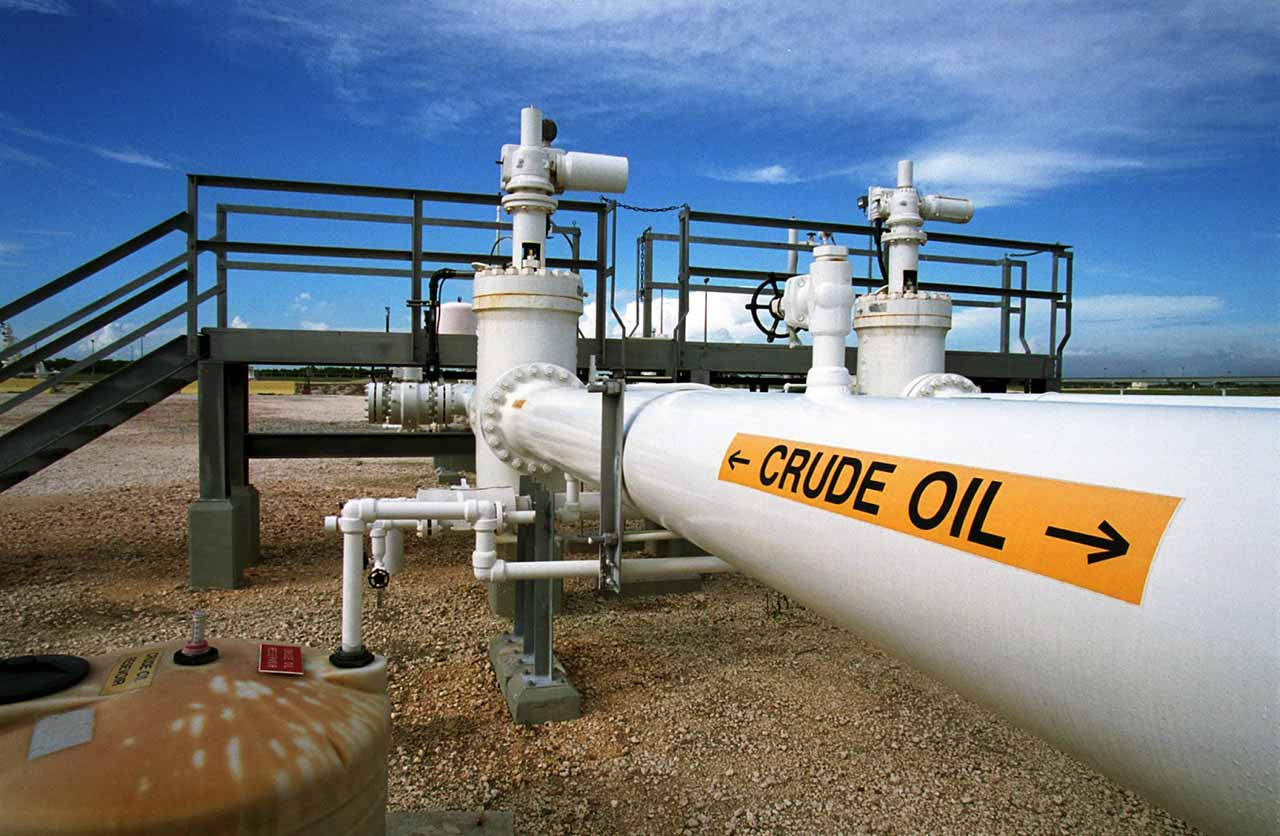
NAJA to Tinubu: Guarantee crude supply to local refineries to tame petrol prices
The Nigeria Auto Journalists Association (NAJA) has urged President Bola Tinubu to ensure steady supply of crude oil to domestic refineries, particularly the Dangote Refinery, as part of measures to reduce the impact of rising petrol prices.
The association said prioritising crude allocation to local refineries would help Nigeria reduce its exposure to global energy shocks currently driving up fuel costs amid tensions in the Middle East.
The call came days after the Federal Government unveiled a plan to distribute 100,000 Compressed Natural Gas conversion kits nationwide to encourage motorists to switch to alternative fuel and reduce dependence on petrol.
While describing the CNG initiative as a positive step, NAJA stressed that strengthening domestic refining through reliable crude supply remains a more sustainable solution to Nigeria’s fuel pricing challenges.
NAJA Chairman, Theodore Opara, said the government should adopt policies that allow local refineries to obtain crude directly from the Nigerian National Petroleum Company Limited (NNPC), preferably in naira.
According to him, the current arrangement—where the Dangote Refinery imports a large share of its crude—leaves the facility vulnerable to global supply disruptions and price fluctuations.
“Dangote Refinery imports most of its crude, hence it is exposed to the effects of the ongoing crisis in the Middle East,” Opara said. “Direct crude supply from the NNPC will strengthen the country’s long-term energy diversification strategy and reduce exposure to international supply shocks.”
He noted that despite being Africa’s largest crude oil producer, Nigeria still depends heavily on imported refined petroleum products, a situation that continues to expose the economy to volatility in the international oil market.
Opara argued that allowing domestic refineries to source crude locally and transact in naira would not only stabilise the downstream petroleum sector but also reduce pressure on the local currency.
“If Nigeria’s major refineries, including Dangote, receive crude locally and transact in naira, the country will reduce its vulnerability to global market disruptions,” he said.
He added that while the government’s CNG programme could provide relief for motorists in the medium term, ensuring optimal operation of domestic refineries would deliver quicker and more far-reaching benefits for fuel pricing.
“CNG is a good transition policy for transportation, but the backbone of Nigeria’s fuel supply must still come from efficient domestic refining,” he said.
Industry analysts say a coordinated strategy that combines the CNG initiative with strong support for domestic refining could help shield Nigerian consumers from the impact of international oil market volatility.

-

 Railway20 hours ago
BREAKING: Several Passengers Injured as Abuja–Kaduna Train Derails After Collision
-

 International3 days ago
Iranian Missile Strike Damages Five US Refueling Tanks at Saudi Air Base
-

 metro17 hours ago
Court Screens Video Showing NDLEA Allegedly Helping Cocaine Smugglers at Enugu Airport
-

 metro3 days ago
Tonto Dikeh Admits Past Mistakes Amid ₦200M Schoolgirl Deliverance Lawsuit
-

 International2 days ago
Iran–Israel Conflict Escalates As IRGC Threatens To Kill Netanyahu
-

 International3 days ago
Old Dominion University Shooting: Terrorism Suspect Had Links to Nigeria-Based ISIS
-
 metro23 hours ago
Tinubu Orders Nationwide Free Rice Distribution for Ramadan, Lent Support
-
 International2 days ago
Netanyahu dispels death rumours, appears in video from Coffee Shop