

metro
Where did Nigeria’s fuel subsidy savings go? FG reveals how funds were spent
Where did Nigeria’s fuel subsidy savings go? FG reveals how funds were spent
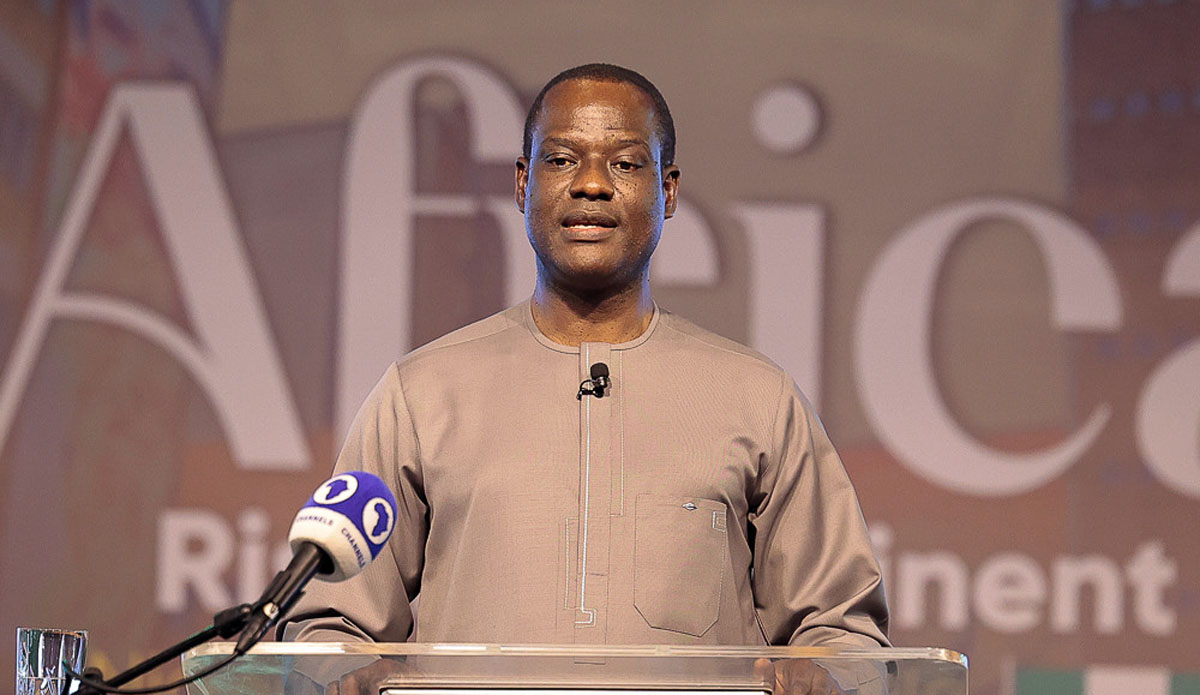
The Federal Government has said savings generated from the removal of the fuel subsidy and reforms in the foreign exchange market have largely been used to meet rising debt-servicing obligations, fund higher workers’ wages, support the student loan scheme and cover other critical public expenditures.
The Minister of Finance and Coordinating Minister of the Economy, Taiwo Oyedele, disclosed this at the 7th African Emerging Markets Forum in Abuja, where he also promised that the government would soon publish a detailed breakdown of how the savings from the reforms have been utilised.
Oyedele acknowledged growing public concern over the fate of the funds, describing questions about the use of the subsidy savings as legitimate.
He said the government had a responsibility to provide Nigerians with a clear explanation of how the resources generated by the reforms had been deployed.
According to the minister, the combined cost of the former petrol subsidy and what he described as an implicit subsidy in the foreign exchange system was equivalent to about five per cent of Nigeria’s Gross Domestic Product (GDP) before the reforms were introduced.
However, he explained that the money freed by the reforms was not left unused because the government faced higher financial obligations, including increased debt-servicing costs and rising public expenditure.
Oyedele said part of the savings was used to address the government’s Ways and Means obligations and finance spending that had previously been supported through monetary financing.
READ ALSO:
- CJN orders lawyers to stop using ‘Barrister’ before their names
- Osun Guber: IGP Deploys New Election CP as INEC Identifies 11 Flashpoint LGAs
- Catholic Priest Found Dead in Kogi After Machete Attack as Police, Govt Launch Investigations
He explained that before the reforms, the government relied partly on money creation to fund expenditure, but ending the practice meant that the government had to secure alternative financing to meet existing obligations.
According to him, the reforms contributed to higher inflation and interest rates, increasing the cost of government borrowing and debt servicing.
He said borrowing costs that were previously around eight per cent had risen to as much as 24 per cent, placing additional pressure on public finances.
“When you need to service debts, you do not debate whether you need to pay. You pay, and you pay on time,” Oyedele said.
The minister also said the increase in the national minimum wage from ₦30,000 to ₦70,000 had significantly raised the Federal Government’s wage bill.
He explained that the higher wage structure had nearly doubled the government’s personnel costs, making it one of the major areas where public spending had increased following the reforms.
Oyedele added that the government had expanded funding for the Nigerian Education Loan Fund (NELFUND), which provides tuition support and monthly upkeep allowances to eligible students.
According to him, the student loan programme has grown to cover more than 1.5 million students, increasing government expenditure on education and youth support.
He stressed that the primary objective of removing fuel and foreign exchange subsidies was not only to generate savings but also to eliminate economic distortions, reduce inefficiencies and address opportunities for abuse within the previous systems.
The Federal Government has maintained that the reforms were necessary to improve fiscal sustainability, reduce pressure on public finances and create a more transparent economic framework.
However, the reforms have also contributed to higher fuel, transportation and living costs, with many households and businesses continuing to experience pressure from inflation and reduced purchasing power.
The government’s planned publication of a detailed account is expected to provide greater clarity on the amount generated from the reforms, how the funds were allocated and the extent to which the resources were used for debt payments, wages, education and other public obligations.
The disclosure is also expected to address public concerns over whether the fiscal gains from the removal of the fuel subsidy have translated into improved public services, infrastructure, social protection and better living conditions.
An earlier assessment by the International Monetary Fund (IMF) noted that Nigeria’s economic reforms had helped improve macroeconomic stability, strengthen investor confidence and reduce some fiscal and monetary pressures. The IMF, however, also said poverty and food insecurity remained significant concerns, highlighting the need for stronger social protection and inclusive economic growth. (IMF)
Oyedele said the government would not measure the success of its economic reforms solely through headline GDP growth.
Instead, he said the government would focus on reducing multidimensional poverty, increasing real income per capita and narrowing income inequality.
He maintained that the long-term goal of the reforms was to build a more stable and sustainable economy while ensuring that economic growth leads to improved living standards for a broader section of the population.
The minister assured Nigerians that the detailed report on the use of the subsidy savings would be released in the coming days as part of the government’s commitment to transparency and public accountability. (reuters.com)
Where did Nigeria’s fuel subsidy savings go? FG reveals how funds were spent









metro
Oyo Kidnapping Murders: Ansaru Suspects Push Back in Court, Demand Private Lawyer Before Facing Fresh Charges
Oyo Kidnapping Murders: Ansaru Suspects Push Back in Court, Demand Private Lawyer Before Facing Fresh Charges
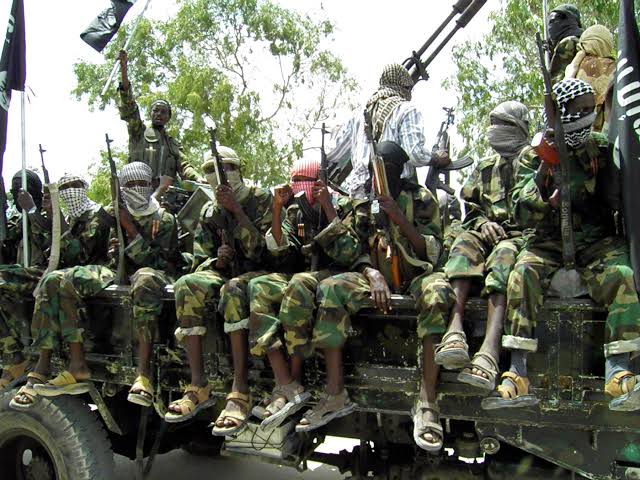
A planned judicial showdown over a deadly school raid in Oyo State took an unexpected turn Wednesday when five accused Ansaru militants refused government legal aid, forcing a 24-hour delay in their trial.
The suspects, identified under several battlefield aliases including Abu Bara’a, Isah Adam, Abu Khalifa, Abu Yunusa Bin Musa, and Abu Itisar, stand accused of orchestrating the May 15 terror raid in Oriire, where pupils and their teachers were seized, and two captives were murdered.
READ ALSO:
- Kara Bridge Repairs, Multiple Crashes Trigger 14-Hour Gridlock on Lagos-Ibadan Expressway
- 2027: Court Gives Atiku Seven Days to Serve Tinubu Through APC in Eligibility Suit
- 2027: Northern Students Back Tinubu, Pledge Campus-to-Campus Mobilisation
- Benue: Two Police Officers Killed as Gunmen Ambush DPO’s Convoy in Ayilamo
When the Federal High Court prepared to read the DSS’s amended six-count charge sheet, court-appointed counsel Akilaluyel Shettima stood to represent the men. However, lead defendant Mahmud Muhammad abruptly interjected, informing Justice Salim Ibrahim that the group would not proceed without their chosen attorney, Bala Dakum.
Rather than force the arraignment, government prosecutor Rotimi Oyedepo, SAN, conceded the point on fundamental rights grounds, affirming that a defendant’s choice of legal defense remains a non-negotiable constitutional protection.
Following the concession, Justice Ibrahim adjourned the session until September 17, ordering the secret police to provide the five men immediate access to Dakum so their defense can be finalized ahead of the fresh plea.
Oyo Kidnapping Murders: Ansaru Suspects Push Back in Court, Demand Private Lawyer Before Facing Fresh Charges
metro
Benue: Two Police Officers Killed as Gunmen Ambush DPO’s Convoy in Ayilamo
Benue: Two Police Officers Killed as Gunmen Ambush DPO’s Convoy in Ayilamo
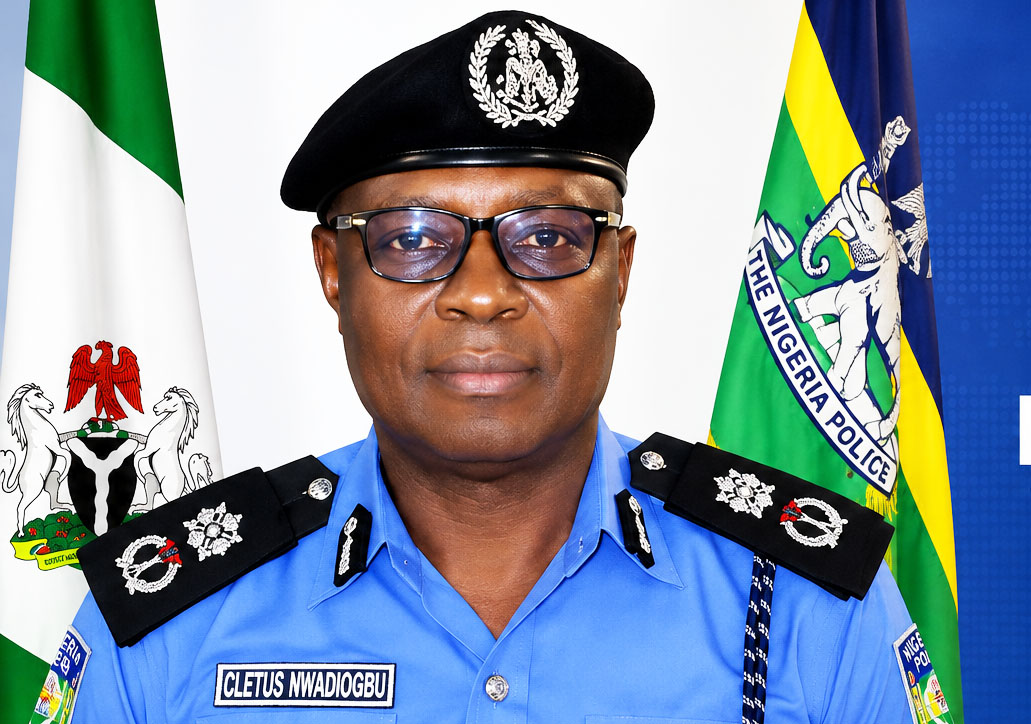
Two newly deployed Mobile Police officers have been killed after suspected armed herders ambushed the convoy of the Divisional Police Officer (DPO) of Ayilamo Police Division in Logo Local Government Area of Benue State.
The attack occurred at about 6pm on Monday, September 14, 2026, as the DPO was returning to Ayilamo from Makurdi, where he had travelled on official duty.
The Benue State Police Command confirmed that two officers in the DPO’s entourage were killed in the ambush. Their identities had not been publicly released as of the latest reports.
The latest incident occurred just four days after another deadly attack on Ayilamo in which four Mobile Police officers and seven civilians were killed, according to the police.
The earlier attack began at about 6:12pm on Thursday, September 10, when suspected armed bandits invaded the community. Police Mobile Force personnel, tactical teams and conventional police officers responded and engaged the attackers in a gun battle that lasted about seven hours.
The police said the security personnel eventually repelled the attackers, forcing them to withdraw into surrounding forests in the early hours of September 11. The bodies of the four slain officers and seven civilians were subsequently recovered.
READ ALSO:
- Kara Bridge Repairs, Multiple Crashes Trigger 14-Hour Gridlock on Lagos-Ibadan Expressway
- 2027: Court Gives Atiku Seven Days to Serve Tinubu Through APC in Eligibility Suit
- 2027: Northern Students Back Tinubu, Pledge Campus-to-Campus Mobilisation
The four officers killed in that earlier attack were identified as Paul Ina, Mohammed Yusuf, Oge Ikechukwu and Edeh Andrew.
Residents gave a different account of the attackers, with some alleging that a large number of suspected armed herders entered the community from the direction of Alufu Road in neighbouring Taraba State. They also reported shootings and the burning of houses during the assault.
The police, however, have generally referred to the attackers as suspected armed bandits, while the identities and affiliations of those responsible have not been conclusively established.
The latest ambush brings the number of police officers killed in attacks around Ayilamo within four days to six, based on the police-confirmed casualties from the two incidents.
Residents have expressed concern over the presence of armed men in forests and abandoned settlements around Tombo Council Ward, where Ayilamo is located.
The repeated violence has renewed concerns about the safety of residents and security personnel in Logo Local Government Area, particularly communities located close to forested areas and routes vulnerable to armed ambushes.
The Ayilamo Police Station was upgraded to a divisional headquarters in August 2025 as part of efforts to strengthen police response in vulnerable communities across Benue.
Despite the upgrade and increased security presence, Ayilamo has continued to experience deadly attacks, highlighting the security challenges confronting communities in the area.
The Benue Police Command had earlier announced the deployment of additional tactical personnel following the September 10 attack. The command also said it was working with other security agencies to strengthen operations and protect residents in affected communities.
There was also a development concerning the welfare of police families following the recent deaths.
On Tuesday, September 15, the Benue State Police Command presented insurance cheques to families of police officers who had died in the line of duty.
Commissioner of Police Cletus Nwadiogbu, while presenting the cheques in Makurdi, conveyed the condolences of Inspector-General of Police Olatunji Disu to the bereaved families.
He said the financial benefits could not replace the lives lost but were intended to provide some relief and support, particularly for the welfare of the officers’ children.
Meanwhile, authorities have not publicly announced the identities of those responsible for the latest ambush or disclosed arrests directly connected to the September 14 attack.
There have, however, been arrests linked to the earlier September 10 Ayilamo attack. Governor Hyacinth Alia recently commended the Department of State Services (DSS) over the arrest of three suspects allegedly connected with that attack.
The arrests relate to the earlier incident and do not by themselves establish that the same suspects carried out the latest ambush.
The two attacks within four days have increased pressure on security agencies to intensify surveillance and operations around Ayilamo and surrounding forested areas.
The latest killings have also highlighted the risks faced by police officers deployed to conflict-prone and remote communities, where armed groups can exploit difficult terrain and isolated settlements.
The investigation into the latest Benue attack is expected to focus on identifying the attackers, establishing how the DPO’s convoy was ambushed and preventing further attacks on security personnel and civilians in Logo LGA.
Benue: Two Police Officers Killed as Gunmen Ambush DPO’s Convoy in Ayilamo
International
Pope Leo XIV Warns Against Letting AI Make Human Decisions
Pope Leo XIV Warns Against Letting AI Make Human Decisions
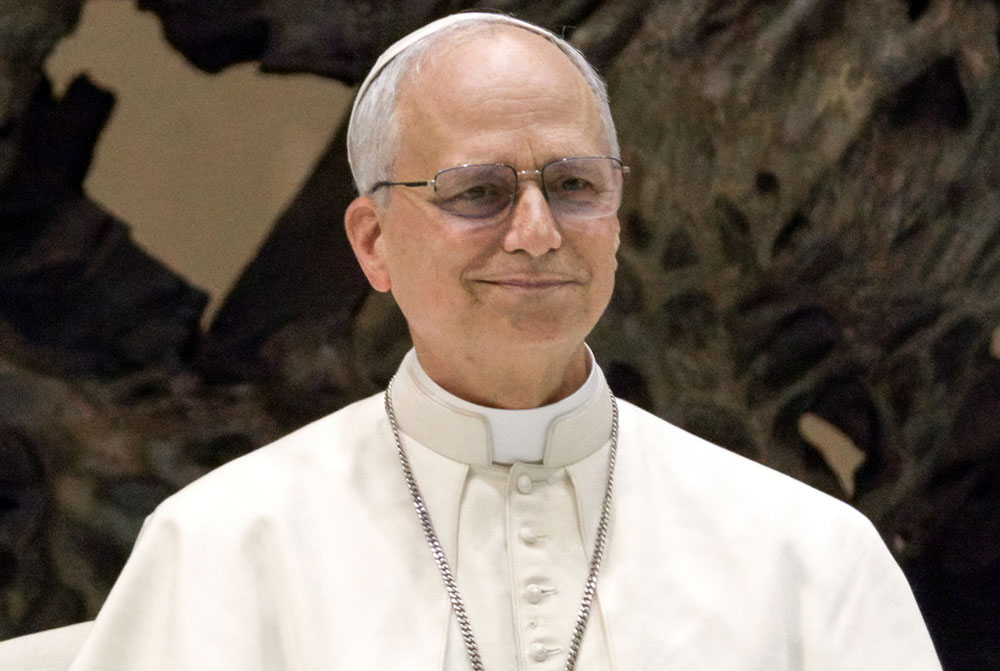
The rapid advancement of artificial intelligence has prompted a fresh warning from Pope Leo XIV, who says some decisions should never be handed over to algorithms.
The Pope made the remarks at his weekly audience in St Peter’s Square, where he addressed thousands of faithful and reflected on the impact of technology on modern human interaction.
While acknowledging that AI, social media and other forms of technological development can reduce barriers and connect people across great distances, he said they also carry a risk of making human relationships increasingly virtual.
His particular concern was the possibility that society could become accustomed to allowing algorithms to determine matters that should instead be guided by human conscience.
“Ensuring that social relationships have real substance and personal depth” is one way the Christian community seeks to respond to this challenge, he said.
The comments come amid broader concerns about the direction of AI development. Recent security incidents, along with the growing ability of some AI systems to improve their own performance without human intervention, have intensified debate about the technology.
Another major question is whether companies and organisations within the AI sector are capable of regulating themselves effectively as the technology becomes more powerful.
The Pope has previously made AI a major focus of his public interventions. His first major document, the May encyclical “Magnifica Humanitas”, urged efforts to prevent AI from becoming a force that dominates humanity.
The Holy See has also become more active in calls for international rules governing AI, grounding its position in the protection of human dignity. Its initiatives have extended to discussions involving nuclear technology, culture and artistic creation.
The latest warning places the Vatican’s concerns within a wider debate over how humanity should balance the benefits of increasingly powerful AI with the need to keep important decisions under human control.
Pope Leo XIV Warns Against Letting AI Make Human Decisions
-

 Politics2 days ago
2027: Northern Lecturers Back Tinubu, ASUU Disowns Endorsement
-

 News3 days ago
Adeleke Orders Arrests After Associate Ajagungbade Is Reportedly Killed in Ife
-

 metro2 days ago
Police Arrest Mother Over Alleged Brutal Abuse of 7-Year-Old Girl in Anambra
-

 Sports1 day ago
‘I Was Never the Chosen One’ — Dembele Responds to Mbappe
-
 News2 days ago
Nwifuru Dismisses Cubana Chief Priest as ‘Attention-Seeker’
-

 Education1 day ago
JAMB Moves 2027 UTME Time — Here’s What Candidates Need To Know
-
 Politics2 days ago
2027: Sowore Promises ₦500,000 Minimum Wage, Free Education, 24-Hour Electricity
-
 metro2 days ago
Grand Chief Imam calls for professional communication structure for Rabitoh 1964