
metro
Why China is reluctant to fund Lagos’ fourth mainland bridge
Why China is reluctant to fund Lagos’ fourth mainland bridge
With an estimated population of over 22 million and a landmass of just 3,575 square kilometres, Lagos currently has Nigeria’s highest vehicle density, with about 1.2 million registered vehicles. This represents over 30 per cent of the country’s total vehicle population.
Over the years, traffic congestion in the state has gone beyond inconvenience to become a structural barrier to economic growth, mental well-being, and environmental sustainability. A 2023 study by the Danne Institute for Research, a not-for-profit trust, revealed that Lagos loses a staggering N4tn annually due to severe traffic congestion. The report underscores the urgent need for interventions to mitigate the economic and social toll on residents.
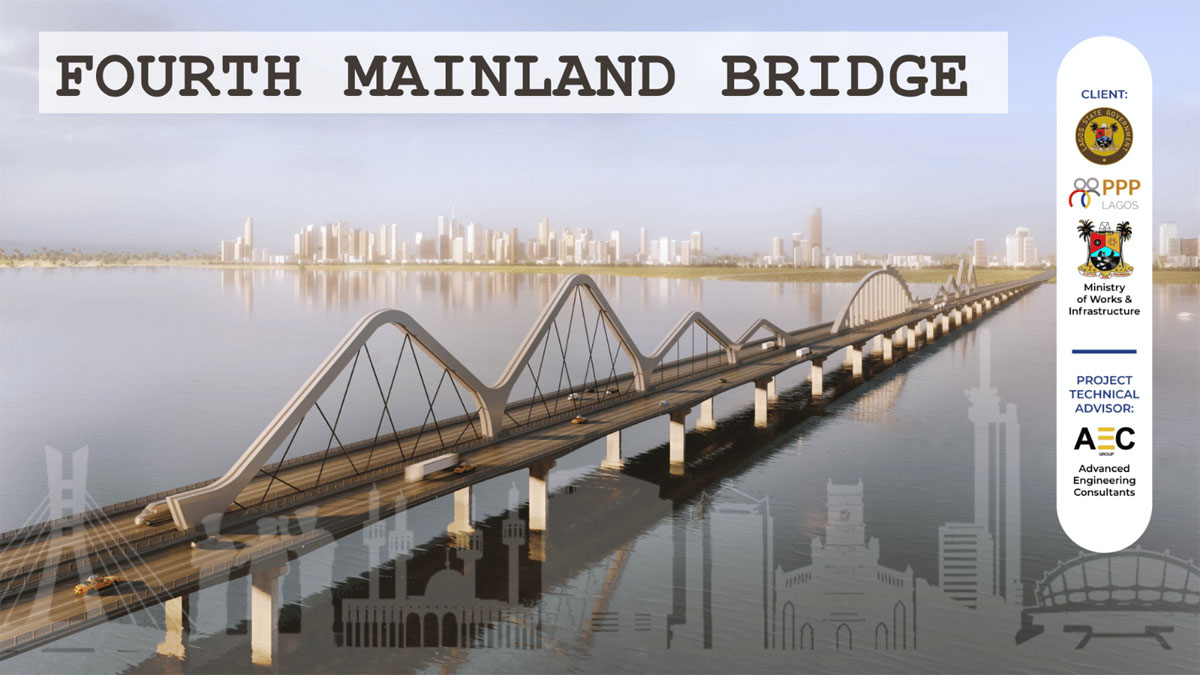
The proposed Fourth Mainland Bridge aims to ease the heavy traffic on the existing Third Mainland Bridge and other key routes such as the Carter and Eko bridges. It is also expected to stimulate economic growth by opening new areas for development through improved connectivity.
Construction was initially planned to begin in the first quarter of 2024, with completion slated for 2027 — before the end of Governor Babajide Sanwo-Olu’s tenure. However, execution has stalled. The project is structured as a public–private partnership (PPP), a long-term arrangement between a government and private sector entities, where private capital finances public projects up front and recoups investment through revenue from taxpayers and/or users over time.
A consortium of China’s state-owned firms is the preferred bidder for the Fourth Mainland Bridge project. THE WHISTLER learnt that China is reluctant to undertake high-cost projects with long payback periods that would require substantial upfront investment and years to recover funds. Instead, China prefers projects with minimal risk — to build and be paid for the work directly.
In 2023, the Lagos State Government announced that it had secured over $1.3bn in partnership deals with the African Export-Import Bank and Access Bank for the bridge and related infrastructure, including the 2nd Phase of the Blue Line rail from Mile 2 to Okokomaiko. In January, Governor Sanwo-Olu revealed that financiers were requesting a sovereign guarantee — a commitment from the Federal Government to secure funding for the bridge.
he governor stressed that Lagos is cautious about its debt profile, particularly amid currency fluctuations.
“We have looked at the financial sustainability of Lagos. Any development you want to do at that scale and you are subnational, you need to be able to look at your sustainability ratios.
“Everybody that has raised funding to help us develop that project—that’s a $2bn project—they aree asking for a sovereign guarantee.
“They are asking for you to get a commitment from the central government. So, we have not been able to push that,” Sanwo-Olu explained during an interview on TVC.
READ ALSO:
- Alleged Killing of Christians: Don’t test Trump, U.S. Rep, War Secretary warn Tinubu
- Police prosecute masquerade, group leader for assault, extortion in Akwa Ibom
- Reps consider bill to pay ₦3,500 daily wage to rural workers
A consortium of China Civil Engineering Construction Corporation (CCECC) and China Railway Construction Investment Group (CRCCIG) is the preferred bidder for the Fourth Mainland Bridge PPP.
The Lagos State Government announced the CCECC-CRCCIG Consortium as the preferred bidder in December 2022.
The bidding process began in November 2019, with 52 responses received, out of which 32 were deemed responsive.
According to the former Special Adviser to the Governor on PPPs, Ope George, after evaluating the Request for Quotation (RFQ), six bidders advanced to the Request for Proposal (RfP) phase, with CCECC-CRCCIG eventually selected as the preferred bidder.
“You will recall that the Lagos State government commenced a Competitive Bidding process for the selection of a Concessionaire, by the issuance of the Request for Expressions of Interest (REOI) on 27th of November, 2019. A total of 52 responses were received with 32 being responsive,” George explained during a briefing.
“Subsequently, a Request for Quotation (RFQ) was issued on 10th February 2020 to the 32 eligible applicants and responses were received on 15th April, 2020 with a total of 15 responses. Upon evaluation, six bidders met the criteria to progress to the Request for Proposal (RfP) stage.”
George added that while the CCECC-CRCCIG Consortium emerged as the preferred bidder, the Mota-Engil (Nigeria & Africa), CCCC & CRBC Consortium was named the reserved bidder.
The PPP agreement includes a 40-year concession for the operator to run and maintain the bridge in order to recoup its investment.
China’s Real Estate Crisis
China’s real estate sector is in distress, with property prices on a downward spiral for the past four years. The sector, a key contributor to China’s GDP, has suffered a major downturn, leading to reduced revenues from land sales, higher costs from stimulus measures, and slowing economic growth. This has caused financial instability and strained local government finances.
The crisis has also affected the global economy — weakening trading markets, raising risks for foreign investors, and stressing the international monetary system. To address the problem, the Chinese government has introduced measures such as re-lending to commercial banks, lowering down-payment thresholds, reducing mortgage rates, and loosening qualification criteria for first-time buyers.
A PPP expert and Chairman of Altra Capital, John Davie, said the real estate crisis is dampening China’s appetite for investment risks overseas.
He noted that the Fourth Mainland Bridge project carries significant risks and that China’s domestic economic challenges are influencing its decisions abroad.
READ ALSO:
- FG seeks fresh $1bn World Bank loan
- Mass stabbing on UK train leaves nine with life-threatening injuries
- FG moves to end doctors’ strike with N11.9bn arrears payment, mass recruitment drive
“China’s domestic demand remains weak due to a struggling property market and low consumer confidence which is putting strains on its willingness to take risks overseas, and the Fourth Mainland Bridge PPP does have huge risks attached,” Davie told THE WHISTLER.
“With China’s real estate sector trapped in a four-year crisis of oversupply and developer bankruptcies, local governments facing a mountain of debt, and consumers tightening their belts as unemployment rises, the government’s reliance on industrial investment amid the downturn is coming home to roost.”
Need For A Sovereign Guarantee
Davie explained that the Fourth Mainland Bridge project carries a high-risk profile and therefore requires a sovereign guarantee for execution.
He said that because the project has a long concession period, its financial returns are uncertain and not significantly better than its risks.
“The project is a very expensive piece of infrastructure with a concession period of 40 years, which suggests that it is not a clear winner financially. Many bridge PPPs are for 20 – 25 years so 40 years means the income is not as secure as it should be,” he said.
Davie noted that sovereign guarantees are often needed in Nigerian PPPs to attract private investment by mitigating risks that private investors cannot bear alone.
“Among these is the real issue of currency fluctuations on large long term projects which will require international finance; in this case Chinese investment – estimated to cost around $2.5bn which is unprecedented at this scale for a sub-national entity in Nigeria and potentially all of Africa,” he said.
It remains unclear what type of sovereign guarantee the Chinese are requesting for the Fourth Mainland Bridge. However, large PPP projects are typically financed through a Project Finance model.
A PPP expert, Dr Chukwuma Katchy, explained that in Project Finance, there is no collateral — if the project fails, the lenders lose their money. Therefore, lenders usually demand performance guarantees such as Demand Risk and MAGA (Material Adverse Government Action) guarantees.
He described a guarantee as an explicit additional layer of protection ensuring that certain obligations in the PPP contract will be honoured by the government or that damages will be paid.
“In reality, nobody can accurately predict the future, and so it is practically impossible for any reputable lender to finance a project without any form of guarantee, such as a performance guarantee,” Chukwuma told THE WHISTLER.
“Demand Risk guarantee simply requests the government to pay the difference between the estimated demand and actual demand if the actual demand falls below the estimated demand.”
He cited the Sydney Cross City Tunnel in Australia — a PPP project commissioned in 2005 — which had an estimated demand of 90,000 cars per day but recorded only 45,000, leading to bankruptcy within two years.
READ ALSO:
- Alleged coup: N11bn found in detained military officer’s accounts
- JUST IN: PDP replaces Acting National Chairman amid ongoing power struggle
- EFCC suspends officials over alleged ₦10 million extortion of rapper Oladips
Chukwuma stressed that while sovereign guarantees cover all risks, they are not commonly used in PPPs except in fragile or conflict-affected states.
“Lenders will always require a Demand Risk guarantee for green field projects such as the Lagos Fourth Mainland bridge since a greenfield project is highly unpredictable. Lagos State Government should arrange with the Federal Government to provide a Demand Risk and a MAGA Risk Guarantees,” he added.
Bridge Background
The Fourth Mainland Bridge is a 37-kilometre structure with a design speed of 140 km/h. It will span from Abraham Adesanya in Ajah to the northwest, connecting to the Lagos-Ibadan Expressway through Owutu/Isawo in Ikorodu.
Proposed in 2006, the project is estimated to cost about $2.5bn. Upon completion, it is expected to be the longest bridge in Africa, featuring three toll plazas, nine interchanges, and a 4.5-kilometre lagoon crossing.
In May 2016, former Governor Akinwunmi Ambode signed a Memorandum of Understanding (MoU) with a consortium of firms and finance houses, including the Africa Finance Corporation (AFC), Access Bank, Julius Berger Nigeria Plc, Nigerian Westminster Dredging and Marine, J.P. Morgan, Hi-Tech Construction Limited, Eldorado Nigeria Limited, and Visible Asset Limited.
However, in May 2017, the government announced the cancellation of the deal, citing delays by the consortium in commencing the project.
Nigeria’s Debt To China
China is Nigeria’s largest bilateral creditor. According to data from the Debt Management Office (DMO) for Q1 2025, Nigeria owes China $5.16bn of its $6bn bilateral debt.
As of December 2024, the figure stood at about $5.3bn. France is Nigeria’s second-largest bilateral creditor, with $609m in loans.
Nigeria has obtained at least 17 Chinese loans for various capital projects and will continue servicing them until around 2038 — the maturity date for some of the loans.
In June 2020, the DMO reported that Nigeria’s borrowing from China stood at $3.121bn as of March 31, 2020, meaning the debt has risen by close to $2bn in five years.
PPP Challenges In Lagos
Past PPPs in Lagos have faced significant hurdles. A key example is the Lekki-Epe Expressway PPP, awarded in 2003. Although construction began in 2006, financial closure was not reached until two years later — a delay experts have described as a major flaw.
The project also faced strong public opposition to toll fees, as well as financial and regulatory challenges with the concession agreement. Consequently, the Lagos State Government eventually bought back the concession from the Lekki Concession Company (LCC).
This experience may explain China’s insistence on sovereign guarantees. Given the high-risk profile of the Fourth Mainland Bridge, the Federal Government is unlikely to provide such a guarantee at this time.
A Managing Consultant at James Daniel Consulting, Emeka Ibe, told THE WHISTLER that a sovereign guarantee is standard practice for a project of this magnitude.
He explained that since Lagos is a subnational entity, the Federal Government would need to provide a guarantee for the state.
“Lagos State Government is not Sovereign but a state of the Sovereign Nigeria, LASG government doesn’t have a central bank and all international payments must pass through CBN,” Ibe said.
“The request for a sovereign guarantee is a standard for international financiers in this type of project. This means that the Federal Government of Nigeria (Federal Ministry of Finance/ Debt Management Office will have to guarantee the Lagos State Government.”
Why China is reluctant to fund Lagos’ fourth mainland bridge









metro
Debate as OPM Pastor Marries Autistic Man to Older Woman

Debate as OPM Pastor Marries Autistic Man to Older Woman
The founder of Omega Power Ministries, Chibuzor Chinyere, has officiated the marriage of a young man living with Autism Spectrum Disorder to an older single woman, a development that has sparked widespread debate over consent, disability rights, and ethics in Nigeria.
The wedding, held on Sunday, March 29, followed days of intense backlash after the cleric made a viral appeal seeking a wife for the man, identified as Aboy Chibuzor.
According to the pastor, the groom—who lives with Autism Spectrum Disorder—was abandoned as a child at the church gate and has remained under his care. He explained that the man is non-verbal and dependent on assistance for daily activities, including feeding, bathing, and routine care, while his biological family remains unknown. Chinyere said the marriage was arranged to provide the man with companionship and long-term support, insisting that the intention was to improve his quality of life.
As part of the union, the pastor announced a series of financial and welfare packages for the couple, including a ₦10 million wedding gift, a house accommodation, and an overseas vacation, alongside a pledge of ₦20 million after 10 years. He also revealed that members of the church contributed additional financial support, further boosting the couple’s welfare.
READ ALSO:
- Jos Attack: Plateau Govt Declares 48-Hour Curfew After Deadly Assault
- Motoring World marks 30 years, set to rally industry leaders in Lagos
- Nigeria Police Reform: 222,000 Officers May Move to State Commands
The marriage comes after significant criticism from members of the public who described the initial proposal as demeaning to women and ethically questionable. In response, the cleric issued an apology, stating he “can never degrade any woman,” while maintaining that his actions were driven by compassion and responsibility for the man under his care.
Following the wedding, the pastor expressed optimism, noting what he described as early progress in the groom’s condition, including the ability to feed himself independently. He also expressed faith that the man could eventually speak, attributing the changes to divine intervention.
Despite the pastor’s assurances, the development has continued to raise serious concerns among observers and experts, particularly around the capacity for informed consent, the power dynamics between caregiver and dependent, and the absence of independent medical or legal evaluation. Critics argue that while individuals with autism have the right to relationships, proper safeguards must be in place to prevent exploitation.
The incident has reignited national conversations about marriage rights for persons with disabilities, highlighting the need for clearer legal frameworks that balance autonomy with protection. As discussions continue, many stakeholders are calling for stronger oversight and guidelines to ensure that vulnerable individuals are not placed at risk under the guise of care or support.
Debate as OPM Pastor Marries Autistic Man to Older Woman
metro
Jos Attack: Plateau Govt Declares 48-Hour Curfew After Deadly Assault
Jos Attack: Plateau Govt Declares 48-Hour Curfew After Deadly Assault
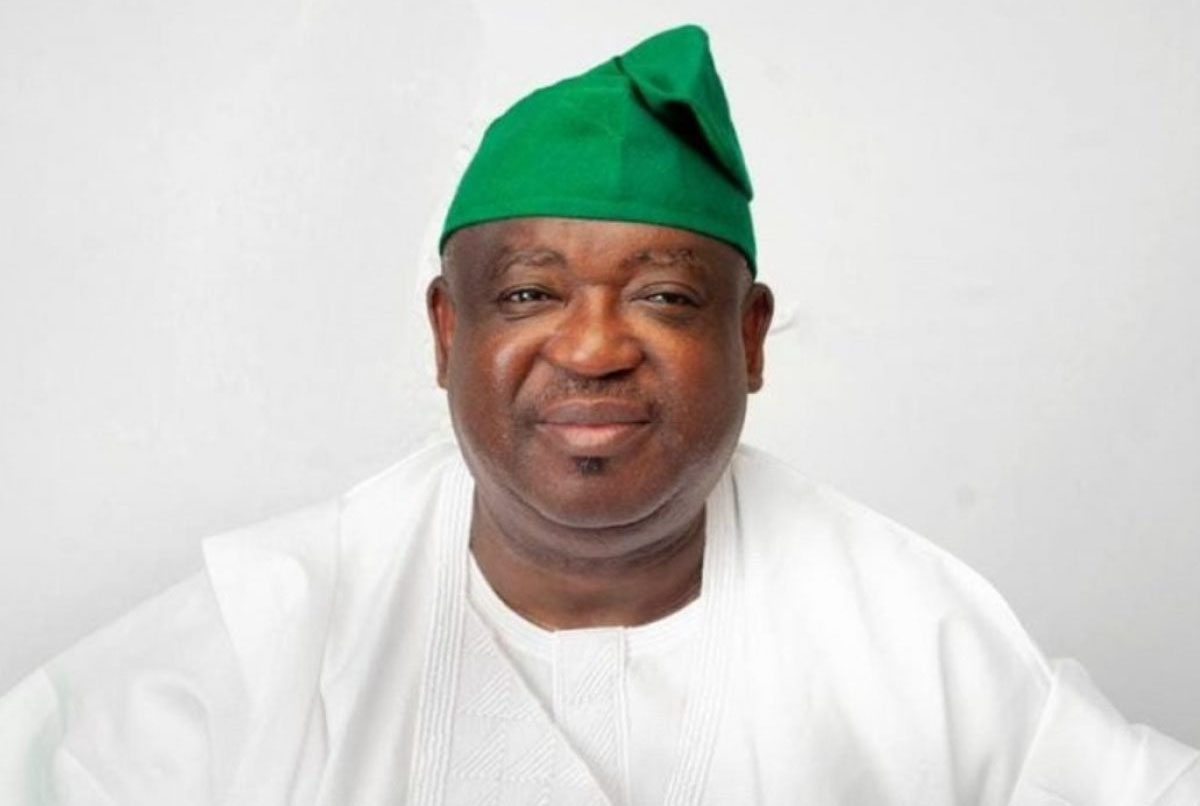
The Plateau State Government has imposed a 48-hour curfew in Jos North following a deadly terror attack in Jos that claimed several lives and left many others injured.
The curfew, which began at midnight on March 29 and will run until April 1, was announced by the State Commissioner for Information and Communication, Joyce Ramnap, as part of urgent steps to contain the situation and restore order.
The decision comes after suspected terrorists launched a coordinated assault on Gari Ya Waye community in Angwan Rukuba, an area within Jos, on Sunday evening.
Eyewitnesses said the attackers, riding on motorcycles, stormed the area at about 7:30 pm, opening fire indiscriminately on residents who were going about their normal activities. The sudden gunfire caused panic, forcing many to flee, while others were caught in the violence.
Although the exact number of casualties is yet to be officially confirmed, multiple residents were reportedly killed, with several others sustaining injuries. Homes and properties were also affected in the attack.
READ ALSO:
- Motoring World marks 30 years, set to rally industry leaders in Lagos
- Nigeria Police Reform: 222,000 Officers May Move to State Commands
- Iran Threatens US-Linked Universities in Middle East Amid Escalating Tensions
Describing the incident as a “barbaric and unprovoked attack,” the Plateau State Government said the curfew in Jos North is necessary to prevent further violence, enable security agencies to regain control, and protect lives and property.
Under the directive, residents are required to stay indoors throughout the curfew period, except for essential services operating under strict security supervision.
Security has since been reinforced across the area, with the Nigeria Police Force, military, and other agencies deploying additional personnel. Authorities have launched intelligence operations, stop-and-search checks, and patrols to track down those responsible for the attack.
The government has urged residents to remain calm, cooperate with security operatives, and provide credible information that could assist ongoing investigations.
Officials also extended condolences to families of victims, assuring that efforts are underway to ensure justice is served.
The latest incident underscores growing concerns over security in Plateau State, as communities continue to grapple with recurring violence. Analysts say sustained security presence and improved intelligence gathering will be key to preventing further attacks.
Jos Attack: Plateau Govt Declares 48-Hour Curfew After Deadly Assault
metro
Nigeria Police Reform: 222,000 Officers May Move to State Commands
Nigeria Police Reform: 222,000 Officers May Move to State Commands
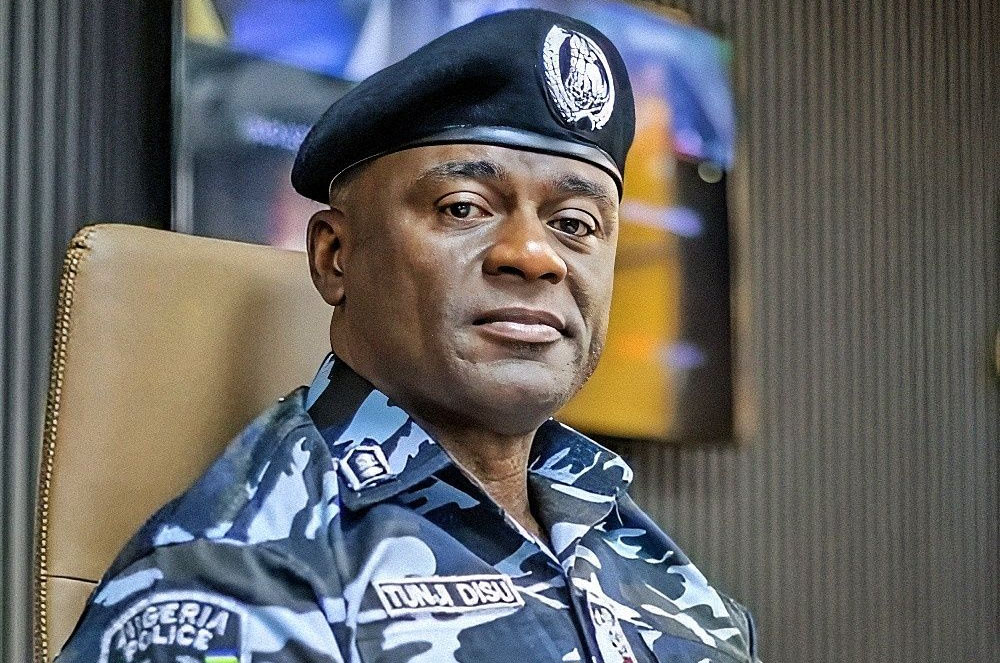
Nigeria is on the verge of a historic overhaul of its policing structure following a recommendation by a committee set up by the Inspector-General of Police, Tunji Disu, proposing that 60% of Nigeria Police personnel be transferred to State Police Services (SPS).
The proposal, submitted to the Senate Committee on the Review of the 1999 Constitution chaired by Barau Jibrin, forms part of a broader plan to decentralise law enforcement and improve grassroots security across the country.
Nigeria currently has an estimated 370,000 police officers serving over 200 million people, translating to a ratio of one officer to about 600 citizens—significantly below the standard recommended by the United Nations. If implemented, the reform would see roughly 222,000 officers redeployed to state police formations, while 40% remain under a restructured federal system.
The 75-page document, presented by committee chairman Olu Ogunsakin, outlines a two-tier policing system consisting of a Federal Police Service (FPS) and 37 State Police Services across the federation and the Federal Capital Territory.
Under the proposed framework, the Federal Police Service would focus on national security, terrorism, and interstate crimes, while the State Police Services would handle local crimes such as armed robbery, homicide, domestic violence, and community policing.
READ ALSO:
- Iran Threatens US-Linked Universities in Middle East Amid Escalating Tensions
- Iranian Strike on Saudi Base Damages US Spy Plane, Injures 12 Troops
- Kwankwaso Resigns from NNPP, Signals Political Realignment
A key component of the transition is the introduction of a Voluntary Transfer Programme (VTP), which allows officers to move to their home states or preferred commands without losing benefits. Incentives include a three-month salary grant, specialised training, and pension continuity guarantees.
The report places strong emphasis on community policing, recommending the establishment of Community Policing Forums in all Local Government Areas, involving traditional rulers, youth groups, women’s organisations, and religious leaders. Officers assigned to communities would be expected to understand local languages and be evaluated based on community feedback.
To prevent abuse—particularly concerns that governors could misuse state police for political purposes—the committee proposed multiple safeguards. These include independent State Police Service Commissions, State Police Ombudsmen, judicial oversight, and criminal sanctions for unlawful orders. It also recommends the use of body-worn cameras and public dashboards to track police conduct and accountability.
At the national level, a National Police Standards Board (NPSB) would be created to regulate recruitment, training, operations, and discipline across both federal and state police systems, ensuring uniform standards nationwide.
Funding for the proposed structure would come from a State Police Fund, backed by a 3% statutory allocation from the Federation Account and a minimum 15% contribution from state governments’ security budgets.
The framework also outlines a five-year (60-month) phased implementation plan, beginning with constitutional amendments, followed by the establishment of state police institutions, gradual transfer of personnel, and eventual full operational consolidation.
Despite the detailed framework, the proposal has generated mixed reactions among security experts. Supporters argue that state police in Nigeria will enhance intelligence gathering and local responsiveness, while critics warn of political interference, funding inequalities, and coordination challenges between federal and state forces.
If adopted, the reform would mark a significant shift from Nigeria’s centralised policing system to a decentralised model aimed at addressing the country’s persistent security challenges.
Nigeria Police Reform: 222,000 Officers May Move to State Commands

-

 metro2 days ago
Tragedy in Aramoko: Trailer Rams Residential Building, Kills 300‑Level Student
-

 News2 days ago
Final Notice: FG Orders Civil Servants to Complete PASGA Verification by March 31
-

 metro3 days ago
El-Rufai’s Mother, Hajiya Umma, Dies Amid Son’s Legal Battle
-

 Entertainment2 days ago
Nollywood Actress Declares Love for Ibrahim Chatta, Offers to Pay Her Own Dowry
-

 Entertainment3 days ago
Gospel Singer Onos Brisibi Dies at 55 After Prolonged Illness
-
 metro3 days ago
Report Reveals Late Herbert Wigwe Owned 106 Prime London Properties
-

 Entertainment2 days ago
Streamer Peller Escorted Out of Alake of Egbaland’s Palace in Abeokuta
-

 International2 days ago
Iranian Missiles, Drones Strike US Air Base in Saudi Arabia