

Politics
2027 Lagos gov race: Opposition heightens against Seyi Tinubu, Obasa

2027 Lagos gov race: Opposition heightens against Seyi Tinubu, Obasa
GOVERNOR Babajide Sanwo-Olu of Lagos State still has 30 months to serve, but the polity is already charged as potential aspirants eyeing his seat embark on exploratory footwork.
Those considered to be aspiring for the Alausa Round House on the platform of the ruling All Progressives Congress, APC, include President Bola Tinubu’s son, Seyi Tinubu; serving Speaker of the Lagoa State House of Assembly, Hon Mudashiru Obasa; immediate past Lagos Governor, Akinwunmi Ambode; and Senator Tokunbo Abiru
The main opposition People’s Democratic Party, PDP, 2023 Candidate, Abdulaziz Olajide Adediran (Jandor); and his Labour Party, LP, counterpart, Gbadebo Rhodes-Vivour, are still nursing the ambition of governing the state.
Factors that will shape who emerges the candidates of the leading parties and winner of the poll proper include the choice of President Tinubu, indigeneship, religion, zoning, and Governor’s Advisory Council, GAC, of the APC among others.
Religious card
Sanwo-Olu, a Christian succeeded Akinwunmi Ambode, another Christian. By 2027, Christians would have been in the saddle for 12 straight years, which is four years short of the 16 years that Asiwaju Bola Tinubu and Babatunde Fashola (who are Moslems) spent.
Thus some are angling for Ambode’s return to complete 16 years for Christians before power returns to Moslems in the state.
Currently, Seyi Tinubu has been receiving a series of endorsement from many groups just as Obasa, the longest serving Speaker of Lagos said he is not too young or inexperienced to run.
READ ALSO:
- Abuja court remands 109 foreigners for cybercrime
- Farooq Kperogi: Petrol is cheaper in Atlanta than in Nigeria
- Customs boss warns car buyers: Nigeria now preferred destination for stolen vehicles
Indeed, some of those who stepped down their ambition in 2023 to allow Sanwo-Olu complete his second term, are angling to succeed the governor.
2023 power-play
With the benefit of hindsight, Sanwo-Olu’s emergence as governorship candidate in 2019 came as surprise to many after the ouster of the incumbent Governor Ambode by the power bloc in the APC led by the Jagaban himself, now President Tinubu.
Sanwo-Olu emerged as a consensus candidate after Tinubu’s endorsement. The rest is history.
2027 Lagos gov race: Opposition heightens against Seyi Tinubu, Obasa
Vanguard








Politics
2027: Obi Makes U-Turn, Vows to Restore Fuel Subsidy If Elected
2027: Obi Makes U-Turn, Vows to Restore Fuel Subsidy If Elected
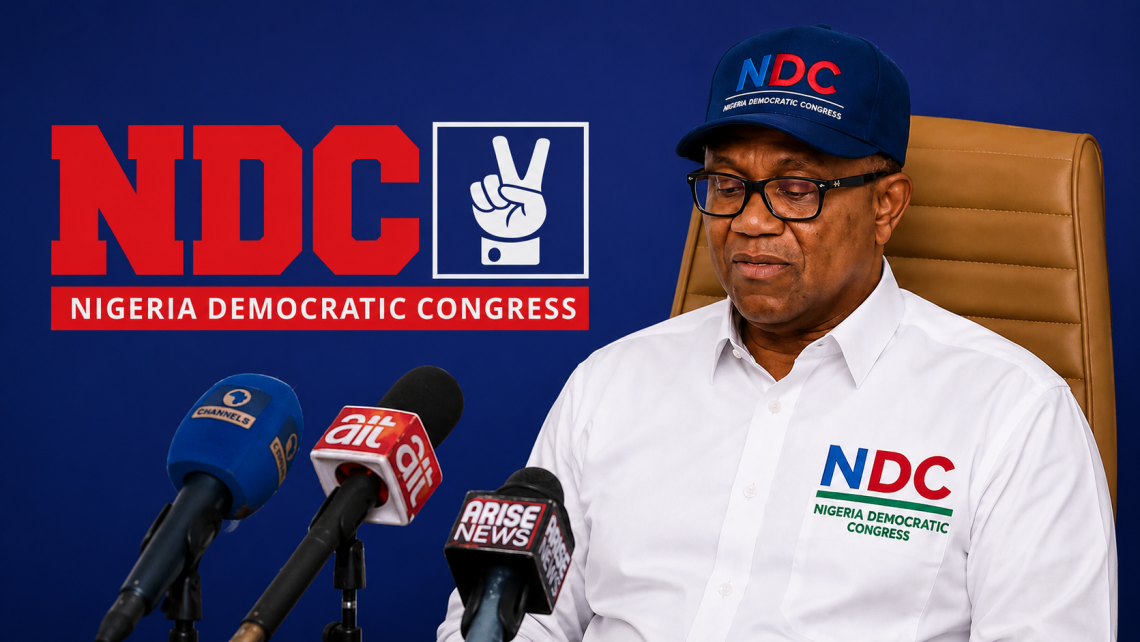
Peter Obi, presidential candidate of the Nigeria Democratic Congress (NDC), has said he would restore Nigeria’s petrol subsidy if elected president in 2027, arguing that the major problem with the policy is the corruption surrounding its implementation.
Obi made the declaration during a recent interview with the BBC, where he was asked directly whether he would bring back the subsidy if elected.
“Yes. But remember, I have qualified it, not with the corruption that’s associated with it. I’ll remove the corruption and retain the subsidy,” he said.
The position marks a significant shift from comments Obi made in August, when he said the removal of fuel subsidy should not be reversed simply because proceeds from the policy were allegedly being mismanaged.
Speaking at the Nigerian Bar Association (NBA) Annual General Conference in Port Harcourt, Rivers State, Obi said at the time that he supported subsidy removal but argued that the savings should be properly invested in healthcare, education and other productive sectors.
“I subscribe, and I maintain that you need to remove subsidy. Mismanagement of the proceeds should not be the reason for not removing it,” he had said.
Obi has now drawn a distinction between the subsidy itself and what he describes as the corruption associated with the scheme.
READ ALSO:
- 2027: Galadima Alleges APC Offering N50m, N200m to Lawmakers to Step Aside
- ‘No Decent Wages, No Credible Elections’ — Sowore Threatens 2027 Boycott
- NSITF Exposes Fake Recruitment Scam, Warns Nigerians Against Fraudsters
“From day one, I’ve talked about subsidy. I talked about corruption; corruption is the problem of subsidy,” he told the BBC.
The latest position also comes shortly after his running mate, Rabiu Kwankwaso, said an NDC administration would introduce fuel subsidy in its own way if the party wins the 2027 presidential election.
Kwankwaso had argued that the party would seek ways to make petrol more affordable while improving domestic refining and petroleum production.
The fuel subsidy debate has remained a major political and economic issue since President Bola Ahmed Tinubu announced its removal on May 29, 2023.
The decision caused petrol prices to rise sharply and has remained a contentious issue amid concerns over inflation, living costs and household purchasing power.
The Federal Government has continued to defend subsidy removal as a necessary economic reform, while opposition politicians have proposed different approaches to reducing the impact of petrol prices on Nigerians.
Obi also addressed the question of opposition unity ahead of the 2027 election, rejecting suggestions that he should step aside for another candidate if opposition parties eventually agree to a consensus candidate.
“We don’t need to step down. We need to do the right thing,” he said, arguing that opposition parties should focus on mobilising more voters.
On corruption, Obi said his approach would begin with his own conduct and that of his family. He also contrasted his proposed leadership style with that of former President Muhammadu Buhari, saying he would exercise greater control over his administration if elected.
With the 2027 presidential election approaching, Obi’s renewed pledge to retain or restore fuel subsidy is expected to keep the policy at the centre of economic and political debates, particularly as parties present competing proposals on petrol pricing and the cost of living.
2027: Obi Makes U-Turn, Vows to Restore Fuel Subsidy If Elected
Politics
2027: Galadima Alleges APC Offering N50m, N200m to Lawmakers to Step Aside

2027: Galadima Alleges APC Offering N50m, N200m to Lawmakers to Step Aside
Buba Galadima, a chieftain of the Nigeria Democratic Congress (NDC), has alleged that the All Progressives Congress (APC) is offering millions of naira and vehicles to some opposition politicians and lawmakers to withdraw from the 2027 elections.
Galadima made the allegation during an appearance on Arise Television’s Prime Time, claiming that the alleged financial inducements were part of efforts to reduce opposition competition ahead of the elections.
According to him, members of State Houses of Assembly who agree to step aside for APC candidates are allegedly being offered N50 million, while members of the House of Representatives are allegedly being promised N200 million and a vehicle.
“Every member of the House of Assembly who agrees to forfeit his ticket for the APC candidate is currently being given N50 million, and members of the House of Representatives will be given N200 million with a car,” Galadima alleged.
He further claimed that some politicians had already withdrawn from the 2027 race after allegedly receiving the financial incentives.
Galadima also alleged that a woman from Zamfara State was coordinating the purported distribution of the money from a hotel in Abuja.
“There’s a lady from Zamfara State who is sharing the money in a hotel here in Abuja,” he alleged.
He further claimed that the woman had recently met with APC National Chairman Nentawe Yilwatda, allegedly presenting the names of candidates who had withdrawn from the contest.
READ ALSO:
- ‘No Decent Wages, No Credible Elections’ — Sowore Threatens 2027 Boycott
- NSITF Exposes Fake Recruitment Scam, Warns Nigerians Against Fraudsters
- Messi Reflects on Argentina Future: ‘I Would Like to Play Forever’
Galadima alleged that some of the politicians had written resignation letters and collected the money.
However, he did not provide publicly verifiable evidence during the interview to independently establish the alleged payments, identify the lawmakers involved or confirm the purported distribution arrangement.
The allegations come amid increased political realignment ahead of the 2027 general elections, with politicians moving between opposition parties and the ruling APC.
In recent months, the APC has received politicians from opposition parties, including candidates who withdrew from some State House of Assembly contests before joining the ruling party.
Galadima presented the alleged financial inducements as part of what he described as a broader strategy to reduce competition against APC candidates.
He also alleged that President Bola Tinubu and APC governors were uncomfortable with facing strong opposition candidates and wanted to ensure that APC candidates encountered limited competition in some constituencies.
Those claims remain allegations by Galadima and have not been independently established.
The NDC chieftain has remained vocal about opposition efforts ahead of the 2027 presidential election.
In September, Galadima said he was part of a group of opposition politicians working under the coordination of former Ekiti State Governor Kayode Fayemi to challenge Tinubu in the 2027 presidential election. Fayemi subsequently rejected the claim through his media team.
Galadima has also previously spoken about the NDC’s strategy for the 2027 election, including the party’s decision to zone its presidential ticket to the South.
The party has attracted prominent politicians, including former Anambra State Governor Peter Obi and former Kano State Governor Rabiu Kwankwaso, amid continuing political realignments ahead of the election.
Meanwhile, APC National Chairman Nentawe Yilwatda has previously rejected suggestions that the party uses financial incentives to influence political movements, saying politicians who joined the APC did so voluntarily.
The APC and Yilwatda have not publicly responded specifically to Galadima’s latest allegations that money and vehicles are being offered to lawmakers to withdraw from the 2027 elections.
The claims are therefore expected to fuel further debate over political defections, electoral competition and campaign financing ahead of the 2027 polls.
2027: Galadima Alleges APC Offering N50m, N200m to Lawmakers to Step Aside
Politics
‘No Decent Wages, No Credible Elections’ — Sowore Threatens 2027 Boycott
‘No Decent Wages, No Credible Elections’ — Sowore Threatens 2027 Boycott
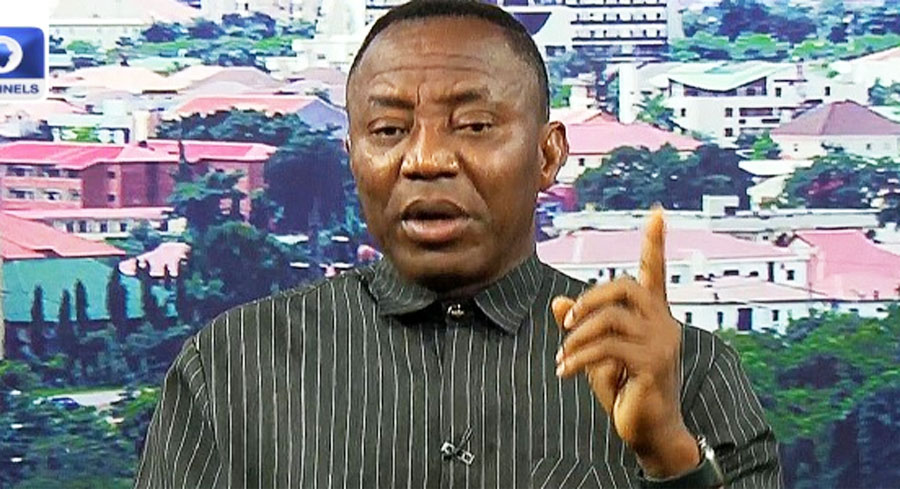
African Action Congress (AAC) presidential candidate Omoyele Sowore has threatened to join INEC workers in boycotting the 2027 general election if concerns over their pay and working conditions continue to be ignored.
Sowore made the statement while demanding a N500,000 minimum wage for Independent National Electoral Commission (INEC) workers, arguing that decent remuneration is essential to the integrity of the electoral process.
In a post on his verified X account, Sowore said electoral personnel entrusted with administering elections should not be expected to safeguard the process while receiving what he described as inadequate compensation.
“No decent wages, no credible elections,” Sowore declared.
He said INEC staff deserved a minimum wage of N500,000 and argued that electoral integrity should begin with decent working conditions and a living wage for those responsible for conducting elections.
“If these workers continue to be treated with contempt, I will join them in boycotting the 2027 elections,” he said.
Sowore also backed the right of electoral workers to organise and seek improved conditions of service, including through lawful industrial action.
READ ALSO:
- NSITF Exposes Fake Recruitment Scam, Warns Nigerians Against Fraudsters
- Messi Reflects on Argentina Future: ‘I Would Like to Play Forever’
- Seven Years With Parkinson’s: Man Seeks N65m for Brain Surgery in Türkiye
His comments followed remarks by INEC Chairman Joash Amupitan, who said the commission’s personnel were among the least-paid workers in the country.
Amupitan, speaking during a presentation on INEC’s preparations for the 2027 elections in Abuja, said the commission had begun taking steps to improve staff welfare and remuneration.
According to the INEC chairman, the commission had moved away from the conventional civil service payment structure, paving the way for separate electoral and salary structures.
He said better remuneration was necessary to strengthen accountability among personnel responsible for administering elections.
The commission has also been working on improved salary and welfare arrangements for its employees, members and Resident Electoral Commissioners as part of preparations for the next general election.
Sowore’s latest comments come as political parties and INEC intensify preparations for the 2027 general election.
The AAC candidate has previously confirmed his intention to contest the 2027 presidential election. His latest statement therefore amounts to a conditional boycott threat, rather than an announcement that he has withdrawn from the presidential race.
Sowore’s demand for N500,000 should also not be interpreted as a new INEC-approved minimum salary. The figure represents his proposed wage level for electoral workers.
The debate over the remuneration of electoral officials comes amid broader concerns about the working conditions of personnel responsible for conducting elections across Nigeria.
‘No Decent Wages, No Credible Elections’ — Sowore Threatens 2027 Boycott
-

 metro2 days ago
Tragedy Strikes FMC: Medical Director Loses Two Daughters—A Doctor and a Pharmacist—Within 48 Hours
-
 metro2 days ago
Transporters Urge IGP Disu to Arrest Illegal Highway Tax Collectors
-

 metro2 days ago
Army, DSS, Amotekun Kill ISWAP Commander Planning Attacks in Southern Nigeria
-
 Politics2 days ago
2027: Soludo Govt Accuses Peter Obi Of Plot To Destroy APGA
-
 metro2 days ago
Kidnappers torture abducted corps members, slash ransom to N100m
-

 News2 days ago
BREAKING: Many Feared Dead as Helicopter Crashes in Ondo Community
-
 metro3 days ago
Ojudu Reveals How Tinubu, He Narrowly Escaped Death In Third Mainland Bridge Crash
-

 metro2 days ago
Grand Chief Imam of Oyoland Urges Rabitah 1964 to Regulate ‘Yorubaland’ Islamic Titles