
metro
23 killed in Zamfara traders, vigilante group clash
A clash between Fulani traders and a vigilante group in Zamfara State has led to the death of about 20 persons.
The killings were said to have occurred at Dansadau in the Maru Local Government Area of the state as a reprisal for the death of three people at Ruwan Tofa and the rustling of cattle.
A report by The PUNCH, quoted a resident of the area, Mohammed Nuhu, as saying some bandits attacked Ruwan Tofa, killed three people, including a member of Yansakai, a proscribed vigilante group, and rustled cattle.
Nuhu said the rustled cattle were then put on sale at Dansadau Market, where the Yansakai members from Ruwan Tofa had coincidentally gone in search of the stolen animals.
He said the vigilantes were enraged when they saw the stolen cattle and killed at least 20 traders in the village.
“Immediately they sighted some cows, they became wild, saying they were the stolen animals and wanted to know who had brought them to the market,” he said.
“They were shown three Fulani people who claimed to be the owners of the animals; they killed them and reclaimed their cows.”
Another indigene of the area identified as Alhaji said all efforts to get security agents to come to their aid were frustrated.
“We have begged the government and security agents to come to our rescue, but up to this moment there are no security personnel in the whole area,” he said.
The Federal Government had banned mining activities in the Zamfara to curb the spate of banditry.










metro
Bauchi Reduces Working Hours for Civil Servants During Ramadan
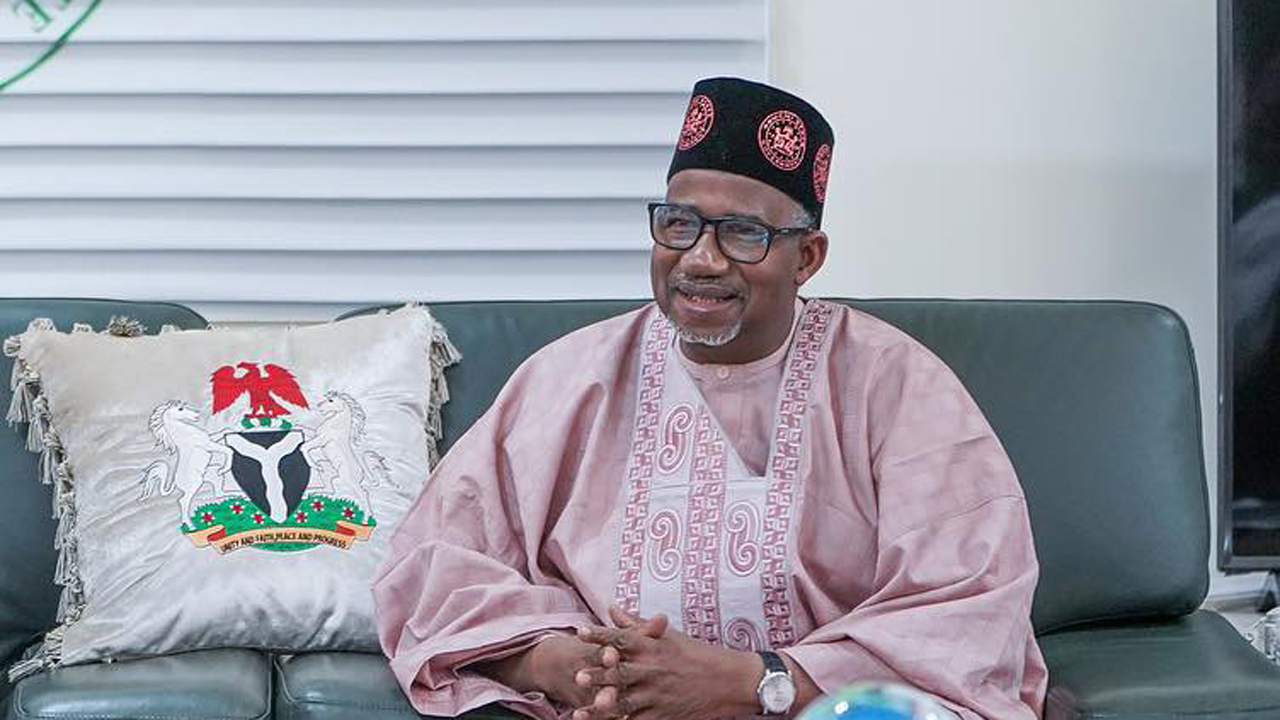
Bauchi Reduces Working Hours for Civil Servants During Ramadan
The Bauchi State Government has announced a reduction in working hours for civil servants during the holy month of Ramadan, aimed at accommodating fasting schedules and religious observances.
A statement issued by the State Head of Service, Dr. Yusuf Gidado, directed all civil service offices to adjust their working hours from 8:00 am to 2:00 pm throughout the month. The adjustment applies to both permanent and contract staff across all ministries, departments, and agencies.
Dr. Gidado urged civil servants to use the shortened working hours productively, maintain high performance, and continue delivering efficient public services to residents.
READ ALSO:
- E‑Transmission Alone Cannot Guarantee Free, Fair Elections – Shehu Sani
- Rosy Meurer Denies Snatching Churchill From Tonto Dikeh
- Gabon Suspends Social Media Over False Information, Cyber Threats
The government noted that the decision was part of its commitment to supporting employees during religious observances, ensuring they can fulfill both spiritual and professional duties without undue strain.
Officials also reminded staff to adhere to workplace regulations and maintain discipline despite the adjusted schedule, emphasizing that public service continuity remains a priority.
This move follows similar initiatives by other states in Nigeria that seek to balance work efficiency with religious observance during Ramadan.
Bauchi Reduces Working Hours for Civil Servants During Ramadan
metro
E‑Transmission Alone Cannot Guarantee Free, Fair Elections – Shehu Sani
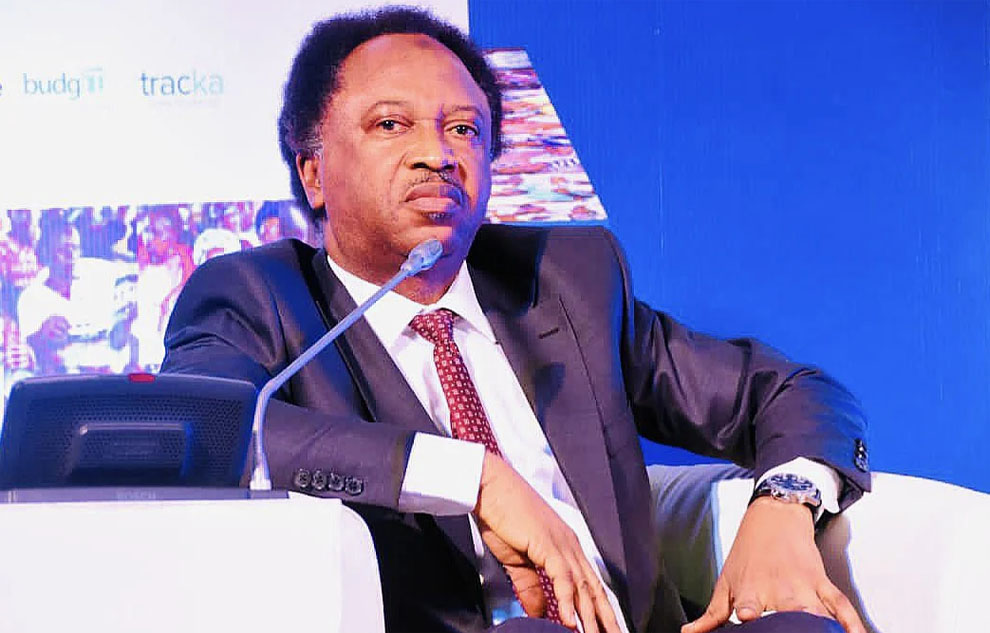
E‑Transmission Alone Cannot Guarantee Free, Fair Elections – Shehu Sani
Former Kaduna Central senator, Shehu Sani, has warned that electronic transmission (e‑transmission) of election results cannot, by itself, ensure free and fair elections in Nigeria, stressing the need for strong institutions, political will, and proper enforcement of electoral laws.
Sani made the remarks during an appearance on Sunrise Daily on Channels Television, where he reacted to the recent amendment of the Electoral Act by the National Assembly. Under the amendment, the Senate approved e‑transmission of results, while retaining manual collation as a backup system, a compromise that has generated widespread public debate.
According to Sani, while e‑transmission technology can improve transparency and accountability, it is not a panacea for electoral malpractice.
“Electronic transfer does not mean that we’re going to have 100% free and fair elections. There is no electoral system that those who intend to rig would not be able to circumvent. Now you have manual voting and electronic transfer of results,” Sani explained.
READ ALSO:
- Rosy Meurer Denies Snatching Churchill From Tonto Dikeh
- Gabon Suspends Social Media Over False Information, Cyber Threats
- BREAKING: Academic Activities Halted as ASUU Resumes Strike
He argued that the real determinant of credible elections is the intent and integrity of those managing the process. When authorities are genuinely committed to fairness, elections are credible. However, where manipulation is intended, loopholes will always be exploited.
Sani also highlighted vote-buying and voter inducement as major challenges. He noted that, despite laws against such practices, authorities lack the manpower to monitor every community effectively.
“You can have laws everywhere that voters should not be induced with money or material gifts, they will still do that, and we don’t have the manpower to ensure compliance in every nook and cranny,” he said.
The former lawmaker stressed that meaningful electoral reform must go beyond technology, including:
- Political will from leaders to respect electoral outcomes
- Strict enforcement of electoral laws
- Independent and well-resourced institutions like INEC
- Robust voter education and civic engagement
Experts and civil society groups have echoed Sani’s concerns, emphasizing that structural weaknesses, political interference, and poor electoral management remain major obstacles. While e‑transmission can enhance result integrity, it must be part of a comprehensive reform framework addressing all stages of the electoral process — from voter registration to result collation.
Sani’s remarks come amid national discussions on electoral reform and building public trust in Nigeria’s elections, especially ahead of the 2027 general elections.
E‑Transmission Alone Cannot Guarantee Free, Fair Elections – Shehu Sani
metro
Trump’s Executive Order Halts US Aid, 250,000 Lives Affected in Yobe
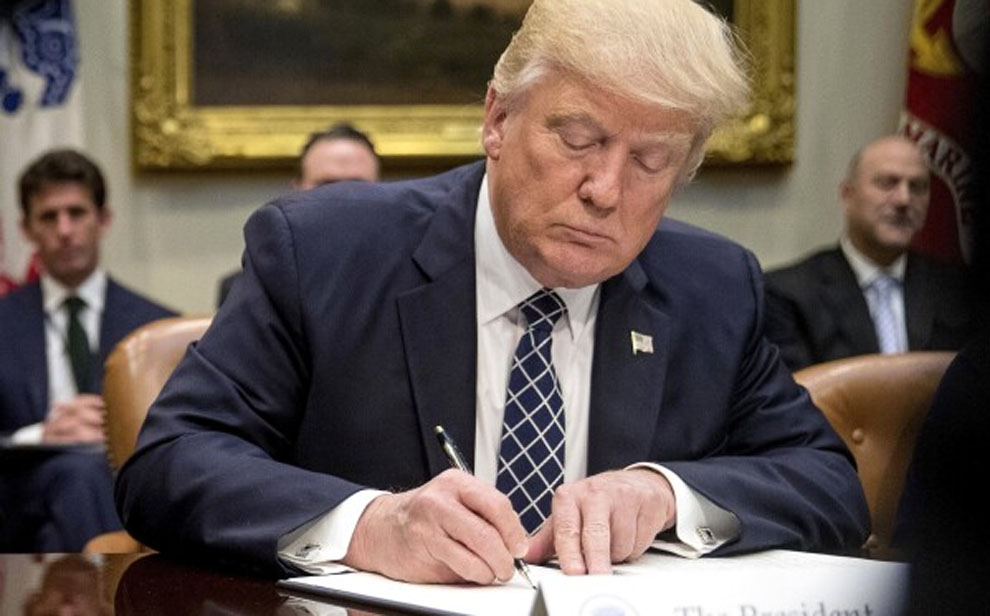
Trump’s Executive Order Halts US Aid, 250,000 Lives Affected in Yobe
The Yobe State Government has revealed that more than 250,000 people in the conflict‑affected north‑east have been severely impacted by the United States’ funding cuts, following an Executive stop‑work order signed by President Donald Trump in 2025. Authorities warn that the withdrawal of support has disrupted essential humanitarian operations, including food security, healthcare, protection services, and education.
Dr Muhammad Goje, Executive Secretary of the Yobe State Emergency Management Agency (YOSEMA), disclosed the figures during a breakfast show, describing the situation as “deeply concerning” for vulnerable communities. He explained that the United States had been the largest and most consistent donor for over a decade, supporting life-saving assistance in the BAY states — Borno, Adamawa, and Yobe.
According to Goje, the suspension of US aid has forced humanitarian agencies to consolidate operations, compete for limited resources, or withdraw entirely. Among the affected are approximately 13,000 out-of-school children, internally displaced persons (IDPs), survivors of gender-based violence (GBV), and other vulnerable populations dependent on healthcare, nutrition, and protection services.
READ ALSO:
- Four Northern Traders Killed, Shops Looted in Rivers Anti‑Northerners Protest
- Falana, Jibrin, Bugaje Lead Opposition to US Military Presence in Nigeria
- Insurgents Acquire 35 Drones as ISWAP Shifts to Aerial Attacks
In 2024, Nigeria’s Humanitarian Response Plan (HRP) requested US$926.5 million to assist 4.4 million people. About US$556 million was received, with the United States contributing roughly US$316 million, representing 57% of total humanitarian funding — making it the single largest donor. The sudden suspension has therefore created a major funding gap, threatening the continuity of critical programmes.
Dr Goje highlighted that food assistance, previously supporting 65,000 households monthly, has been curtailed following the aid freeze, with over 650 metric tons of food distributed each month by the World Food Programme (WFP) now unavailable. Across the north-east, more than 2,500 humanitarian workers have lost their jobs due to the funding cut, affecting thousands of dependent family members.
Authorities say the state government has begun implementing measures to mitigate the humanitarian impact, including mobilising local resources, improving coordination among agencies, and seeking alternative funding streams. However, officials acknowledge that domestic efforts cannot fully replace international aid, especially amid rising food insecurity, displacement, and health crises in the region.
Experts warn that the suspension of US support comes amid broader global aid reductions, leaving vulnerable populations at risk. Without renewed international assistance, millions of people across north-east Nigeria could face severe hunger, malnutrition, and lack of essential services, further deepening the humanitarian crisis.
Trump’s Executive Order Halts US Aid, 250,000 Lives Affected in Yobe

-

 News3 days ago
Osogbo Sons and Daughters Mark 5th Anniversary with Awards, Political Undertones
-

 News23 hours ago
Saudi Arabia Confirms Sighting of Ramadan Crescent, Fasting Begins Wednesday
-

 metro2 days ago
US Freezes Assets of Eight Nigerians Over Boko Haram, ISIL, Cybercrime Links
-

 News19 hours ago
Ramadan Begins in Nigeria as Sultan Confirms Crescent Sighting
-

 metro20 hours ago
Lagos Woman Shares Ordeal After Alleged Rape, Sparks Nationwide Outcry
-

 Entertainment2 days ago
Mystery in Lekki: Police Probe Death of Two Nollywood Crew Found Lifeless in Parked Car
-
 metro2 days ago
Terror in Lagos Traffic: Cutlass Gang Unleashes Mayhem on Mile 12–Ketu Road
-

 Auto2 days ago
Appeal Court Ruling on VIO Limited to Abuja, Not Lagos — LASG