

metro
42% of nurses in Africa love to migrate – WHO

42% of nurses in Africa love to migrate – WHO
The World Health Organisation (WHO) has raised an alarm as 42 per cent of nurses in Africa reported intentions to emigrate, posing a significant threat to the region’s already strained healthcare workforce.
Chikwe Ihekweazu, the acting WHO regional director for Africa, issued the warning in his message on Saturday, marking International Nurses Day.
Mr Ihekweazu highlighted that while the global nursing workforce had increased to 29.8 million, up from around 28 million in 2018, there were concerning disparities.
“Nearly 80 per cent of nurses serve only 49 per cent of the world’s population, underscoring severe inequities in healthcare delivery.
“Today, on International Nurses Day, we honour the commitment, compassion, and courage of nurses across Africa and the world.
“Nurses represent nearly 70 per cent of the health workforce and are the foundation of our health systems, essential every day and indispensable in times of crisis,” Mr Ihekweazu said.
READ ALSO:
- Anambra school sanctioned for selling head prefect position
- Renewed violence breaks in 4 Benue LGs, 23 killed
- NIMC raises NIN modification fee as birth date correction hits N28,574
Mr Ihekweazu pointed out that while recent investments in nursing education and training in Africa had shown positive results, the number of nurses had increased from 900,000 in 2018 to 1.7 million in 2023.
“This growth is a testament to the efforts made to improve healthcare staffing on the continent. However, in spite of these advancements, the nurse-to-population ratio remains one of the lowest globally, significantly lower than in high-income countries.
“This disparity highlights the ongoing challenges in addressing healthcare workforce shortages in Africa. Yet, this is still one of the lowest ratios worldwide and more than tenfold lower than in high-income countries,” he said.
He noted that nurses accounted for 66 per cent of Africa’s projected shortfall of 6.1 million health workers by 2030. This gap limited access to essential healthcare services and hindered progress towards universal health coverage.
Additionally, Mr Ihekweazu emphasised that despite 43 per cent of the nursing workforce in Africa being under 35, many nurses lacked access to mentorship or clear career pathways.
He also raised concerns about the continued recruitment of nurses from low-income countries by high-income nations, which relied heavily on foreign-born nurses, accounting for nearly 25 per cent of their nursing workforce.
The WHO official also highlighted a 43 per cent shortfall in health workforce financing in African countries, leading to widespread underemployment, particularly among nurses and midwives.
According to him, in May 2024, African leaders endorsed the Africa Health Workforce Investment Charter, paving the way for long-term improvements.
Mr Ihekweazu noted that some countries, like Zimbabwe, were taking steps to address the challenges.
“For example, Zimbabwe’s new Investment Compact aims to mobilise an additional $166 million annually over the next three years to strengthen its health workforce,” he said.
According to him, the annual report recommended nursing education, the introduction of advanced practice roles and the improvement of working conditions.
“In spite of women comprising 85 per cent of the nursing workforce, the gender pay gap remains at seven per cent,” he said.
Mr Ihekweazu ended by stressing the broader role of nurses: “Nurses are more than caregivers.”
42% of nurses in Africa love to migrate – WHO
(NAN)








metro
Trump Denies Offering Iran Sanctions Relief, Release of Frozen Funds
Trump Denies Offering Iran Sanctions Relief, Release of Frozen Funds
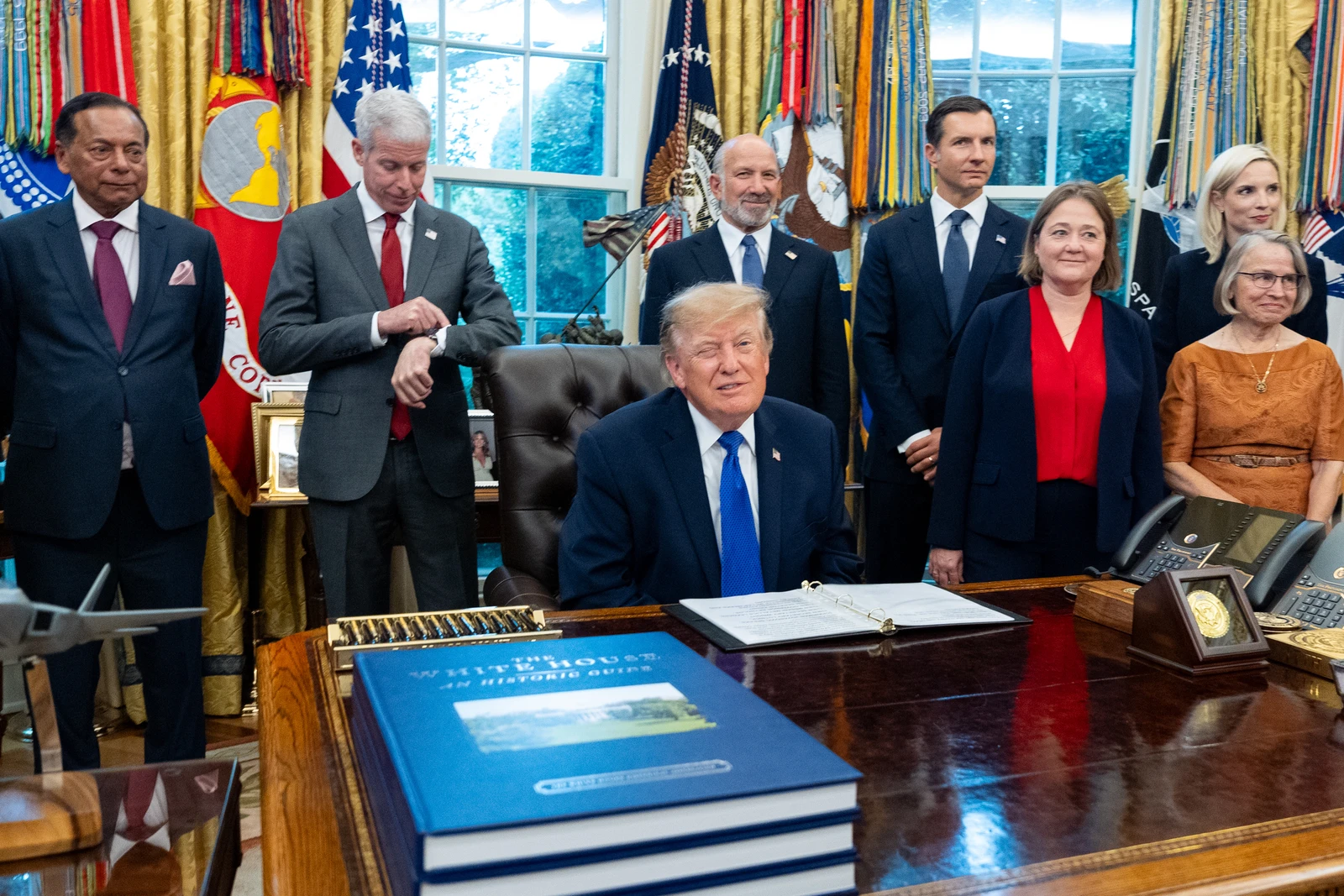
US President Donald Trump has denied reports that he offered Iran sanctions relief and access to frozen funds in exchange for concrete concessions on Tehran’s nuclear programme.
Trump rejected the reports on Monday, describing them as false after Axios reported, citing unnamed US officials, that his administration was willing to provide sanctions relief and release Iranian funds as part of a potential deal.
“This is untrue. I offered them NOTHING,” Trump wrote on Truth Social.
CNN separately reported, also citing an unidentified US official, that Trump was prepared to offer similar concessions if Iran demonstrated concrete progress on the nuclear issue.
The conflicting reports emerged as US and Iranian officials engaged separately with mediators in a renewed diplomatic effort aimed at ending the seven-month conflict between Washington and Tehran.
READ ALSO:
- Nigeria XI vs Guinea-Bissau: Awoniyi, Lookman, Adams Lead Super Eagles Attack
- Federal Workers Back N500 Petrol Demand, Threaten Three-Day Warning Strike
- NNPC Profit Rises to N7.2tn Despite Revenue Decline
Iranian President Masoud Pezeshkian has said Tehran is prepared to negotiate over its nuclear programme and other issues but would not accept what he described as pressure or coercion.
Iran maintains that it is not seeking nuclear weapons and insists it has the right to develop nuclear technology for peaceful purposes.
Iranian Foreign Minister Abbas Araghchi has also said that diplomacy remains the route to resolving the conflict, while Tehran has linked any reopening of the Strait of Hormuz to the fulfilment of conditions under discussion with mediators.
The Strait of Hormuz remains a major issue in the negotiations because it is a crucial route for global oil and liquefied natural gas shipments. Disruptions linked to the conflict have contributed to higher energy prices and increased concerns about global supplies.
Trump had rejected an earlier Iranian proposal concerning the reopening of the waterway, while Araghchi said Tehran was awaiting a formal response through mediators.
The latest disagreement over the reported sanctions offer adds uncertainty to the diplomatic efforts, with Washington and Tehran yet to announce a final agreement on the nuclear programme or the broader conflict.
Trump Denies Offering Iran Sanctions Relief, Release of Frozen Funds
metro
Federal Workers Back N500 Petrol Demand, Threaten Three-Day Warning Strike
Federal Workers Back N500 Petrol Demand, Threaten Three-Day Warning Strike
Federal workers have backed the demand by organised labour for a reduction in the pump price of petrol to N500 per litre, warning that they will join a proposed three-day warning strike if the Federal Government fails to address their concerns.
The Federal Workers Forum (FWF) announced its position in a communiqué issued on Tuesday, September 29, 2026, after an online general meeting of federal workers held on Sunday.
The workers said they unanimously supported the call by the Joint National Public Service Negotiating Council (JNPSNC) for the Federal Government to reduce the price of Premium Motor Spirit (PMS), commonly known as petrol, to N500 per litre.
The JNPSNC had given the Federal Government until September 30, 2026, to respond to its demands, which include a reduction in petrol prices, an immediate wage award and a review of salaries and allowances across the public service.
The Federal Workers Forum said its members were prepared to participate in the proposed three-day warning strike if the government failed to act.
The group also called for any reduction in petrol prices to be reflected in the prices of kerosene, diesel and cooking gas, arguing that high energy costs were contributing to the wider cost-of-living crisis.
READ ALSO:
- NNPC Profit Rises to N7.2tn Despite Revenue Decline
- Hamzat Clarifies Lagos Traffic ‘Lifestyle’ Remark After Backlash
- US Judge Blocks Trump From Tying Counterterrorism Grants to Election Rules
The workers said the current price of petrol was placing additional pressure on households through higher transportation, food and other living costs.
They also backed labour’s demand for an immediate Wage Award, which they said should be converted into a reasonable Cost of Living Allowance (COLA) to provide continuing relief to workers.
The forum argued that workers’ incomes had been eroded by rising prices and called for urgent measures to restore their purchasing power.
Beyond the immediate wage relief, organised public-sector workers are seeking the commencement of negotiations for a new National Minimum Wage ahead of January 2027.
The JNPSNC has proposed a minimum monthly salary of N500,000 for an officer on Grade Level 01, Step 1 under the proposed 2027 salary structure.
The council also wants salaries and allowances across federal, state and local government services to be harmonised and periodically reviewed in line with inflation.
The Federal Workers Forum had previously called for an upward review of the current N70,000 minimum wage, saying rising food, fuel, transportation and housing costs had reduced its purchasing power.
The workers also criticised reliance on food palliatives as a response to the economic hardship, arguing that a reduction in petrol prices would have a wider impact because transportation and the cost of moving goods are closely linked to fuel costs.
The forum urged Nigerians to support organised labour’s campaign for lower petrol prices and said federal workers should mobilise for any industrial action approved by labour leadership.
The group further backed proposals for greater use of Nigeria’s domestic refining capacity, including making crude oil available to local refineries in naira and expanding national petroleum storage capacity.
It said such measures could strengthen energy security, create economic value and reduce the country’s exposure to fluctuations in international oil prices.
The latest position by federal workers adds pressure to an already tense labour-government relationship as the September 30 deadline approaches.
However, the workers’ statement does not mean that a nationwide strike has already commenced. Their commitment is to participate in the proposed three-day warning strike if the labour leadership calls the action and the government fails to address the outstanding demands.
The Federal Workers Forum also expressed hope that President Bola Ahmed Tinubu would address the concerns in his forthcoming Independence Day broadcast.
The government’s response to the workers’ demands, particularly on petrol prices, wage relief and negotiations for a new minimum wage, is expected to determine the next steps by organised labour.
Federal Workers Back N500 Petrol Demand, Threaten Three-Day Warning Strike
metro
Hamzat Clarifies Lagos Traffic ‘Lifestyle’ Remark After Backlash

Hamzat Clarifies Lagos Traffic ‘Lifestyle’ Remark After Backlash
Lagos State Deputy Governor Obafemi Hamzat has clarified his controversial description of Lagos traffic as a “lifestyle”, saying the remark was taken out of context and was not intended as an endorsement of persistent gridlock.
Hamzat made the original comment while speaking at Podfest Naija 2026, where he discussed storytelling, the creative industry and how Lagos residents consume digital content during their daily journeys.
Using the experience of commuters on the Third Mainland Bridge as an example, Hamzat said traffic had become part of everyday life in Lagos. He also linked the long hours residents spend commuting to the growing consumption of podcasts, music, films and other digital content.
He specifically referred to journeys between Ojota and Obalende, suggesting that many Lagos residents listen to podcast episodes and consume other creative content while travelling through the city’s heavily congested roads.
The remarks generated criticism on social media, with some people interpreting the “lifestyle” description as an indication that the Lagos State Government considered traffic congestion a normal condition that residents should accept.
READ ALSO:
- US Judge Blocks Trump From Tying Counterterrorism Grants to Election Rules
- School Attack: 13-Year-Old Student Kills Teacher, Injures Two
- Bauchi Woman Arrested After Co-Wife Dies in Alleged Pestle Attack
Hamzat subsequently addressed the controversy, explaining that he was speaking about the relationship between Lagos traffic and the creative industry, rather than discussing the causes of congestion, road design or suggesting that traffic should be regarded as desirable.
He also questioned how his remarks had been connected to separate criticisms of the state’s traffic situation.
Hamzat said he decided to clarify the remarks after seeing how excerpts from his speech were interpreted on social media.
The controversy has nevertheless renewed discussion about the impact of Lagos traffic congestion on commuters, businesses and productivity.
Lagos remains one of Nigeria’s busiest urban centres, with long commuting times forming part of the daily experience for many residents, particularly along major routes during peak periods.
The deputy governor’s remarks also highlighted the opportunities created by the city’s large and diverse audience for podcasters, filmmakers, musicians, writers and other content creators.
His argument was that the time residents spend travelling has contributed to increased consumption of creative content, creating opportunities for the industry to reach audiences during daily commutes.
The Lagos State Government has continued to promote investments in rail transportation, waterways, road construction, junction improvements and intelligent traffic management as part of efforts to improve mobility across the state.
The debate has therefore shifted beyond the wording of Hamzat’s “lifestyle” remark to broader questions about Lagos traffic, urban mobility and the challenges faced by residents who spend significant time commuting.
Hamzat Clarifies Lagos Traffic ‘Lifestyle’ Remark After Backlash
-
 News3 days ago
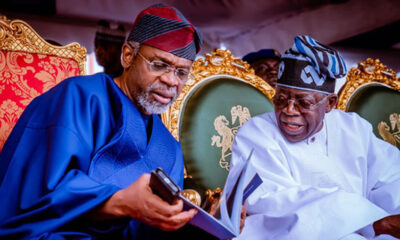
Fake Agency Scandal: Gbajabiamila Says He Never Betrayed Tinubu’s Trust
-

 International2 days ago
Iran Claims Capture of Second US Underwater Drone in Strait of Hormuz
-

 metro3 days ago
Woman Busted With Alleged Alcohol Hidden in Water Pack at Ogun Prison
-
 metro19 hours ago
Osogbo Food Bonanza Turns Nightmare as Discount Vendor Vanishes With Customers’ Millions
-
 News2 days ago
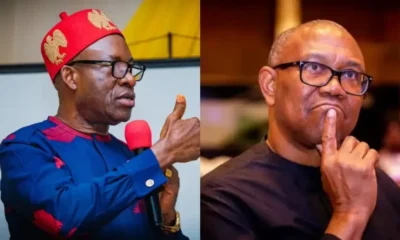
Anambra Govt Demands Unreserved Apology From Peter Obi Over Debt Claims
-

 metro1 day ago
24 Hours in Darkness: Iju Ishaga Residents, Businesses Count Losses as Ikeja Electric Fails to Restore Power
-

 metro2 days ago
Passenger Dies After Jumping From Moving Bus In Lagos
-
 Politics3 days ago
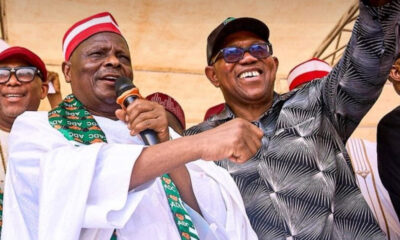
2027: NDC State Chairmen Reject Obi-Kwankwaso Movement’s Parallel Structures