
International
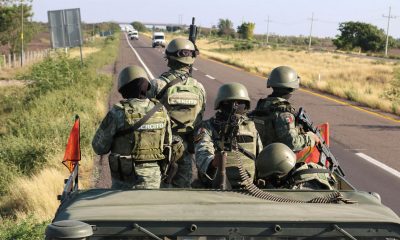
Dozens killed in bus crash in southern Mexico

Dozens killed in bus crash in southern Mexico
At least 41 people have died in an accident involving a bus in southern Mexico, the government in the state of Tabasco has said.
Images show the bus completely burned out after it was engulfed by flames following the collision which happened in the early hours of Saturday morning near to the small city of Escárcega.
Bus operator Tour’s Acosta said 48 passengers were onboard the vehicle – which had been travelling from Cancun to Tabasco – when it collided with a “trailer”.
Tour’s Acosta added it was “profoundly sorry about what happened” and said it was working with authorities to find out the cause, adding that the bus had been travelling within speed limits.
READ ALSO:
- Tsunami alerts cancelled after 7.6-magnitude earthquake in Caribbean
- Aregbesola meets with NNPP leader Kwankwaso in Lagos
- Man arrested for killing brother over foodstuff in Anambra
Reuters news agency reported that the government of Tabasco state said in a statement that 41 people had died, and recovery work was still ongoing.
“The public ministry has informed us that the investigation will be taking effect in the prosecutor’s office of the municipality of Candelaria, Campeche, for this reason the relatives of our passengers and friends will have to go to this department to perform the relevant procedures,” Tour’s Acosta said on Facebook.
The government state of Tabasco said recovery work is continuing – including efforts to identify those killed.
Authorities will give an update with details on the number of victims and their identities later on Saturday, said the secretary of government of Tabasco, Ramiro Lopez.
Local council Palacio Municipal de Comalcalco has said it will support the transfer of the bodies of the victims in the passenger bus accident.
Dozens killed in bus crash in southern Mexico












International
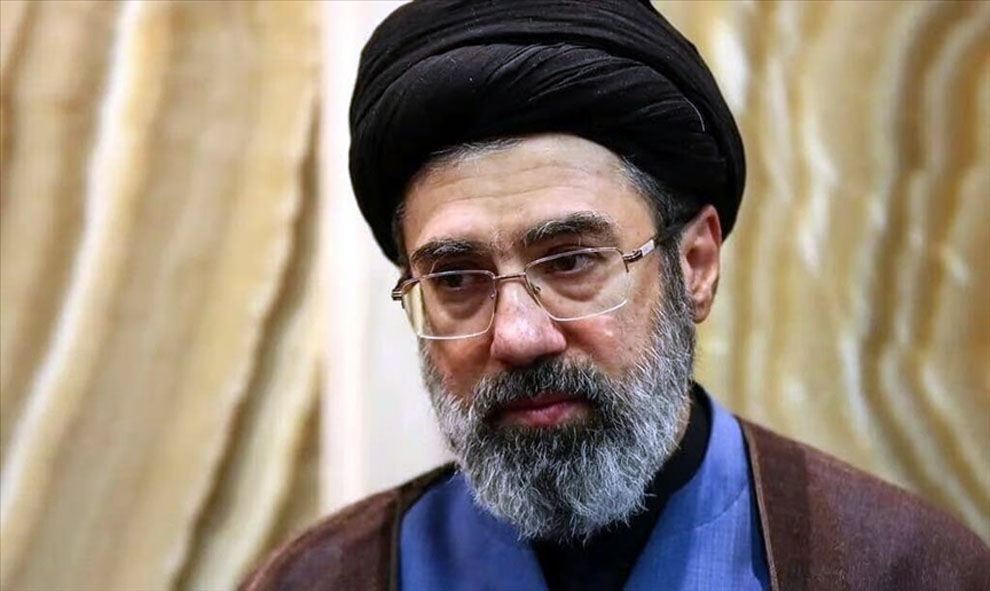
Iran to US: No Deal Unless We Keep Enriching Uranium & Controlling Hormuz
Iran to US: No Deal Unless We Keep Enriching Uranium & Controlling Hormuz
TEHRAN / WASHINGTON – Iran has drawn a firm red line under any future agreement with the United States: its right to enrich uranium is non-negotiable, and it alone will manage the strategic Strait of Hormuz. The declaration came Friday, directly contradicting assurances U.S. President Donald Trump reportedly gave to Israeli Prime Minister Benjamin Netanyahu.
Despite Trump’s claim that a draft deal has been approved at the “highest levels” in Tehran, Iranian state media insist that no final accord will be signed unless it explicitly preserves the Islamic Republic’s nuclear sovereignty and control over the Gulf’s critical oil and gas chokepoint.
Following weeks of indirect negotiations in Oman aimed at ending the war triggered by U.S.-Israeli strikes on Iran on February 28, a ceasefire took effect in April. However, sporadic violence has continued to threaten a return to all-out conflict. Now, as both sides finalize a 60-day negotiation window, Iran’s official IRNA news agency has outlined the country’s unyielding stance.
On the nuclear front, Iran insists its right to enrich uranium and retain existing stockpiles of enriched material will be “emphasised with a view to their inclusion in the final agreement.” This directly rebuts Israel’s claim that Trump promised to strip Iran of all enriched nuclear matter. Regarding maritime security, Tehran demands to maintain control over the Strait of Hormuz, including the right to grant or deny vessels passage. Since the war began, Iran has blockaded the waterway, allowing only a trickle of ships through after they obtain permission from Iranian armed forces. According to the Mehr News Agency, which published what it said was a draft memorandum of understanding (MoU), Iran assumes “no new nuclear obligations” and will not cede management of the strait or restore conditions that existed prior to the U.S.-Israeli military aggression.
READ ALSO:
- Sowore Collapses as Tear Gas Disrupts Democracy Day Protest in Abuja
- Oil Prices Slide as Trump Hints at Breakthrough in Iran Negotiations
- Driving 756km to watch soccer god, Messi
- Publicity Helps Terrorists, Not Victims — Reno Omokri Warns
While Trump told reporters a draft deal had been “brought to the highest level of Iranian leadership and approved,” the text circulating in Tehran includes demands that Washington has yet to publicly endorse. The draft MoU reportedly includes several key provisions. First, it calls for a “decisive end” to the conflict across all fronts, including Lebanon, rather than a simple extension of the fragile ceasefire. Second, it demands the release of **$24 billion** in Iranian assets held abroad, with half of that sum ($12 billion) required to be released before final negotiations can even begin. Third, it seeks a suspension of U.S. sanctions on Iranian oil and petrochemical sales, alongside a complete lifting of the U.S. naval blockade on Iranian ports that has been in place since April 13. Fourth, it includes a demand that the U.S. and its allies pay war reparations and present a $300 billion reconstruction plan for Iran. Finally, regarding the strait, the draft specifies that the waterway would be managed via a mechanism between Iran and Oman, with no role for the United States.
Prime Minister Benjamin Netanyahu’s office quickly pushed back against the Iranian narrative. After speaking with Trump, Netanyahu reiterated that the U.S. president had vowed any agreement would include the removal of all enriched nuclear material from Iran and the dismantling of its missile infrastructure. “As long as I am the Prime Minister of Israel, Iran will not have nuclear weapons,” Netanyahu said Friday.
On the streets of Tehran, the prospect of a deal has been met with wary skepticism. “I am not sure how I feel,” a 29-year-old cafe worker in the Iranian capital told AFP, speaking on condition of anonymity for fear of retribution. “The main purpose of this war was for the US to remove the system, and this did not happen. So what does a deal do?”
Despite Trump’s optimism—which has briefly boosted stock markets and lowered oil prices—Iran’s uncompromising stance on uranium enrichment and Hormuz control suggests that a final agreement is far from guaranteed. The next 60 days of indirect talks will determine whether the U.S. can accept Tehran’s conditions or if the region will slide back toward military confrontation.
Iran to US: No Deal Unless We Keep Enriching Uranium & Controlling Hormuz
International
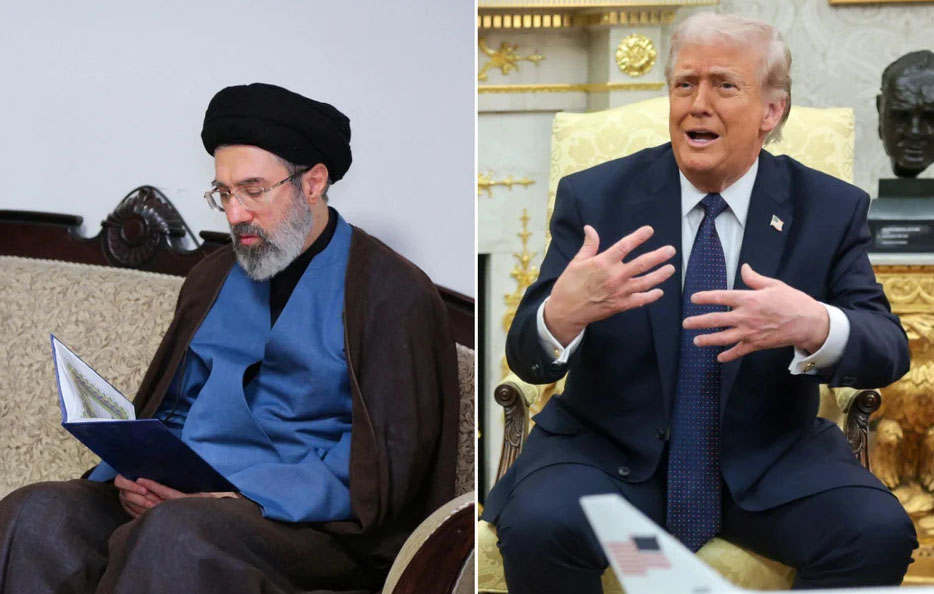
Oil Prices Slide as Trump Hints at Breakthrough in Iran Negotiations
Oil Prices Slide as Trump Hints at Breakthrough in Iran Negotiations
Global oil prices fell sharply on Friday after U.S. President Donald Trump indicated that negotiations with Iran were nearing a breakthrough, easing fears of a prolonged disruption to global energy supplies and boosting hopes of stability in the Middle East.
The decline saw Brent crude oil fall to about $87 per barrel, while West Texas Intermediate (WTI) traded around $84.50 per barrel. The drop came after several days of gains driven by escalating tensions between Washington and Tehran, which had pushed oil prices above the $90-per-barrel mark earlier in the week.
Speaking at the White House, Trump expressed confidence that diplomatic efforts were yielding results and suggested that a formal agreement with Iran could be reached in the coming days.
“We have essentially ended the war with Iran,” Trump said, adding that discussions were progressing toward a settlement that could significantly reduce tensions across the region.
The remarks marked a dramatic shift from previous statements by the U.S. president, who had earlier threatened military action against Iran and suggested possible strikes on key oil export infrastructure, including Kharg Island, the terminal responsible for handling most of Iran’s crude shipments.
The prospect of a diplomatic resolution immediately calmed energy markets, with traders reducing the geopolitical risk premium that had been built into oil prices since the crisis intensified.
READ ALSO:
- Driving 756km to watch soccer god, Messi
- Publicity Helps Terrorists, Not Victims — Reno Omokri Warns
- Mexico Defeat South Africa 2–0 in Chaos-Filled World Cup Opener
- NSCIA Rejects Claims Linking Nigerian Muslims to Banditry, Kidnapping
A major factor behind the market reaction was renewed optimism over the future of the Strait of Hormuz, one of the world’s most strategically important shipping lanes. The waterway serves as a critical route for nearly 20 percent of global oil and liquefied natural gas exports.
Concerns that conflict could disrupt shipping through the strait had fuelled fears of supply shortages and triggered a surge in crude prices over the past week. Trump’s latest comments, including suggestions that the passage could soon reopen fully to normal traffic, helped reverse those gains.
Despite the pullback, analysts caution that oil prices remain significantly above pre-crisis levels. Before tensions escalated, crude traded within the $70–$72 per barrel range. Market experts say prices are unlikely to return to those levels unless a comprehensive agreement is reached and normal oil flows through the Gulf are restored.
Iranian officials have also urged caution, noting that negotiations are still ongoing and that no final deal has been signed. The uncertainty means markets could remain volatile until concrete details emerge from the talks.
Energy analysts warn that any setback in negotiations or renewed threat to shipping in the Gulf could quickly push crude oil prices higher again. Conversely, a successful agreement could boost global supply, ease inflationary pressures, and provide relief for energy-importing countries struggling with high fuel costs.
Investors worldwide are now closely monitoring developments between Washington and Tehran, with the outcome expected to have significant implications for global oil markets, energy security, and the broader world economy.
Oil Prices Slide as Trump Hints at Breakthrough in Iran Negotiations
International
Trump Defends Rising Inflation, Says Prices Will Fall After Iran Conflict

Trump Defends Rising Inflation, Says Prices Will Fall After Iran Conflict
United States President Donald Trump has sparked fresh debate over the state of the American economy after declaring that he “loves” the latest inflation figures, even as US inflation climbed to its highest level in three years.
New data released by the US Bureau of Labor Statistics (BLS) showed that annual inflation rose to 4.2 per cent in May 2026, up from 3.8 per cent in April, marking the third straight monthly increase and the highest rate recorded since 2023.
The increase was driven largely by rising energy prices, with gasoline, electricity and other fuel-related costs surging amid ongoing geopolitical tensions involving the United States, Israel and Iran.
Reacting to the figures at the White House, Trump appeared unconcerned about the inflation spike.
“I love it. The numbers were great. You know what I really love? I love the inflation,” the president told reporters.
The remark quickly drew attention across political and economic circles, with critics arguing that millions of Americans continue to struggle with higher living costs. However, Trump later clarified that he was not celebrating rising prices but rather expressing confidence that inflation remained lower than many analysts had predicted despite global instability.
Speaking to the New York Post, Trump said the latest figures demonstrated the resilience of the US economy during a period of international conflict.
READ ALSO:
- TikTok Cracks Down on Harmful Content in Nigeria, Removes Over 4 Million Videos
- Senate Orders Police, DSS to Track Bandits Flaunting Cash on TikTok
- BREAKING: Trump Cancels US Strikes on Iran at Last Minute
“I love the inflation numbers because of what I’m talking about. The numbers are going to be phenomenal because what’s showing is that despite the fact that we’re in a war, the numbers are much lower than anticipated, and when we’re out of that war, the numbers will be at lower numbers than they were even before it started,” he said.
Trump maintained that inflationary pressures would ease significantly once tensions in the Middle East subside. According to him, oil prices are expected to decline sharply after the conflict ends, helping to reduce transportation, manufacturing and household energy costs.
“When this conflict is over, you will see oil drop to where it was before,” he told reporters.
The latest inflation report showed that energy costs accounted for a significant share of the increase in consumer prices. Government data indicated that fuel-related expenses contributed heavily to the overall rise, with gasoline prices recording one of the sharpest increases.
Data from the American Automobile Association (AAA) showed that the national average price of regular gasoline rose to approximately $4.15 per gallon, compared with about $2.98 per gallon in late February.
Analysts have linked the increase in fuel prices to disruptions in global oil markets and concerns surrounding the Strait of Hormuz, one of the world’s most important oil shipping routes. Any threat to oil exports through the waterway typically drives up crude oil prices and increases inflationary pressures across major economies.
Beyond energy, the Bureau of Labor Statistics reported higher costs for airline tickets, healthcare services, communication services, recreation and other consumer goods and services.
The inflation increase presents a fresh challenge for the US Federal Reserve, which has a long-term inflation target of 2 per cent. Rising inflation often raises expectations that the central bank could maintain higher interest rates or introduce additional measures aimed at slowing price growth.
Financial markets are now closely watching upcoming policy decisions from the Federal Reserve as officials assess whether current inflation pressures are temporary or likely to persist.
The issue is also expected to become a major political talking point ahead of the upcoming US midterm elections, with inflation, fuel costs and affordability remaining among the top concerns for American voters.
Although current inflation remains well below the 9.1 per cent peak recorded in 2022, economists remain divided over the outlook for the coming months. While some believe easing geopolitical tensions could bring prices down, others warn that continued disruptions in global energy markets may keep inflation elevated for longer than expected.
For now, the latest data underscores the continued influence of energy prices on the US economy and sets the stage for a renewed debate over inflation, interest rates and economic policy in the months ahead.
Trump Defends Rising Inflation, Says Prices Will Fall After Iran Conflict
-

 metro20 hours ago
Kidnapped Retired Major General Rabe Abubakar Dies in Bandits’ Captivity
-

 Entertainment3 days ago
Davido Turns World Cup Stage Into Protest – Wears Jacket Bearing Names of Kidnapped Oyo Schoolchildren at FIFA Concert
-
 News2 days ago
Full Text of President Bola Ahmed Tinubu’s Democracy Day Address
-

 Sports3 days ago
Chaos at World Cup 2026 Opener as Protesters Block Access to Estadio Azteca
-
 metro3 days ago
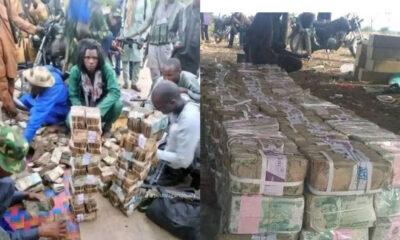
Senate Orders Police, DSS to Track Bandits Flaunting Cash on TikTok
-

 metro1 day ago
How Kidnap of Adelabu’s Sister, Twins Was Planned – Suspects Confess Insider Role
-

 Health3 days ago
VIDEO: Nigerian Doctors in Canada Have Become ‘Medical Agberos’ — Doctor Alleges
-

 metro2 days ago
Bandits Tie Women With Hijabs, March Them Into Forest in Sokoto Mass Abduction