The United States has raised fresh concerns over human trafficking in Nigeria, accusing authorities of failing to adequately address alleged official complicity, protect vulnerable victims and hold government personnel accountable for trafficking-related offences.
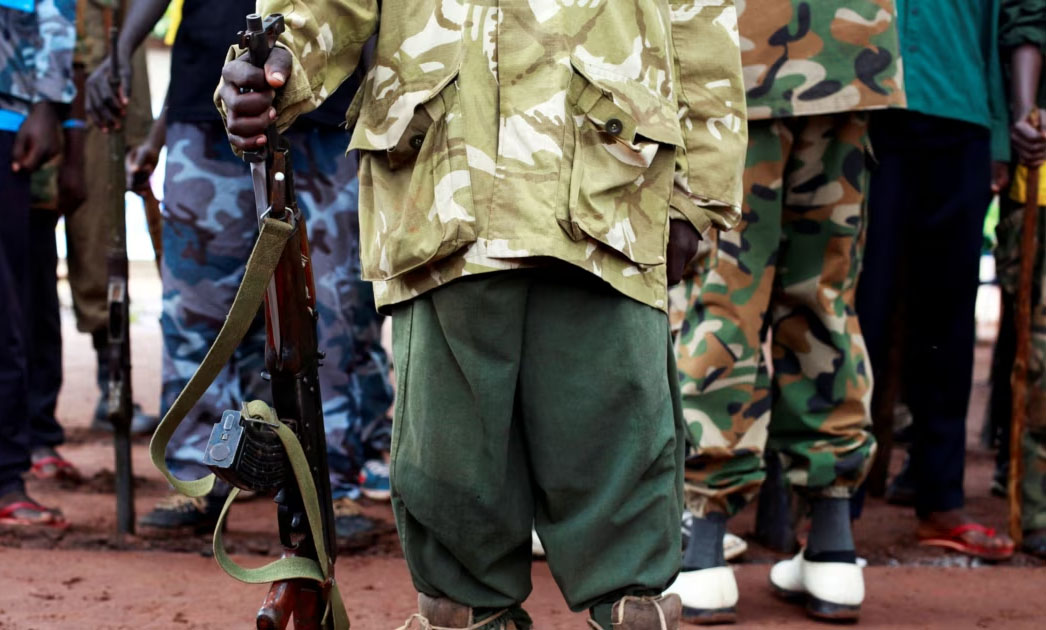
The concerns are contained in the 2026 Trafficking in Persons (TIP) Report released by the US Department of State, which also identifies Nigeria among 14 countries listed over the recruitment or use of child soldiers.
The report, covering developments from April 1, 2025, to March 31, 2026, retained Nigeria on Tier 2 of the US trafficking assessment. The classification means the country does not fully meet the minimum standards for eliminating human trafficking but is making significant efforts to meet them.
Nigeria’s inclusion on the Child Soldiers Prevention Act list highlights continuing concerns about the recruitment and exploitation of children by armed groups, while the report also draws attention to the operation of so-called baby factories, forced labour and sexual exploitation.
The US government identified corruption and alleged official complicity as significant obstacles to tackling trafficking in Nigeria, arguing that the failure to hold implicated personnel accountable could allow offenders to escape justice.
According to the report, Nigerian authorities did not provide information on investigations, prosecutions or convictions of government employees allegedly involved in trafficking offences during the reporting period. The assessment also raised concerns about the absence of reported accountability for some officials previously implicated in such cases.
The findings have renewed scrutiny of Nigeria’s efforts to combat human trafficking, particularly the protection of women and children and the investigation of allegations involving public officials.
The report identified Boko Haram and the Islamic State West Africa Province (ISWAP) among the armed groups that continue to recruit, abduct and use children in conflict-related activities. It said children as young as 12 were reportedly exploited in various roles, including as cooks, domestic workers, spies, messengers, guards and combatants. Some children were also reportedly used as human shields and suicide bombers.
READ ALSO:
The assessment raised concerns about the protection of children associated with armed groups and the need to ensure that those rescued or removed from such groups are referred to appropriate care and rehabilitation services. The issue remains particularly sensitive in northeastern Nigeria, where years of insurgency have exposed children and other vulnerable people to abduction, forced recruitment, sexual exploitation and other abuses.
The US report also highlighted concerns about the treatment of women and girls who had been forcibly married to insurgents. It alleged that some survivors were returned to their Boko Haram husbands or traffickers at demobilisation centres in Borno State. Such practices, if established, could expose survivors to further abuse and undermine efforts to rehabilitate people affected by insurgency and trafficking.
Beyond the conflict in the northeast, the report identified the continued operation of baby factories in Nigeria as a major human-trafficking concern. These illegal operations are often disguised as orphanages, maternity homes or religious centres. Women and girls may be held against their will, sexually abused and forced to become pregnant or give birth, while their babies are sold to third parties. The children may subsequently face exploitation, including forced labour and sex trafficking.
The report described baby factories as a widespread criminal industry, particularly in southern Nigeria, where poverty, limited economic opportunities and demand within illegal adoption networks can increase vulnerability to exploitation. The findings underscore the importance of investigating suspicious maternity homes and unregulated facilities, protecting potential victims and prosecuting those responsible for coercion, sexual abuse and the sale of children.
The US assessment also identified several forms of forced labour and exploitation affecting children and adults in Nigeria. According to the report, traffickers exploit children in domestic work, street begging, street vending, agriculture, textile manufacturing, granite quarries and artisanal mines. Some children are reportedly forced to work to support traffickers or intermediaries, while others face physical, emotional or sexual abuse.
The report highlighted the risks facing children from impoverished households who enter domestic service through labour brokers. It warned that some are subjected to exploitation rather than receiving the education and economic opportunities their families may have expected.
READ ALSO:
Women and girls also remain vulnerable to sexual exploitation and forced marriage. The report identified cases in which women and girls were reportedly given to older men to settle family debts, a practice sometimes described as money marriage. It further raised concerns about Nigerians recruited for work abroad under false promises and subsequently subjected to domestic servitude or sexual exploitation.
The assessment said some foreign nationals were also vulnerable to trafficking within Nigeria, including people recruited into organised online scam operations and workers exposed to coercive labour conditions.
The report criticised gaps in the provision of services to trafficking survivors, including inadequate shelter capacity for adult male victims. It said 675 trafficking survivors received assistance in 2025, compared with 2,058 in 2024.
The assessment also raised concerns about restrictions on freedom of movement in some shelters operated by the National Agency for the Prohibition of Trafficking in Persons (NAPTIP), as well as requirements that some victims cooperate with law-enforcement authorities to access certain protection services. According to the report, some victims who declined shelter accommodation did not receive services, potentially increasing their vulnerability to further exploitation.
The findings point to the need for a victim-centred approach that makes medical care, counselling, safe accommodation and rehabilitation accessible without exposing survivors to further harm. The report also called for stronger procedures to identify trafficking victims among internally displaced people, returning migrants, children associated with armed groups and people working in vulnerable sectors.
Despite the criticism, the report acknowledged improvements in Nigeria’s anti-trafficking enforcement efforts. Nigerian authorities investigated 1,341 trafficking cases involving 1,367 suspects in 2025, compared with 744 investigations in 2024. The country also recorded 94 prosecutions and 97 convictions in 2025, up from 71 prosecutions and 49 convictions in the previous year.
The report further recorded increased government funding for victim services and prevention programmes. It said the government allocated ₦233 million for victim services in 2025, compared with ₦128 million previously, while funding for prevention rose to ₦245 million from ₦58.8 million in 2024.
Other efforts acknowledged in the assessment included the identification of trafficking victims, cooperation with foreign authorities and INTERPOL on investigations, and the implementation of Nigeria’s 2022–2026 National Action Plan against human trafficking. The report also noted the operation of an anti-trafficking hotline and the presence of anti-trafficking task forces in 23 states.
However, the US government maintained that stronger action was needed to address official complicity, improve protection services and ensure that perpetrators were held accountable.
Nigeria’s inclusion on the Child Soldiers Prevention Act list could affect certain categories of US military assistance and defence-related transactions under applicable US law. The listing does not automatically suspend every form of American assistance to Nigeria. Any restrictions depend on the relevant legal provisions, the type of assistance involved and whether an applicable exception or presidential waiver applies.
The designation nevertheless places additional attention on the need to prevent and address the recruitment and use of children in armed conflict.
The findings present a significant challenge for Nigerian authorities: sustaining improvements in trafficking investigations and convictions while addressing alleged official involvement, strengthening protection for survivors and preventing the exploitation of children.
The report calls for credible allegations against public officials to be investigated, trafficking survivors to receive appropriate support and perpetrators to face accountability. For Nigeria, the effectiveness of its anti-trafficking response will depend not only on arrests and convictions but also on preventing abuse, protecting vulnerable people and ensuring that those entrusted with enforcing the law are themselves held accountable when credible evidence of wrongdoing emerges.