

Health
WHO Issues First Global Guideline on GLP-1 Therapies for Obesity Treatment

WHO Issues First Global Guideline on GLP-1 Therapies for Obesity Treatment
The World Health Organisation (WHO) has released its first-ever guideline on the use of Glucagon-Like Peptide-1 (GLP-1) therapies for treating obesity, a condition affecting more than 1 billion people worldwide.
Announcing the development on its official X handle on Tuesday, the global health body cautioned that medication alone cannot solve obesity, stressing that drugs must complement healthy diets, regular physical activity, and sustained medical support.
The WHO noted that obesity—responsible for 3.7 million global deaths in 2024—remains a growing crisis, with projections indicating the number of affected individuals could double by 2030 if urgent action is not taken.
According to the organisation, obesity is defined as having a Body Mass Index (BMI) of 30 or above in adults. It is a complex, chronic disease linked to major noncommunicable diseases including cardiovascular disease, type 2 diabetes, several cancers, and increased complications from infectious diseases.
The new guideline focuses on GLP-1 receptor agonists, a class of medicines that lower blood sugar, promote weight loss, and reduce risks of heart and kidney complications. These drugs were added to the WHO Essential Medicines List in September 2025 for managing type 2 diabetes in high-risk patients.
READ ALSO:
- Nigerian Army Rescues Six Kidnap Victims in Kogi as Troops Intensify Operations Against Bandits
- Adeleke to Join New Party Before December 13 — Osun Govt
- BREAKING: Adebayo Adedamola Wins PDP Ticket for 2026 Osun Governorship Election
WHO explained that its conditional recommendations for GLP-1 therapies aim to support adults living with obesity as part of a comprehensive treatment plan, emphasizing the need for behavioral interventions such as healthy eating and consistent physical activity.
WHO Director-General, Dr Tedros Ghebreyesus, said obesity remains a worldwide health threat requiring sustained and equitable care.
“Our new guidance recognizes that obesity is a chronic disease that can be treated with comprehensive and lifelong care. While medication alone won’t solve this global health crisis, GLP-1 therapies can help millions overcome obesity and reduce related harms,” he said.
Ghebreyesus also warned that the global economic cost of obesity could reach US$3 trillion annually by 2030, adding that the guideline aims to reduce soaring healthcare costs tied to obesity-related complications.
The key recommendations state that GLP-1 therapies may be used for long-term obesity treatment in adults, excluding pregnant women, and must be combined with intensive lifestyle interventions.
The WHO flagged concerns over limited long-term safety data, high drug costs, weak health-system capacity, and the risk of widening health inequalities, stressing that without targeted policies, access to GLP-1 therapies may deepen existing disparities.
It called for a comprehensive obesity strategy built on three pillars:
– Creating healthier environments through strong public policies
– Protecting high-risk individuals through early screening and intervention
– Ensuring equitable access to lifelong, person-centred obesity care
The organisation urged countries to ensure fair access to GLP-1 therapies, strengthen health systems ahead of their broader use, and adopt holistic measures to combat the escalating obesity crisis.
WHO Issues First Global Guideline on GLP-1 Therapies for Obesity Treatment







Health
Adamawa Health Officials Report 20 Deaths from Suspected Diphtheria Cases
Adamawa Health Officials Report 20 Deaths from Suspected Diphtheria Cases
Parents and caregivers are advised to seek early medical help and update childhood vaccinations as response teams expand outreach.
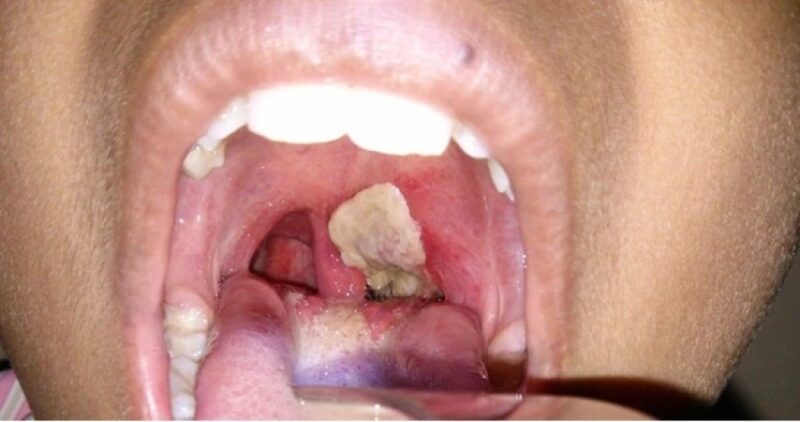
Health authorities in Adamawa State are responding to a diphtheria outbreak that has caused 20 deaths across 13 local government areas. Speaking on Wednesday, State Epidemiologist Jones Steven Kadabiyu confirmed that health workers have recorded 126 suspected cases throughout the state, with six patients currently receiving medical care in local hospitals.
Diphtheria is a serious bacterial illness that spreads through airborne droplets from coughing or close personal contact. It mainly affects the throat and airway, causing sore throats, mild fevers, swollen neck glands, and difficulty swallowing or breathing.
READ ALSO:
- Kara Bridge Repairs, Multiple Crashes Trigger 14-Hour Gridlock on Lagos-Ibadan Expressway
- 2027: Court Gives Atiku Seven Days to Serve Tinubu Through APC in Eligibility Suit
- 2027: Northern Students Back Tinubu, Pledge Campus-to-Campus Mobilisation
Health officials emphasized that the biggest risk to patients has been waiting too long to visit a health center, as some families try informal remedies at home first before seeking professional medical attention.
The state government is working alongside health partners to track new cases, provide specialized antibiotics and treatments, and protect medical workers and family members.
Officials stressed that while diphtheria can affect people of any age, young children are the most vulnerable to serious complications. Parents and guardians are strongly encouraged to ensure their children are up to date on their routine vaccines and to visit the nearest clinic immediately if anyone develops throat swelling or breathing issues.
Adamawa Health Officials Report 20 Deaths from Suspected Diphtheria Cases
Community
Monarch Dies Shortly After Being Rescued From Kwara Kidnappers

The Onigbesi of Igbesi Land in Kwara State, Oba Moses Oyinloye Iwedunmoye I, has died days after he was rescued from kidnappers.
The monarch passed away in the early hours of Saturday at a hospital, according to his son, Prince Olasunkanmi, who said his father had been receiving treatment following a brief illness.
“Yes, the news is true. He died after a brief illness following his release. We took him to the hospital, hoping he would survive, but he died there very early this morning,” Olasunkanmi said.
Oba Iwedunmoye was abducted on August 22 when armed men invaded Igbesi community in Isin Local Government Area.
He regained his freedom five days later after security forces launched an operation around the Elerin/Ijomu-Oro area, where three kidnapped victims were found.
The rescue followed a report received at the Oro Police Station from a vigilante member, who alerted authorities after one of his colleagues was shot while operating in the bush.
A combined team of police officers, soldiers and vigilantes was subsequently deployed to the area.
Police said the suspected kidnappers engaged the team in a gun battle after spotting the advancing operatives. One alleged kidnapper was killed during the exchange, while others escaped into the surrounding area.
The security team continued the search and eventually located the three victims, who were evacuated for medical treatment.
News of the monarch’s death was announced by Bisi Fakayode, National President of Omo Ibile Igbomina, who mourned the traditional ruler and prayed for the repose of his soul.
The circumstances surrounding the monarch’s illness and death have not been publicly disclosed beyond his family’s account that he fell ill after his release.
Health
Ebola Crisis Deepens in DR Congo as Cases Cross 7,000

Ebola Crisis Deepens in DR Congo as Cases Cross 7,000
The Ebola outbreak in the Democratic Republic of Congo has reached more than 7,000 recorded cases, with nearly 3,400 people losing their lives in what authorities describe as the country’s worst epidemic of the disease.
Official figures show that 7,022 cases have been identified since the outbreak was detected in May. Of those affected, 3,398 have died, while 1,671 people have recovered.
The outbreak has also continued to expand geographically, with South-Ubangi becoming the seventh province where the virus has been detected. The province shares borders with both the Central African Republic and the Republic of Congo.
Health authorities are facing particular difficulties in Ituri, where most of the cases have been recorded. The province has schools where Ebola infections have been detected, raising concerns about further transmission as students return to classrooms.
Schools in affected areas have introduced additional precautions, including compulsory handwashing, limiting classroom numbers and discouraging physical contact among pupils.
READ ALSO:
- Police Arrest Woman Over Alleged Drug Trafficking in Delta
- Dangote raises petrol price 6.7% to N1,350/litre
- Anambra Police Arrest Woman Over Alleged Sexual Abuse of Child, Rescue Four
The response is being complicated by the wider conditions in eastern and northern parts of the country. Some affected communities are located in remote areas with limited healthcare facilities, while long-running armed conflicts have made access and government intervention more difficult.
Residents have expressed growing concern, particularly over the possibility of children carrying the virus between their homes and schools.
The current outbreak was first officially identified in northeastern Ituri in mid-May, although health authorities believe the virus may have been circulating for weeks before it was detected.
The strain responsible is Bundibugyo ebolavirus. There is currently no approved vaccine or treatment specifically available for the strain, although researchers are testing potential vaccines and therapies.
Ebola spreads primarily through contact with infected bodily fluids and can cause severe illness, including bleeding, organ failure and death.
The latest crisis is part of the DRC’s long history with Ebola, with the country experiencing 17 outbreaks since the virus was first identified there.
With infections continuing to appear in new areas, authorities face the challenge of containing transmission while providing treatment and protection in communities already struggling with insecurity and limited health infrastructure.
Ebola Crisis Deepens in DR Congo as Cases Cross 7,000
-

 Politics2 days ago
2027: Northern Lecturers Back Tinubu, ASUU Disowns Endorsement
-

 metro3 days ago
Mother ‘sold daughter’s abuse videos for $300’: Nigeria child pornography case shocks nation
-

 News3 days ago
Adeleke Orders Arrests After Associate Ajagungbade Is Reportedly Killed in Ife
-
 metro2 days ago
Police Arrest Mother Over Alleged Brutal Abuse of 7-Year-Old Girl in Anambra
-

 Sports1 day ago
‘I Was Never the Chosen One’ — Dembele Responds to Mbappe
-

 News2 days ago
Nwifuru Dismisses Cubana Chief Priest as ‘Attention-Seeker’
-

 Education1 day ago
JAMB Moves 2027 UTME Time — Here’s What Candidates Need To Know
-

 Politics2 days ago
2027: Sowore Promises ₦500,000 Minimum Wage, Free Education, 24-Hour Electricity