

Business
Dangote Raises Alarm Over Widespread Sabotage Crippling Nigeria’s Oil Sector
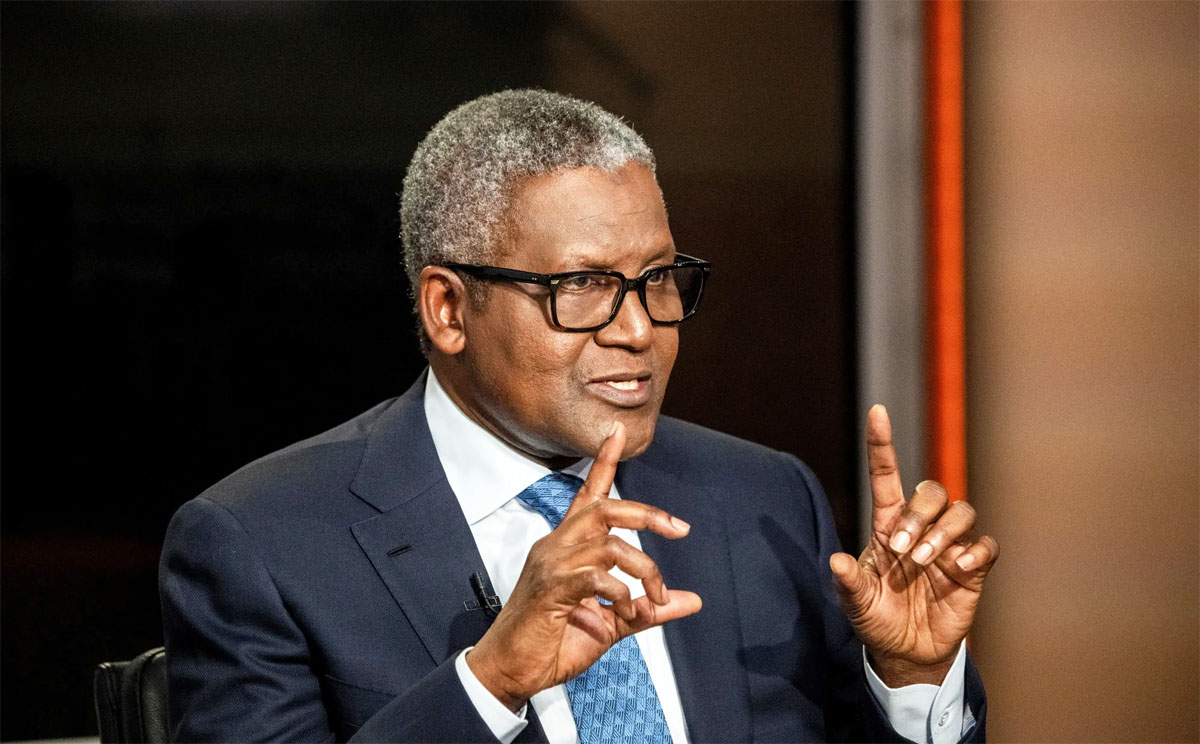
Dangote Raises Alarm Over Widespread Sabotage Crippling Nigeria’s Oil Sector
Aliko Dangote, President and CEO of the Dangote Group, has sounded the alarm over what he described as deliberate and widespread sabotage crippling Nigeria’s downstream oil sector, including the Port Harcourt Refinery and the $20 billion Dangote Refinery.
Speaking during a media briefing on Sunday, December 14, 2025, at the Dangote Refinery in Lagos, Dangote revealed that the Port Harcourt Refinery experienced over 100 sabotage incidents during its rehabilitation, citing information shared by former NNPC Limited Group CEO Mele Kyari.
He alleged that critical pipeline infrastructure and petroleum depots across the country have been deliberately destroyed by unpatriotic individuals and organised interests, insisting the damage could not be attributed to natural causes.
“Even this $20 billion Dangote Refinery has not been spared. The oil and gas sector is controlled by powerful cartels whose reach surpasses that of criminal drug networks,” Dangote stated, citing instances of vandalism and theft of critical equipment, including a 400-tonne industrial boiler, described as the largest ever built.
READ ALSO:
- Four Suspected Bandits Killed, 13 Abducted in Kogi Shootout
- Man United, Bournemouth Share Eight-Goal Premier League Thriller in Old Trafford Classic
- Aisha Buhari Reveals How Rumours, Missed Meals Triggered Buhari’s 2017 Health Crisis
Dangote further questioned the collapse of Nigeria’s once-functional pipeline network, saying the extensive destruction points to deliberate sabotage rather than neglect. “All the pipelines that were built, right from the military base to date, none of them are functioning… they have destroyed the pipes. If it is not sabotage, is it an earthquake? No, it is sabotage,” he said.
He disclosed that the Dangote Refinery alone has lost about $82 million to theft and sabotage, prompting the company to deploy over 2,000 security personnel, more than the number of operational staff, to safeguard the facility. Dangote noted that thieves have grown increasingly brazen, attempting to remove materials using long cords and other methods.
The industrialist’s revelations underscore the significant challenges facing Nigeria’s refining, pipeline, and petroleum depot infrastructure, highlighting the urgent need for stronger security measures and government intervention to protect the nation’s oil assets.
Dangote Raises Alarm Over Widespread Sabotage Crippling Nigeria’s Oil Sector











Auto
Nigeria’s Auto Dealers Face New Challenge as After-Sales Service Takes Centre Stage
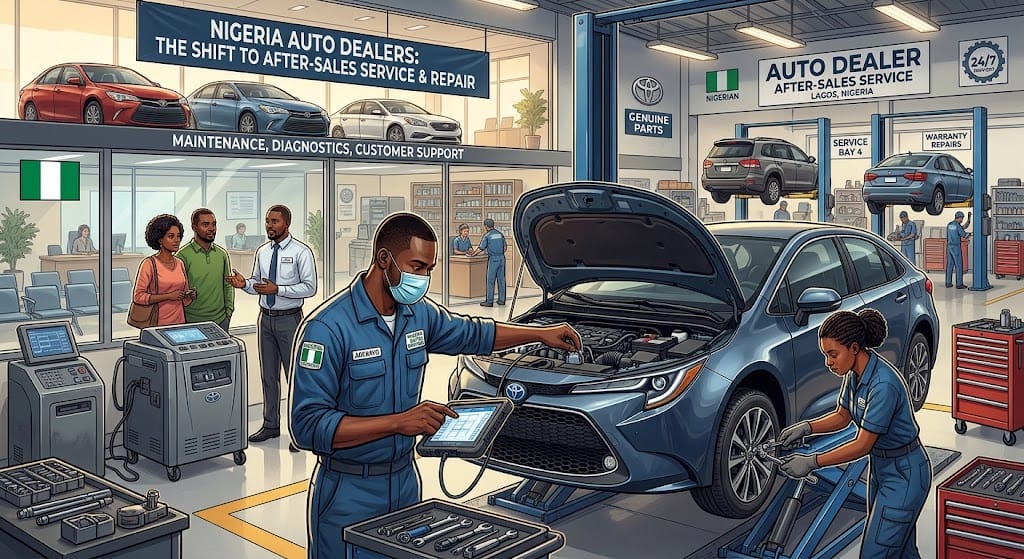
Nigeria’s Auto Dealers Face New Challenge as After-Sales Service Takes Centre Stage
Nigeria’s automotive industry may need to rethink the way it competes for customers, with industry stakeholders urged to place greater emphasis on after-sales service, warranty protection and customer satisfaction rather than focusing largely on vehicle prices, designs and technology.
As competition intensifies and new vehicle brands enter the Nigerian market, the ability of distributors and dealers to provide reliable support long after a vehicle has been purchased could become a major factor in determining customer loyalty and market leadership.
For many vehicle owners, the real test of a brand does not end at the showroom. It begins when the vehicle requires routine servicing, develops a fault, needs replacement parts or requires warranty attention.
The quality of the response at such moments can determine whether a customer remains loyal to a brand or begins looking elsewhere.
Against this background, the industry is being challenged to embrace a new form of competition centred on dependable, transparent and accessible after-sales support.
Traditionally, automotive competition has revolved around pricing, vehicle performance, design, technological innovations, fuel efficiency and the introduction of new models. While these factors remain important, they do not necessarily guarantee a satisfactory ownership experience.
For Nigerian motorists, the availability of genuine spare parts, qualified technicians, affordable maintenance, prompt repairs and effective warranty administration can be just as important as the vehicle’s initial purchase price.
This is particularly significant in Nigeria, where vehicles play critical roles in household mobility and business operations. A private car may be indispensable for commuting, school runs and medical appointments, while commercial vehicles are essential to deliveries, logistics and other economic activities.
Consequently, prolonged vehicle downtime arising from poor maintenance support or delays in obtaining replacement parts can impose significant financial and operational costs on owners.
READ ALSO:
- 2027: ‘Tinubu Must Stay’ Chants Rock Jigawa as NITDA DG Opens Campaign Office
- Trump Steps In as Ghana Demands Justice for 15-Year-Old Boy Shot Dead on Way to School in US
- Adeboye Fires Back at Journalists Over Viral Jonathan Protest Photo, Says It Was Prayer Walk
Beyond selling vehicles
The growing emphasis on after-sales service reflects a broader understanding that selling a vehicle should mark the beginning, rather than the end, of a relationship between an automotive company and its customer.
When customers receive clear information, timely repairs and reliable technical support, they are more likely to develop confidence in the brand and return for future purchases.
Conversely, poorly explained warranty conditions, inadequate service facilities, delays in repairs and difficulties accessing genuine parts can undermine customer confidence, regardless of how attractive or technologically advanced a vehicle may be.
The industry is therefore being encouraged to compete through stronger technical capacity, effective spare parts management, transparent warranty arrangements, efficient communication and credible repair processes.
Some automotive distributors are already introducing structured programmes designed to strengthen their ownership support propositions.
One example is Carloha’s CarlohaCare 6-6-7 programme, which combines a six-year warranty, six years of free servicing and a seven-day repair promise, subject to applicable terms and conditions.
The company has also introduced CarlohaCare Rescue, extending its customer support proposition through roadside assistance under specified service arrangements.
Such initiatives provide examples of how automotive companies can package after-sales services into identifiable commitments that customers can evaluate before making purchasing decisions.
However, the emergence of such programmes should also encourage healthy competition, independent scrutiny and comparisons across the industry.
Other distributors, including established automotive companies and emerging vehicle brands, should equally be encouraged to strengthen their service networks, improve spare parts availability and introduce more effective customer complaint-resolution mechanisms.
Ultimately, customers stand to benefit when companies compete to deliver better ownership experiences rather than relying exclusively on aggressive sales campaigns.
The need for accountability
However, industry observers caution that attractive after-sales promises must be backed by operational capacity and measurable results.
READ ALSO:
- Edo Youths Chase Policemen, Vigilantes From Checkpoint Over Alleged Extortion
- Lami Dawa: CAN Takes 14-Year Jail Sentence to Appeal Court, Borno Govt Reacts
- Hijab Controversy: MURIC Demands Suspension of Law School Exams, Threatens Peaceful Protests
A warranty programme, for instance, is only as valuable as the company’s willingness and ability to honour its obligations when customers encounter problems.
Automotive distributors should therefore provide clear written explanations of warranty coverage, exclusions, servicing schedules and the conditions attached to special customer support programmes.
Their performance should also be assessed using measurable indicators, including repair turnaround time, spare parts availability, technical competence, customer complaint resolution and the effectiveness of warranty administration.
Customers should have accessible channels through which they can report complaints, obtain updates on repairs and seek clarification when service commitments are not met.
The media also has an important role to play in promoting accountability and raising the standard of industry conversations.
The Nigeria Auto Journalists Association (NAJA), for instance, can contribute through independent editorial coverage, industry analysis, interviews and platforms that bring automotive companies and consumers together to examine the quality of vehicle ownership in Nigeria.
Its responsibility should be to encourage informed public debate, investigate industry claims and highlight measurable improvements in customer service, rather than endorse promotional claims that have not been independently established.
Buyers must ask the right questions
Beyond the responsibilities of distributors, consumers also have a role in changing the dynamics of competition in the automotive market.
For too long, vehicle purchase decisions have often been influenced primarily by acquisition costs, appearance, brand reputation and technical specifications.
While these considerations remain legitimate, prospective buyers need to pay greater attention to what happens after they drive their vehicles out of the showroom.
Questions about warranty coverage, servicing costs, the availability of genuine replacement parts, roadside assistance and access to authorised service centres should form part of every serious vehicle purchase decision.
Corporate organisations and fleet operators should go further by incorporating after-sales capacity, maintenance costs and expected vehicle downtime into their procurement decisions.
Such an approach would compel automotive distributors to recognise that customers are not simply purchasing vehicles; they are investing in years of mobility, convenience and operational reliability.
A new measure of industry leadership
As Nigeria’s automotive market evolves, the companies best positioned to earn lasting customer loyalty may not necessarily be those selling the cheapest vehicles or introducing the most models.
Increasingly, the decisive advantage could lie with distributors that demonstrate a consistent ability to support customers throughout the ownership journey.
The industry must therefore move beyond measuring success primarily through sales volumes, market share and showroom performance.
It must also pay attention to customer satisfaction, service delivery, warranty compliance and the ability to minimise vehicle downtime.
The ultimate objective should not simply be to sell more vehicles, but to give buyers confidence that their investments will receive the technical attention, maintenance support and customer care required throughout their useful lives.
For Nigeria’s automotive industry, the next big competition may not be about who sells the most attractive vehicle or offers the lowest price.
It may ultimately be about who takes better care of the customer after the sale.
Nigeria’s Auto Dealers Face New Challenge as After-Sales Service Takes Centre Stage
Business
NCC Deploys Device Checker App to Tackle Fake, Cloned Phones in Nigeria
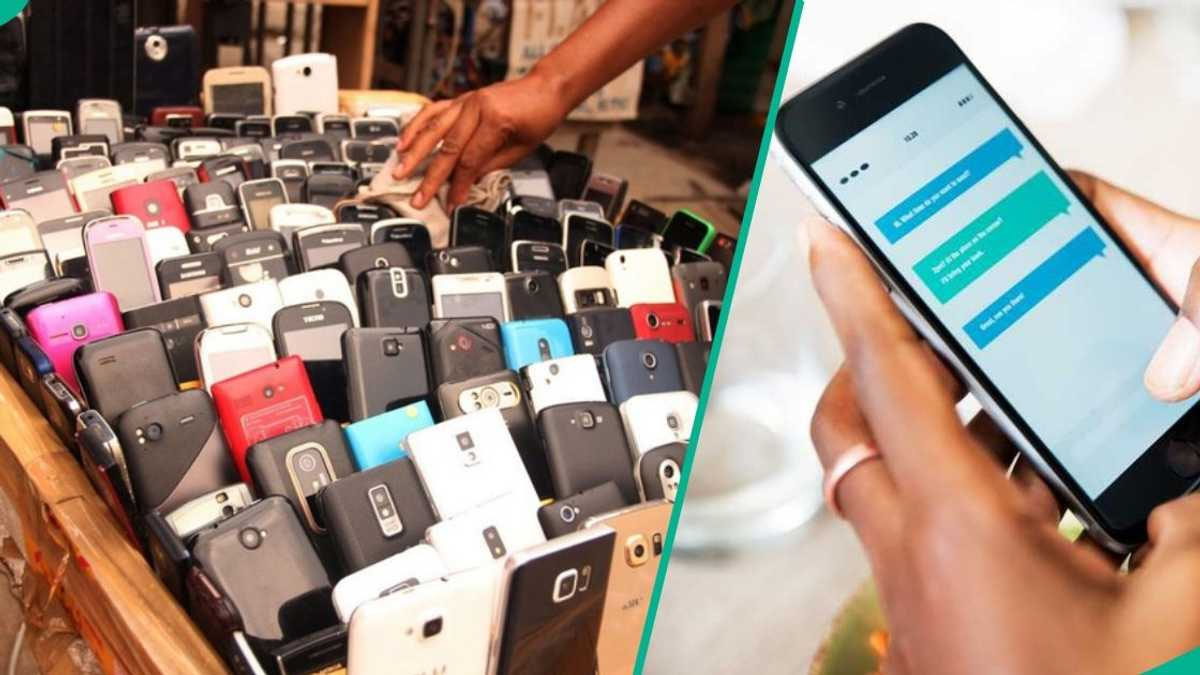
The Nigerian Communications Commission (NCC) has deployed a new device-checking application to strengthen efforts to eliminate counterfeit, cloned and unauthorised mobile phones from Nigeria’s telecommunications market.
The application, designed to help authorised industry stakeholders verify mobile devices, allows users to scan International Mobile Equipment Identity (IMEI) numbers and upload device information directly to the commission’s Device Checker Platform.
The NCC Lagos Zonal Controller, Tunji Jimoh, disclosed this on Thursday during a media briefing at the commission’s zonal office in Lagos.
Jimoh, who represented the Executive Vice-Chairman of the NCC, Aminu Maida, said the initiative was part of efforts to ensure that devices connected to Nigerian telecommunications networks comply with established technical and regulatory standards.
According to him, the platform supports the verification of the Type Approval status of SIM-enabled devices and will help address the circulation of counterfeit, cloned and unauthorised equipment in the country.
Jimoh explained that the application would make it easier for authorised stakeholders, including importers, distributors and phone dealers, to verify large volumes of devices and identify irregularities in their identification numbers.
He said the commission had also intensified engagements with industry players to improve compliance with its device verification and licensing requirements.
The NCC official disclosed that the commission had streamlined its licensing and regularisation process, enabling several device dealers in Kano State to obtain the necessary licences.
READ ALSO:
- Romance Scam: FBI Declares Nigerian Woman Wanted, Offers ₦6.7m Reward
- ₦50,000 Monthly Relief: FG Begins Cash Payments to Vulnerable Nigerians
- Zamfara Kidnap: Three Imams Regain Freedom After Weeks in Captivity, Three Others Still Held
He added that the commission had conducted sensitisation programmes for importers and other industry participants in Lagos and other parts of the country to educate them on their responsibilities under the Device Checker framework.
Jimoh said the measures were designed to strengthen accountability across the mobile device supply chain, improve regulatory compliance and protect consumers from substandard products.
Addressing concerns about privacy, the NCC representative stressed that the Device Checker Platform was not designed to monitor mobile phone users or access their personal information.
He explained that the system does not access private messages, photographs, contacts, financial information or other personal content stored on mobile devices.
According to him, the platform’s functions are limited to device identification and verification of compliance with regulatory requirements.
The commission also urged manufacturers, importers, distributors and dealers to familiarise themselves with its Type Approval and Device Verification guidelines.
Meanwhile, the NCC has encouraged consumers to check the approval status of mobile phones before purchasing them, particularly second-hand devices, to avoid buying counterfeit or non-compliant products.
Consumers can access the commission’s *Device Checker service by dialling 315# or visiting its official website at https://www.ncc.gov.ng/DeviceChecker.
To verify a device, users may need its 15-digit IMEI number, which can be retrieved by dialling *#06# on the phone.
The commission explained that the IMEI is a unique identification number assigned to mobile devices and helps distinguish one device from another. Some phones, particularly dual-SIM models, have more than one IMEI.
The NCC has also clarified that the enhanced device verification framework, which took effect on October 7, 2026, does not require existing phone users to register their devices again. Devices already connected to Nigerian networks before the implementation date were automatically verified.
New devices brought into Nigeria by importers, however, must undergo the applicable verification process before accessing local telecommunications networks.
The commission said the framework covers SIM-enabled devices, including smartphones, feature phones, tablets, routers, laptops and Point-of-Sale terminals.
It further advised consumers to patronise reputable and licensed dealers and use only official NCC channels for device verification.
The initiative forms part of the commission’s broader efforts to combat phone theft, device cloning, counterfeiting and the circulation of unauthorised telecommunications equipment in Nigeria.
NCC Deploys Device Checker App to Tackle Fake, Cloned Phones in Nigeria
Railway
Nigeria Loses ₦3.6tn to Logistics Inefficiencies as NRC Pushes Integrated Transport System
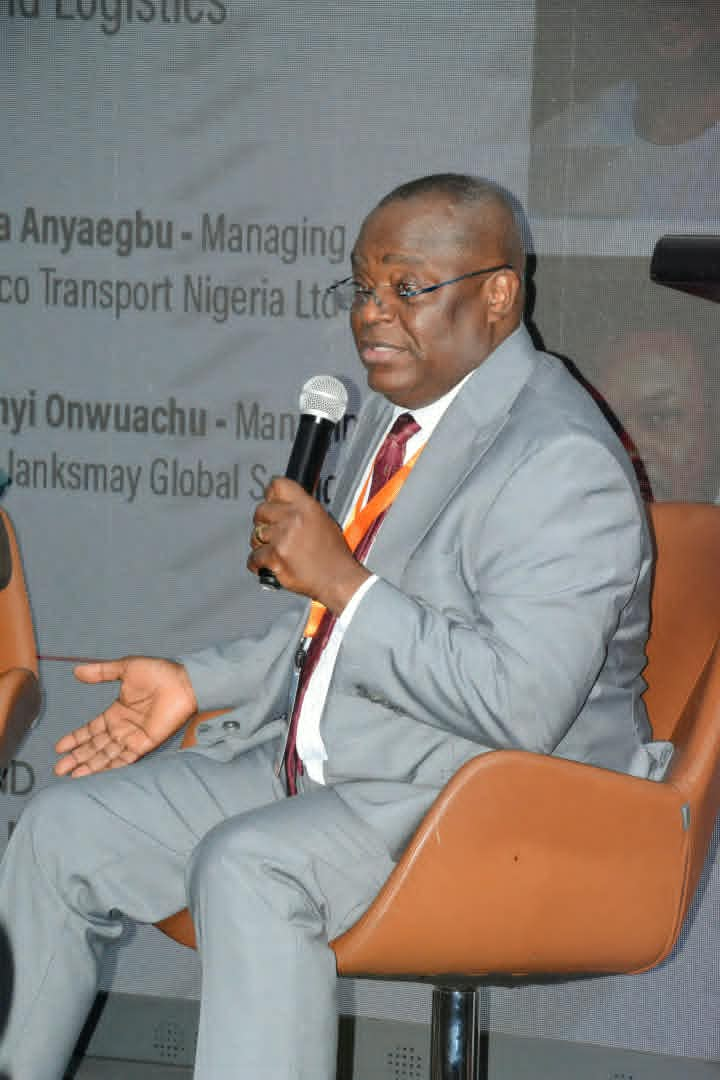
Nigeria Loses ₦3.6tn to Logistics Inefficiencies as NRC Pushes Integrated Transport System
The Nigerian Railway Corporation has unveiled an ambitious plan to expand Nigeria’s railway network from approximately 4,000 kilometres to 10,000 kilometres within five years.
This is coming as it pushes for an integrated transportation and logistics system to reduce business costs, boost trade and strengthen the nation’s economic competitiveness.
The NRC also has a long-term target of extending the rail network to about 20,000 kilometres, with plans to optimise existing railway assets, revive dormant corridors, expand freight operations and attract private investment into passenger and cargo services.
Managing Director of the corporation, Dr Kayode Opeifa, disclosed these plans at the BusinessDay Mobility and Logistics Conference in Lagos, where he identified an efficient, interconnected transport system as a critical driver of economic resilience and productivity.
Speaking on the theme, “Scaling the Future: Building a Resilient and Efficient Mobility and Logistics Ecosystem in Nigeria,” Opeifa warned that inefficiencies across the country’s transportation network were contributing to congestion, rising logistics costs, delayed deliveries, reduced productivity and higher prices of goods and services.
He argued that integrating rail, road, maritime and air transportation would help address these challenges by improving connectivity between production centres, markets, seaports and distribution hubs.
According to him, rail transportation occupies a strategic position in developing an efficient national transport network because of its capacity to move large volumes of passengers and freight over long distances while reducing pressure on highways.
“Rail should not be viewed as a competitor to road, maritime or air transportation, but each should continue to develop as complementary components of an effective integrated transport system,” he said.
Opeifa explained that while road transport remained essential for cargo collection and last-mile delivery, maritime transport facilitated international trade, and inland terminals supported cargo handling and distribution, rail provided the high-capacity link connecting these facilities with industrial and commercial centres.
He said seamless coordination among the different modes would reduce avoidable logistics costs, promote regional commerce, improve access to markets and enhance the competitiveness of Nigerian products.
PRIVATE SECTOR PARTICIPATION
Outlining the NRC’s priorities since assuming office, the managing director highlighted the corporation’s track access policy, which provides opportunities for private investors to operate passenger and freight services along designated railway corridors.
He said the policy was part of efforts to improve the utilisation of existing infrastructure, expand railway services and mobilise investment to accelerate the development of the sector.
Under its Vision 2:5:10:20, the corporation is focusing on optimising existing railway assets, restoring viable dormant corridors, expanding freight operations, strengthening private-sector partnerships and progressively extending the national network.
Opeifa said immediate priorities included improving the utilisation of Nigeria’s two legacy narrow-gauge lines and three standard-gauge lines, restoring operational capacity, expanding freight services and strengthening connections between railway infrastructure, ports and inland terminals.
He maintained that maximising the value of existing assets would be essential to achieving the corporation’s expansion targets and building a more commercially viable railway system.
NEW RAILWAY PROJECTS
The NRC chief also highlighted ongoing and planned railway infrastructure projects under President Bola Ahmed Tinubu’s administration, including efforts to extend the standard-gauge railway to Apapa Port and establish a connection to Tin Can Island Port in Lagos.
The proposed connections are expected to strengthen the relationship between rail and maritime transportation, improve cargo evacuation and reduce the pressure on roads leading to the ports.
Opeifa further said the Kano–Maradi railway line was expected to be completed in 2027, while plans were ongoing for a central railway corridor linking the Warri–Itakpe line to Abuja.
He added that the government planned to commence construction of the Marina–Lekki railway line, alongside efforts to support the Kaduna–Kano inter-state train service and the Kano State Government’s proposed intra-state rail services.
The projects, he said, formed part of broader efforts to expand rail connectivity, improve passenger mobility and facilitate the movement of goods across the country.
₦3.6TRN LOGISTICS LOSSES
Also speaking at the conference, the Director-General of the Africa Centre for Supply Chain, Dr Obiora Madu, estimated that Nigeria loses more than ₦3.6 trillion to inefficiencies and distortions in the transportation and logistics sector.
He warned that small-scale businesses would continue to struggle to operate efficiently unless the country addressed the disconnect among its transport and logistics networks.
“If we don’t get the logistics right, the small-scale businesses would not be optimised. We do not need digital islands, we do not need superlative infrastructure, what we need is connected systems,” Madu said.
He argued that building a resilient logistics ecosystem required more than expanding individual infrastructure projects, stressing the importance of coordination, connectivity and the ability of the entire system to withstand disruptions.
Similarly, the Managing Director of JanksMay Global Services Ltd., Ifeanyi Onwuachu, said infrastructure deficits continued to undermine the operations of small-scale players in the logistics industry.
He called attention to the need for better infrastructure and more efficient transport connections to support businesses and improve operational performance.
Earlier, the Deputy Editor-in-Chief of BusinessDay, Dr Innocent Nna, described the conference as a platform for examining persistent gaps in Nigeria’s logistics sector and identifying practical solutions.
He urged stakeholders to engage in frank discussions on the challenges confronting the industry and develop strategies to improve efficiency across the sector.
The conference brought together industry stakeholders to explore ways of building an integrated, efficient and resilient mobility and logistics ecosystem capable of supporting economic growth and improving the competitiveness of Nigerian businesses.
-

 metro2 days ago
Captured Bandit Exposes Alleged Military Arms Supplier, Claims Gang Collected ₦1bn From Two Customs-Linked Kidnappings
-

 metro1 day ago
Ogun Murder: Suspect Reveals How He Strangled, Macheted Retired Civil Servant Over N3.45m
-
 Politics1 day ago
2027: G100 Coalition Moves to Unite Opposition as Leaders Meet Cardinal Onaiyekan
-

 Africa2 days ago
Midnight Horror : Woman Slaughters Husband, Two Children, Escapes Murder Conviction
-

 metro2 days ago
‘You Must Treat Me With Respect’ – Oshiomhole Blasts Rufai Oseni During Heated Live TV Interview
-

 metro1 day ago
N100,000 Deposit: FG Opens Homeownership Window for Teachers, Nurses, Police Officers
-

 International1 day ago
Romance Scam: FBI Declares Nigerian Woman Wanted, Offers ₦6.7m Reward
-

 metro1 day ago
Ghanaian Teen Chased, Shot Dead on Way to School in New York