
International
Microsoft Co-Founder Rejects Claims He Contracted STD from Russian Women

Microsoft Co-Founder Rejects Claims He Contracted STD from Russian Women
Microsoft co-founder Bill Gates has strongly denied recent claims appearing in newly released Jeffrey Epstein files, describing them as “absurd and completely false.”
The documents, released by the U.S. Department of Justice, include draft emails from 2013 in which Epstein suggested that Gates contracted a sexually transmitted infection (STD) following encounters with women referred to in the messages. Some of the claims also mention antibiotics and alleged interactions with Epstein’s associates. Gates’ team emphasized that these allegations are unverified and misleading.
A spokesperson for Gates said the draft emails do not reflect verified facts and called the claims “completely false,” highlighting that Epstein may have fabricated or exaggerated stories after their social interactions ended. “These claims are absolutely absurd and have no basis in reality,” the statement read.
READ ALSO:
- Top ISWAP Commander Killed in North-East as Troops Disrupt Terrorist Networks
- West Africa Insecurity: Tinubu Pushes Collective Military Response
- Security Agencies Recover Arms, Vehicles, Cash in Alleged Coup Plot Against Tinubu
Legal experts and media analysts have noted that the materials in the DOJ release are largely unverified draft documents among millions of pages related to Epstein. Inclusion in the release does not constitute proof or legal findings against Gates or any other high-profile individuals mentioned.
Gates has previously acknowledged that meeting with Epstein was a mistake, describing the interactions as attempts to discuss philanthropic work. He has consistently denied any involvement in Epstein’s criminal activities or any wrongdoing.
The latest revelations are part of a broader release of Epstein-related documents, which include emails, photos, and other communications with high-profile figures. Observers caution that not every claim in the files is substantiated, and draft emails should not be treated as verified allegations.
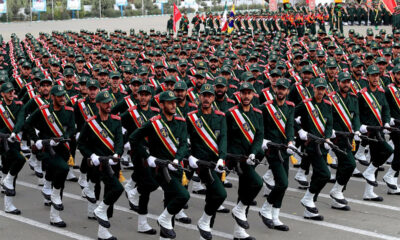
Microsoft Co-Founder Rejects Claims He Contracted STD from Russian Women



International
UK Health Minister Wes Streeting Resigns
UK Health Minister Wes Streeting Resigns
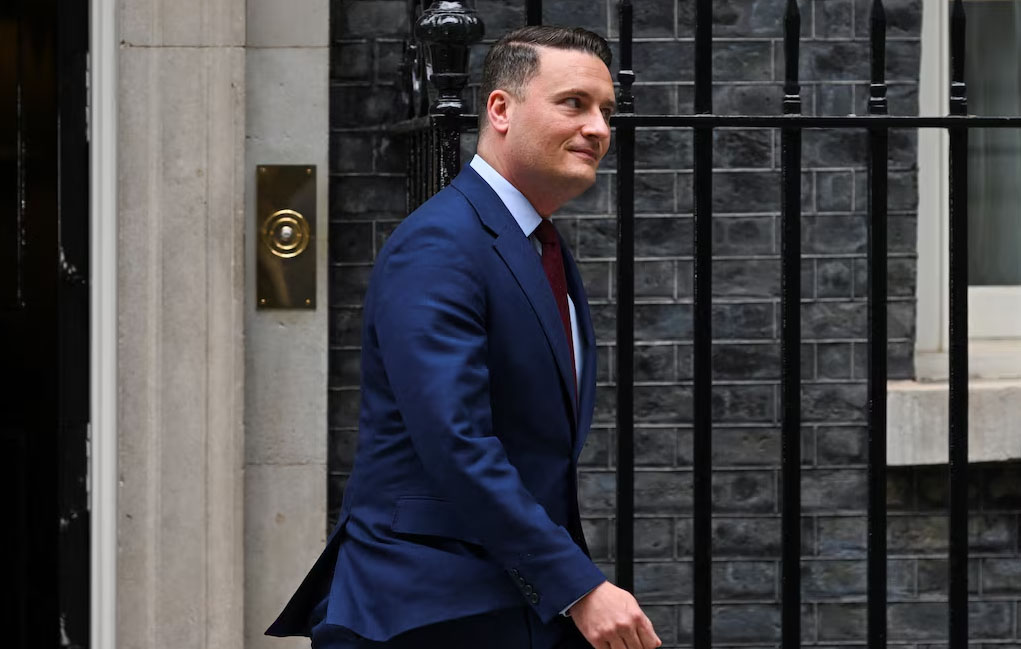
British Health Secretary Wes Streeting has resigned from the Cabinet, triggering a major political shake-up in the UK government and intensifying pressure on Prime Minister Keir Starmer amid growing unrest within the Labour Party.
In a strongly worded resignation letter published on X, Streeting said it had become increasingly clear that Starmer would not lead Labour into the next general election. He argued that the party was now facing a “leadership vacuum” and insisted that Labour MPs and trade unions were demanding an open and urgent debate about the party’s future direction.
Streeting said remaining in government under the current leadership situation would be “dishonourable and unprincipled,” adding that the party urgently needs a “battle of ideas” involving strong candidates capable of rebuilding public confidence. While he stopped short of announcing a leadership bid, his comments are widely seen as a direct challenge to Starmer’s authority.
The resignation comes at a time of escalating internal tension within the Labour Party, following a series of disappointing electoral performances across the United Kingdom. In the May 7 local elections, Labour suffered significant losses, including more than 1,400 council seats and control of dozens of local authorities in England. The party also faced historic setbacks in Wales and further declines in Scotland.
READ ALSO:
- Lagos Rejects JAMB’s 150 Cut-Off Mark, Sets 185 for State Universities
- Nigerian Professor Jailed 70 Months in US Over $1.4m Fraud
- Why South-East Won’t Support Peter Obi’s One-Term Presidency Proposal — Ikonne
At the same time, the rise of Reform UK has reshaped the political landscape, with the party gaining hundreds of council seats and taking control of several traditional Labour strongholds, particularly in northern and central England.
The developments have fuelled speculation over a possible Labour leadership contest. Former deputy leader Angela Rayner has been mentioned as a potential successor, although she has publicly stated she will not initiate a challenge. Greater Manchester Mayor Andy Burnham is also frequently cited in political discussions, though he is not currently a Member of Parliament, making any immediate leadership move difficult.
Despite the growing unrest, most Cabinet members and over 100 Labour MPs have publicly reaffirmed their support for Starmer. Downing Street has also insisted that the Prime Minister has no intention of resigning.
However, political analysts warn that Streeting’s resignation could mark the beginning of a wider internal struggle that may reshape Labour’s leadership structure if further resignations or open challenges follow.
For now, Starmer remains in office, but the pressure inside the Labour Party continues to build as questions over its direction and leadership grow louder.
UK Health Minister Wes Streeting Resigns
International
US Congressman Pushes Bill Requiring Religious Immigrants to Reject Sharia Law
US Congressman Pushes Bill Requiring Religious Immigrants to Reject Sharia Law
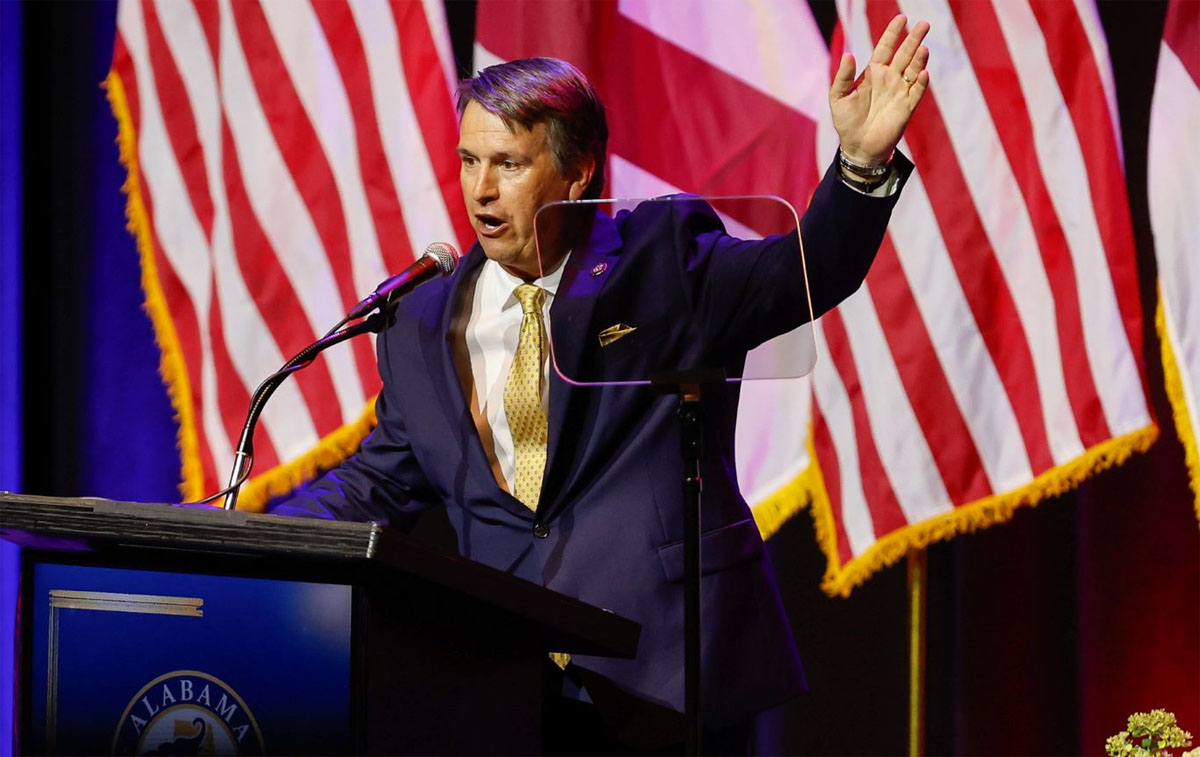
A United States congressman, Barry Moore, has sparked nationwide debate after proposing a bill that would require immigrants entering America as religious workers to formally reject Sharia law and pledge loyalty to the US Constitution.
Moore announced the proposed legislation, known as the CRUSADE Act — short for Countering Radicalism Under Sharia and Defeating Extremism Act — in a statement posted on X and published on his official congressional website.
According to the Republican lawmaker, the bill is designed to prevent the promotion of religious doctrines that he believes conflict with American constitutional values.
“America is built on the rule of law and the supremacy of the Constitution — not foreign legal systems that conflict with our freedoms and values,” Moore said while unveiling the legislation.
The proposal specifically targets immigrants applying through the EB-4 religious worker visa programme, which allows ministers, missionaries and other faith-based workers to enter the United States.
Under the proposed law, applicants would be required to affirm support for the US Constitution and disavow interpretations of Sharia law that Moore claims promote religious persecution, restrictions on women and suppression of dissent.
“Anyone seeking entry into the United States as a religious worker must affirm their commitment to the Constitution and reject extremist practices found in sharia law that have been used to justify persecution, violence, and the suppression of basic human rights,” he added.
READ ALSO:
- EFCC Arrests Energy Commission DG Over Alleged N500bn Money Laundering Probe
- Reuters: Saudi Arabia, UAE Secretly Bombed Iran During Gulf War
- Mourinho Wants Osimhen to Lead Real Madrid Attack in Major Rebuild
The bill has already received backing from several Republican lawmakers, including Andy Ogles, Josh Brecheen and Clay Higgins.
The development comes amid growing political campaigns around the “Sharia-Free America” movement in the United States. Supporters argue that political Islam and Sharia-based governance are incompatible with the American legal system, while critics warn that such measures could stigmatise Muslims and undermine constitutional protections for religious freedom.
The First Amendment of the US Constitution guarantees freedom of religion, making the proposal likely to face legal and political scrutiny if it advances in Congress.
The controversy has also renewed international attention on Nigeria’s religious freedom concerns.
Earlier this year, Republican lawmakers Riley Moore and Chris Smith introduced the Nigeria Religious Freedom and Accountability Act of 2026, a bill seeking stronger US action against alleged religious persecution in Nigeria.
The legislation calls for investigations into violence against Christians, enforcement of anti-blasphemy laws and the implementation of Sharia-based legal systems in northern Nigeria.
The lawmakers argued that some blasphemy laws in northern Nigeria have been used to silence dissent, target minorities and deny due process.
Nigeria currently operates Sharia legal systems in 12 northern states alongside conventional constitutional law, mainly for civil matters involving Muslims, although some states also apply criminal Sharia provisions.
The renewed debate follows the decision by President Donald Trump’s administration to redesignate Nigeria as a “Country of Particular Concern” over allegations of religious persecution and sectarian violence.
Security concerns linked to extremist groups such as Boko Haram and armed bandit networks have continued to fuel international scrutiny of religious tensions in parts of the country.
US Congressman Pushes Bill Requiring Religious Immigrants to Reject Sharia Law
International
Reuters: Saudi Arabia, UAE Secretly Bombed Iran During Gulf War
Reuters: Saudi Arabia, UAE Secretly Bombed Iran During Gulf War
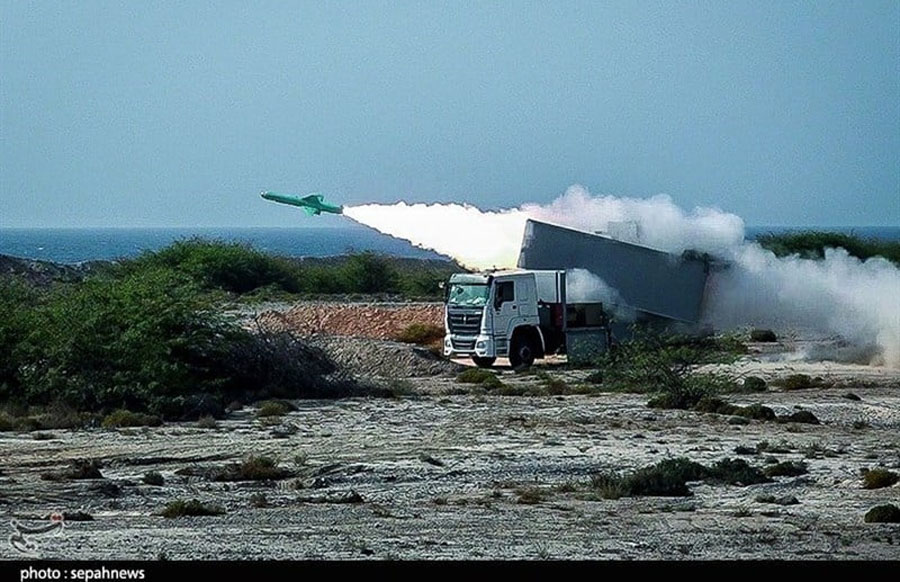
Fresh revelations from multiple international media investigations have exposed how Saudi Arabia and the United Arab Emirates (UAE) allegedly carried out covert military strikes against Iran during the recent Middle East war, despite publicly distancing themselves from direct involvement in the conflict.
According to a detailed investigation by Reuters, Saudi Arabia secretly launched several retaliatory airstrikes inside Iran in late March 2026 after Iranian missiles and drones repeatedly targeted Saudi cities, airports, oil installations, and strategic infrastructure.
The report, which cited Western and Iranian officials familiar with the operations, said the attacks were conducted by the Saudi Air Force and marked the first known instance of Riyadh carrying out direct military action on Iranian territory.
Although Saudi authorities neither officially confirmed nor denied the operations, the revelations suggest a dramatic shift in the kingdom’s long-standing regional security strategy.
The covert strikes reportedly followed an intense escalation in the wider Middle East conflict, which began after joint US-Israeli military operations against Tehran earlier in the year.
During the conflict, Iran launched waves of missiles and drones across Gulf states hosting American military assets. Reports indicated that all six members of the Gulf Cooperation Council (GCC) — including Saudi Arabia, the UAE, Qatar, Kuwait, Bahrain, and Oman — experienced varying levels of attacks.
While Tehran maintained that its operations targeted US military facilities, civilian infrastructure was also affected. Airports, oil facilities, and energy infrastructure in Gulf countries reportedly suffered significant disruptions.
READ ALSO:
- Mourinho Wants Osimhen to Lead Real Madrid Attack in Major Rebuild
- Ohanaeze Tells Peter Obi to Drop 2027 Bid, Support Tinubu
- Real Madrid Crisis Deepens as Arbeloa Calls Out Mbappé Over Commitment
The conflict also affected global trade as the strategically important Strait of Hormuz became partially paralysed, raising fears of a global oil supply crisis and surging energy prices.
Reuters reported that Iran launched more than 105 missile and drone attacks on Saudi Arabia between March 25 and March 31 alone. However, following Saudi Arabia’s alleged retaliatory strikes and subsequent diplomatic contacts between both countries, the number of attacks reportedly dropped significantly in early April.
Western and Iranian officials told Reuters that Riyadh quietly warned Tehran of further retaliation if attacks on the kingdom continued, while simultaneously opening diplomatic backchannels aimed at preventing a wider regional war.
The latest revelations also implicated the United Arab Emirates in the conflict.
Separate reports by The Telegraph and The Wall Street Journal claimed that Emirati forces secretly carried out attacks against Iranian targets around the same period US President Donald Trump announced a ceasefire between Washington and Tehran after five weeks of military confrontation.
One of the reported UAE operations allegedly targeted an oil refinery on Iran’s Lavan Island in the Persian Gulf in early April.
The refinery strike reportedly caused significant fires and temporarily disrupted refinery operations.
Despite the allegations, Abu Dhabi consistently maintained publicly that it sought regional stability and denied taking offensive military action against Iran during the conflict.
However, reports suggested the UAE adopted a more aggressive stance behind closed doors, believing Iran needed to face direct consequences for attacks on Gulf infrastructure.
The Wall Street Journal also reported that Israel quietly assisted Emirati operations through intelligence coordination and defensive military support during the conflict.
Analysts say the alleged covert operations by Saudi Arabia and the UAE represent one of the most significant shifts in Gulf geopolitics in recent decades.
For years, Gulf monarchies largely relied on the United States for protection against Iranian threats while avoiding direct military confrontation with Tehran.
But the latest reports indicate both Saudi Arabia and the UAE may now be willing to carry out direct retaliatory strikes when their territories are attacked.
The war eventually began to de-escalate after Washington and Tehran agreed to a ceasefire on April 7, 2026, though tensions across the Middle East remain high.
The developments have continued to generate widespread international attention amid concerns that future confrontations between Iran and Gulf states could trigger broader instability across global energy markets and international shipping routes.
Reuters: Saudi Arabia, UAE Secretly Bombed Iran During Gulf War
-

 metro2 days ago
Chike’s Old Interview on Dating Older Women Trends Amid Alleged Link to Frank Edoho’s Ex-Wife
-
 News2 days ago
UPDATED: Ex-Power Minister Saleh Mamman jailed 75 Years for N33.8bn Fraud
-
 metro1 day ago
Nigerian Professor Jailed 70 Months in US Over $1.4m Fraud
-

 metro2 days ago
Police Fire Tear Gas as Osun Students Protest Colleague’s Death
-
 Education1 day ago
Lagos Rejects JAMB’s 150 Cut-Off Mark, Sets 185 for State Universities
-

 Sports2 days ago
Mourinho Wants Osimhen to Lead Real Madrid Attack in Major Rebuild
-

 Politics1 day ago
Makinde Joins 2027 Race, Announces Presidential Ambition in Ibadan
-

 metro11 hours ago
How I Nearly Lost My Job Over Desmond Elliot, Lagos Assembly Crisis — Gbajabiamila