

Business
Dangote Unveils Olokola Mega Seaport Project Poised to be Africa’s largest
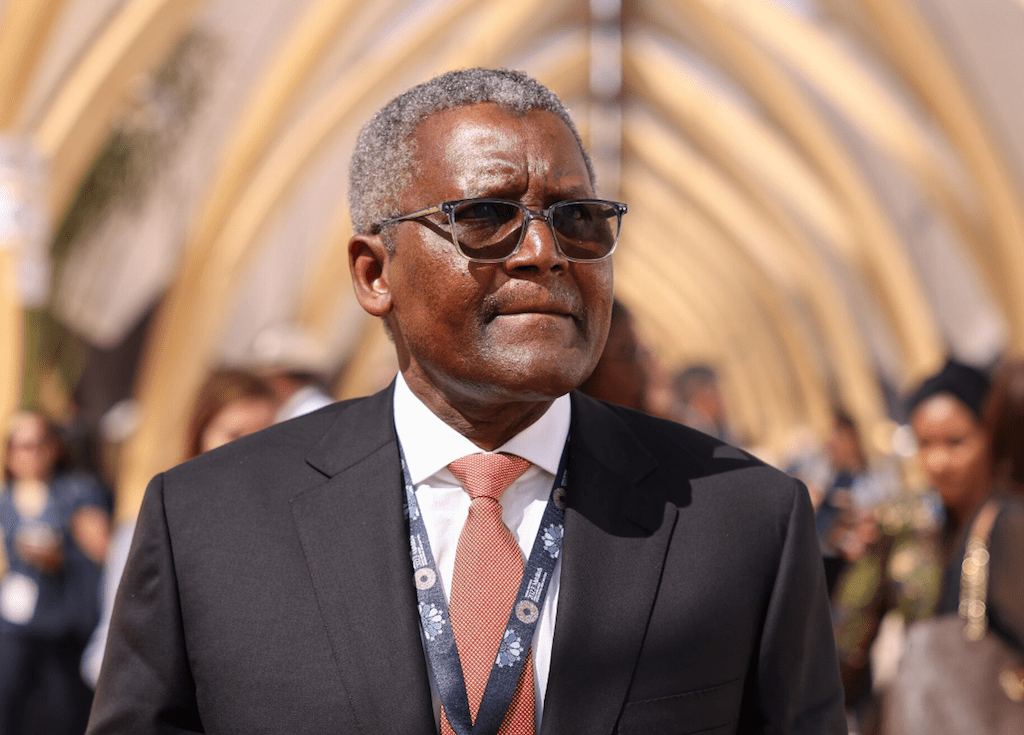
Dangote Unveils Olokola Mega Seaport Project Poised to be Africa’s largest
Dangote Group has commenced preliminary activities for the execution of the multi-billion-dollar Olokola Deep Sea Port project.
Projected to become Africa’s largest deep seaport, it is a strategic infrastructure development expected to reshape Nigeria’s maritime and industrial landscape.
The massive maritime and industrial hub, which forms a key pillar of Dangote Industries Limited’s “Vision 2030” agenda, will sit on more than 10,000 hectares within the Olokola Free Trade Zone, stretching across Ogun Waterside Local Government Area of Ogun State to Ilaje Local Government Area of Ondo State along the Atlantic coastline.
The project has already secured the backing of host communities, traditional rulers and security agencies, with residents expressing optimism that the development would unlock unprecedented economic opportunities for the region.
Leading the company’s delegation to the project communities, the Managing Director of Infrastructure and Logistics at Dangote Industries Limited, Capt. Jamil Abubakar, described the Olokola Deep Sea Port as a transformational logistics gateway designed to strengthen Africa’s maritime trade capacity and accelerate industrial growth across the continent.
According to him, the seaport will serve as the logistics backbone for Dangote Industries, facilitating the export of fertilisers, petrochemicals and refined petroleum products, while also supporting future Liquefied Natural Gas exports and the importation of heavy industrial equipment.
Abubakar said the project represents a deliberate expansion into logistics, maritime infrastructure and export-driven industrialisation as the Dangote Group pushes toward its ambition of becoming a $100 billion annual revenue company and ranking among the world’s top 100 corporations within the next five years.
“The Olokola Port project is a major step toward unlocking Nigeria’s economic potential, reducing pressure on existing ports and strengthening industrial growth,” he said.
“It will create jobs, stimulate business activities and drive long-term development in Ogun and Ondo states. With its strategic location, Olokola will become a major gateway for exports and imports, boosting Nigeria’s competitiveness in regional and global trade.”
Abubakar assured the communities that continuous engagement would remain a central part of the execution process, noting that the project would deliver far-reaching economic and social benefits.
The Dangote team, accompanied by surveyors and environmental consultants, visited Ode-Omi in Ogun State, Araromi Seaside Kingdom and Igbokoda in Ondo State as part of stakeholder consultations and preliminary project activities.
Welcoming the delegation, the Lenuwa of Ode-Omi, Oba Folailu Adekunle Hassan (Oshotekun II), expressed delight over the choice of the area for the world-class maritime hub and pledged the community’s support.
“We have been expecting you for long. It is good that you are here today. Do your best and we will all benefit from this process,” the monarch said.
He also granted approval for the commencement of surveys, household enumeration and compensation processes linked to the project.
Similarly, the Alara of Araromi Seaside Kingdom, Oba Adeoloye Olawole, assured Dangote Industries of both physical and spiritual support for the project.
“We can’t wait for this project to commence. If it is possible for it to begin tomorrow, you are welcome,” the monarch declared.
In a further show of institutional support, the Dangote management also visited the Nigerian Navy Forward Operating Base in Igbokoda, where the Acting Commanding Officer, Lt. Commander A.A. Makinwa, pledged the Navy’s cooperation toward the successful execution of the project.
The proposed Olokola Deep Sea Port is expected to emerge as a major logistics and industrial hub capable of attracting foreign investment, boosting export diversification, deepening intra-African trade under the African Continental Free Trade Area and generating thousands of direct and indirect jobs.
Industry analysts believe the project could significantly strengthen Nigeria’s position as a regional maritime and industrial powerhouse while easing congestion at existing ports and opening up new economic corridors along the Gulf of Guinea.







Business
NNPCL: We Introduced ₦66 Fuel Discount Before FG’s Announcement
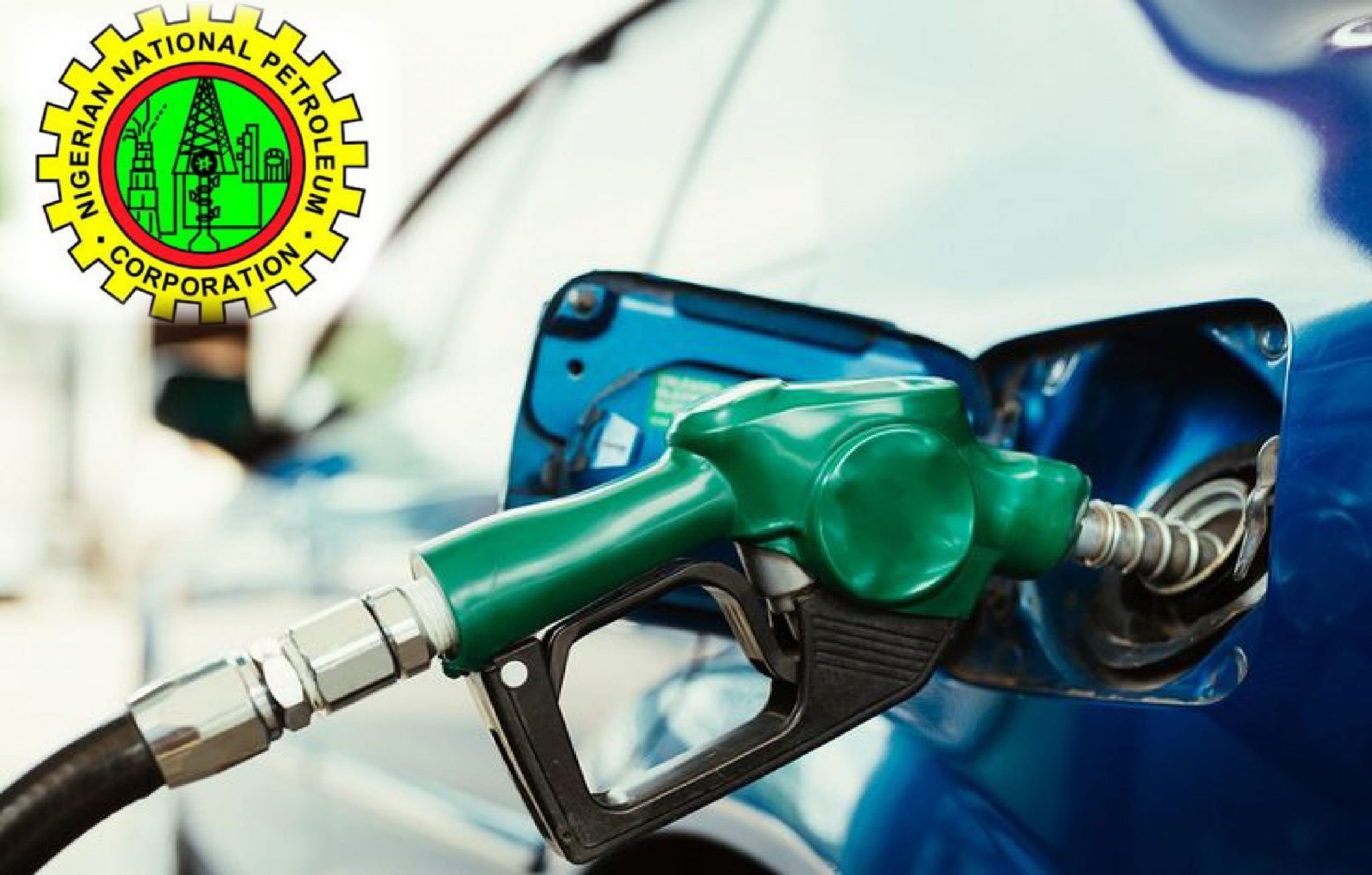
NNPCL: We Introduced ₦66 Fuel Discount Before FG’s Announcement
The Nigerian National Petroleum Company Limited (NNPCL) has said it introduced a ₦66-per-litre petrol discount on October 1, before the Federal Government announced a separate fuel price-relief measure aimed at cushioning Nigerians against rising petrol prices.
The national oil company said the initial discount was introduced to commemorate Nigeria’s 66th Independence Anniversary and would remain in effect until October 31, 2026, at NNPC Retail filling stations nationwide.
NNPCL’s clarification followed the Federal Government’s announcement of a 30-day petrol discount arrangement on October 8, under which the company’s retail arm would temporarily forgo its profit margin and sell petrol at cost to provide relief to consumers.
In a statement issued on Friday, October 9, NNPCL’s Chief Corporate Communications Officer, Andy Odeh, said the company’s earlier discount was a customer-relief initiative and should not be interpreted as a restoration of petrol subsidy.
“Before the announcement, NNPC Limited had introduced a sales discount on 1 October 2026 to commemorate Nigeria’s 66th Independence Anniversary. This will now continue until 31 October 2026 across NNPC Retail stations nationwide,” the company said.
NNPCL explained that the initiative was designed to ease the financial pressure on motorists and other customers amid rising global crude oil prices and their impact on domestic petrol costs.
READ ALSO:
- ‘Mad People’: Presidency Fires Back at Amaechi Over Tinubu Re-Election Remarks
- ‘What Happens on Day 31?’ Atiku Slams Tinubu’s 30-Day Fuel Discount as Election-Laced Package
- Ronaldo Breaks Silence on Portugal Row as Pelé, Maradona Comparison Sparks Meme Frenzy
The company stressed that the discount applied to its retail outlets and did not establish a uniform petrol price nationwide or change the market-based pricing framework governing petroleum products.
It also urged Nigerians not to confuse the temporary price reduction with the return of the fuel subsidy regime, which the Federal Government ended in May 2023.
The Federal Government’s separate intervention, announced by the Minister of Finance and Coordinating Minister of the Economy, Taiwo Oyedele, provides for NNPC Retail to forgo its retail profit margin for an initial 30-day period. Public transport operators are to receive priority under the arrangement.
The government has maintained that the new measure is not a subsidy because the discount is to be absorbed through NNPC Retail’s profit margin rather than funded by public revenue.
NNPCL said it would continue working with the Federal Government and other stakeholders to help cushion the impact of elevated fuel prices on households, businesses and the wider economy.
The clarification comes amid mounting concern over petrol prices and transportation costs, which have increased the financial burden on Nigerian households and businesses.
The company reaffirmed its commitment to reliable fuel supply, responsible customer service and clear communication about the scope and duration of its pricing initiatives.
NNPCL: We Introduced ₦66 Fuel Discount Before FG’s Announcement
Insurance
Lasaco Assurance Retains A(NG) Rating as Revenue Rises 35.2% to N30.8bn

Lasaco Assurance Retains A(NG) Rating as Revenue Rises 35.2% to N30.8bn
Lasaco Assurance Plc has retained its A(NG) national-scale financial strength rating for the 2025/2026 rating period, following an affirmation by Global Credit Rating Co. (GCR), with a stable outlook, in a development that highlights the insurer’s capital position and ongoing growth strategy.
The rating affirmation reflects the company’s risk-adjusted capital base, adequate liquidity and efforts to strengthen its underwriting capacity amid competition and evolving demands in Nigeria’s insurance industry.
According to the company, its financial performance was supported by a significant capital injection in 2026, which strengthened its capacity to underwrite larger and higher-value risks. The additional capital is expected to support its expansion plans and improve its ability to manage the financial risks associated with its insurance operations.
Lasaco Assurance recorded a 35.2 per cent increase in insurance revenue to N30.8 billion in 2025, reflecting growth across its business lines. The performance underscores the company’s efforts to expand its business portfolio and deepen its presence in the Nigerian insurance market.
Despite the revenue growth, the insurer continues to face underwriting performance pressures, making improved risk selection, pricing discipline and cost management important to its drive for stronger profitability.
The company is pursuing a range of strategic initiatives aimed at expanding retail insurance penetration, accelerating digitalisation and strengthening partnerships to attract new customers and improve service delivery.
READ ALSO:
- Man Allegedly Caught Using Old Tyres to Scam POS Operator
- BREAKING: FG Unveils 10 Measures to Cushion Fuel Price, Inflation Pressures
- 2027: ADC Vows to Collate, Share Polling-Unit Results Despite INEC Warning
These initiatives are also expected to support wider access to insurance products, improve operational efficiency and strengthen the company’s competitive position in a market where insurers are increasingly seeking innovative ways to reach individuals and businesses.
Lasaco Assurance’s diversified business portfolio remains a key component of its growth strategy, with several business lines contributing to its revenue. The company is also prioritising improved underwriting discipline and more effective use of reinsurance capacity to manage exposure to large claims and reduce earnings volatility.
Reinsurance enables insurers to transfer part of their risks to other insurance providers, helping them manage large exposures and preserve their financial capacity. For Lasaco Assurance, effective deployment of reinsurance arrangements is part of its broader effort to balance business expansion with risk management.
Commenting on the rating affirmation, the company’s Managing Director, Ademoye Shobo, expressed satisfaction with the recognition, describing it as a validation of the efforts and resilience of the company’s workforce.
“Lasaco Assurance is proud of this recognition, which validates the hard work and resilience of our team. Nonetheless, we remain fervently committed to continuous improvement and are actively working to elevate our rating through enhanced underwriting practices, operational excellence, and strategic growth,” Shobo said.
The company said its strengthened capital base and improved liquidity coverage had positioned it to pursue sustainable growth over the rating outlook period.
However, sustaining the positive momentum will depend on its ability to translate revenue growth into improved underwriting results, maintain adequate liquidity and manage risks effectively as its business expands.
The insurer’s emphasis on operational efficiency and disciplined underwriting reflects the need to balance growth with profitability, particularly in an industry where claims obligations, pricing pressures and changing market conditions can affect financial performance.
Lasaco Assurance also aims to increase its market share while delivering value to policyholders through improved products and service delivery. Its digitalisation strategy and retail market expansion are expected to play important roles in reaching more customers and strengthening its distribution channels.
The continued affirmation of its A(NG) rating provides a positive signal about the company’s financial strength within the national rating scale. However, the rating does not eliminate the operational and underwriting risks associated with its business.
As Lasaco Assurance advances its growth agenda, its ability to sustain revenue expansion, strengthen underwriting profitability and maintain sound capital and liquidity positions will remain important to its long-term performance and standing in Nigeria’s insurance sector.
Lasaco Assurance Retains A(NG) Rating as Revenue Rises 35.2% to N30.8bn
Auto
Jetour W Motors Celebrates Customers, Unveils Nigeria Owners Club After Brazil Promo
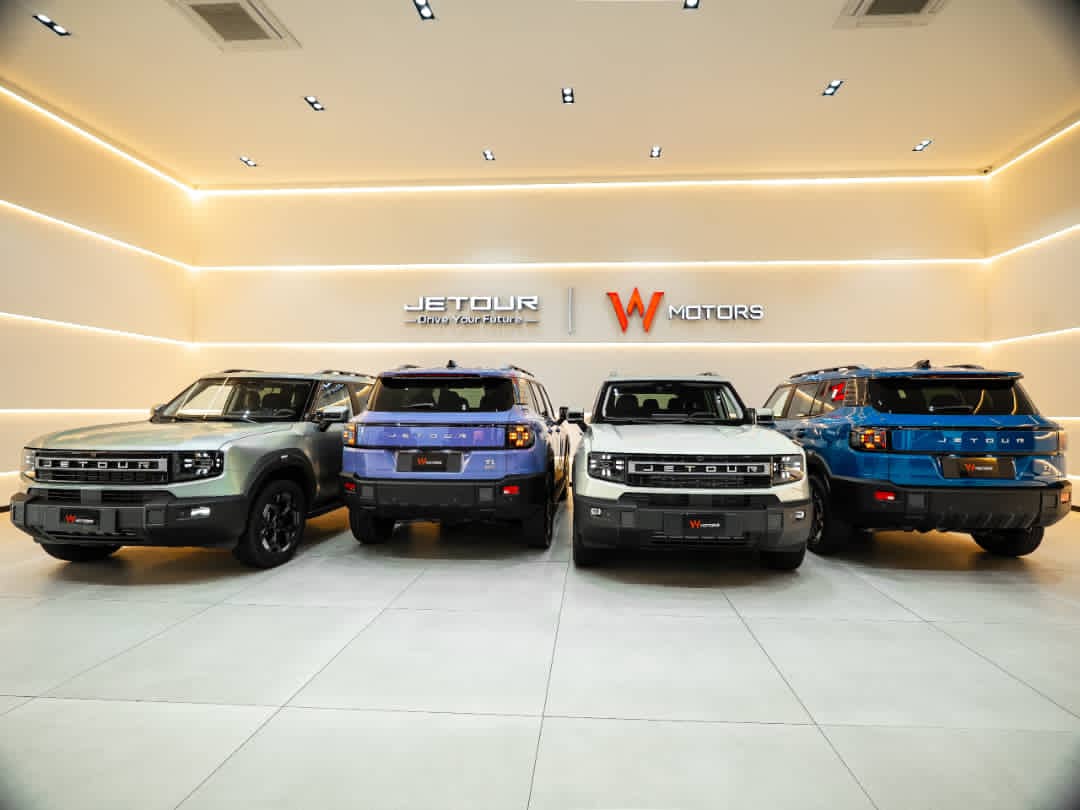
Jetour W Motors Celebrates Customers, Unveils Nigeria Owners Club After Brazil Promo
Jetour W Motors Nigeria is stepping up efforts to strengthen customer loyalty and build a vibrant community of vehicle owners with the successful conclusion of its #WinYourWayToBrazil campaign and the official establishment of the Jetour Nigeria Club.
The twin initiatives mark a new phase in the Chinese automotive brand’s engagement with Nigerian customers, extending its relationship with vehicle owners beyond sales and after-sales services to include shared experiences, lifestyle activities, adventures and community-building programmes.
The campaign climaxed with a live raffle draw on Friday, September 25, 2026, at the Jetour W Motors showroom on Adeyemo Alakija Street, Victoria Island, Lagos, where eligible customers gathered for an evening of entertainment, refreshments, networking and the eagerly anticipated announcement of the winner.
The promotion offered customers who ordered and purchased any Jetour vehicle between August 18 and September 20, 2026, the opportunity to win a trip to Brazil for the Jetour Brazil Fan Festival.
The event also featured the distribution of branded Jetour Owners Club gifts, adding to the celebratory atmosphere as customers interacted with one another and members of the Jetour team.
Beyond the excitement surrounding the raffle draw, the occasion provided a platform for Jetour W Motors to unveil the Jetour Nigeria Club, an initiative designed to bring owners of the brand’s vehicles together through a structured calendar of activities and shared experiences.
The club, officially established for the first time in Nigeria, is expected to create opportunities for members to participate in organised adventures, social gatherings and other community initiatives while strengthening their connection with the brand.
Registration for membership will open soon, with all Jetour owners invited to join the emerging community.
The development reinforces Jetour W Motors Nigeria’s strategy of building lasting relationships with customers in a competitive automotive market where ownership experience, customer engagement and brand loyalty are becoming increasingly important.
The #WinYourWayToBrazil campaign follows the successful Jetour Africa Expedition — Nigeria Edition, which brought together Jetour owners, influencers, media professionals and members of the company’s team for a distinctive experience combining driving, adventure and Nigerian culture.
The expedition was the brand’s first major activation specifically designed to bring Jetour owners together in Nigeria, providing an opportunity for participants to connect beyond their individual vehicle ownership experiences.
With the Brazil campaign and the launch of the national owners’ club, Jetour W Motors is building on that foundation by creating more opportunities for customers to interact, participate in brand-led activities and develop relationships with fellow owners.
The approach reflects a broader effort to position vehicle ownership as an experience that extends beyond the showroom, encompassing lifestyle, recreation and a sense of belonging to a growing community.
Jetour W Motors Nigeria is the authorised distributor of Jetour vehicles in the Nigerian market, where the brand continues to expand its presence through customer-focused initiatives and engagement programmes.
The planned opening of membership registration for the Jetour Nigeria Club is expected to provide the next opportunity for owners to become part of the community and participate in activities designed to deepen their connection with the brand.
-
 metro1 day ago
[UPDATED] 20 NYSC Prospective Corps Members Freed After Seven Days in Captivity
-

 Politics2 days ago
‘No Decent Wages, No Credible Elections’ — Sowore Threatens 2027 Boycott
-

 metro2 days ago
Seven Years With Parkinson’s: Man Seeks N65m for Brain Surgery in Türkiye
-

 Politics2 days ago
2027: Obi Makes U-Turn, Vows to Restore Fuel Subsidy If Elected
-
 metro1 day ago
EFCC Re-Arraigns Two Over Alleged £110,000 Money Laundering, ₦500m Fraud
-

 metro2 days ago
Yayi, Adebule, Muslim Leaders, Others for Imodi-Ijebu Turbaning, ₦1bn Fundraiser
-

 Politics2 days ago
2027: Galadima Alleges APC Offering N50m, N200m to Lawmakers to Step Aside
-
 metro1 day ago
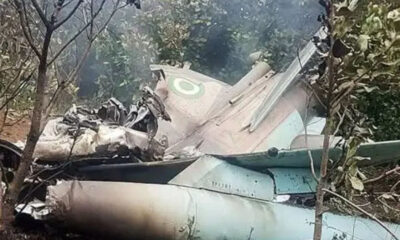
NAF Crash: NYSC-Bound Graduate, Only Son, Among 25 Victims