

metro
Tension Rises as Fulani Herders Reportedly Leave Southern Communities
Tension Rises as Fulani Herders Reportedly Leave Southern Communities
A growing number of Fulani settlers and herders are reportedly leaving parts of southern Nigeria amid rising tensions, worsening insecurity, and allegations of ethnic profiling and targeted hostility in some communities.
Investigations and field reports indicate that some Fulani families in parts of the South-West and South-East have either relocated voluntarily or been forced to move from areas where they have lived for decades, following suspicions linking some individuals to crimes such as kidnapping, banditry, and terrorism-related violence.
Sources say the movement has been gradual but increasingly noticeable in rural communities, where pastoral families are reportedly abandoning long-standing settlements. In some cases, herders are said to be relocating livestock toward northern Nigeria or moving to neighbouring West African countries perceived as safer for grazing activities.
The development comes amid heightened insecurity in several parts of the country, where killings, abductions, and rural violence have fueled mistrust between farming communities and migrant herders.
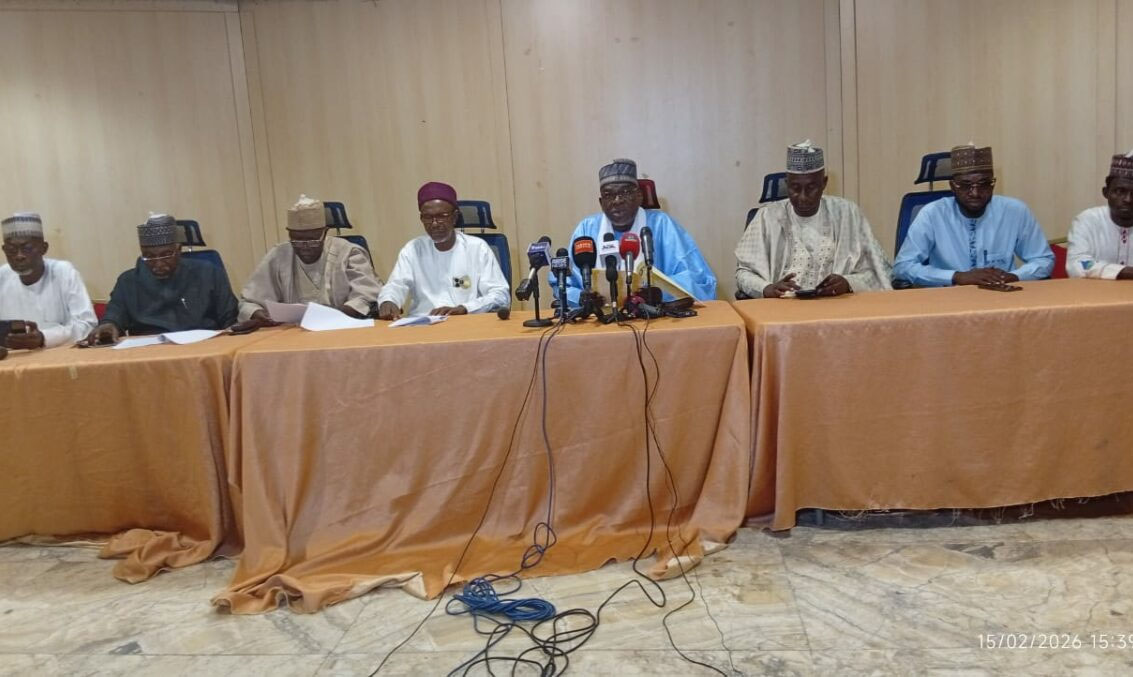
The Miyetti Allah Cattle Breeders Association of Nigeria (MACBAN) has denied claims that its members are widely involved in criminal activities, insisting that many innocent herders are becoming victims of ethnic profiling, displacement, and attacks.
The South-West Chairman of MACBAN and Sarkin Fulani of Abeokuta, Alhaji Muhammad Labar, confirmed that some members had already left the region due to fear and insecurity.
He said: “Some of our members have already left the South-West. They relocated to places where they believe they will be safer and more comfortable. There is fear within the Fulani community because of the way criminality is increasingly being linked to our people.”
READ ALSO:
- Recruitment: CDCFIB Releases Successful Immigration, NSCDC, Fire Service Applicants
- Boko Haram Torches Schools in Borno, Residents Escape Into Bush
- Abdulsalami Breaks Silence on Abiola’s Death, Says Autopsy Ruled Out Poisoning
Labar added that Fulani settlers have lived peacefully in the region for generations and contribute significantly to the economy through cattle rearing and livestock trade.
MACBAN stressed that it continues to advocate for peaceful coexistence between Fulani herders and host communities, urging members not to engage in actions that could escalate tensions.
The association also stated that it has consistently worked with security agencies to identify and expose criminal elements within rural communities.
“We have always maintained that anybody found wanting should face the law. We will never allow the image of the Fulani community to be dragged into criminality,” Labar said.
Further findings indicate that Fulani herders in parts of the South-East are also facing growing insecurity, including reported killings, cattle rustling, and forced displacement in some communities.
The Deputy Director-General of MACBAN overseeing the South-East and South-South zones, Gidado Siddiki, alleged that several pastoralists were killed between November 2025 and May 2026 in parts of Enugu State, including Uzo-Uwani, Nkanu East, Enugu East, and Igbo-Etiti Local Government Areas.
He also claimed that dozens of cattle were killed or stolen in separate incidents and expressed concern that reports made to security agencies had not yielded adequate results.
Siddiki further alleged that Fulani settlers were displaced in some communities in Ebonyi State, despite mediation efforts involving security agencies.
While MACBAN officials described parts of Abia State as relatively calm, they said pastoralists in some areas still face restrictions and discrimination.
In Anambra State, they noted some improvement in security following government interventions, although isolated incidents of violence against herders were still reported.
Some residents in affected communities continue to express concern over rising insecurity, particularly kidnapping, armed attacks, and destruction of farmlands linked to rural violence.
A Fulani resident in Osun State, speaking anonymously, said many Fulani families in southern Nigeria were born and raised in their host communities and should not be collectively blamed for criminal acts.
He also said many herders cooperate with security agencies by sharing intelligence and monitoring newcomers within their communities.
Stakeholders and security analysts have called for renewed dialogue between farmers and herders, improved rural security, and stronger conflict resolution mechanisms to address rising tensions.
They warn that continued farmer–herder conflicts, if not properly managed, could deepen mistrust, increase displacement, and worsen insecurity across several states.
Authorities have yet to confirm a coordinated or mass exit of Fulani settlers from southern Nigeria.
Tension Rises as Fulani Herders Reportedly Leave Southern Communities







metro
Panic as Gunmen Storm Kaduna Estate at Midnight, Abduct Residents

Panic as Gunmen Storm Kaduna Estate at Midnight, Abduct Residents
KADUNA, Nigeria — Residents of Nuru Suraj Estate in the Millennium City area of Kaduna State have been thrown into panic after suspected kidnappers invaded the residential community in the early hours of Tuesday and reportedly abducted about six people.
The attack, which occurred between midnight and 1:00 a.m. on October 27, 2026, has renewed concerns over the safety of residents in the area, which has witnessed repeated kidnapping incidents in recent years.
According to reports, the attackers gained access to the estate through its second gate before carrying out the abductions, leaving residents frightened as the gunmen reportedly moved into the neighbourhood.
A resident identified as Maman Hamid, whose house is close to those of the victims, reportedly said the incident triggered panic among residents.
Hamid disclosed that military personnel pursued the suspected kidnappers following the attack, leading to the rescue of some of the victims. However, the assailants reportedly escaped.
The exact number of people rescued and the whereabouts of those who remained missing were not immediately established as of the time of filing this report.
The Kaduna State Police Command had yet to issue an official statement on the latest incident as of the time the reports were published.
The reported attack has raised fresh questions about security arrangements in residential estates around Millennium City, particularly the effectiveness of access controls, surveillance systems and security patrols.
Residents in communities on the outskirts of Kaduna metropolis have repeatedly expressed concerns over the activities of suspected kidnappers, whose attacks have heightened fears among families living in the area.
The latest incident also comes barely three weeks after another abduction involving a family at Alrahus Estate, also in Millennium City.
On the night of October 6, suspected kidnappers reportedly abducted Ahmed Abubakar Zakka, his wife, Nafisah, and their six-month-old daughter, Fatima, alongside a pregnant woman in a separate incident reported in the area.
The family was subsequently rescued, with their ordeal attracting public attention and renewing calls for stronger security measures in the affected communities.
In another development, police authorities reportedly announced on October 12 the arrest of eight suspected kidnappers and four alleged informants during security operations around Millennium City and Maraban Rido. Weapons, including AK-47 rifles, were also reportedly recovered during the operations.
The arrests were seen as part of efforts to disrupt kidnapping networks and identify individuals suspected of providing information to criminal groups.
However, Tuesday’s reported attack has again highlighted the security challenges confronting residents, despite previous operations against suspected kidnapping gangs in the area.
The incident has reinforced calls for improved surveillance, tighter monitoring of estate entrances and exits, sustained security patrols and faster responses to distress calls.
For the affected families, the immediate concern remains the safety of those reportedly abducted and the efforts required to secure their release.
As of the time of filing this report, the identities of all the victims, the precise number still in captivity and the circumstances surrounding their possible rescue had not been fully established.
Residents are expected to look to security agencies for further information and decisive action to prevent further attacks on homes and residential communities in Kaduna State.
Panic as Gunmen Storm Kaduna Estate at Midnight, Abduct Residents
metro
Ansaru Claims Killing of Katsina Cleric Masussuka as Police Launch Manhunt
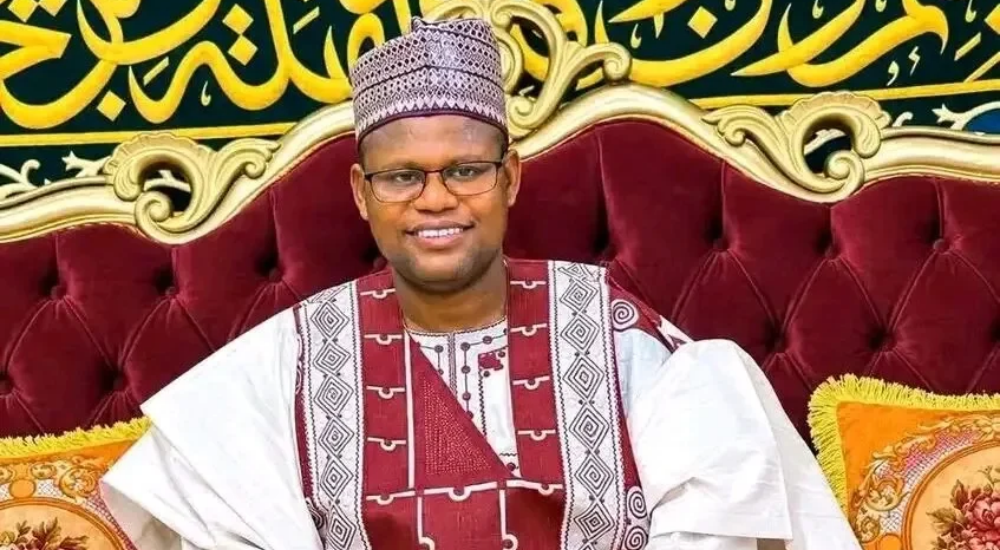
The reported claim of responsibility by Ansaru for the killing of Islamic cleric Sheikh Yahaya Ibrahim Masussuka has added a new dimension to the investigation into the deadly attack in Dutsin-Ma, Katsina State, where the preacher and his associate, Adamu Abubakar, were shot dead.
The Katsina State Police Command said the attack occurred at about 7:30 p.m. on Monday, October 26, 2026, when two armed men riding on a motorcycle opened fire on the victims outside the cleric’s residence. Both men were rushed to a hospital but were pronounced dead.
The police have deployed tactical and operational teams to the area and commenced investigations to identify and arrest the attackers. The command said efforts were being intensified to bring those responsible to justice.
READ ALSO:
- MURIC Accuses Police Contractor of Refusing to Rebuild Mosque at Lagos Barracks, Demands Equal Treatment
- Nigerian Navy Recruitment 2026: October 31 Deadline, Full Requirements and How to Apply
-
Outrage as Police Respond to Dispute Involving 3-Year-Old Soccer Prodigy Accused of Outshining Older Players
Reports of the alleged Ansaru claim have circulated, but the group’s responsibility has not been independently established. The police have not publicly confirmed the claim, while the identities of the attackers and their motive remain unclear.
Masussuka was known for his Qur’an-centred teachings, which attracted both support and criticism among religious audiences. In 2025, the Katsina State Government reportedly intervened following complaints and threats linked to disputes over his teachings. However, no established evidence has connected those earlier disagreements to the killing.
President Bola Ahmed Tinubu condemned the killings and directed the police and other security agencies to intensify efforts to track down, arrest and prosecute those responsible. Katsina State Governor Dikko Umaru Radda also condemned the attack and called for a thorough investigation.
The investigation is ongoing, and the reported claim of responsibility should not be treated as confirmation of who carried out the attack until it is verified by investigators.
Ansaru Claims Killing of Katsina Cleric Masussuka as Police Launch Manhunt
metro
MURIC Accuses Police Contractor of Refusing to Rebuild Mosque at Lagos Barracks, Demands Equal Treatment
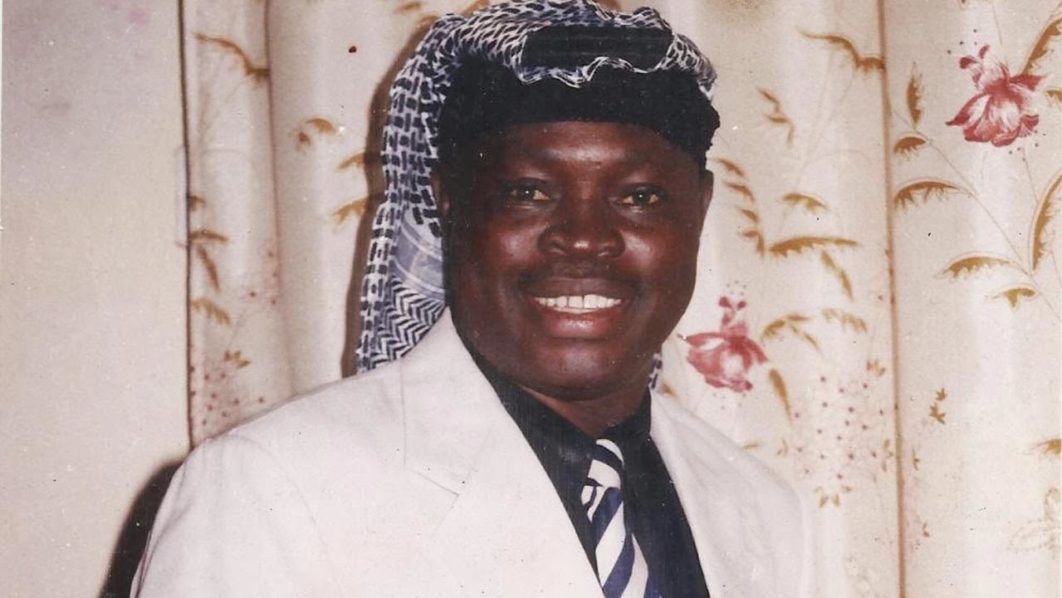
The Muslim Rights Concern (MURIC) has urged the Nigerian Police authorities to ensure that a contractor rebuilding religious worship centres at Ijeh Police Barracks in Obalende, Lagos, reconstructs both the mosque and the church, following allegations that the contractor intends to abandon the mosque because of his religious affiliation.
MURIC alleged that the contractor, who has reportedly commenced work on the church, refused to rebuild the mosque because he is a Catholic. The organisation called on the police authorities to investigate the allegation and ensure that both projects are completed in accordance with the terms of the contract.
In a press statement issued on Tuesday, October 27, 2026, the group’s Founder and Executive Director, Professor Ishaq Akintola, said rebuilding one worship centre while leaving the other unattended would raise concerns about religious fairness, accountability and the use of public funds.
The organisation said the church and mosque were demolished between August 31 and September 1, 2026, and that the reconstruction project should provide for both Christian and Muslim worshippers living in the barracks.
Ijeh Police Barracks, located along St. Gregory’s College Road in Ikoyi, accommodates police personnel and their families, including Muslims and Christians. MURIC argued that providing worship facilities for both religious communities was important to maintaining fairness and peaceful coexistence.
READ ALSO:
- Nigerian Navy Recruitment 2026: October 31 Deadline, Full Requirements and How to Apply
- Outrage as Police Respond to Dispute Involving 3-Year-Old Soccer Prodigy Accused of Outshining Older Players
- Osimhen Brace Sinks Fenerbahce as Galatasaray Win Istanbul Derby
The group said the alleged refusal to rebuild the mosque, if established, would violate the terms of the contract and undermine confidence in the process.
MURIC urged the police authorities to call the contractor to order and ensure that work on both buildings progressed simultaneously. It also suggested that the contractor should be replaced if personal religious convictions prevented him from carrying out the full assignment.
The organisation further raised concerns about the reported allocation of land for the two worship centres, alleging that the church had been allocated 108 feet while the mosque was allocated 68 feet.
It called on the police authorities to explain the basis for the difference, arguing that the allocation should be guided by transparent and fair criteria.
MURIC also questioned the use of public funds for a project that, according to its account, was intended to cover both buildings. It maintained that taxpayers from different religious backgrounds contributed to public revenue and should receive equal consideration in the provision of public facilities.
The organisation cited reports concerning the provision of prayer space for Muslim visitors at the Vatican as an example of religious accommodation. It also raised broader concerns about alleged restrictions on Muslim workers and students seeking to observe Friday congregational prayers, known as Jumu’ah.
The group called on the police authorities to address both the alleged refusal to rebuild the mosque and the reported difference in land allocation, stressing that the issues required clarification to prevent further religious tension.
As of the time of the statement, MURIC’s allegations against the contractor and its claims concerning the land allocation had not been independently verified. There was also no response from the police authorities or the contractor included in the organisation’s press release.
The police authorities’ response, alongside clarification of the contract terms and land allocation, would help establish the circumstances surrounding the reconstruction project.
MURIC Accuses Police Contractor of Refusing to Rebuild Mosque at Lagos Barracks, Demands Equal Treatment
-

 metro15 hours ago
Cancelled Wedding: Man Sues Ex-Fiancée’s Father Over Unpaid ₦70,000 Dowry
-

 Politics3 days ago
2027: APGA Chairman Says South-East Must Back Tinubu to Secure Igbo Presidency
-

 Entertainment3 days ago
Tope Alabi Threatens Pastor With Lawsuit Over Toluwanisings’ Death Claims
-

 International3 days ago
France Deploys 70,000 Police as Cost-of-Living Protests Intensify
-
 metro3 days ago
Borno: Troops Kill 15 Terrorists in Midnight Air Strike
-

 Politics3 days ago
Atiku Condemns Attack on Edo Comedian Over Refusal to Support Tinubu
-

 Auto15 hours ago
Car of the Year, other top honours up for grabs as NAJA Awards race begins
-
 International3 days ago
Tibet in Mourning: 7.0 Quake Kills 16, Injures 76 as Rescue Teams Race Against Time in Nagqu