

metro
Abdulsalami Breaks Silence on Abiola’s Death, Says Autopsy Ruled Out Poisoning
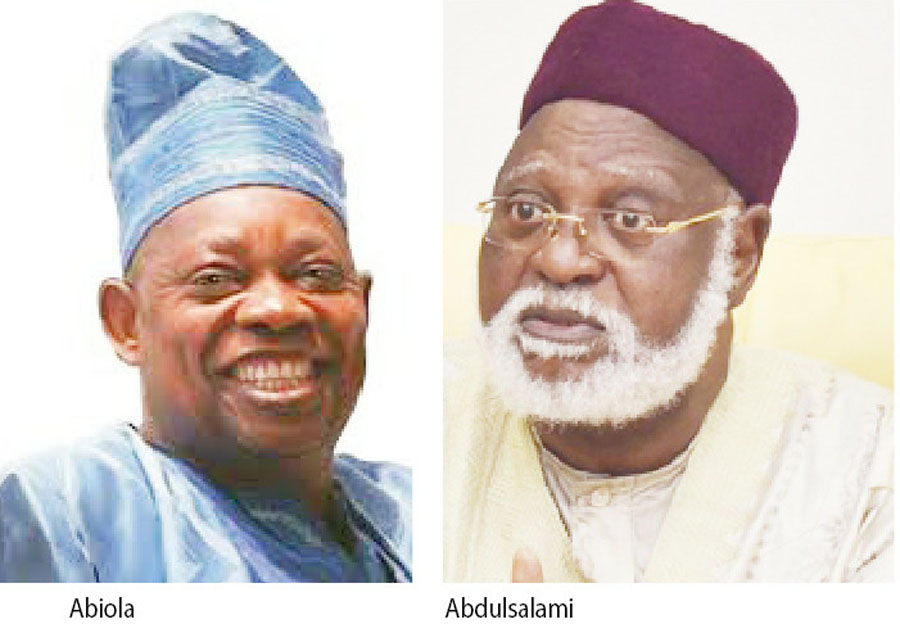
Abdulsalami Breaks Silence on Abiola’s Death, Says Autopsy Ruled Out Poisoning
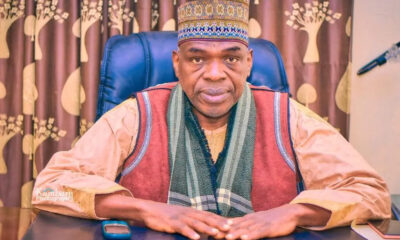
Former Head of State, Gen. Abdulsalami Abubakar (retd.), has dismissed longstanding allegations that the late Chief MKO Abiola was poisoned, insisting that medical investigations conducted after the business mogul’s death concluded that he died of natural causes.
Abdulsalami made the revelation in Chapter 21 of his newly launched autobiography, Call of Duty, which was unveiled on Saturday at the Presidential Villa, Abuja, during events marking his 84th birthday.
The 264-page memoir provides fresh insight into the death of MKO Abiola, widely regarded as the winner of the annulled June 12, 1993 presidential election, as well as other key events that shaped Nigeria’s transition from military rule to democracy.
According to Abdulsalami, allegations that Abiola was poisoned are not supported by available medical evidence. He stated that the family of the late politician requested an autopsy after his death and that a team of American, British, Nigerian and Canadian pathologists was assembled to conduct the examination.
“I do not believe Abiola was poisoned. The family requested an autopsy and we assembled American, British, Nigerian and Canadian pathologists to conduct it. The autopsy report attributed his death to natural causes,” he wrote.
The former military leader explained that Abiola had been dealing with health challenges long before his death, including hypertension and a heart-related condition. He referenced a radiology report dated September 28, 1994, prepared by Colonel (Dr.) O. Awofeso, then Chief Consultant Radiologist at the Nigerian Army Defence Hospital, Sokoto, which reportedly showed that Abiola had an enlarged heart and signs of hypertensive cardiac disease.
Abdulsalami recounted that Abiola died on July 7, 1998, while meeting a visiting United States delegation led by then Undersecretary of State for Political Affairs, Tom Pickering, and Assistant Secretary of State for African Affairs, Susan Rice.
READ ALSO:
- Death of Retired General in Captivity Sparks Fresh Concerns Over Nigeria’s Security Crisis
- DSS Foils Arms Delivery to Zamfara Bandits, Arrests Suspect in Kano
- BREAKING: Atiku Picks Amaechi As Running Mate For 2027 Presidential Election
Drawing from Rice’s memoir, Tough Love: My Story of the Things Worth Fighting For, Abdulsalami said Abiola began coughing shortly after the meeting started. Rice reportedly noticed that Abiola’s ankles were swollen and that his coughing became increasingly severe during the discussion.
As his condition worsened, Abiola complained that he felt unusually warm and requested stronger air conditioning. A doctor was summoned and reportedly concluded that he was suffering a heart attack.
Abdulsalami also cited Pickering’s account of the incident, in which the diplomat recalled that Abiola developed breathing difficulties after visiting the restroom and appeared visibly distressed. According to Pickering, Abiola was moved to a couch, removed his shirt and asked for more ventilation before medical personnel arrived.
“A doctor arrived within 10 minutes and called for immediate hospital attention. We all helped to put him in a car. There was no ambulance immediately available. We followed him to the clinic of the Head of State of Nigeria, where doctors immediately began to work on him, but unfortunately their efforts were unsuccessful,” Pickering was quoted as saying.
The retired general recalled receiving the shocking news from his Chief Security Officer, Abdulrasheed Aliyu, who accompanied the American officials to the meeting.
“Aliyu, my CSO, called me. As soon as I picked, he said, in a shaky voice, that there was a problem. I asked: ‘What problem again?’ He said Abiola was dead. My head went blank,” Abdulsalami wrote.
He added that informing Abiola’s family was one of the most difficult moments of the ordeal, noting that one of Abiola’s daughters became overwhelmed with emotion and had to be comforted by Susan Rice.
One of the most significant revelations in the memoir is Abdulsalami’s claim that efforts to secure Abiola’s release were already underway before his sudden death. Former President Olusegun Obasanjo, who spoke at the public presentation of the book, confirmed that discussions regarding Abiola’s freedom had reached an advanced stage.
According to Obasanjo, Abdulsalami had maintained communication with members of the Abiola family, while Abiola’s son, Kola Abiola, was already in Abuja as arrangements for his father’s release progressed. The disclosure is likely to reignite debate over one of the most controversial chapters in Nigeria’s political history.
Abdulsalami argued that permitting the American delegation access to Abiola ultimately helped dispel conspiracy theories surrounding his death.
“If we had not allowed the American delegation to see him and he had died in custody, it would have been a different story. It would have been insinuated that he had long died and we were trying to cover it up,” he stated.
The former Head of State also disclosed that former military ruler Ibrahim Babangida never discussed the annulment of the June 12 election with him. According to Abdulsalami, despite widespread assumptions that he was involved in the decision-making process, he only learned about the annulment like many other Nigerians.
The retired general also used the memoir to refute allegations that he received $500 million following the death of General Sani Abacha.
“I want to put it on record that nobody gave me $500 million or any amount, bigger or smaller.
“Is it possible to collect half a billion dollars in cash and only one person in the world would know about it?” he asked.
He described the allegation as baseless and lacking any factual foundation.
Abiola, the presumed winner of the annulled June 12 election, remained in detention after declaring himself president in 1994. His death on July 7, 1998, barely a month after the death of General Sani Abacha, triggered widespread speculation and controversy, with many Nigerians believing he was prevented from reclaiming the mandate many considered rightfully his.
Abdulsalami later assumed leadership of the country and oversaw Nigeria’s transition to democratic rule, eventually handing over power to former President Olusegun Obasanjo on May 29, 1999.
With the release of Call of Duty, Abdulsalami has offered one of the most detailed insider accounts yet of the events surrounding MKO Abiola’s death, the June 12 crisis, and Nigeria’s return to democracy.
Abdulsalami Breaks Silence on Abiola’s Death, Says Autopsy Ruled Out Poisoning







metro
Anambra Police Arrest Woman Over Alleged Sexual Abuse of Child, Rescue Four
Anambra Police Arrest Woman Over Alleged Sexual Abuse of Child, Rescue Four
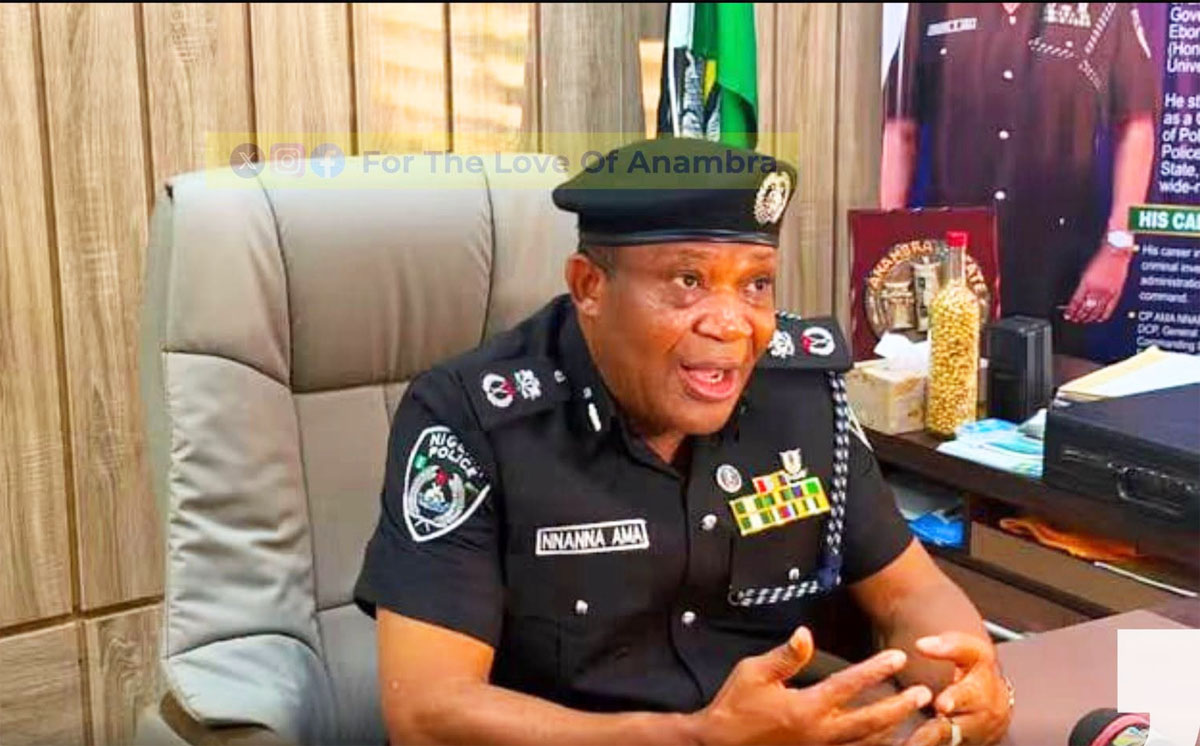
The Anambra State Police Command has arrested a 36-year-old woman, identified as Anulika Onyeanusia, over an alleged child sexual abuse case in Onitsha following the circulation of a disturbing video online.
The arrest was made after police operatives obtained open-source intelligence concerning a trending video that allegedly depicted the abuse of a minor. The development prompted an investigation by the command, which subsequently led to the rescue of four children from the location.
According to the police, the operation was carried out on September 10, 2026, and the rescued children are aged two, three, six and nine.
Police operatives also recovered sex toys and other items considered relevant to the investigation.
The suspect remains in police custody while investigators work to establish the circumstances surrounding the alleged abuse and determine whether other individuals were involved.
The woman’s husband has also been questioned by the police as part of the ongoing investigation.
The Anambra State Commissioner of Police, Nnanna Oji Ama, described the alleged exploitation of a child as unacceptable and directed that the matter be thoroughly investigated. He also ordered that the rescued children receive appropriate protection, care and support.
READ ALSO:
- MURIC fires back at Peter Obi: Forget Sallah ceremony, free Nigerian Muslims
- Fani-Kayode Condemns Fresh Killing of Two Nigerians in South Africa
- FG Targets 2 Million Creative Jobs by 2030
The command said it would work with relevant child protection and support agencies to safeguard the welfare of the children and provide assistance as required.
Police authorities also stressed the need to protect the identities and privacy of the children involved, particularly as the case gained attention following the circulation of the video online.
The command commended local vigilantes, residents and individuals who provided information that assisted the investigation.
Authorities have not publicly established who created or distributed the video, nor have they confirmed claims that the suspect sold the material. Those circumstances remain part of the investigation.
The police are expected to establish the relationship between the suspect and the children, determine how the alleged abuse occurred and ascertain whether anyone else participated in or facilitated the alleged offence.
The command urged members of the public not to circulate material that could identify or further expose the children involved, stressing that their protection and wellbeing remain a priority as the investigation continues.
Anambra Police Arrest Woman Over Alleged Sexual Abuse of Child, Rescue Four
metro
MURIC fires back at Peter Obi: Forget Sallah ceremony, free Nigerian Muslims
MURIC fires back at Peter Obi: Forget Sallah ceremony, free Nigerian Muslims
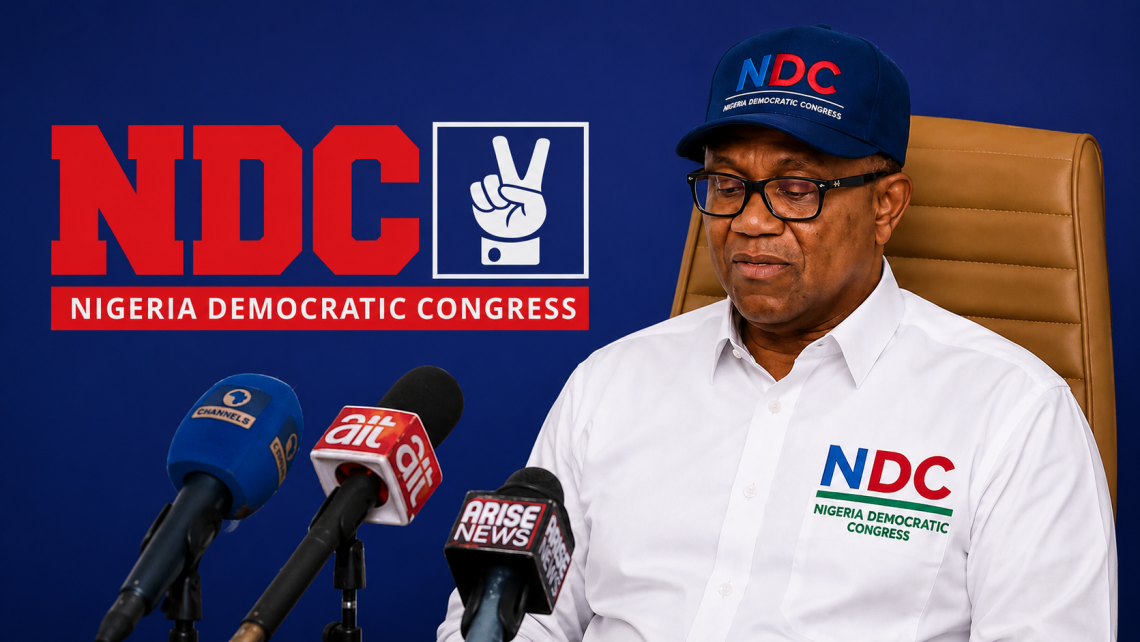
The Muslim Rights Concern (MURIC) has fired a strong warning to the presidential candidate of the Nigeria Democratic Congress, Peter Obi, saying that sharing Sallah with the Sultan of Sokoto will mean little to Nigerian Muslims unless accompanied by concrete policies to address what it described as years of religious inequality and exclusion.
MURIC said Obi’s reported promise to spend Sallah with the Sultan if elected president in 2027 was a welcome gesture, but insisted that Nigerian Muslims were no longer interested in political symbolism, Sallah gifts or pilgrimage sponsorship.
The organisation, in a statement signed by its Founder and Executive Director, Professor Ishaq Akintola, on Saturday, challenged Obi to tell Nigerian Muslims what he intends to do differently if he wins the presidency.
According to MURIC, Muslims need inclusion in governance and a level playing field rather than presidential ceremonies designed to create political goodwill.
The group said Obi’s proposed Sallah visit to Sokoto was “sheer window dressing” if it was not backed by policies capable of improving the welfare and protecting the rights of Nigerian Muslims.
“We welcome Mr. Peter Obi’s offer as it reflects his willingness to identify with Muslim leaders, particularly our respected and beloved leader, the Sultan of Sokoto. But that is poles apart from a readiness to involve Muslims in governance. We covet the latter and reject the former. It is sheer window dressing,” MURIC said.
The organisation declared that the era when Muslims could be won over with promises of Hajj slots, Sallah cows and Ramadan gifts was over.
MURIC said Muslim voters had become more conscious of what it described as disparities in the country’s political, economic, educational and social structures.
“For gone are those days when eyes were still located at the knees,” the group said, arguing that Muslims now wanted to examine government policies and their practical impact rather than rely on political gestures.
READ ALSO:
- Fani-Kayode Condemns Fresh Killing of Two Nigerians in South Africa
- FG Targets 2 Million Creative Jobs by 2030
- Donnarumma: Two Jailed Over Violent Paris Burglary of Man City Goalkeeper, Wife
MURIC alleged that Muslims had been disadvantaged by aspects of Nigeria’s national structure, beginning with the public holiday system.
The organisation questioned why Sunday was recognised nationwide as a public holiday while the Muslim Friday congregational prayer was not accorded similar consideration.
It argued that Muslim workers often had to combine normal work obligations with Friday worship, describing the arrangement as unfair.
“That is not balance. That is not fairness,” MURIC declared.
The organisation also launched a broadside against what it described as the Christian orientation of Nigeria’s educational and legal systems.
MURIC alleged that the country’s educational system, including its administrative arrangements and curriculum, had been structured in a manner that did not adequately accommodate Muslim interests.
On the judiciary, the group demanded what it described as a genuinely plural legal structure involving common law, Sharia and customary law.
It criticised what it called the rejection of Sharia in Southern Nigeria, while noting that common law is accepted across the country.
“The North accepts common law. But the South rejects Shari’ah. That is not inclusivity. That is not acceptance. That is not tolerance,” the organisation said.
MURIC also took aim at the country’s holiday calendar, demanding greater official recognition for Islamic dates.
The organisation questioned why January 1 is recognised as a public holiday while 1 Muharram, the beginning of the Islamic calendar year, is not given similar national recognition.
It described the situation as “official refusal of recognition” and urged political leaders to address what it considers religious imbalance in national policy.
The group further raised concerns over the participation of Muslim women in the Nigerian military.
MURIC alleged that military uniform regulations that do not accommodate the hijab could discourage or prevent some Muslim women from joining the armed forces.
It argued that the issue had implications for employment opportunities and economic advancement for Muslim women.
“Muslim women cannot join the army because the military’s uniform does not accommodate hijab,” the organisation alleged, adding that it considered the matter a question of civil liberties.
MURIC said these were the issues Obi should be addressing if he genuinely wanted the support and confidence of Nigerian Muslims ahead of the 2027 election.
READ ALSO:
- Police Clarify IGP Disu’s Position on Recording Officers
- Abia Police Arrest Father, Three Others Over Alleged Attempt to Sell 16-Month-Old Daughter
- Dangote: ₦525 Refinery Shares Could Rise to ₦10,000
The organisation insisted that restructuring Nigeria must go beyond political arrangements and include what it called a comprehensive restructuring of opportunities and rights for religious communities.
“Real restructuring must be comprehensive. It must not leave any particular group in perpetual slavery,” MURIC said.
‘We don’t need Hajj sponsorship’
In a striking departure from the traditional demands often associated with Muslim political engagement, MURIC told politicians to stop using government-sponsored pilgrimage as a tool for winning Muslim support.
The organisation said Muslims knew the road to Makkah and could organise their pilgrimage without political sponsorship.
It alleged that government-funded pilgrimage arrangements were sometimes abused by politicians to reward political loyalists and associates.
“Away with the old ways. We don’t want pilgrimage sponsorship. Muslims know the road to Makkah,” MURIC declared.
The group said governments should limit their role in pilgrimage to necessary protocol matters rather than sponsoring individuals.
According to MURIC, such an approach would reduce opportunities for political patronage and ensure that pilgrimage was not turned into a political reward system.
MURIC challenges Obi
While taking a tough stance against Obi’s Sallah pledge, MURIC acknowledged the former Anambra State governor’s efforts to broaden his appeal ahead of the 2027 presidential election.
The organisation said it recognised Obi’s second attempt at the presidency and his apparent efforts not to be perceived as an exclusively Christian candidate.
But it said symbolic gestures would not be enough to win its confidence.
MURIC challenged Obi to clearly explain his agenda for Nigerian Muslims and demonstrate how his administration, if elected, would address the concerns raised by the organisation.
“What is his plan for Nigerian Muslims: to continue to enslave us or to set us free?” MURIC asked.
The organisation then delivered its clearest political message to the presidential hopeful: it said Muslim voters were ready to support him if he committed himself to addressing their demands.
“We are ready to vote for you if you promise to address the above issues. The ball is in Peter Obi’s court,” MURIC declared.
The statement comes as political parties and presidential aspirants intensify their engagement with various religious, regional and demographic blocs ahead of the 2027 general elections.
For MURIC, however, the message to Obi is clear: Sallah greetings and visits to Muslim leaders may win applause, but policy commitments, according to the organisation, will determine whether Nigerian Muslims consider a presidential candidate worthy of their support.
MURIC fires back at Peter Obi: Forget Sallah ceremony, free Nigerian Muslims
metro
Fani-Kayode Condemns Fresh Killing of Two Nigerians in South Africa
Fani-Kayode Condemns Fresh Killing of Two Nigerians in South Africa
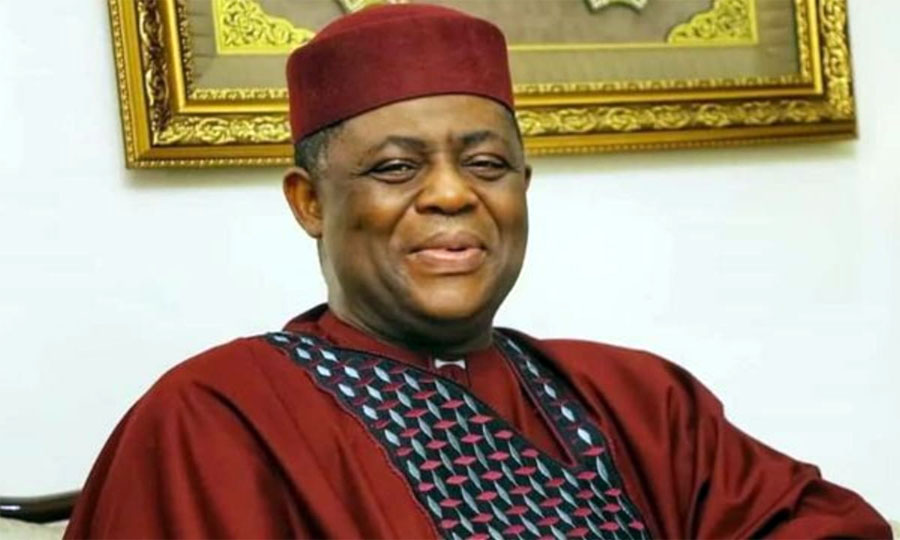
Former Minister of Aviation and Nigeria’s High Commissioner-designate to South Africa, Lesotho and Eswatini, Femi Fani-Kayode, has condemned the reported killing of two Nigerians in South Africa, warning that continued attacks and discrimination against Nigerian nationals could further strain relations between Nigeria and South Africa.
Fani-Kayode, in a post on his official X account on Friday, identified the victims as Bishop Michael Taiwo Fakunle and James Uchechukwu Nwankwo, who died in separate incidents in South Africa earlier this month.
Fakunle was reportedly killed at his residence in Johannesburg on September 4 after allegedly receiving threats, while Nwankwo died the following day in an incident involving officers of the South African Police Service (SAPS).
Fani-Kayode said he was “mortified and deeply shocked” by Fakunle’s death, alleging that unidentified attackers went to the bishop’s residence and shot him after threats had reportedly been made against him.
He also expressed concern over Nwankwo’s death, alleging that the Nigerian was subjected to what he described as “gruesome interrogation techniques” by South African police officers.
The circumstances surrounding both deaths remain subject to investigation. Nigerian authorities have confirmed the deaths and raised concerns about the safety of Nigerians living in South Africa.
Fani-Kayode claimed that the deaths of Fakunle and Nwankwo brought the number of Nigerians allegedly killed in South Africa in 2026 to eight, with four of the cases allegedly involving South African police officers.
He further claimed that more than 100 Nigerian nationals had been killed in South Africa between 2022 and 2026, including more than 30 allegedly killed by personnel of the South African Police Service and South African Defence Force.
The figures cited by Fani-Kayode are claims attributed to him and have not been independently verified in their entirety.
However, the Nigerian government has separately raised concerns over the number of Nigerians killed in South Africa. In July, Minister of State for Foreign Affairs Ambassador Sola Enikanolaiye said 98 Nigerians had been killed in South Africa since 2022 in mob attacks, hate-related violence and extrajudicial killings.
Fani-Kayode said the lack of arrests and prosecutions in cases involving Nigerians was particularly disturbing, given repeated concerns raised by the Nigerian Mission.
He called on the South African Government to strengthen the protection of Nigerians and ensure that anyone responsible for attacks against them is investigated and brought to justice.
READ ALSO:
- FG Targets 2 Million Creative Jobs by 2030
- Donnarumma: Two Jailed Over Violent Paris Burglary of Man City Goalkeeper, Wife
- Police Clarify IGP Disu’s Position on Recording Officers
- Abia Police Arrest Father, Three Others Over Alleged Attempt to Sell 16-Month-Old Daughter
“No-one deserves to be targeted and murdered simply because they are Nigerian,” he said.
The envoy also raised concern over a fresh September 30 deadline reportedly issued by the South African anti-immigration movement March and March, which has demanded that undocumented foreign nationals leave the country.
The development has heightened anxiety among Nigerian and other African migrant communities as South Africa continues to grapple with tensions surrounding immigration, unemployment and access to public services.
Fani-Kayode accused groups behind the ultimatum of using xenophobic and Afrophobic rhetoric and urged the South African authorities to prevent threats against foreign nationals from escalating into violence.
He called on Pretoria to protect Nigerians and other African nationals and prosecute individuals found to have threatened, attacked or killed them.
The renewed tensions have also triggered a stronger response from Nigeria.
The National Assembly on Friday suspended official visits to South Africa and directed lawmakers, committees, legislative officials and staff to boycott South African-hosted legislative activities until further notice.
The suspension covers physical and virtual participation in conferences, seminars, workshops, parliamentary meetings, legislative exchanges and other activities organised or hosted by South African legislative institutions.
The decision followed renewed reports of xenophobic attacks, violence, intimidation and displacement involving Nigerians and other African nationals in South Africa.
Nigerian lawmakers said they were particularly concerned by reports of Nigerians being killed, injured and forced to abandon their homes, businesses and property.
The National Assembly, however, stressed that the decision was not intended to sever Nigeria’s diplomatic relationship with South Africa but to send a strong message over the need to protect Nigerian citizens.
The legislature called on South African authorities to investigate reported attacks, prosecute those responsible and strengthen measures to protect Nigerians and other African nationals living legally in the country.
The Federal Government has also continued efforts to assist Nigerians who wish to leave South Africa because of security concerns.
Nigeria’s Acting High Commissioner to South Africa, Temitope Ajayi, said the Nigerian mission was preparing for further evacuations following the renewed threats against foreign nationals.
Ajayi disclosed that 1,699 Nigerians had been evacuated from South Africa in 2026, with the exercise supported by the Nigerian government, Air Peace and private organisations.
He said the mission was working towards additional evacuation efforts as the September 30 deadline approaches.
The latest incidents have also drawn concern from the Nigerian Citizens Association South Africa (NICASA), which called for a thorough investigation into Fakunle’s killing.
The association said the Nigerian cleric was shot at his residence in Johannesburg on September 4 and urged the relevant authorities to ensure that the circumstances surrounding his death were properly established.
The latest killings come amid a broader resurgence of anti-immigrant sentiment in South Africa, where foreign nationals have repeatedly faced accusations over unemployment, crime and pressure on public services.
Nigerians have historically been among the most prominent African migrant communities in South Africa and have frequently become targets during xenophobic campaigns and attacks.
South African authorities have repeatedly condemned xenophobic violence and called for peaceful coexistence, while also facing domestic pressure to tighten immigration controls.
The renewed tensions have therefore placed additional pressure on both governments to balance immigration concerns with the protection of foreign nationals and the preservation of bilateral relations.
Fani-Kayode warned that continued killings and discrimination could have consequences for Nigeria-South Africa relations, despite ongoing efforts by both countries to strengthen diplomatic and economic cooperation.
“Simply put, our patience is wearing thin,” he said, urging the South African government to reciprocate Nigeria’s efforts to maintain good relations by protecting Nigerian nationals and addressing Abuja’s concerns.
He also appealed for justice for Fakunle and Nwankwo and extended his condolences to their families, friends and associates.
The latest developments are expected to increase pressure on Pretoria to investigate attacks against Nigerians, while Nigerian authorities face growing demands to strengthen diplomatic measures and provide assistance to citizens who feel unsafe in South Africa.
For the Nigerian community in South Africa, the deaths have deepened concerns over personal safety, business security and the possibility of further attacks as the September 30 deadline approaches.
The situation has also reinforced calls for both countries to intensify diplomatic engagement and ensure that Nigerians in South Africa can live and conduct legitimate businesses without fear of violence, intimidation or discrimination.
Fani-Kayode Condemns Fresh Killing of Two Nigerians in South Africa
-
 metro2 days ago
Police Arrest Woman Over Fake OPay Shutdown Notice
-

 metro22 hours ago
Woman disguises as Muslim woman in Niqab to steal in Ado-Ekiti market, video sparks outrage
-

 Politics2 days ago
Amaechi will be caged politically, Wike shouldn’t bother about Ikwerre votes — Wihioka
-
 metro2 days ago
Residents Cry Out Over Poorly Constructed Entrance of Ademola Abiola Street, Demand Urgent Intervention
-
 Politics2 days ago
Remi Tinubu Appeals To South-East Voters, Says She Wants To ‘Enjoy Nigeria’ In Old Age
-
 Politics2 days ago
Breaking the Cycle of Collective Guilt: When a Ruling Party Voice Backs Peter Obi
-

 News1 day ago
AI on the Roads: LASTMA Turns to China to Fix Lagos Traffic
-
 Business8 hours ago
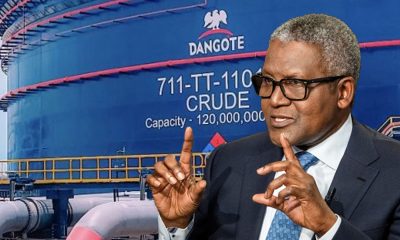
Dangote: ₦525 Refinery Shares Could Rise to ₦10,000