

News
FG Launches FreeTV, Offers Nigerians Over 100 Free Digital TV Channels

FG Launches FreeTV, Offers Nigerians Over 100 Free Digital TV Channels
The Federal Government formally launched Nigeria’s long-awaited Digital Switch Over (DSO) programme on Wednesday, unveiling a new hybrid digital broadcasting platform called FreeTV that offers Nigerians access to over 100 television channels without monthly subscription fees. The launch, held in Abuja, marks Nigeria’s formal transition from analogue to digital terrestrial television broadcasting, a project that has faced years of delays despite repeated commitments by successive administrations. The initiative is expected to reach 40 million homes, unlock over N600 billion in economic opportunities, create thousands of jobs, and expand access to quality broadcasting services across the country.
The Federal Government unveiled FreeTV as a digital television platform accessible through compatible decoders, satellite and terrestrial signals, as well as a mobile application. Nigerians can watch a wide range of content, including news, sports, movies, music, educational programmes, children’s shows, and indigenous language channels including Yoruba, Hausa, and Igbo at no cost. Households do not need to purchase new television sets to enjoy the service. Existing TVs can access the platform with compatible DVB-T2 or DVB-S2 decoders, while many households already using free-to-air decoders may be able to connect immediately. The service will also be available through the FreeTV mobile application on smartphones, enabling users in both urban and rural communities to access digital television services without the need for a decoder or satellite dish.
Speaking at the launch event, the Minister of Communications, Innovation and Digital Economy, Bosun Tijani, described the rollout as a major milestone in Nigeria’s digital transformation agenda and said it would support the administration’s broader ambition of building a $1 trillion economy. Tijani stated: “Today, Nigeria joins the ranks of nations that have embraced modern digital broadcasting infrastructure to serve their people. While this may appear to be a broadcasting milestone, its true significance lies in what it means for ordinary Nigerians. It means better access to information, broader access to educational and cultural content, an improved quality of service and the ability to ensure that no Nigerian is left behind simply because of where they live.” He linked the project to the Federal Government’s wider digital infrastructure strategy, noting that the government is rolling out 90,000 kilometres of fibre-optic open-access infrastructure across the country and has secured approval for two additional satellites to enhance communications services. He stated that Nigeria is the only country in West Africa with a communications satellite, and the fibre network would cover all national borders, allowing neighbouring countries to benefit from broadcasting and digital services.
READ ALSO:
- Kebbi Police Arrest School Guard for Alleged Defilement of 10-Year-Old Girl
- Nigerian Migrant Arrested for Alleged Murder of Libyan Boss
- UK Social Media Ban Could Increase Online Risks for Teens — Telegram CEO
The Director-General of the National Broadcasting Commission (NBC) , Charles Ebuebu, described the launch as the unveiling of a new national communications architecture and a critical step in Nigeria’s digital transformation journey. “Today, we are not merely launching a digital broadcasting platform; we are launching a new national communications architecture. The big picture represents our collective ambition to democratise access to information, unlock new opportunities for Nigerian content creators, stimulate investment across the broadcasting value chain, empower local manufacturers, strengthen media plurality, expand consumer choice and improve spectrum efficiency,” he said. Ebuebu also disclosed that broadcasters joining the FreeTV platform would enjoy an 18-month free carriage window, nationwide visibility, and access to audience data through the proposed audience measurement system. He noted that Nigeria’s DSO strategy had evolved from the previous Digital Terrestrial Television (DTT)-only model into a hybrid system integrating Direct-to-Home satellite broadcasting (DTH), Digital Terrestrial Television, and Internet Protocol (IP)-based streaming, ensuring that Nigerians in all parts of the country, regardless of their location or infrastructure, can access the new platform.
As part of the initiative, regional production centres have been established in Lagos, Abuja, Port Harcourt, Enugu, Kano, and Benin to drive content development and support jobs across the media industry. The centres are expected to create opportunities for producers, editors, camera operators, sound engineers, technicians, and other media professionals. The platform is expected to stimulate growth within Nigeria’s creative and media sectors by creating new opportunities for content creators and broadcast professionals. The Nigeria’s digital migration journey had suffered multiple delays, but stakeholders expressed optimism that a clearer implementation framework was emerging.
READ ALSO:
- Kingibe Denies Endorsing Akpoti-Uduaghan Suspension
- Witness Reveals How Sirika Approved Nigeria Air Consultancy Deal for Associate
- Police Arrest Boko Haram, Lakurawa Terror Suspects, Rescue Kidnap Victim
The Minister of Information and National Orientation, Mohammed Idris, described the launch as the culmination of years of efforts by stakeholders and government agencies to actualise the digital broadcasting project. “Today is not merely a broadcasting milestone. It is a more connected, more competitive and more prosperous Nigeria. The Digital Switch Over project is therefore not simply a technological transition. It is an investment in Nigeria’s future. The goal is simple: to make quality broadcasting available to more Nigerians than ever before,” Idris stated. He noted that the project aligns with President Bola Tinubu’s Renewed Hope Agenda, which places emphasis on digital transformation, innovation, economic growth, and critical national infrastructure. He said a fully implemented digital broadcasting ecosystem would create jobs, stimulate local manufacturing, expand audience reach, strengthen content production, increase advertising opportunities and unlock new revenue streams for broadcasters and content creators.
The Managing Director and Chief Executive Officer of NigComSat Limited, Jane Egerton-Idehen, described the DSO programme as a strategic investment in Nigeria’s digital future. “Beyond the N600bn opportunity it brings, beyond delivering broadcast services to 40 million homes, beyond creating jobs for the advertising sector and the wider nation, it is one of the most important steps we can take toward creating a more informed, connected, inclusive and empowered society. As Nigeria’s premier satellite communications company, our mission is to ensure that geography does not determine opportunity,” she said. According to her, the transition would deliver better picture quality, clearer sound, greater content diversity and improved viewing experiences while creating fresh opportunities for broadcasters, content creators, technology providers and investors. She added that the initiative would help bridge connectivity gaps, particularly in underserved and remote communities, ensuring that all Nigerians, regardless of where they live, can benefit from the digital revolution.
Deputy Speaker of the House of Representatives, Benjamin Kalu, delivered the keynote address and likened the digital switchover to transformative developments such as railways, electricity and the internet. He argued that digital infrastructure is now as essential to national competitiveness and economic advancement as roads, ports and power facilities. “What we are witnessing today may appear as a technical milestone, but history consistently shows that the most consequential transformations often begin precisely this way. The digital divide is therefore no longer a technical divide but a development divide,” Kalu said, emphasizing the transformative potential of the DSO project for Nigeria’s digital economy and its ability to drive inclusive growth across all sectors.
Despite the latest milestone, authorities say the country’s final analogue television switch-off remains scheduled for December 31, 2028. The government has encouraged Nigerians to check whether their decoders are compatible with the new platform and take advantage of the service as the country moves closer to a fully digital broadcasting ecosystem. The Federal Government reaffirmed its commitment to working closely with industry stakeholders to ensure the successful delivery of the DSO programme and the realisation of its full economic and social benefits for Nigerians.
FG Launches FreeTV, Offers Nigerians Over 100 Free Digital TV Channels

News
School Shooting: 14-Year-Old Student Kills Grandparents, 6 at Nonthaburi School

News
Lagos Needs 80,000 More Health Workers to Avert Crisis – Sanwo-Olu Raises Alarm
News
Tinubu Approves Recruitment of 3,252 Verified PTA Teachers into Federal Civil Service
Tinubu Approves Recruitment of 3,252 Verified PTA Teachers into Federal Civil Service
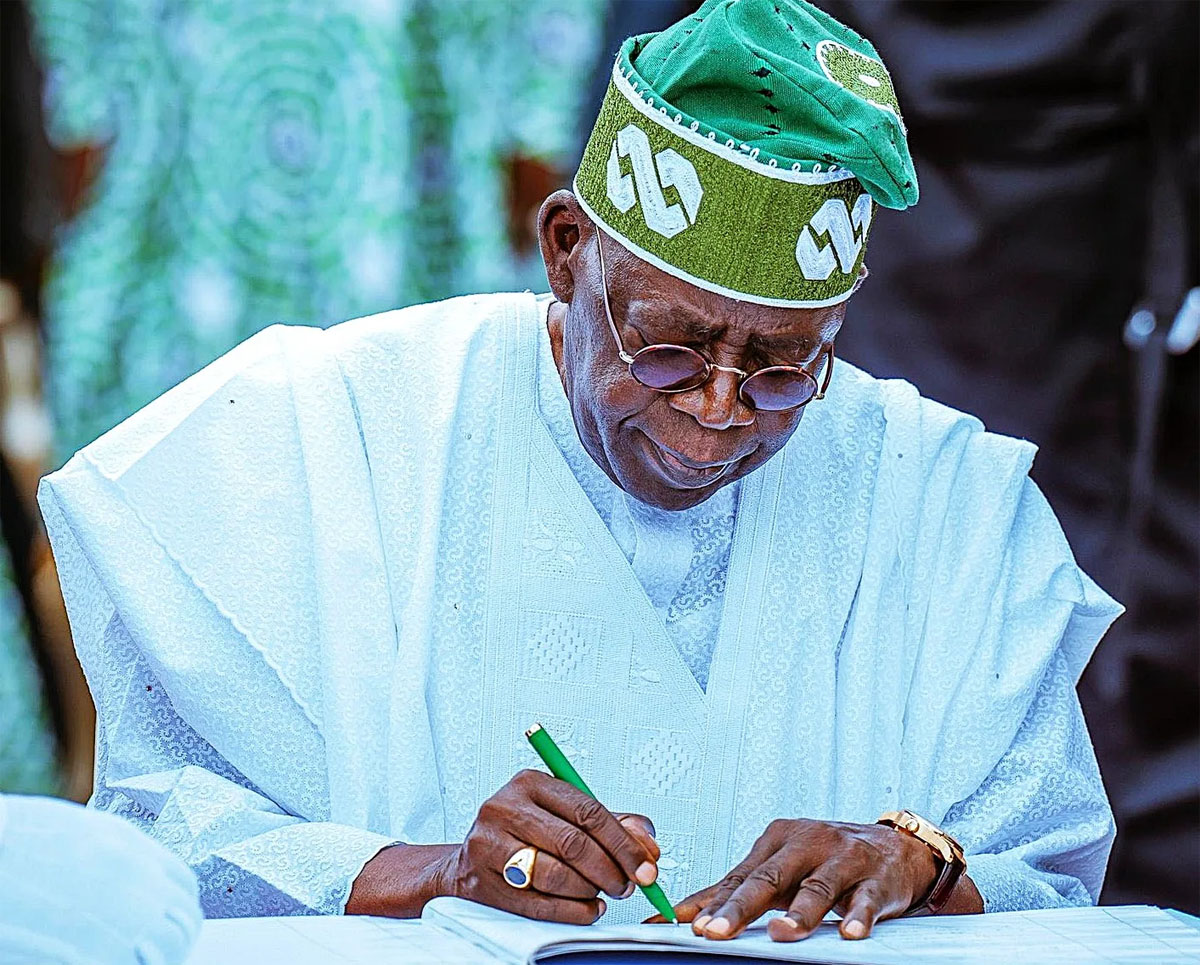
President Bola Ahmed Tinubu has approved the recruitment of 3,252 verified Parent-Teacher Association (PTA) teachers into the Federal Civil Service, a landmark decision that ends years of uncertainty for thousands of educators who have kept classrooms running in Federal Unity Colleges across Nigeria. The approval, announced on Thursday by Minister of Education Dr Tunji Alausa, represents one of the most significant interventions by the current administration to address the persistent shortage of teaching personnel in federal secondary schools. The Minister described the decision as a major milestone that reflects President Tinubu’s commitment to revitalising the education sector and investing in the country’s future through improved teaching and learning. According to the minister, priority will be given to absorbing verified PTA teachers, many of whom have served in Federal Unity Colleges and Federal Technical Colleges for nearly 25 years without being absorbed into the mainstream public service. “This is a President who cares deeply for Nigeria and for the future of our country,” Alausa stated. “The President has approved the recruitment of teachers. Priority will be given to absorbing verified PTA teachers, many of whom have served in our Federal Unity Colleges and Federal Technical Colleges for almost 25 years. This approval provides them with the opportunity to become part of the mainstream public service.”
Dr Alausa explained that the approval followed a comprehensive verification exercise conducted by an Inter-Ministerial Committee, which carefully screened eligible PTA teachers across Federal Unity Colleges nationwide. The exercise verified 3,252 teachers across the cadres of Education Officers, Assistant Education Officers and Technical Instructors, paving the way for their regularisation upon completion of all statutory requirements. The minister noted that the recruitment represents another milestone in the implementation of the administration’s Renewed Hope Agenda, stressing that it would significantly improve teacher-to-student ratios in Federal Unity Colleges while recognising the dedication of PTA teachers who have continued to serve despite years of uncertainty over their employment status. The minister added that integrating experienced PTA teachers into the federal public service would help preserve institutional knowledge, strengthen classroom instruction and improve learning outcomes across the colleges. He noted that the recruitment aligns with the Federal Government’s broader strategy to enhance teaching quality and restore Federal Unity Colleges as centres of academic excellence. Dr Alausa also reaffirmed the commitment of the Federal Ministry of Education to collaborate with relevant government agencies to complete the outstanding statutory procedures required for the issuance of final letters of appointment in line with existing public service regulations. He assured the verified PTA teachers that the ministry would ensure the regularisation exercise is concluded transparently, fairly and in strict compliance with due process and established public service rules.
READ ALSO:
- Osun Govt Sues EFCC, First Bank for ₦2 Billion Over Unlawful Account Freeze
- Trump Signs New Executive Orders Targeting Birthright Citizenship, ‘Birth Tourism’
- Trump rejects US munitions shortage reports, threatens alleged leakers
For many years, Federal Unity Colleges have relied heavily on PTA teachers engaged and paid by Parent-Teacher Associations to bridge chronic staffing gaps caused by inadequate recruitment into the federal teaching service. Many of these teachers have worked in the colleges for between 10 and 25 years without permanent appointments, despite performing the same classroom responsibilities as regular government-employed teachers, and without pension benefits or employment security available to regular civil servants. Successive administrations received appeals from the affected teachers and education stakeholders to regularise their appointments, arguing that the prolonged reliance on PTA-funded staff placed a financial burden on parents and created job insecurity for thousands of qualified teachers. The minister stressed that no education system can rise above the quality of its teachers, and that investing in teachers remains critical to building a stronger and more competitive education system. He commended the PTA teachers for their resilience and commitment to duty despite the uncertainty surrounding their employment status. The recruitment approval has been widely welcomed by education stakeholders and the affected teachers, who have long campaigned for regularisation of their appointments.
The recruitment of 3,252 PTA teachers into the Federal Civil Service represents a significant boost for the country’s education sector. By absorbing experienced educators who have already demonstrated their competence in the classroom, the Federal Government is taking a strategic approach to addressing the teacher shortage in Federal Unity Colleges. The move is expected to improve the quality of education in these institutions, reduce the financial burden on parents who have been funding PTA teachers, and provide job security and benefits for thousands of dedicated educators. The regularisation of these teachers also sets a precedent for addressing similar challenges in other sectors where contract or PTA-funded staff have been providing essential services without proper recognition or benefits.
Tinubu Approves Recruitment of 3,252 Verified PTA Teachers into Federal Civil Service
-

 metro3 days ago
Troops arrest four suspected Boko Haram, ISWAP suppliers, intercept 20 relatives
-
 News2 days ago
Tinubu Meets Jim Ovia, NELFUND CEO at Aso Rock as Student Loans Hit ₦303bn
-
 Education2 days ago
BREAKING: 61.54% Pass Rate as WAEC Releases 2026 WASSCE Results – How to Check Results
-
 metro3 days ago
Police Probe AIG Jimoh Over VeryDarkMan’s Corruption Allegations
-

 metro3 days ago
N78 Million Solar Inverters, 410 Cattle, 10 Guns Recovered as Kaduna Police Arrest 25 Suspects
-

 Sports2 days ago
Super Falcons Thrash Egypt 6-2, Book WAFCON Quarter-Final Date with Cameroon
-
 metro3 days ago
Primate Ayodele Predicts Obi, Kwankwaso Will ‘Go Nowhere’ in 2027
-
 metro3 days ago
Tinubu Approves Historic 30–80% Military Pay Rise, N924bn Annual Wage Bill