

Auto
Policy Bottlenecks Threaten Nigeria’s Clean Mobility Drive, LCCI Warns
Policy Bottlenecks Threaten Nigeria’s Clean Mobility Drive, LCCI Warns
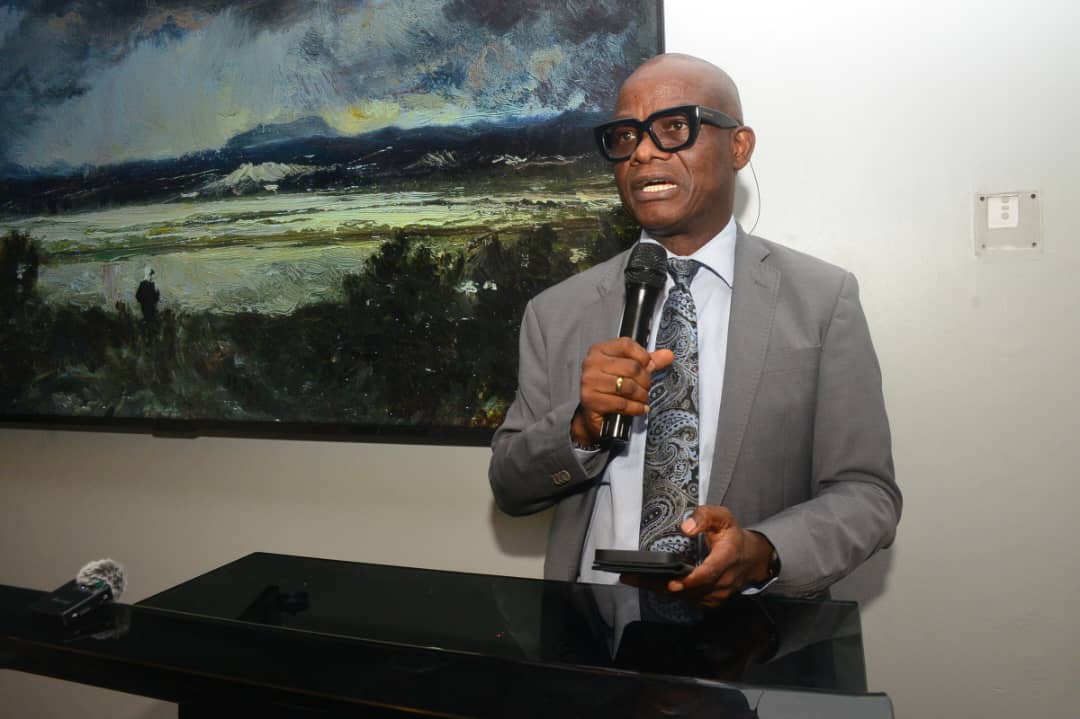
The Chairman of the Auto and Allied Sector Group of the Lagos Chamber of Commerce and Industry (LCCI), Dr. Femi Eguahide, has warned that policy inconsistencies, regulatory bottlenecks and weak coordination between the public and private sectors could derail Nigeria’s clean mobility ambitions, urging the Federal Government to deepen collaboration with industry stakeholders to accelerate the transition to Compressed Natural Gas (CNG) and Electric Vehicles (EVs).
Speaking at the 3rd Nigeria Auto Industry Summit in Lagos on Thursday, Eguahide said the success of the Federal Government’s clean mobility agenda would depend on sustained stakeholder collaboration, policy consistency and the removal of operational challenges slowing investment and implementation.
The summit, organised by the Nigeria Auto Journalists Association (NAJA) under the theme, “Nigeria’s Clean Mobility Future: The EV and CNG Journey Under the Bola Tinubu Administration,” brought together policymakers, regulators, automobile manufacturers, financiers, transport operators, researchers, safety agencies and development partners to chart a roadmap for accelerating Nigeria’s transition to cleaner transportation.
Eguahide acknowledged the Federal Government’s commitment to alternative energy solutions through the Presidential Initiative on Compressed Natural Gas and Electric Vehicles (Pi-CNG & EV), but stressed that translating policy into tangible results would require stronger coordination between government institutions and private investors.
According to him, the automotive industry remains a critical driver of industrialisation, job creation and economic growth, making it imperative for government agencies to work closely with manufacturers, assemblers, financiers and technology providers to create a more predictable and investment-friendly operating environment.
READ ALSO:
- Policy Bottlenecks Threaten Nigeria’s Clean Mobility Drive, LCCI Warns
- Troops arrest three suspects over killing of soldier in Imo ambush, recover stolen rifles
- Kidnapped Lt. Col. Ofor Amobi, civilian rescued after 10-day military operation in Enugu
He said effective policy implementation must be backed by continuous stakeholder engagement capable of resolving challenges surrounding vehicle conversion, local manufacturing, infrastructure development, financing and technology deployment.
Eguahide maintained that Nigeria possesses enormous potential to build a globally competitive clean mobility ecosystem, but cautioned that fragmented policies and institutional inefficiencies could slow the country’s progress if left unresolved.
He therefore urged government agencies to deepen engagement with the organised private sector to develop practical solutions that would accelerate the rollout of CNG refuelling infrastructure, EV charging networks and local automotive production.
Earlier, the Federal Government reaffirmed its commitment to expanding Nigeria’s clean mobility ecosystem through increased investment in infrastructure, local manufacturing and strategic partnerships.
Speaking on behalf of the Executive Chairman and Chief Executive Officer of the Presidential Initiative on Compressed Natural Gas and Electric Vehicles (Pi-CNG & EV), Barrister Ismaeel Ahmed, the Initiative’s Chief Compliance Officer, Engr. Zayyanu Tamberi Yabo, said the programme had evolved into a key pillar of President Bola Tinubu’s transport and energy reform agenda.
According to Ahmed, the Presidential Initiative was established not merely to promote alternative fuels but to build an integrated ecosystem covering infrastructure development, investment, vehicle conversion, local manufacturing, technical capacity building and consumer confidence.
“Our approach from the beginning has been to build the foundations of a sustainable industry rather than pursue isolated interventions,” he said.
He disclosed that certified CNG conversion centres had expanded significantly across the country over the past two years, while new refuelling stations were being developed through public and private sector investments.
Ahmed added that vehicle conversions continue to rise as commercial transport operators and private motorists increasingly embrace CNG because of its lower operating costs.
He also highlighted partnerships with financial institutions, energy companies and automobile manufacturers aimed at improving access to financing and accelerating the adoption of clean mobility technologies.
Despite the progress, he identified infrastructure expansion, consumer financing, local manufacturing capacity, technical training, research, innovation and standardisation as priority areas requiring sustained attention.
In his welcome address, NAJA Chairman Theodore Opara described the summit as a strategic platform for shaping the future of Nigeria’s automotive industry.
He said reforms introduced by the Tinubu administration had created fresh momentum for CNG, electric vehicles and local automotive manufacturing, adding that stronger collaboration among government, industry players and the media would be critical to sustaining the gains.
Also speaking, the Director-General of the Standards Organisation of Nigeria (SON), Dr. Ifeanyi Chukwunonso Okeke, represented by Engr. Olalekan Omoniyi, said strict compliance with internationally recognised standards would determine the success of Nigeria’s transition to EVs and CNG-powered transportation.
He disclosed that SON had developed more than 80 Nigerian Industrial Standards for CNG vehicles and equipment, as well as 87 additional standards and the National Nigeria Guideline (NNG 1214:2024) for CNG vehicle conversions.
The SON boss warned against the proliferation of uncertified conversion centres and substandard equipment, urging mandatory certification for imported and locally assembled EVs, CNG vehicles, conversion kits and charging infrastructure.
Policy Bottlenecks Threaten Nigeria’s Clean Mobility Drive, LCCI Warns







Auto
Jetour Targets Abuja Market with X70 PHEV as Nationwide Expansion Gathers Pace
Jetour Targets Abuja Market with X70 PHEV as Nationwide Expansion Gathers Pace
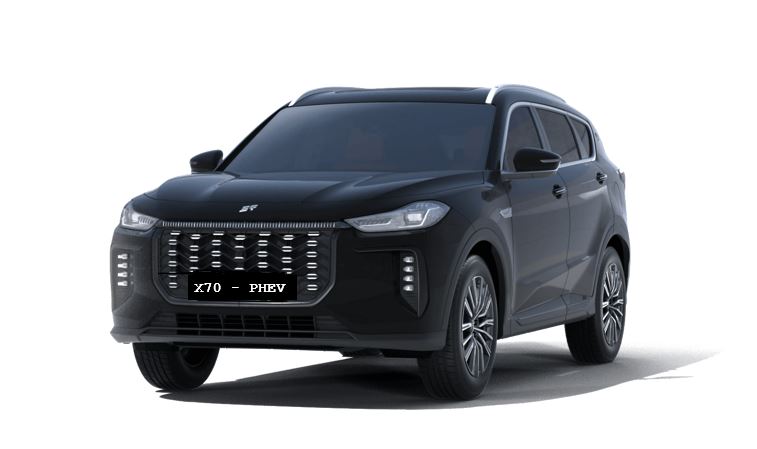
Jetour Nigeria is taking its hybrid SUV offensive to Abuja, with the X70 Plug-in Hybrid Electric Vehicle (PHEV) set to headline the three-day Jetour Experience from September 22 to 24 as the automaker accelerates its drive to expand its footprint and capture a larger share of Nigeria’s fast-evolving mobility market.
The Abuja showcase, coming on the heels of a strong Lagos edition that generated significant consumer interest, test drives and sales enquiries, is designed to bring Jetour’s latest technologies closer to customers in the Federal Capital Territory and neighbouring states.
The event at Maha Event Centre, Area 8, will give prospective buyers and auto enthusiasts the opportunity to test-drive the X70 PHEV and other Jetour models while interacting with product specialists and experiencing their technology, safety features, performance and comfort firsthand.
According to the company, expanding the showcase to the Federal Capital Territory was a direct response to rising demand from residents in Abuja and neighbouring states.
READ ALSO:
- ASUU Crisis Deepens: Lagos Universities Join UNIBEN, Taraba on Indefinite Strike
- Lagos Power Outage: Ikeja Electric Blames TCN as Businesses, Homes Groan
- US Court Blocks Trump Visa Rule Limiting Stay of Foreign Students, Journalists
To bolster buyer confidence, Jetour Nigeria—the country’s sole authorised distributor—backs the X70 PHEV with a five-year or 150,000-kilometre warranty.
The distributor operates through an accredited nationwide dealer network, including: Elizade Nigeria Limited,
New Era Auto Vehicle Services Limited, Kojo Motors, Germaine Auto Centre, Tab Autos Limited, R.T. Briscoe Motors, and Mandilas Autos.
The X70 PHEV pairs a 1.5-litre turbocharged engine with a 19.43kWh battery and a dedicated hybrid transmission. Designed to balance performance with fuel efficiency, the vehicle supports fast, slow, engine, and regenerative braking charging options—reducing reliance on external charging infrastructure.
Jetour’s rapid growth in the Nigerian market has earned both private and corporate patronage, driven by competitive pricing, high specification levels, and an expanding service footprint. The brand was named “Fastest Growing Auto Brand of the Year” at the 2024 Nigeria Auto Journalists Association (NAJA) Awards.
With the X70 PHEV leading the Abuja showcase, Jetour aims to deepen customer engagement and consolidate its position in the local automotive market.
Jetour Targets Abuja Market with X70 PHEV as Nationwide Expansion Gathers Pace
Auto
X90 Plus Leads Jetour’s Abuja Drive for Bigger SUV Market Share
X90 Plus Leads Jetour’s Abuja Drive for Bigger SUV Market Share
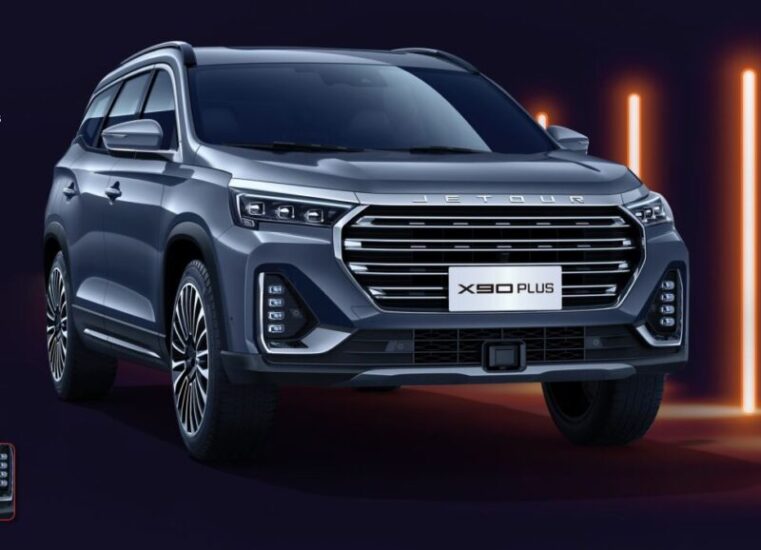
Jetour Nigeria is taking its premium SUV battle to Abuja, with the seven-seater X90 Plus set to headline the Jetour Experience Abuja from September 22 to 24, as the automaker moves to capture a larger share of Nigeria’s fast-growing high-end family SUV market.
The three-day motoring showcase will give prospective buyers, families and auto enthusiasts in the Federal Capital Territory and neighbouring states an opportunity to experience the X90 Plus and other models in the Jetour range through test drives and hands-on demonstrations.
The Abuja showcase follows the success of the brand’s earlier Jetour Experience in Lagos, where strong customer interest, inquiries and sales momentum reportedly encouraged the company to take the initiative to the Federal Capital Territory.
Jetour Nigeria said growing demand from customers in Abuja and neighbouring states was a major factor behind the decision to expand the experience to the northern market.
Positioned as a full-sized family SUV, the X90 Plus is designed for executives and families seeking a combination of space, technology, performance and comfort without the price tag associated with some luxury SUVs.
The model is offered with 1.6-litre and 2.0-litre turbocharged engines paired with a seven-speed dual-clutch transmission. The powertrain produces up to 254 horsepower and 390Nm of torque.
Inside the cabin, the X90 Plus features a 12.3-inch LCD touchscreen infotainment system, panoramic sunroof, Sony premium audio system and wireless charging.
Its safety and driver-assistance features include a 360-degree panoramic camera, Forward Collision Warning, Lane Departure Warning and electronic stability systems.
Jetour’s growing profile in Nigeria has also earned the brand recognition from the Nigeria Auto Journalists Association (NAJA), which named it Fastest Growing Auto Brand, while it was also recognised as Auto Brand of the Year at the Nigeria Transport Lecture.
To support its expanding customer base, Jetour Nigeria, the sole authorised distributor, operates through seven accredited dealer partners across the country: Elizade Nigeria Limited, Mandilas Autos, R.T. Briscoe Motors, Germaine Auto Centre, Kojo Motors, Tab Autos Limited and New Era Auto Vehicle Services Limited.
The Abuja Experience is expected to provide Jetour with another platform to engage potential customers and reinforce its position in Nigeria’s increasingly competitive SUV market.
Auto
Jetour Takes Award-Winning Dashing, Other SUVs to Abuja
Jetour Takes Award-Winning Dashing, Other SUVs to Abuja
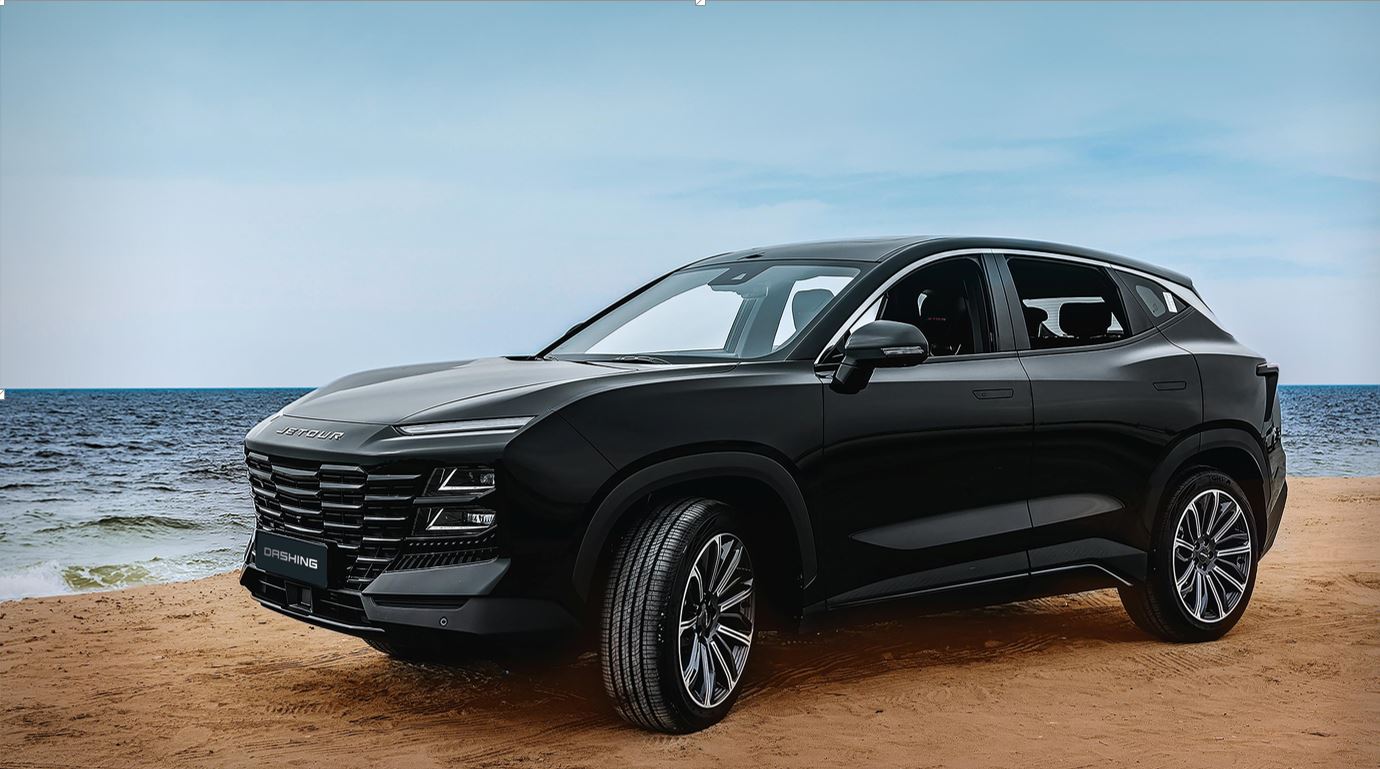
Motorists in Abuja are set for a close encounter with Jetour’s award-winning Dashing and other models as Jetour Nigeria moves to deepen its foothold in the nation’s capital with the Jetour Experience Abuja, beginning September 22.
The three-day motoring event, which runs until September 24, is expected to draw prospective buyers and automobile enthusiasts to a hands-on experience featuring test drives, product demonstrations and direct engagement with Jetour’s seven authorised dealers and product specialists.
The participating dealer network comprises Elizade Nigeria Limited, Kojo Motors, Mandilas Autos, Germaine Auto Centre, R.T. Briscoe, Tab Autos and New Era Auto Vehicle Services Limited.
READ ALSO:
- Police Arrest Woman Over Alleged Drug Trafficking in Delta
- Dangote raises petrol price 6.7% to N1,350/litre
- Anambra Police Arrest Woman Over Alleged Sexual Abuse of Child, Rescue Four
The Abuja Experience follows the success of the Lagos edition, which attracted thousands of visitors for test drives and direct engagement with product specialists. According to the organisers, strong demand and inquiries from motorists in Abuja and neighbouring states prompted the expansion of the event to the Federal Capital Territory.
The Dashing has gained attention in Nigeria’s competitive compact SUV segment for its combination of modern styling, technology, performance and competitive pricing.
The SUV is available with 1.5-litre and 1.6-litre turbocharged engines, producing up to 145kW of power and 290Nm of torque, paired with six- or seven-speed dual-clutch transmissions.
Its features include a 15.6-inch central touchscreen infotainment system, panoramic sunroof, wireless charging and smartphone integration.
For safety, the vehicle comes with a 360-degree surround-view camera, automatic emergency braking, lane departure warning, blind-spot detection and multiple airbags.
Beyond vehicle sales, the authorised dealers provide warranty, genuine spare parts and after-sales support to Jetour customers across their respective locations.
The Abuja Experience is expected to strengthen customer engagement and give motorists in the FCT a closer look at Jetour’s growing range of vehicles, while further expanding the brand’s footprint in the northern market.
Jetour Takes Award-Winning Dashing, Other SUVs to Abuja
-
 News3 days ago
SERAP Threatens Legal Action Over ₦126bn INEC Electoral Funds
-
 Politics2 days ago
2027: Northern Lecturers Back Tinubu, ASUU Disowns Endorsement
-

 metro3 days ago
Mother ‘sold daughter’s abuse videos for $300’: Nigeria child pornography case shocks nation
-

 News3 days ago
Petrol Subsidy: Presidency Rejects Atiku’s Plan, Says No Going Back
-

 News3 days ago
Adeleke Orders Arrests After Associate Ajagungbade Is Reportedly Killed in Ife
-

 metro2 days ago
Police Arrest Mother Over Alleged Brutal Abuse of 7-Year-Old Girl in Anambra
-

 Sports1 day ago
‘I Was Never the Chosen One’ — Dembele Responds to Mbappe
-

 Education3 days ago
JAMB Takes Over HND Admissions in Polytechnics, Health Institutions Nationwide