

News
Mutfwang Clarifies Apology to Igbo Community: “My Words Were Twisted”
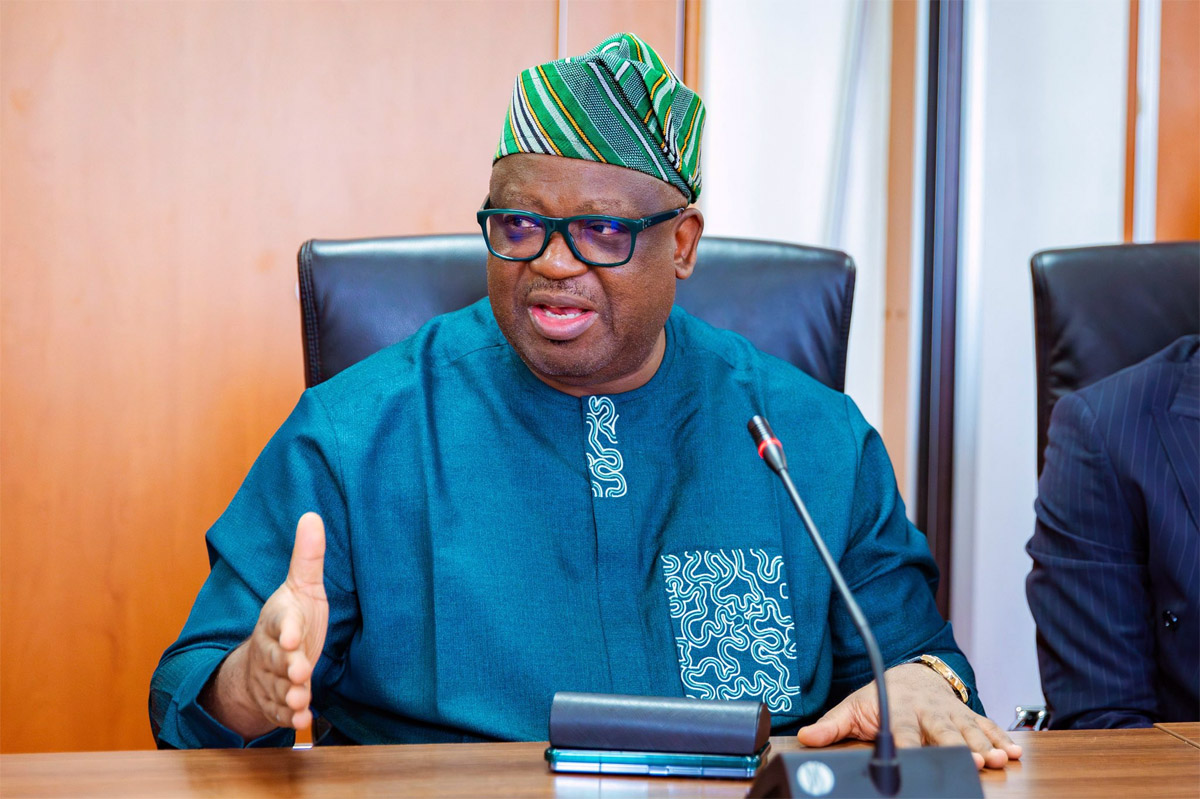
Mutfwang Clarifies Apology to Igbo Community: “My Words Were Twisted”
- Governor Caleb Mutfwang insists his remarks were taken out of context, emphasizing reconciliation and Plateau’s legacy of peaceful coexistence
Governor of Plateau State, Caleb Mutfwang, has finally broken his silence over the firestorm of reactions that followed his recent apology to the Igbo community (Ndigbo) over Nigeria’s civil war atrocities. In a detailed statement on Wednesday, the governor firmly declared that his intentions were deliberately taken out of context and misrepresented by critics. The controversy erupted after Mutfwang, during a courtesy visit by Igbo leaders at the Government House in Jos, was quoted as saying: “I apologise to the Igbos so that we can put the past behind us… because our people were deceived into going to war, and we regret it.” The remarks sparked a national debate, drawing both praise from Igbo groups and sharp criticism from some Plateau stakeholders who felt the governor unfairly blamed his own people. Now, through his Director of Press Affairs, Dr. Gyang Bere, the governor has set the record straight.
In a statement released Wednesday, Mutfwang explained that his remarks were never intended to assign blame or diminish the suffering of any ethnic group. Instead, they were rooted in three key pillars: appreciation for the immense contributions of the Igbo community to Plateau State’s growth in commerce, education, healthcare, and industry; reconciliation through encouraging all Nigerians to build bridges of mutual respect and peaceful coexistence; and national unity by reminding citizens of the enduring responsibility to strengthen bonds rather than reopen old wounds. The governor emphasized through his spokesperson that at no point did he seek to diminish the painful experiences of any ethnic group or the historical realities surrounding Nigeria’s Civil War. He noted that the scars of that period remain part of our national history and deserve to be remembered with empathy, honesty and sensitivity. The governor emphasized that his apology to Ndigbo was not an indictment of any tribe but a gesture of solidarity—a reminder that Nigerians must learn from history rather than remain imprisoned by it.
READ ALSO:
- Benue killings: Police neutralise two suspected bandits after 13 die in Otukpo attack
- “God Revealed You’re My Wife”: Ghana Police Arrest Fake Pastor Over Romance Scam
- NDC Demands Suspension, Resignation of Lagos CP Over City Boy Movement Event Attendance
Mutfwang took the opportunity to highlight Plateau State’s historic role as a beacon of peaceful coexistence. He traced this tradition back to the post-civil war era, when leaders like JD Gomwalk and Chief Solomon Lar championed policies of inclusion. He specifically invoked General Yakubu Gowon’s “No Victor, No Vanquished” declaration and the 3Rs policy (Reconciliation, Rehabilitation, Reconstruction) , which he described as a globally recognized model for post-war healing. The governor noted that for decades, Plateau State has proudly stood as one of Nigeria’s foremost examples of peaceful coexistence among diverse peoples. He added that successive administrations have sustained this tradition by creating an environment where Nigerians from every region can live, work, worship, invest and flourish. The governor further noted that the Igbo community has leveraged this welcoming environment to make invaluable contributions to the state’s development, and his administration is committed to preserving and strengthening that legacy.
The meeting, however, was not without its political dimensions. During the visit, Igbo leaders from all 17 local government areas of Plateau State formally endorsed Governor Mutfwang for a second term ahead of the 2027 governorship election. Chief Chidi Onah, President-General of the Igbo Community in Plateau State, cited Mutfwang’s inclusive leadership and developmental strides as key reasons for their support. But the discussions also exposed underlying tensions. Community leaders raised unresolved compensation claims over land disputes—a reminder that even in states celebrated for harmony, the relationship between “indigenes” and “settlers” remains delicate.
The governor’s initial comments drew a polarized response. On the one hand, the Izu Umunna Cultural Association (IUCA) hailed Mutfwang’s apology as “courageous,” “healing,” and historic. They noted that the civil war remains “a scar in the psyche of every Igbo man” and that no national leader had previously shown the courage to accept such responsibility. On the other hand, former Sports Minister Solomon Dalung and former Commissioner for Information Dan Manjang criticized the governor, arguing he unfairly placed the burden of the civil war on the people of Plateau State.
Addressing his critics directly, Mutfwang urged Nigerians to resist attempts to inflame ethnic or regional divisions. He stated that at a time when our nation faces significant challenges, Nigerians must resist every attempt to inflame ethnic or regional divisions. Instead, he said, we should draw strength from our shared history, celebrate our diversity and recommit ourselves to building a nation founded on justice, mutual respect and peaceful coexistence. The governor reaffirmed that his administration believes Plateau’s greatest strength lies not in the differences among its people but in their ability to transform diversity into unity and shared prosperity. He concluded that Governor Caleb Mutfwang remains unwavering in his belief that every Nigerian, irrespective of ethnicity, religion or place of origin, deserves dignity, equal opportunity and a genuine sense of belonging. He urged the public to disregard any interpretations that assign unintended meanings to his remarks, describing such distortions as distractions from the broader message of unity and national cohesion.
Mutfwang Clarifies Apology to Igbo Community: “My Words Were Twisted”







News
Cocaine Trafficking: Court Denies KC Luxury Bail Over Missing Medical Certificate
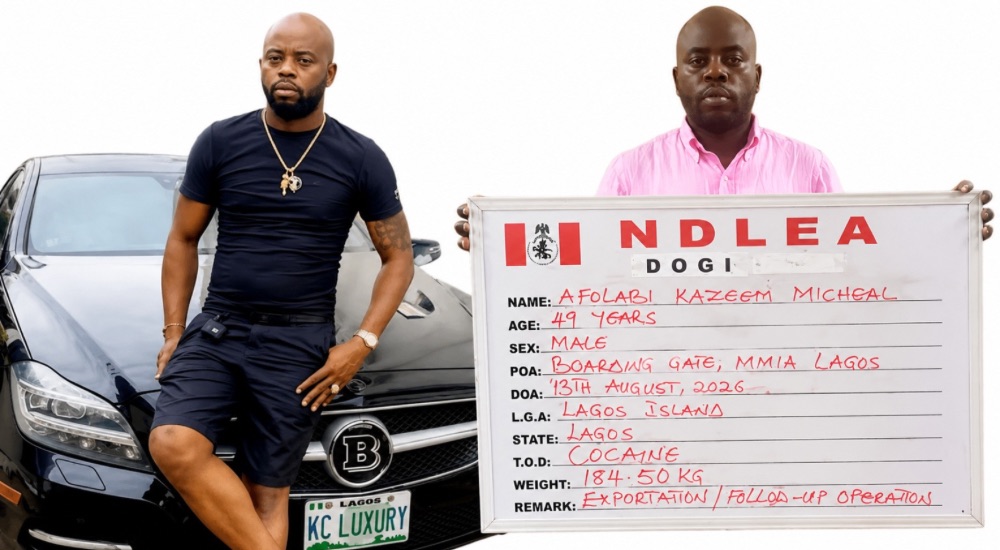
The Federal High Court in Lagos has rejected the bail application of Nigerian businessman and social media influencer Afolabi Kazeem Michael, popularly known as KC Luxury, over alleged cocaine trafficking and money laundering, ruling that the defence failed to provide sufficient medical evidence to justify his release.
Justice Musa Kakaki delivered the ruling on Wednesday, October 28, 2026, holding that the application lacked the necessary medical certificate to establish special circumstances warranting bail on health grounds.
“There is no medical certificate to warrant the court to grant him bail,” the judge said.
He added that a defendant claiming to require special medical attention should provide an expert assessment explaining the condition and the need for the requested treatment.
KC Luxury’s lawyer, Emefo Etudo, had asked the court to release his client so he could receive specialised treatment at the Lagos University Teaching Hospital (LUTH). The defence argued that his health had deteriorated and that he required medical attention beyond what was available at the facility where he was being held.
READ ALSO:
- After AfDB Tenure, Adesina Offers to Help Tinubu Drive Nigeria’s Growth
- Why Nigeria Needs Fresh $21.7bn Loan Despite Rising Debt Burden – Finance Minister
- Emeka Ike Loses ₦10bn Privacy Suit Against Wike’s Aide, INEC
The application followed concerns about the defendant’s health after he was brought to the court premises in an ambulance on October 23 while receiving oxygen.
During that proceeding, a nurse attached to the Police Hospital in Falomo, Lagos, told the court that KC Luxury had been admitted on October 7 and diagnosed with asthma and sepsis.
The nurse said the defendant remained inside the ambulance because he was receiving oxygen and could not safely be moved into the courtroom.
The defence also alleged that KC Luxury had suffered a collapsed lung and needed specialist care. However, the prosecution opposed the bail request, arguing that the medical evidence did not establish that his condition could not be managed while in custody.
In his ruling, Justice Kakaki reviewed the medical exhibits submitted by the defence but held that they did not sufficiently establish the special circumstances required to grant bail.
The judge also noted that the defence had failed to demonstrate a material change in circumstances that would justify reconsidering the application.
He questioned the argument that KC Luxury needed treatment at LUTH without sufficient evidence showing that the hospital or other available medical facilities could not adequately manage his condition.
Despite refusing bail, the court directed officials of the Ikoyi Custodial Centre to ensure that the defendant had unrestricted access to doctors and medical specialists for examination and treatment.
The judge also ordered an accelerated hearing of the case and adjourned proceedings until November 2, 2026, for the commencement of trial.
KC Luxury is standing trial alongside Boniface Freeman Ochoche Sule and Ikechukwu Ekugo Patriarch on a 22-count charge filed by the National Drug Law Enforcement Agency (NDLEA).
The charges include allegations of conspiring to export 184.5 kilogrammes of cocaine to the United Kingdom and money laundering. The defendants have pleaded not guilty.
According to the NDLEA, the cocaine was intercepted at a courier facility in Lagos before it could be exported. The agency also accused the defendants of involvement in financial transactions and asset acquisitions allegedly connected to the suspected drug operation.
The defendants have yet to be convicted, and the allegations remain before the court.
The latest ruling means KC Luxury will remain in custody while the criminal proceedings continue, with the court directing that his medical needs be addressed during detention.
Cocaine Trafficking: Court Denies KC Luxury Bail Over Missing Medical Certificate
News
After AfDB Tenure, Adesina Offers to Help Tinubu Drive Nigeria’s Growth
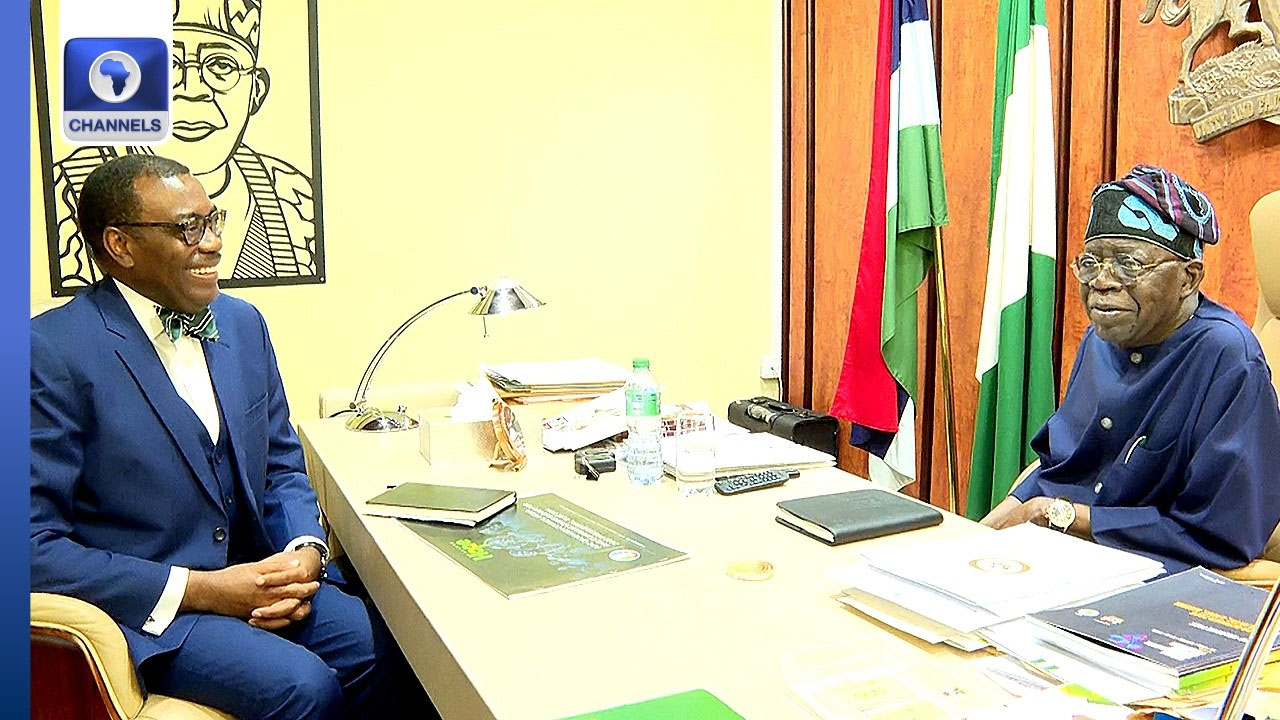
Former President of the African Development Bank (AfDB), Akinwumi Adesina, has declared his readiness to contribute to Nigeria’s development in any capacity deemed appropriate by President Bola Ahmed Tinubu, while clarifying that he is not seeking a government appointment.
Adesina made the declaration on Tuesday after meeting Tinubu at the Presidential Villa in Abuja, where he briefed the President on his 10-year tenure at the continental development finance institution and its financial support for Nigeria.
The former AfDB president said his willingness to serve was motivated by patriotism and a sense of responsibility to his country, rather than a desire to secure a political position.
“I’m fully able to help Nigeria in any capacity. I’ve always had that. My heart is always at home,” he told journalists after the meeting.
He added that he was prepared to contribute wherever the President considered his experience and expertise useful.
“In any capacity that His Excellency feels I can help, I can help in anything. I’m not looking for a job. I’m not looking for anything. I’m just here to help,” Adesina said.
“It’s my country. I have a duty, an obligation and a responsibility to do so, and I will.”
Adesina briefs Tinubu on AfDB achievements
Adesina explained that the visit was an opportunity to formally inform Tinubu that he had completed his two terms as AfDB president and to present an account of the bank’s achievements during his leadership.
READ ALSO:
- Why Nigeria Needs Fresh $21.7bn Loan Despite Rising Debt Burden – Finance Minister
- Emeka Ike Loses ₦10bn Privacy Suit Against Wike’s Aide, INEC
- 2027: APC Chieftain Boasts Tinubu Will Defeat Atiku Even in His Polling Unit
He said the bank provided approximately $7 billion in financing to Nigeria between 2015 and 2025, compared with total financing of $11.1 billion since it began operations in Nigeria in 1971.
According to him, the financing provided during his decade at the helm represented approximately 63 per cent of the bank’s cumulative support to Nigeria over the period.
Adesina said Tinubu expressed satisfaction with the bank’s contributions and the projects supported during his tenure.
The former Nigerian minister of agriculture led the AfDB from 2015 until September 2025, completing two terms as the institution’s president. He was the first Nigerian to occupy the position.
Adesina commends Tinubu’s economic reforms
During the meeting, Adesina also commended Tinubu’s economic reforms, particularly the removal of the petrol subsidy and the harmonisation of foreign exchange windows.
He described the measures as difficult but important decisions, arguing that they were beginning to produce results in some areas of the economy.
According to him, foreign exchange availability had improved, portfolio investors were returning to the country, and inflation was trending downwards.
However, he acknowledged that prices remained high, meaning many Nigerians continued to face pressure from the cost of living.
Adesina also cited improved assessments from some international credit-rating agencies, which he said reflected changing perceptions of Nigeria’s economic outlook.
Despite these developments, he cautioned that economic stabilisation was only the beginning of a broader transformation process.
“You have to also now move from the issue of the reforms and stabilisation straight into structural transformation and also growth and prosperity,” he said.
He argued that Nigeria must now focus on translating economic reforms into stronger productivity, expanded economic opportunities and improved living standards.
Former AfDB chief urges focus on growth and prosperity
Adesina’s remarks place emphasis on the need to move beyond macroeconomic adjustments towards policies that deliver tangible benefits for households and businesses.
His comments come amid continuing debate over the impact of the Tinubu administration’s reforms, including the removal of fuel subsidies and changes to the foreign exchange market.
While the government has defended the measures as necessary to stabilise public finances and improve economic efficiency, higher living costs have remained a concern for many Nigerians.
Adesina did not announce any specific government role he was prepared to take up, and the Presidency did not announce an appointment following the meeting.
Instead, the former AfDB president reiterated his willingness to contribute his experience in development finance, agriculture and economic transformation whenever the President considered his services necessary.
After AfDB Tenure, Adesina Offers to Help Tinubu Drive Nigeria’s Growth
News
Why Nigeria Needs Fresh $21.7bn Loan Despite Rising Debt Burden – Finance Minister
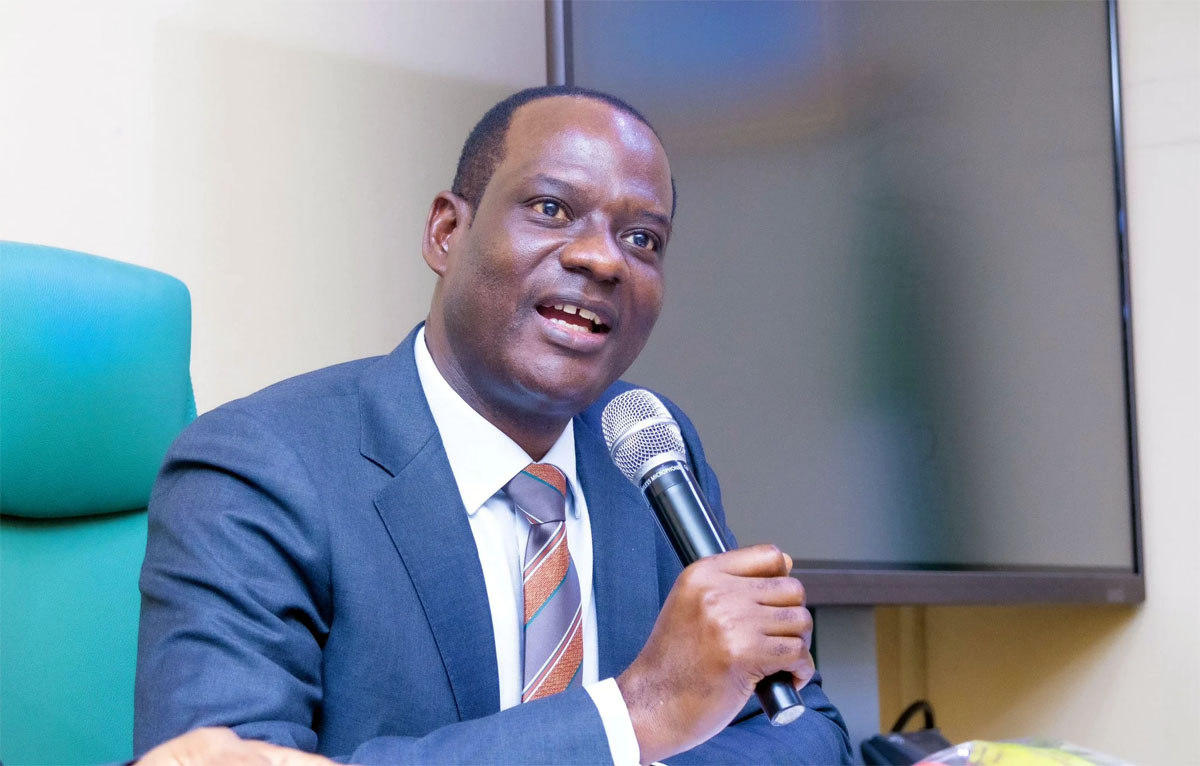
Why Nigeria Needs Fresh $21.7bn Loan Despite Rising Debt Burden – Finance Minister
The Federal Government has defended its plan to secure about $21.7 billion in fresh external loans, saying additional financing is needed to bridge Nigeria’s infrastructure funding gap, support economic growth and finance critical development projects across the country.
The proposed borrowing plan, covering 2026 and 2027, comprises $20.52 billion and €1.045 billion, equivalent to approximately $21.7 billion.
President Bola Ahmed Tinubu submitted the request to the National Assembly, arguing that Nigeria requires substantial investment to address infrastructure shortages and sustain economic development.
The proposed facilities would support projects and programmes in power, transportation, healthcare, education, agriculture, water supply, security and employment generation, as well as reforms to public financial management.
According to the President, the projects underwent technical and economic evaluations and are expected to create jobs, promote skills acquisition and entrepreneurship, reduce poverty and strengthen food security.
He said external borrowing had become necessary because the financial resources required to close Nigeria’s infrastructure deficit exceeded what the government could adequately provide from existing funding sources.
The request is subject to legislative approval and has not yet received final authorisation.
Why the government says Nigeria needs more loans
The administration’s main argument is that inadequate infrastructure continues to constrain productivity, investment and economic growth. It maintains that borrowing can provide the capital needed to finance projects that would otherwise face funding delays.
READ ALSO:
- Emeka Ike Loses ₦10bn Privacy Suit Against Wike’s Aide, INEC
- 2027: APC Chieftain Boasts Tinubu Will Defeat Atiku Even in His Polling Unit
- Awujale Succession: Abiodun Promises New Ijebuland Monarch Before May 29, 2027
Electricity, transport networks, healthcare facilities, education and water infrastructure are among the sectors expected to benefit from the proposed financing.
The government also argues that investment in these areas could stimulate economic activities, improve access to essential services and generate employment across the 36 states and the Federal Capital Territory.
However, the economic benefits will depend on whether the projects are completed on schedule, remain within budget and deliver returns sufficient to justify their financing costs.
Nigeria’s debt profile raises concerns
The proposed borrowing comes amid growing scrutiny of the country’s public debt.
Figures from the Debt Management Office show that Nigeria’s total public debt stood at ₦166.79 trillion at the end of June 2026, compared with ₦87.38 trillion in June 2023.
The increase has intensified debate over the government’s borrowing strategy, although the rise in the naira value of external debt has also been influenced by exchange-rate depreciation.
If the proposed facilities are fully approved and disbursed, they would add to Nigeria’s existing obligations, with the eventual impact depending on exchange rates, repayment terms and other changes in the debt stock.
Economists and business groups have therefore called for greater transparency about the individual projects to be financed, their costs, expected returns and repayment arrangements.
The Association of Small Business Owners of Nigeria has warned that new borrowing should be tied to projects capable of generating measurable economic benefits, including jobs, productivity and government revenue.
Questions over previous borrowing
The latest request has also prompted questions about the implementation of projects funded by earlier loans and the government’s outstanding obligations to contractors.
Senator Victor Umeh, who represents Anambra Central, questioned why contractors executing capital projects were still awaiting payment despite previous legislative approvals for borrowing.
He argued that the government needed to demonstrate how earlier facilities had been used and explain why budgeted projects remained underfunded.
Former Vice-President Atiku Abubakar, the presidential candidate of the African Democratic Congress, also urged the National Assembly to suspend consideration of the request until the government provides comprehensive information about the projects, contractors, costs, loan terms and repayment obligations.
The concerns centre on whether additional borrowing will produce sufficient economic returns or increase the pressure on public finances without delivering commensurate development benefits.
National Assembly to scrutinise request
The President’s proposal has been referred to the relevant National Assembly committees for consideration.
The legislative review is expected to examine the proposed facilities and their intended uses before lawmakers decide whether to approve the request.
The government maintains that the financing is necessary to address infrastructure shortages and support development, while critics insist that the administration must demonstrate the value of previous loans and provide clearer details of the new projects.
Ultimately, the justification for the proposed $21.7 billion borrowing plan will depend not only on the infrastructure needs identified by the government but also on the terms of the loans, the transparency of project selection, the effectiveness of implementation and Nigeria’s ability to meet its repayment obligations.
Why Nigeria Needs Fresh $21.7bn Loan Despite Rising Debt Burden – Finance Minister
-
 metro2 days ago
Cancelled Wedding: Man Sues Ex-Fiancée’s Father Over Unpaid ₦70,000 Dowry
-

 Auto2 days ago
Car of the Year, other top honours up for grabs as NAJA Awards race begins
-

 Sports2 days ago
KANE ENDS 25-YEAR WAIT! England Captain Wins 2026 Ballon d’Or After Stunning 73-Goal Season
-
 metro3 days ago
School Bus Driver Turns Kidnapper, Collects ₦503,000 Ransom, Rapes 14-Year-Old Delta Student
-

 metro3 days ago
IKEDC Blames National Grid for Two-Week Power Crisis in Ishaga, Oke-Ayo
-
 metro2 days ago
Nigerian Navy Recruitment 2026: October 31 Deadline, Full Requirements and How to Apply
-

 metro3 days ago
Massacre in Taraba: Death Toll Soars to 48 as Fleeing Villagers Drown in Desperate Escape
-

 News3 days ago
INEC Under Fire as Missing Voters’ Register Sparks 2027 Election Transparency Row