

News
Federal Workers Demand N300,000 Minimum Wage as Cost of Living Bites Harder
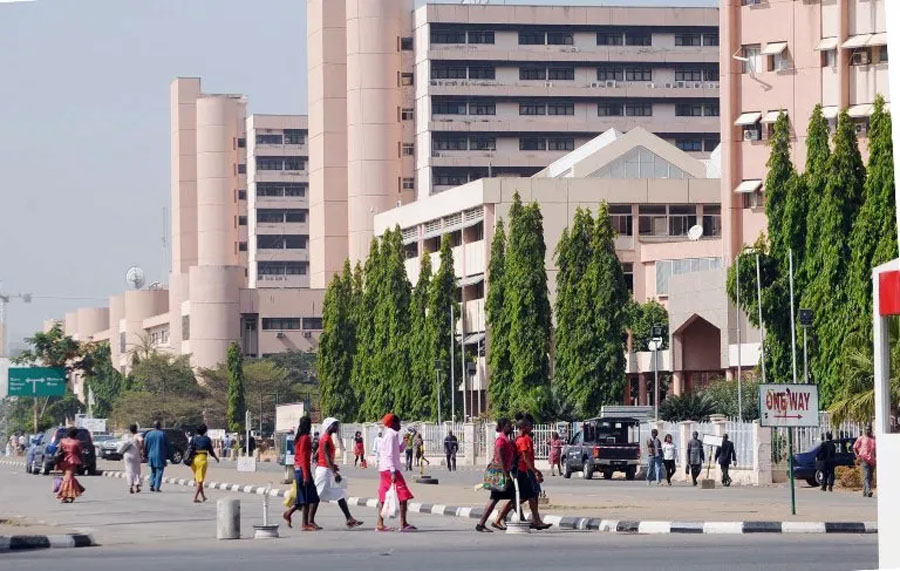
Federal Workers Demand N300,000 Minimum Wage as Cost of Living Bites Harder
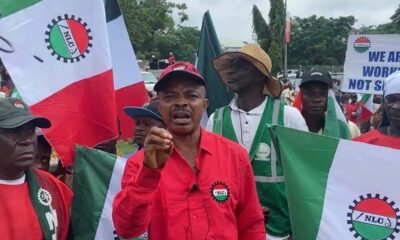
The Federal Workers Forum has written to President Bola Tinubu and the National Assembly, demanding an immediate review of the salaries of federal civil servants and an increase in the minimum wage from N70,000 to N300,000. The forum argued that the current wage structure no longer reflects the economic realities confronting federal workers amid Nigeria’s escalating cost of living. The letter, dated September 2, 2026, and signed by the National Coordinator of the FWF, Andrew Emelieze, and General Secretary, Ogundele Ayodele, was addressed to the Senate President and Speaker of the House of Representatives through the Clerk of the National Assembly. President Tinubu, the Chief Justice of Nigeria, and the Head of the Civil Service of the Federation were also listed among the recipients, underscoring the urgency and high-level nature of the workers’ demands.
The forum proposed a new salary structure with a minimum of N300,000 for Level 1 Step 1 workers and a maximum of N1.5 million for Level 17 officers. The proposed structure would set salaries progressively across all grade levels, with Level 2 workers earning N330,000; Level 3, N360,000; Level 4, N390,000; Level 5, N420,000; Level 6, N450,000; and Level 7, N480,000. For senior officers, the forum proposed N510,000 for Level 8; N550,000 for Level 9; N600,000 for Level 10; N700,000 for Level 12; N750,000 for Level 13; N800,000 for Level 14; N1 million for Level 15; N1.2 million for Level 16; and N1.5 million for Level 17 officers. “We call for justice and immediate wage review now, adjust the federal minimum wage to N300,000 and a maximum wage of N1.5m for the Level 17 officers,” the forum stated. The workers said their N300,000 minimum wage proposal was based on an estimated monthly expenditure covering feeding, transportation, accommodation, family support, electricity, cooking gas, phone and data, water and other utilities. “Our projections here are fair, and we believe it can still be accommodated in the present budget based on the daily increased earnings and the excess crude oil sales earnings,” the forum said, linking their demands to the government’s improved revenue position.
READ ALSO:
- IPMAN Plans Petrol Price Review as Dangote Refinery Raises Depot Cost
- FBI Arrests Podcaster Over Alleged Threats to Kill President Trump
- Baby Among Over 80 Migrants Dead After Boat Drifts for 27 Days Near Canary Islands
The FWF said the demand was necessitated by what it described as the incomplete implementation of the N70,000 minimum wage approved in 2024, claiming that federal workers had yet to receive the full consequential adjustment and associated allowances. “It will surprise you to hear that the Federal Government has not fully implemented the new national minimum wage since July 2024. We have been in the battle for full consequential adjustment of the new minimum wage,” the group stated. According to the workers, the 2024 wage review increased the minimum wage from N30,000 to N70,000 but resulted in what they described as a flat N40,000 increase across all levels of the federal civil service. “Only N40,000 was added to the salaries of every federal worker across all levels,” the forum said. The FWF argued that the statutory three-year review period should not prevent the government from responding immediately to what it described as an emergency deterioration in workers’ purchasing power, making the case that waiting until 2027 would be catastrophic for workers already struggling to survive.
The workers complained that the rising cost of food, transportation, accommodation, electricity, cooking gas and other necessities had made the N70,000 minimum wage inadequate. “Federal workers have been enduring the situation, and everything has been frustrating and nauseating. We cannot cope again. Federal workers are dying in instalments; we are suffering in silence; our salary is too poor; it is not taking us home,” the letter stated. The FWF further alleged that some federal workers had become heavily indebted to microfinance institutions and digital loan platforms in an attempt to meet their daily needs. “Federal workers are now heavily indebted to microfinances and, most times, federal workers resort to phone loan apps to get transportation to work,” the group said. The forum also claimed that some workers had resorted to using firewood because they could no longer afford cooking gas. It argued that the worsening financial situation could affect workers’ productivity and create conditions conducive to corruption, painting a grim picture of the daily struggles facing federal civil servants.
Amid the growing pressure, the Presidency has signalled a willingness to consider a wage review. In June 2026, Chief of Staff Femi Gbajabiamila acknowledged that the N70,000 minimum wage, while a milestone in 2024, must be reassessed against today’s realities. “The N70,000 wage, which was a milestone in 2024, must be honestly reassessed against today’s realities,” Gbajabiamila said. He added that when the review process begins, “this administration will approach that endeavour not as an adversary of labour, but as a partner,” signalling a more conciliatory stance from the government compared to previous wage negotiations.
The demand for a higher minimum wage is not limited to the FWF. The Nigeria Labour Congress and the Trade Union Congress have also reopened negotiations with the Federal Government, pushing for a significantly higher wage of N500,000. NLC President Joe Ajaero, speaking at the Rights of Workers Summit in Birnin Kebbi, said the current N70,000 wage was no longer sufficient to meet workers’ basic needs. “Anything less than N500,000 cannot cater for workers. The current minimum wage is due for review, and we will soon begin negotiations with the government,” Ajaero said, raising the stakes in the wage debate and setting the stage for potentially contentious negotiations with the federal government.
While labour unions push for N500,000, some stakeholders have described the proposal as unrealistic given Nigeria’s prevailing economic conditions. The Coordinator of the Forum of Delta State NGOs suggested a more moderate range of between N250,000 and N300,000, arguing that the labour unions’ demand may be impractical. The debate highlights the tension between workers’ needs and the government’s fiscal capacity, with the FWF’s N300,000 proposal representing a middle ground between the current N70,000 wage and labour’s more ambitious N500,000 target.
Kebbi State Governor Nasir Idris has pledged to champion the unions’ demands at a meeting of the Nigeria Governors’ Forum. The governor, who noted that his administration was the first among state governments to implement a N75,000 minimum wage, assured workers that his state would implement any new national minimum wage agreed upon by the Federal Government. His commitment signals that some state governments may be willing to support a wage increase, though the fiscal implications for cash-strapped states remain a significant concern.
Federal Workers Demand N300,000 Minimum Wage as Cost of Living Bites Harder







News
Nigerian Universities Have Not Expired, Only Teaching Methods, Professor Tells Ojuolape
Nigerian Universities Have Not Expired, Only Teaching Methods, Professor Tells Ojuolape
Emeritus professor argues that outdated curriculum delivery, not university courses, is responsible for graduates’ skills gaps
A Professor Emeritus of Human Capital and Comparative Education, Olawale Adetokunbo Ajayi, has faulted the claim that most courses offered by Nigerian universities have become obsolete, arguing that the major problem lies in outdated teaching methods, inadequate practical training and poor implementation of education reforms.
Ajayi, a former Dean of the Faculty of Education, made the submission in a rejoinder to an article by Adesola Adefemi Ojuolape titled “Most Courses in Nigeria’s Universities Have Expired,” in which the writer criticised the relevance of university programmes to contemporary economic realities and employment opportunities.
While acknowledging the concerns raised by Ojuolape, the professor maintained that declaring university courses obsolete could mislead students and parents into abandoning valuable academic disciplines instead of demanding reforms that would make them more relevant to the modern economy.
He described Ojuolape’s argument as 70 per cent correct but incomplete, insisting that the distinction between an outdated course and an outdated method of teaching it was critical to the future of Nigerian higher education.
According to him, disciplines such as Philosophy, History, Sociology, Religious Studies and Literature remain relevant globally, with graduates of these programmes finding opportunities in technology, consulting, international development, research and other sectors.
“My dear Adesola, no course is inherently expired. It is the delivery that has expired,” Ajayi argued.
He cited universities such as Harvard University, the University of Oxford and the National University of Singapore as examples of institutions that continue to teach traditional academic disciplines while integrating modern analytical tools, practical applications and industry-relevant competencies into their programmes.
READ ALSO:
- Kano: Soldiers Kill Two Kidnappers, Rescue Victim, Recover ₦10m
- Oyo Baby Trafficking Scandal: Mother, Doctor Arrested Over Alleged ₦2m Sale of Infant
- Nairobi Mother Says Husband Abandoned Her During Childbirth, Paid Dowry for Another Woman
The professor argued that the same discipline could produce vastly different outcomes depending on how it was taught, the resources available to students and the opportunities provided for practical experience.
Using History as an example, he contrasted an approach centred on memorising historical dates with one that incorporates geographical information systems, digital archiving, oral history and documentary filmmaking.
He said the latter approach could equip graduates with skills applicable to cultural preservation, digital media, research and documentary production.
Ajayi also referred to Germany’s dual vocational education model, which combines classroom instruction with workplace experience, to demonstrate the importance of connecting academic learning with the demands of industry.
He maintained that Nigeria’s challenge was not necessarily a shortage of relevant courses but a failure to implement reforms designed to bridge the gap between theoretical knowledge and practical competence.
Professor acknowledges shortcomings in Nigerian universities
Despite challenging Ojuolape’s central argument, Ajayi agreed that Nigerian universities face serious problems in curriculum delivery, employability and the commercial sustainability of some academic programmes.
He criticised what he described as the continued dominance of theoretical instruction over practical learning, arguing that graduates needed more opportunities to apply classroom knowledge to real-world problems.
The professor also expressed concern about the failure of some lecturers to update their teaching materials and methods in response to technological and economic changes.
Reflecting on his years in academia, Ajayi admitted that some lecturers had continued to rely on teaching notes that were developed decades earlier.
He described such practices as a failure of the education system to prepare successive generations of students adequately for contemporary challenges.
The academic further questioned the cost structure of some university programmes, particularly where institutions charged substantial fees without providing adequate practical facilities, industry exposure or specialised learning resources.
He argued that universities must demonstrate the value they offer students rather than relying solely on the prestige of academic qualifications.
However, he cautioned against treating every humanities or social science programme as economically useless simply because it did not require expensive laboratories or specialised equipment.
Calls for universities to embrace practical training
As part of his recommendations, Ajayi urged Nigerian universities to adopt what he described as a triple-helix model that would connect classroom learning, industry and community problem-solving.
Under the proposed approach, departments would be expected to develop practical projects that allow students to apply their knowledge while addressing real-world needs.
READ ALSO:
- Akpabio Under Fire as Senators Move to Secure His Return as Senate President in 2027
- Lamine Yamal Shines as Barcelona Thrash Real Betis 5-2
- Tinubu Scraps Recruitment Waiver Requirement for Federal Universities
For instance, he suggested that Mass Communication departments could operate campus radio stations, Sociology departments could establish data centres serving local governments, while Theatre Arts departments could develop digital production studios.
He argued that such initiatives would help students acquire practical experience before graduation while creating opportunities for departments to generate revenue and serve their communities.
Ajayi maintained that universities should move beyond producing graduates who possess theoretical knowledge but struggle to demonstrate their competence in professional environments.
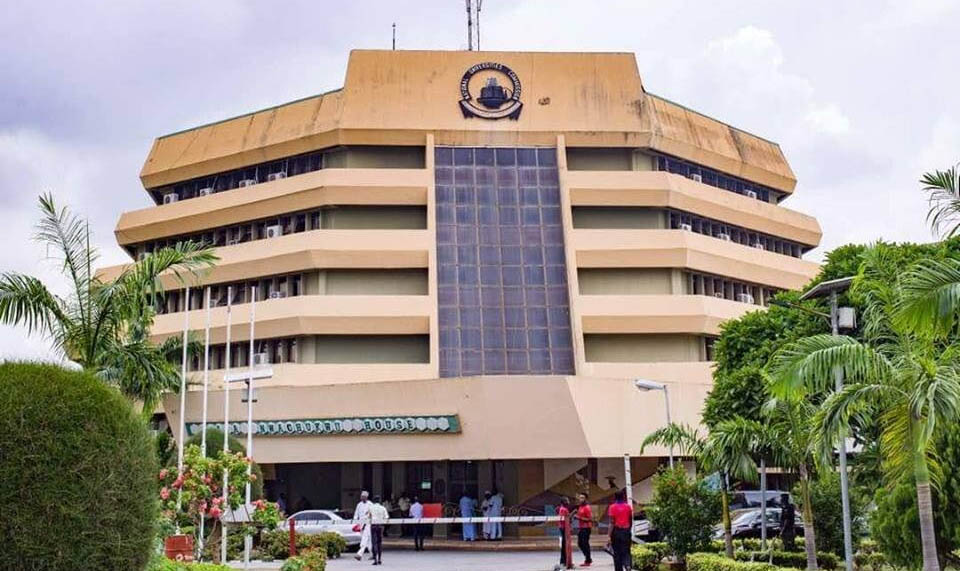
He also called for stronger implementation of the National Universities Commission’s Core Curriculum and Minimum Academic Standards, known as CCMAS, which provides a framework for undergraduate curriculum development.
According to him, the effectiveness of such reforms depends on how consistently universities translate policy provisions into actual teaching, learning and assessment practices.
Lecturers urged to update their skills
The professor also called for mandatory professional development for university lecturers, arguing that academic staff must continually update their knowledge and acquire skills relevant to changing professional environments.
He proposed that lecturers should undertake industry placements and demonstrate new competencies as part of their career development.
Ajayi argued that academic promotion should not depend exclusively on journal publications but should also recognise practical projects, professional certifications and evidence of engagement with industry.
He cited digital tools such as Turnitin, SPSS, Canva and learning management systems as examples of technologies that could support modern teaching, research and assessment.
The professor maintained that lecturers who fail to adapt risk leaving students poorly equipped for workplaces increasingly shaped by digital technology and artificial intelligence.
Students advised to combine degrees with practical skills
Ajayi advised university students against viewing academic qualifications and practical skills as competing alternatives.
Instead, he encouraged them to combine specialist knowledge in their chosen disciplines with complementary competencies that could improve their employability.
He suggested that Sociology students could pursue data analytics, History students could learn documentary filmmaking, while English graduates could develop copywriting and digital communication skills.
According to him, the approach would produce graduates with deep knowledge in one discipline and broader capabilities across other areas.
He argued that a university degree could remain valuable if students used their years of study to build both academic knowledge and demonstrable practical competence.
The professor also urged parents to look beyond course titles when selecting institutions for their children, advising them to investigate the quality of teaching, available facilities, industry partnerships and practical opportunities offered by individual universities.
He maintained that the same academic programme could produce different career outcomes depending on the quality of the institution delivering it.
Government urged to fund measurable outcomes
On government policy, Ajayi called for a funding approach that rewards universities for demonstrable results rather than relying predominantly on student enrolment figures.
He proposed that institutions and departments should be assessed on their contributions to innovation, entrepreneurship and the resolution of community problems.
He argued that higher education funding should support practical learning facilities, research infrastructure and programmes that connect universities with industry.
The professor also identified an opportunity for Ojuolape’s intervention to stimulate a broader national debate on graduate employability and curriculum reform.
He suggested that universities should publish employment outcomes for their graduates and that relevant agencies should strengthen monitoring of academic standards and practical training.
Such measures, he argued, would help parents, prospective students and policymakers make better-informed decisions about university education.
Warns against abandoning humanities
Ajayi cautioned that interpreting Ojuolape’s article as a call to abandon traditional academic disciplines could have unintended consequences.
He argued that technical competence without critical thinking, historical awareness, ethical judgement and communication skills could leave graduates ill-equipped to contribute responsibly to society.
He warned against creating an education system in which students from less privileged backgrounds were channelled towards basic vocational occupations while children from wealthier families retained access to advanced academic and technological opportunities.
According to him, vocational and technical education deserve respect, but they should complement rather than replace a broad and balanced education system.
“Skills without citizenship breeds skilled criminals,” he argued, stressing the importance of combining professional competence with ethical and civic responsibility.
He urged policymakers to pursue reforms that give students access to both academic knowledge and practical skills, irrespective of their social or economic backgrounds.
Concluding his rejoinder, Ajayi commended Ojuolape for drawing attention to the problems facing Nigerian universities but urged him to distinguish between the failure of an education system and the value of education itself.
“We built this system. We must reform it, not burn it,” he said.
He added that the goal should be to produce graduates who can combine education with practical competence to lead, innovate and contribute to national development.
The rejoinder therefore shifts the debate from whether university courses should be scrapped to how Nigerian institutions can improve teaching quality, strengthen practical training and ensure that graduates possess skills relevant to the changing economy.
Editorial note: The statistics and international comparisons cited in the original rejoinder have been attributed to its author and have not been independently verified for this report.
Nigerian Universities Have Not Expired, Only Teaching Methods, Professor Tells Ojuolape
News
Akpabio Under Fire as Senators Move to Secure His Return as Senate President in 2027
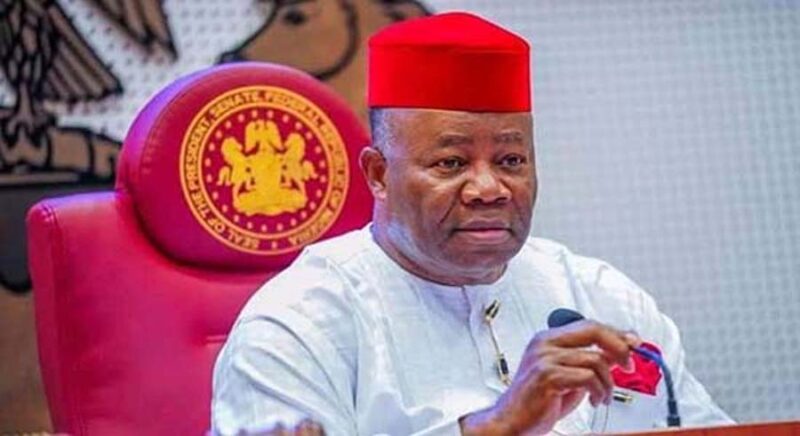
Senate President Godswill Akpabio is facing growing criticism over efforts to secure another term in office, following a controversial move by the current Senate to endorse the return of its leadership in the 11th National Assembly.
The controversy erupted after senators declared that there was “no vacancy” in the Senate presidency, a position critics have described as undemocratic and an attempt to influence the leadership of a future legislature before Nigerians elect a new National Assembly.
The development has intensified political discussions ahead of the 2027 general elections, with questions being raised about the independence of the legislature, the authority of incoming senators and the growing contest for control of the Senate.
At its sitting on Thursday, October 15, 2026, the Senate backed Akpabio’s return as Senate President in the next National Assembly, which is expected to be inaugurated in June 2027.
The motion was moved by Senate Chief Whip Tahir Monguno and seconded by Senator Cyril Fasuyi. It received majority support through a voice vote.
The resolution also endorsed Deputy Senate President Barau Jibrin and other principal officers for another term, subject to their re-election into the Senate.
However, the move has drawn objections from critics who argue that the leadership of the 11th Senate should be determined by the lawmakers elected into the chamber, rather than through a resolution adopted by the outgoing Senate.
READ ALSO:
- Lamine Yamal Shines as Barcelona Thrash Real Betis 5-2
- Tinubu Scraps Recruitment Waiver Requirement for Federal Universities
- FG Begins Rollout of 3,700 Telecom Towers to Connect 20m Nigerians
One of the critics, identified as Epelle in reports, described the move as an affront to democratic principles, arguing that the Senate presidency was not a hereditary position that could be reserved for an incumbent.
Epelle maintained that the office must be contested and decided by senators in accordance with the rules and democratic procedures governing the National Assembly.
The Legislative Advocacy Network (LAN) has also opposed the move. Its coordinator, Benjamin Joseph, argued that the leadership of the next National Assembly should emerge from considerations such as legislative performance, institutional independence and public confidence, rather than political loyalty or the desire to retain existing officeholders.
The criticism centres on whether the current Senate can legitimately declare its leadership positions effectively reserved before the next general election and the inauguration of a new legislature.
Although the resolution signals support for Akpabio within the current Senate, it does not automatically guarantee his return. The next Senate will have its own membership, and its elected members will determine who occupies the offices of Senate President and Deputy Senate President.
Akpabio has meanwhile stepped up efforts to secure political backing for his second-term ambition. At the inauguration of the APC Presidential Campaign Council, he appealed to President Bola Ahmed Tinubu to support his bid to return as Senate President in 2027.
His appeal has added another dimension to the debate over the influence of the Presidency and the ruling All Progressives Congress (APC) in determining the leadership of the National Assembly.
Akpabio has also warned governors against seeking other political offices while still occupying their current positions. The remarks were widely interpreted as a warning directed at Imo State Governor Hope Uzodimma, who is seeking election to represent Imo West Senatorial District in 2027.
Uzodimma’s senatorial ambition has fuelled speculation about a possible contest for the Senate presidency if he wins a seat in the next National Assembly. Reports have also highlighted opposition from Federal Capital Territory Minister Nyesom Wike, who has said he would not support Uzodimma’s reported ambition to lead the Senate.
The emerging rivalry underscores the political calculations surrounding the next Senate leadership, particularly within the APC, where support from party leaders and influential political figures could shape negotiations but cannot replace the formal choice of senators.
For Akpabio, securing another term will depend not only on his political alliances but also on winning re-election to the Senate and obtaining the support of enough senators-elect when the 11th National Assembly convenes.
The backlash over the “no vacancy” resolution has therefore placed the question of Senate leadership in 2027 at the centre of a wider debate about legislative independence, internal democracy and the right of a new parliament to choose its own presiding officers.
As the election approaches, the contest is likely to intensify, with Akpabio’s supporters seeking to consolidate their position and critics insisting that the next Senate presidency must be decided by the lawmakers elected to serve in the 11th National Assembly.
Akpabio Under Fire as Senators Move to Secure His Return as Senate President in 2027
News
2027: ADC Faction Disowns Atiku, Rejects G-100 Alliance Amid Party Crisis
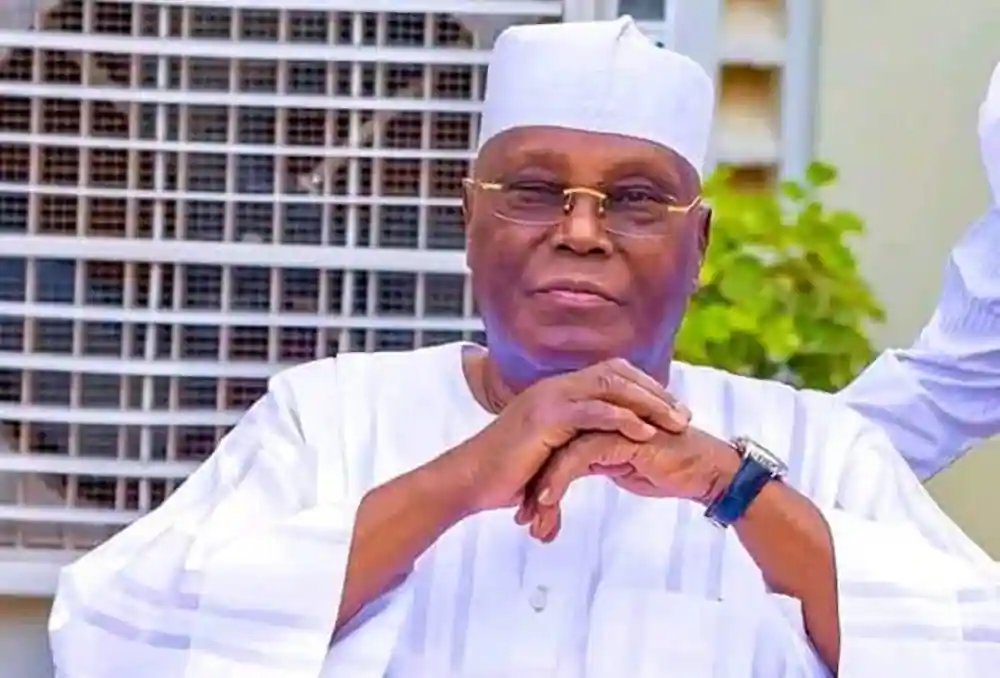
ABUJA — A fresh leadership dispute has emerged within the African Democratic Congress (ADC) after a faction led by Nafiu Bala Gombe disowned former Vice-President Atiku Abubakar as its presidential candidate for the 2027 general elections and rejected any alliance with the G-100 opposition coalition.
The faction insisted that it would not allow its political platform to be used to advance arrangements it had not authorised, warning Atiku and individuals associated with the G-100 against presenting him as its flagbearer.
In a statement, Gombe accused some elements within the G-100 coalition and Atiku of allegedly attempting to pressure the faction into a political alliance or merger ahead of the elections.
He maintained that the faction would protect the party’s identity, organisational structure and political independence rather than surrender its platform to the ambitions of individual politicians.
“The African Democratic Congress is NOT, and will NOT, be in any alliance, merger, or coalition with any political party ahead of the 2027 general elections,” the faction declared.
Gombe also issued a direct warning to Atiku, urging the former vice-president to stop presenting himself as the faction’s presidential candidate or speaking on its behalf.
The development comes amid continuing divisions over the leadership and direction of the ADC as opposition politicians explore ways to challenge the ruling All Progressives Congress (APC) in 2027.
READ ALSO:
- Omoda, Jaecoo Storm Europe as Global Sales Surge 123% to 73,421
- 16-Year-Old Girl Recounts Horror of Hookup Encounter, Says Man Threatened Her With Knife, Acid
- Ex-Super Eagles Coach Westerhof Battles Colon Cancer in Critical Condition, Wife Seeks Help
The G-100 initiative has been involved in discussions aimed at improving cooperation among opposition forces, including proposals for a common platform or a single presidential candidate capable of mounting a stronger challenge to the ruling party.
However, the discussions have encountered resistance from political figures unwilling to abandon their presidential ambitions in favour of a consensus candidate.
Atiku’s position within the ADC has also become a point of contention between rival factions. While the Gombe-led group rejects his candidacy, the faction led by former Senate President David Mark has recognised him as its presidential candidate.
The ADC’s publicly available announcements previously stated that Atiku won its presidential primary and that his name, alongside that of former Rivers State governor Rotimi Amaechi as running mate, was submitted to the Independent National Electoral Commission (INEC).
The competing claims underscore the importance of distinguishing the Gombe faction’s position from that of the rival ADC leadership. The latest statement does not, by itself, establish that the entire party has withdrawn its endorsement of Atiku.
Meanwhile, the ADC’s National Publicity Secretary, Bolaji Abdullahi, said the party’s discussions facilitated by the G-100 were focused on electoral cooperation rather than necessarily producing a single presidential candidate.
The clarification highlights the differences between efforts to coordinate opposition parties and proposals requiring individual candidates to withdraw from the presidential race.
For Atiku, who is seeking another opportunity to contest Nigeria’s highest political office, the controversy presents an additional challenge as opposition groups negotiate their strategies ahead of the 2027 elections.
The dispute also raises questions about the ADC’s ability to maintain unity while managing rival leadership claims, coalition negotiations and competing political interests.
With the election approaching, the resolution of the party’s internal disagreements could prove significant to its preparations and its prospects of presenting a united opposition front.
For now, the Gombe-led faction has maintained that it will pursue its political objectives independently and will not accept an alliance or candidate arrangement it considers unauthorised.
2027: ADC Faction Disowns Atiku, Rejects G-100 Alliance Amid Party Crisis
-

 metro3 days ago
₦130m Toyota Tundra Wrecked: Lagos Dealer Questions Police Over Suspect’s Release
-

 News3 days ago
₦200m Fake Alcohol Packaging Uncovered as NAFDAC Raids Aba Market
-

 metro2 days ago
Suspended Archbishop Ibezim Drags Anglican Primate to Court, Challenges Six-Month Leave
-
 Sports2 days ago
Real Madrid Demand Tebas’ Exit After Explosive Nazi Propaganda Row
-

 Entertainment2 days ago
ToluwaniSings’ Final Hours: Aide Reveals Desperate Search Across 8 Hospitals
-
 Education3 days ago
Nigerian Universities Producing Certificate Holders, Not Problem-Solvers, Says Ojuolape
-

 metro2 days ago
Imodi-Ijebu Muslim Community Bets on 20 Chiefs to Drive Education, Economic Growth
-
 Politics2 days ago
2027: Kwankwaso Signals Fuel Subsidy Comeback as NDC Vows to Crash Petrol Prices