

News
Pro-Tinubu group urges court to remove Buni as APC caretaker chairman

Abiodun Nejo
Ekiti State All Progressives Congress members loyal to former Lagos State Governor Bola Tinubu have urged the court to sack Governor Mai Mala Buni as Chairman, Caretaker Committee of the party.
The members, under the aegis of South West Agenda for Asiwaju 2023, a group rooting for Tinubu’s rumoured presidential bid, also urged the court to nullify all actions taken by Buni as APC Caretaker Committee Chairman and as well annul the July 31 ward congresses of the party in Ekiti State.
The SWAGA members made the prayers in a suit number FHC/AD/CS/21/2021 filed at the Federal High Court, Ekiti State Division, where it had also sought an interlocutory injunction stopping the conduct of the local government congress which held in Saturday “or an order declaring the outcome illegal”.
Joined in the suit deposed to by 36 SWAGA members and contestants in the ward congresses on behalf of over 3,650 members of the group in Ekiti was filed by their lawyers, Barrister Ayodeji Odu and five others for the plaintiffs, are APC (1st defendant), Mai Mala Buni(2nd defendant), Ekiti APC Chairman, Paul Omotoso (3rd defendant), Chairman, Ekiti Congress Screening Committee, Samuel Abejide (4th defendant) and the Independent National Electoral Commission (5th defendant).
Among others, the applicants are seeking from the court “a declaration that the 2nd defendant (Buni) cannot hold the position of Chairman, Caretaker Extraordinary Convention Committee of the 1st defendant (APC) as such appointment/role is a constitutional violation of Section 187 of the 1999 Constitution as amended and Article 8 of the 1st defendant’s constitution.
“A declaration that all actions or steps taken by the 1st defendant (APC) under the control, supervision, direction of the so called caretaker Extraordinary Convention Planning Committee of APC, headed by the 2nd defendant, including the conduct of ward congresses across Nigeria and Ekiti State on 31st July, 2021 was illegal and unconstitutional on the ground that the 2nd defendant (Buni) under whose such steps or actions were taken was ineligible to superintend over 1st defendant party affairs while still serving in office as a Governor.
“A declaration that all committee/Ward congress committees set up by the 3rd defendant pursuant to the Ward Congress of 31st July 2021 was unconstitutional, illegal, null and void and in total violation of the guidelines of the 1st defendant on conduct of the congress”.
The SWAGA members also sought “a declaration that no congress was held in Ekiti-State chapter of the 1st defendant as no result has been declared in respect of the congress as at the date of filing this case”.
They also sought “an order declaring the congress of the 1st defendant purportedly held on the July 31 and organized and conducted by or under the instruction/supervision of 2nd and 3rd defendants in Ekiti State as unconstitutional, illegal, null and void”.
They also prayed the court to declare that the congress of the 1st defendant purportedly held in Ekiti-State on the 31st day of July 2021 was in total breach of democratic norms and practices and violation of the Constitution and guidelines issued by the 1st defendant for the conduct of the 2021 ward congresses.
They also sought “an injunction restraining the 1st and 3rd defendants from conducting any further congresses into local government and state offices of 1st defendant in Ekiti State pending the determination of the substantive matter”.
The plantiffs asked for an injunction restraining the 5th defendant (INEC) from recognizing or dealing with any ward executive or officers purportedly produced from the purported ward congress of 31st July, 2021 in Ekiti State.
SWAGA State Chairman, Senator Tony Adeniyi, who said INEC and APC had been duly served, accused Buni, Omotoso and Abejide of evading service.
Adeniyi said, “Having realised that these defendants are trying to obstruct justice by evading service of papers, we are going to file a motion for substituted service on Monday September 6 before the court to make the service easier and for expeditious trial of the case”.
But the Secretary of Congress Committee in Ekiti, Femi Akindele, said whoever approached the court without exhausting internal mechanism to seek redress would be doing such in flagrant violation of the party’s constitution and guidelines.
Akindele said that the local government congress conducted in Ekiti on Saturday was undertaken without violating the constitution of the party and the 1999 constitution of Nigeria, saying the suit did not vitiate the process already undertaken.
Source: https://punchng.com








News
Jetour Nigeria displays hi-tech, luxury, art at Abuja Experience
Jetour Nigeria displays hi-tech, luxury, art at Abuja Experience
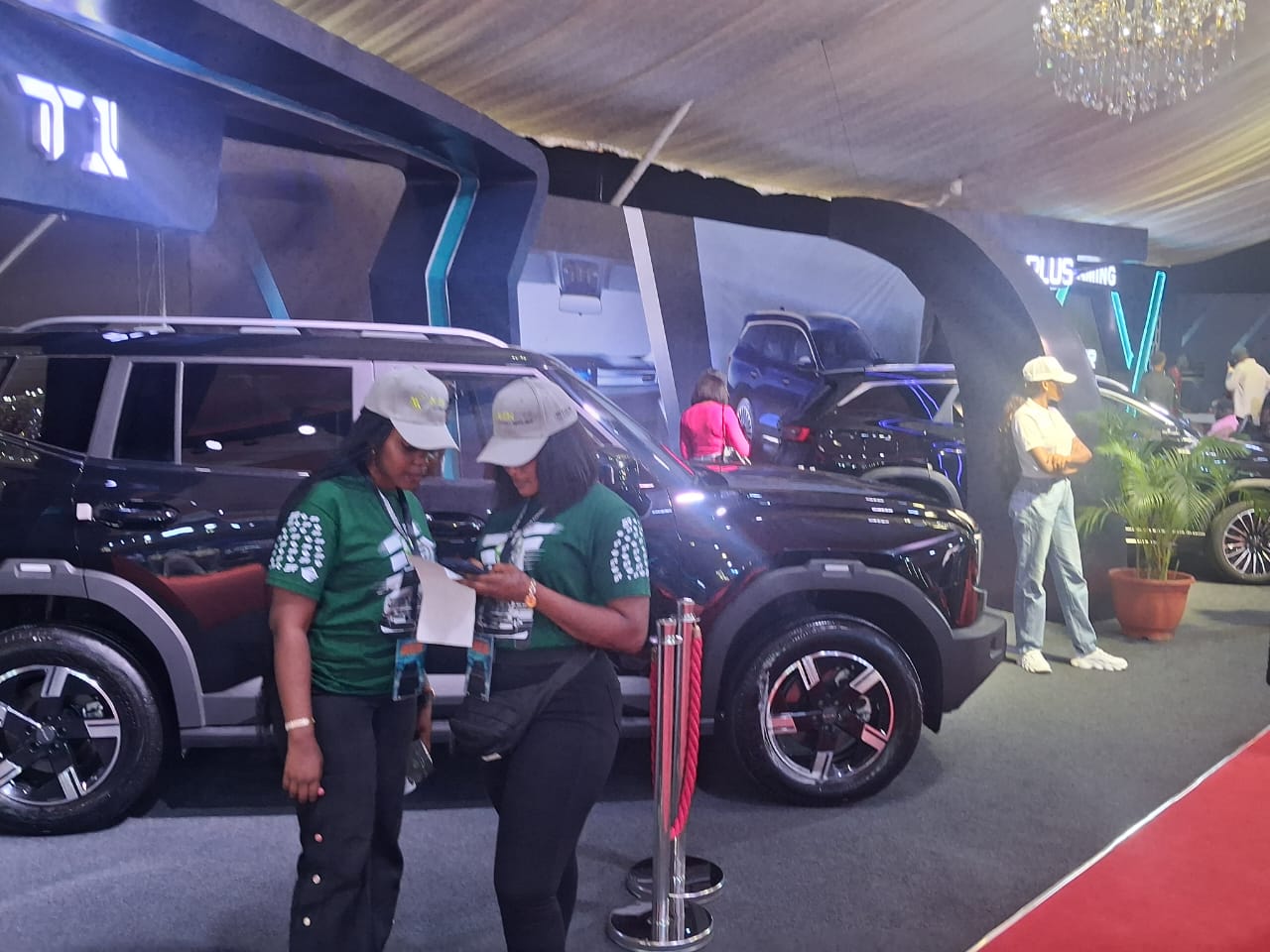
Jetour Nigeria has turned its Abuja Experience into a colourful fusion of hi-tech automobiles, luxury and art, attracting automobile enthusiasts, prospective buyers and art lovers to an exhibition designed to showcase a new dimension of motoring and lifestyle.
The three-day event, which opened on Tuesday at the Maha Event Centre, Area 8, Garki, Abuja, has brought together an impressive collection of Jetour SUVs and new-generation vehicles, alongside art displays that added colour and creativity to the automobile showcase.
Rather than a conventional vehicle exhibition, the Abuja Experience offered visitors an opportunity to interact with Jetour’s technology-driven vehicles, examine their luxury features and immerse themselves in an artistic presentation that appealed to both young and older enthusiasts.
Among the vehicles on display are the Jetour X50, X70 Plus, X70 PHEV, X90 Plus, T2, T2 PHEV, Dashing, Rely R8, G700, as well as the newly introduced T1 and F700.
The event, which ends today, Thursday, September 24, is the latest stage in Jetour Nigeria’s strategy of taking its products closer to customers while strengthening its presence in Abuja, the Federal Capital Territory and neighbouring states.
On the first day, discussions centred on Jetour’s product philosophy, technology, safety and the changing preferences of Nigerian motorists.
Speaking during the first panel session, Managing Director of New Era AutoVehicle Services, Kemi Koyejo, said Jetour’s growing product portfolio was designed to cater for the diverse needs of Nigerian motorists.
Koyejo described Jetour vehicles as a combination of luxury, safety and technology, stressing that there was “no one-size-fits-all product” because motorists have different needs and lifestyles.
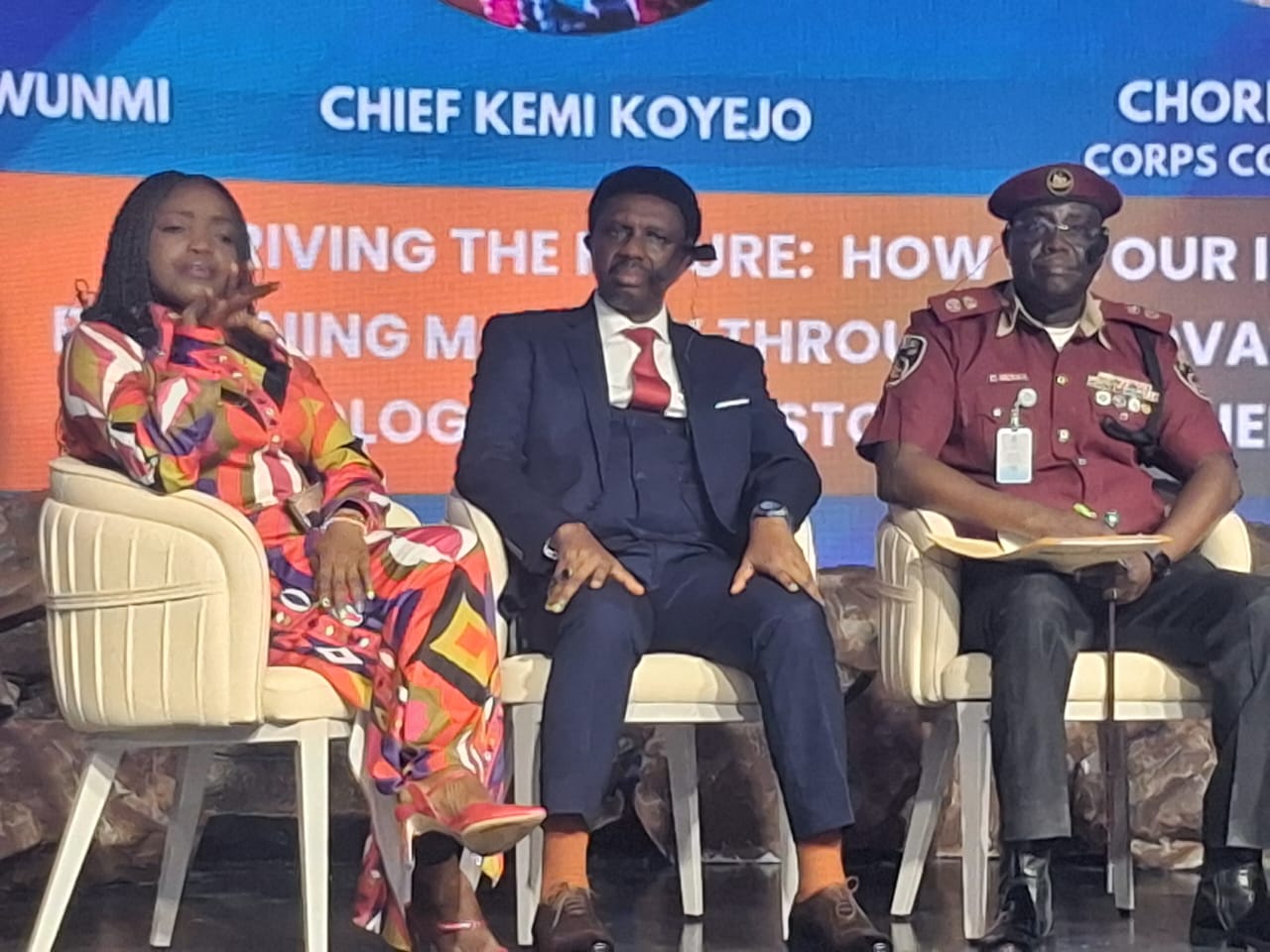
She explained the philosophy behind the Jetour name—“Jet plus Tour”—saying the brand was intentional about making mobility more enjoyable.
READ ALSO:
- Former Super Eagles Captain Troost-Ekong Embraces Islam, Recites Shahadah in Doha
- Milei Slams UN as ‘Useless’ Over Falklands Dispute
- Lagos Arrests Man Over Viral Video of Toddler Being Flogged
- Kwara Police Deny Shooting Motorcyclist at Oyun Bridge, Explain Viral Video
According to her, Jetour was “forward-looking”, with a product strategy covering petrol-powered vehicles, hybrids and plug-in hybrid technologies under its corporate tagline, “Drive Your Future.”
Executive Director, Elizade Nigeria Limited, Dr Ademola Philip-Adewunmi, identified after-sales support and spare-parts availability as critical to sustaining Jetour’s growth in Nigeria.
He disclosed that Jetour had sold about 1,000 units in Nigeria within three years, adding that motorists were increasingly researching and comparing vehicles before making purchasing decisions.
He said buyers now demanded a combination of aesthetics, technology, connectivity, performance and value for money.
Adewunmi also disclosed that Jetour vehicles come with a five-year or 150,000-kilometre warranty, while customers have access to trade-in opportunities.
On safety, Corps Commander Cherries Muta of the Federal Road Safety Corps said technologies deployed in Jetour vehicles, including sensors and driver-warning systems, could contribute to safer driving.
Art meets automobile
The second day introduced another dimension to the experience, as artworks were displayed alongside Jetour’s vehicles, creating a meeting point between automotive design, technology, luxury and contemporary art.
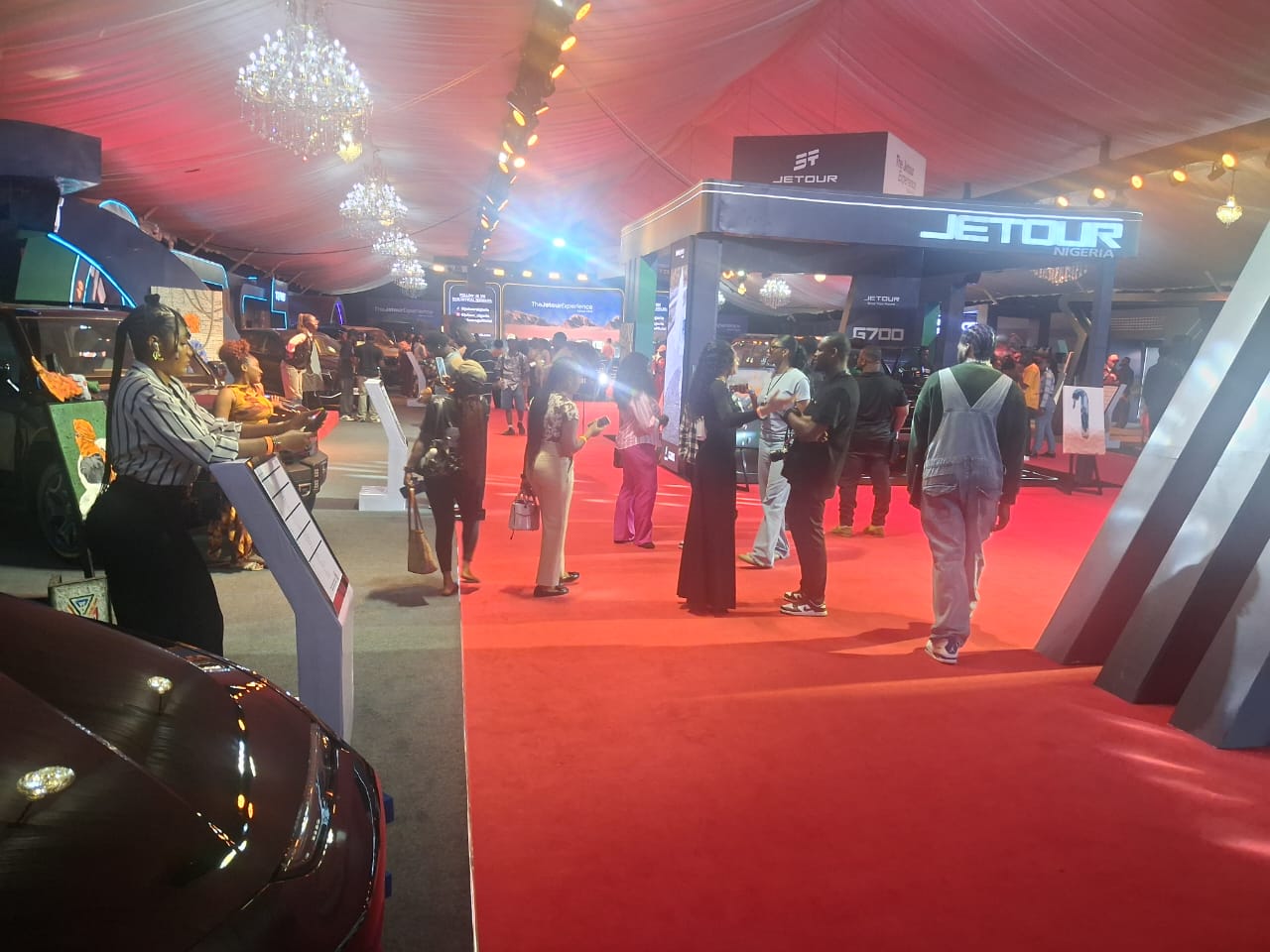
The art exhibition attracted an audience comprising young and older lovers of quality automobiles and art, with the producers explaining the concepts and intentions behind the works.
The presentation added a creative and cultural dimension to the automobile showcase, with visitors moving between the vehicles and artworks while engaging with the artists and exploring the ideas behind their creations.
The event also featured cultural performances and a second panel session focusing on mobility entrepreneurship and emerging opportunities across Nigeria.
Jetour Vice President, Yuan Anguo, thanked Nigerian customers for their confidence in the brand, assuring them that the company remained committed to developing its business in Nigeria and across Africa.
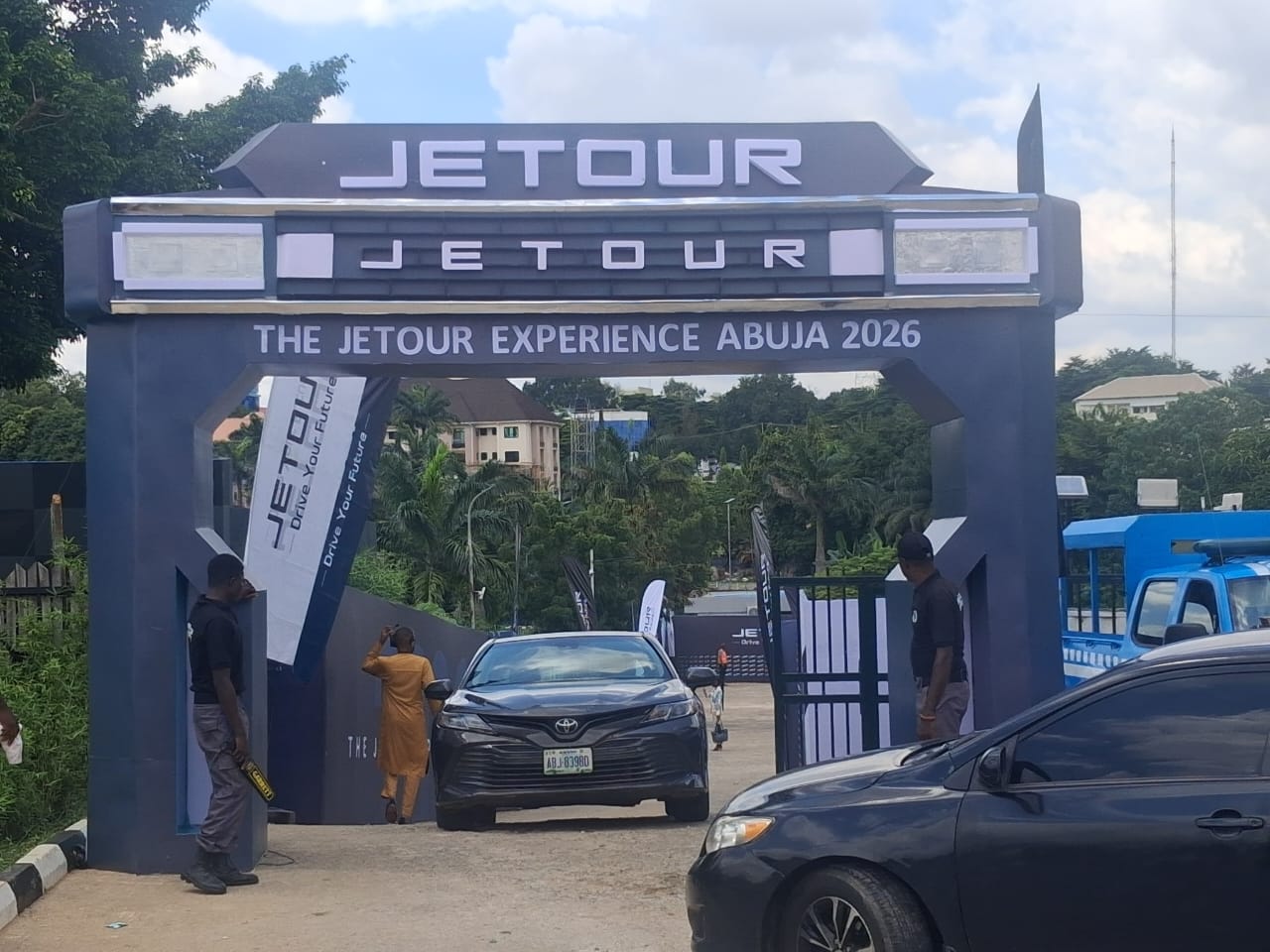
The Abuja Experience, according to the organisers, is part of Jetour Nigeria’s broader effort to deepen customer engagement, expand its market presence and present mobility not simply as transportation, but as an experience combining technology, comfort, lifestyle and creativity.
Jetour Nigeria displays hi-tech, luxury, art at Abuja Experience
News
NLC Backs ₦500 Petrol Demand, Workers Propose ₦500,000 Salary
NLC Backs ₦500 Petrol Demand, Workers Propose ₦500,000 Salary
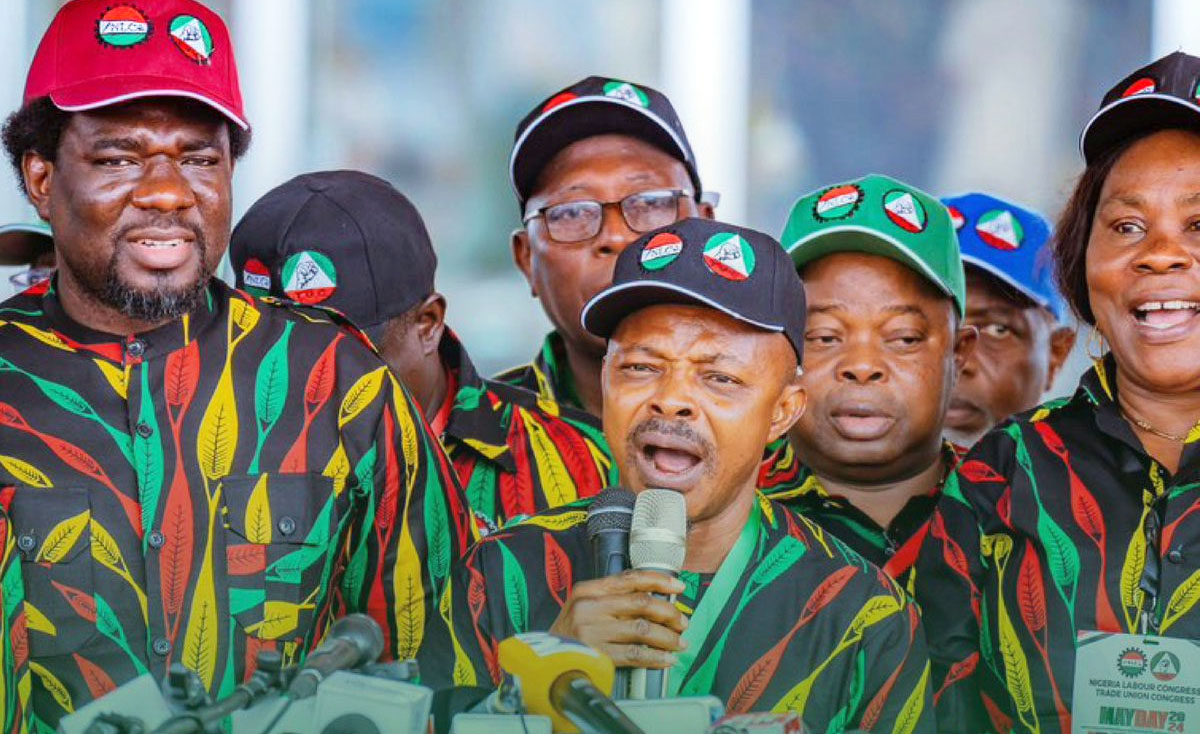
The Nigeria Labour Congress (NLC) has backed demands by public-sector workers for the Federal Government to reduce the price of petrol to ₦500 per litre, while the workers have proposed a minimum monthly salary of ₦500,000 for Grade Level 01, Step 1 officers under a new public-service salary structure.
The demands were contained in a letter by the Trade Union Side of the Joint National Public Service Negotiating Council (JNPSNC) to President Bola Ahmed Tinubu, amid renewed concerns over rising fuel prices and the worsening cost-of-living crisis.
The workers gave the Federal Government until September 30, 2026, to respond to their demands, which cover petrol prices, wage awards, salary reviews and negotiations for a new wage structure.
The JNPSNC called for an intervention capable of bringing the petrol pump price down to ₦500 per litre, arguing that the rising cost of fuel has significantly increased transportation expenses and contributed to higher prices of food and other essential goods and services.
The demand comes amid another increase in petrol prices in Nigeria, with pump prices rising in several parts of the country following higher crude oil prices in the international market.
The labour movement has argued that the impact of rising fuel costs extends beyond motorists, as increased transportation and energy expenses raise the cost of moving agricultural produce, manufacturing goods and other commodities.
The NLC has therefore called for measures to cushion workers and households from the effects of the latest price increases.
On wages, the JNPSNC proposed a new salary structure under which a Grade Level 01, Step 1 public servant would earn ₦500,000 monthly.
The figure is important because it is a proposal by the workers, not an approved national minimum wage.
The proposed ₦500,000 salary is also specifically linked to the public-service salary structure being sought by the JNPSNC ahead of January 2027. It should not be presented as though the Federal Government has agreed to increase Nigeria’s statutory national minimum wage to ₦500,000.
READ ALSO:
- UK Student Visa: 63 Countries Exempt From Proof of Funds, Nigeria Excluded
- Lagos Intensifies Surveillance as Adulterated Palm Oil Raises Food Safety Concerns
- Saudi Arabia Rejects Nigeria’s Request for More 2027 Hajj Slots
Nigeria’s current statutory national minimum wage remains ₦70,000 per month, following the 2024 wage agreement and legislation.
The workers are seeking negotiations for a new wage structure while also asking for an immediate Wage Award for employees at the Federal, State and Local Government levels as a short-term response to current economic pressures.
The proposed wage award is separate from the longer-term salary review and any future agreement on the national minimum wage.
The JNPSNC wants the National Salaries, Incomes and Wages Commission (NSIWC) to begin discussions with labour representatives and other stakeholders on the proposed wage award and salary adjustments.
The workers said rising inflation, transportation costs, food prices, housing expenses, healthcare costs and education fees had reduced the purchasing power of existing salaries.
They also called for salaries and allowances across the public service to be reviewed upward and for future salary adjustments to take inflation into account.
According to the workers, linking periodic salary reviews to inflation would help prevent employees’ earnings from losing substantial purchasing power between major wage negotiations.
The labour side also demanded subsidised transportation and affordable housing for public servants as part of measures to ease the pressure on workers.
On the petroleum sector, the workers backed calls for greater availability of crude oil in naira to local refineries, arguing that increased domestic refining and local crude supply could reduce exposure to international oil-market shocks.
The NLC has previously advocated measures to strengthen local refining and improve domestic energy security as part of efforts to reduce pressure on consumers.
The workers also rejected the idea of relying mainly on food palliatives to address the hardship, arguing that temporary relief does not adequately compensate for the loss of purchasing power caused by higher transportation and living costs.
They instead called for measures that would address the underlying drivers of the rising cost of living.
The latest demands come as the downstream petroleum market faces renewed price pressure despite increased domestic refining capacity.
Higher international crude prices have raised input costs for refiners, contributing to increases in the wholesale and retail prices of petrol.
The development has renewed debate over how much protection Nigeria’s expanding domestic refining capacity can provide against global oil-price movements.
For organised labour, however, the immediate concern is the effect of higher fuel prices on workers and households.
The JNPSNC expects the Federal Government to respond to its demands by September 30, while also looking ahead to negotiations for a new salary and wage framework from January 2027.
The council has indicated that it expects the President’s forthcoming Independence Day address to address some of the concerns raised by workers.
The proposed ₦500,000 salary therefore remains a labour demand awaiting negotiation and possible government consideration. It is not the current national minimum wage and does not mean that all Nigerian workers are automatically entitled to ₦500,000 monthly.
Similarly, the proposed ₦500 petrol price is a demand for government intervention and does not represent the current regulated or prevailing pump price across Nigeria.
The labour demands reflect growing pressure from organised workers for government action as households and businesses contend with higher fuel prices, transportation costs and living expenses.
NLC Backs ₦500 Petrol Demand, Workers Propose ₦500,000 Salary
News
MURIC Warns FG: Any Move Against Atiku Now Lacks Tact
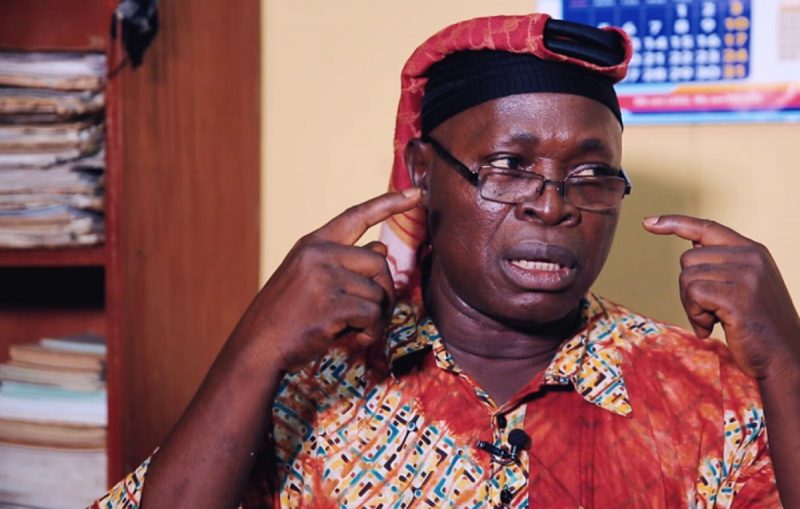
MURIC Warns FG: Any Move Against Atiku Now Lacks Tact
The Muslim Rights Concern (MURIC) has warned the Federal Government against any move to arrest, interrogate or otherwise take action against former Vice-President Atiku Abubakar over a fresh petition before the Economic and Financial Crimes Commission, saying such a step at this time could send the wrong signal to Nigerians.
The warning came as the controversy over a renewed call for the EFCC to investigate allegations dating back to Atiku’s tenure as Vice-President intensified, with opposition figures and the petitioner trading sharply different arguments over the matter.
In a statement issued on Tuesday, September 22, 2026, MURIC Founder and Executive Director, Professor Ishaq Akintola, said the government should exercise caution, particularly with the 2027 general elections approaching.
According to MURIC, the renewed allegations have assumed greater sensitivity because Atiku is now the presidential candidate of the African Democratic Congress and a leading opposition figure.
“We warn that such an attempt at this point in time will send the wrong signal to Nigerians,” the group said, adding that with the 2027 elections “at the doorsteps,” the Federal Government should carefully consider the consequences of any action against the former Vice-President.
MURIC described any such move as lacking tact and “short” of emotional intelligence, while urging the government to avoid conduct that could create the impression that state institutions were being used against political opponents.
The organisation also warned against what it described as a damaging “body language” capable of portraying Nigeria as a “banana republic.”
MURIC said that although the country had already lost some ethical ground, its democratic values and norms remained important safeguards that should not be compromised.
“Our corporate image in the global community is sinking fast,” the group added.
READ ALSO:
- JAMB Allows Candidates to Change Lost SIM, Email Addresses
- How Nigerians Can Get Federal High Court Affidavit Online Without Visiting Court
- Plateau Violence: Several Killed as Fresh Attacks Trigger Mass Exodus
The statement followed renewed controversy over a petition by former House of Representatives member, Ehiozuwa Agbonayinma, asking the EFCC to revisit allegations concerning Atiku’s activities while he was Vice-President.
Reports indicate that the petition relates to allegations investigated by the EFCC between 2005 and 2006. Agbonayinma reportedly gave the anti-graft agency a 14-day ultimatum to act and threatened legal action if the commission failed to respond.
Former Senator Dino Melaye has strongly opposed the renewed petition, describing it as an attempt to “resurrect the dead.” Melaye argued that the matter had previously been dealt with and questioned the basis for bringing it back almost two decades later.
The dispute, however, has escalated beyond the original petition, with Agbonayinma hitting back at Melaye and challenging him to produce documentary evidence for his claim that the allegations had been investigated and dismissed.
In a statement reported on September 20, Agbonayinma insisted that he was asking the EFCC to perform its statutory responsibility and argued that the substance of the allegations should be addressed rather than his personality or political affiliation.
“You cannot defend Atiku Abubakar from an EFCC petition by attacking me,” Agbonayinma was quoted as saying, while urging the anti-graft agency to determine whether the allegations warranted further investigation.
The renewed controversy has also brought attention to the distinction between a petition seeking investigation and a finding of criminal guilt. The existence of a petition does not, by itself, establish that the person named in it committed an offence.
There is also a historical legal dimension to the allegations. Reports on the previous proceedings state that a Lagos State High Court set aside an EFCC administrative indictment against Atiku in December 2006, while no criminal conviction against him resulted from the allegations.
Atiku has continued to deny wrongdoing and has challenged anyone with credible evidence against him to present it through the appropriate legal channels.
Meanwhile, there was no confirmed announcement from the EFCC, as of the latest reports reviewed, that it had arrested Atiku or formally invited him over the fresh petition. A separate and more recent EFCC investigation reported on September 20 concerns individuals connected to allegations surrounding the Mambilla Power Project, which is distinct from the 2005–2006 allegations at the centre of the present political dispute.
The MURIC intervention has therefore added a fresh dimension to an increasingly heated political controversy, with the organisation urging the Federal Government to exercise restraint and protect public confidence in Nigeria’s democratic institutions.
With the 2027 elections approaching, the dispute over the renewed EFCC petition is expected to remain a significant political issue, particularly if the anti-graft agency decides to take further steps.
For MURIC, however, the timing of any action is crucial. The organisation wants the Federal Government to ensure that whatever steps are taken by law-enforcement agencies are grounded in due process and do not create the perception of political persecution.
The group’s central warning is that Nigeria must guard its democratic reputation and avoid actions that could further erode public confidence in its institutions at a particularly sensitive period in the nation’s political calendar.
MURIC Warns FG: Any Move Against Atiku Now Lacks Tact
-
 News3 days ago
NLC Backs ₦500 Petrol Demand, Workers Propose ₦500,000 Salary
-

 Politics3 days ago
Obi vs Soludo: ₦86.67bn Handover Figure Meets ₦127.37bn Debt Claim
-
 metro3 days ago
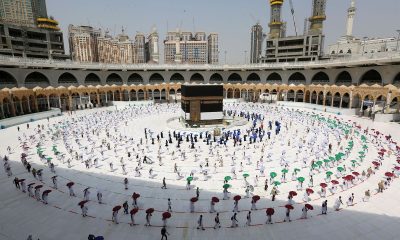
Saudi Arabia Rejects Nigeria’s Request for More 2027 Hajj Slots
-
 Education3 days ago
UK Student Visa: 63 Countries Exempt From Proof of Funds, Nigeria Excluded
-
 Health3 days ago
Lagos Intensifies Surveillance as Adulterated Palm Oil Raises Food Safety Concerns
-

 metro2 days ago
Nationwide Blackout Looms As Electricity Workers Give NAF Three-Day Ultimatum
-

 News3 days ago
MURIC Warns FG: Any Move Against Atiku Now Lacks Tact
-

 Entertainment2 days ago
Phyna, Nkechi Blessing Take Social Media Feud To Boxing Ring In Lagos