

Business
FG will increase taxes next year, says finance minister
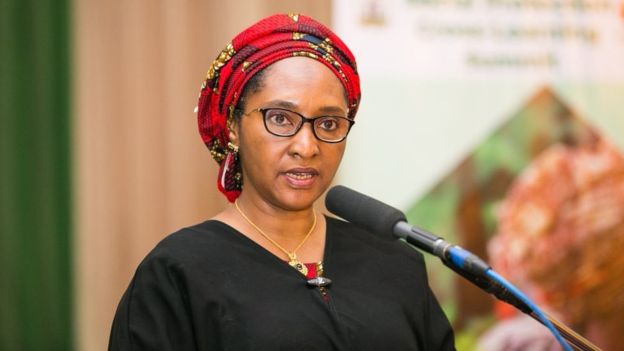
Nigerians have to be prepared to pay more taxes next year as the Federal Government takes practical steps to shore up the nation’s non-oil revenue, Minister of Finance, Budget and National Planning, Zainab Ahmed, has said.
Although the minister did not give the expected percentage increase , she said this had been captured in the medium term as proposed in the Finance Bill 2021.
She disclosed this on Monday during a public hearing on the bill organised by the House of Representatives Committee on Finance.
She said, “While these issues may require modest increases in taxes and tariffs on certain businesses, sectors, industries and individuals over the medium term, this administration remains committed to continuous dialogue and engagement with all stakeholders and interest groups.”
She said Nigeria must diversify its revenues from oil to fund critical expenditures.
She said Nigeria also requires more fiscal reforms.
However, while some experts said it was wrong to increase taxes at this critical time, others said there was nothing wrong in collecting taxes from the right quarters.
They said the most important thing was for governments at all levels to account for what they collected in form of taxes and levies through providing critical infrastructure and services to the people.
The minister said as of September 2021, the federal government’s retained revenue was N4.56 trillion, achieving 75 per cent of the budget while its share of oil revenues was N845 billion, representing 56.3 per cent pro-rated performance.
According to her, the “Federal share of non-oil revenues was N1.31tr (117.3% above budget). Companies Income Tax (CIT) and Value Added Tax (VAT) collections were N616bn and N274.4bn representing 121% and 153%, respectively, of the pro-rata targets. Also, customs collections were N418.97bn.”
The minister said the current fiscal policy stance was to let tax incentives with sunset provisions to naturally expire and not to automatically renew them without a detailed tax expenditure cost and benefit evaluation of the relative success of the incentives before extending them further.
She said there will also be an acceleration of the projected increase in tariff and excise duties on tobacco, alcohol and carbonated drinks to fund vital expenditure on health, education, and security as well as wholesale reform of antiquated stamp duties and capital gains tax regime.
In his opening remark, the Speaker, Femi Gbajabiamila, who was represented by the Minority Leader, Ndudi Elumelu (PDP, Delta), said the 2021 Finance Bill seeks to introduce strategic and broadminded, positive reforms that would engender best practice, statutorily check borrowing by local, states and federal governments.
“It is instructive to state that the essence of the 2021 bill is to further reposition our finance system to plug wastes, close openings for corruption, create opportunities for employment as well as stimulate stability and growth in our productive sectors, within the wider context of our quest for economic recovery in our country,” he said. The chairman of the committee, James Abiodun Faleke (APC, Lagos), said the committee will analyse the submissions by the various stakeholders as regards the proposed amendments and submit its report.
A member of the committee, Mukhtar Ahmed (APC, Kaduna), called on the finance ministry and the Nigeria Customs Service (NCS) to speed up the excise duty on carbonated drinks which, he said, will reduce the increasing cases of diabetes.







Business
Nigerians Pay N44 Extra Per Litre as Retailers Defy Falling Depot Prices – Full Report

Auto
Abuja Roars to Life as Jetour X50 Headlines Three-Day Motoring Experience
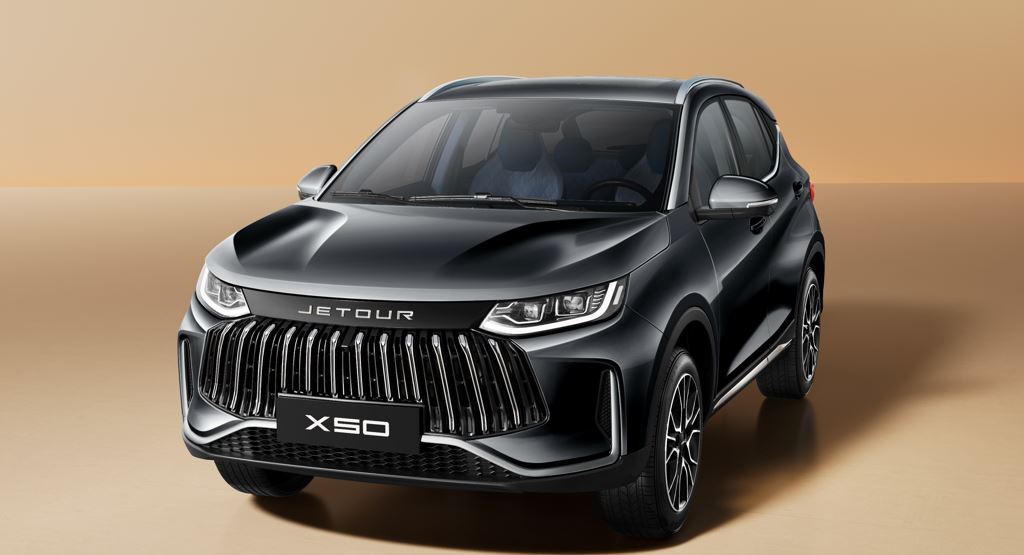
Abuja Roars to Life as Jetour X50 Headlines Three-Day Motoring Experience
Abuja is gearing up for a major motoring spectacle as Jetour Nigeria brings its fast-growing brand experience to the Federal Capital Territory, with the stylish Jetour X50 set to take centre stage in a three-day showcase of performance, technology and automotive innovation.
Scheduled for September 22 to 24, 2026, the Jetour Experience Abuja will move beyond the conventional vehicle exhibition, giving motorists and prospective buyers the opportunity to test-drive the X50, interact with automotive specialists and experience a range of entertainment and interactive activities.
The Abuja activation follows the strong reception recorded during Jetour Nigeria’s recent Lagos experience and forms part of the automaker’s strategy to deepen customer engagement while expanding its footprint across Nigeria.
Backed by an expanding authorised dealer network comprising Elizade Nigeria Limited, Mandilas Autos, Germaine Auto Centre, Kojo Motors, R.T. Briscoe, Tab Autos and New Era AutoVehicle Services, Jetour is also strengthening access to vehicle sales, after-sales support, genuine spare parts and certified technical services nationwide.
At the heart of the Abuja experience will be the Jetour X50, a compact SUV designed to combine contemporary styling, performance and a technology-rich driving environment.
Powered by a 1.5-litre turbocharged engine paired with a dual-clutch transmission, the X50 has positioned itself as a strong contender in Nigeria’s competitive compact SUV segment.
Jetour has equipped the model with a range of premium features, including a 360-degree camera, Blind Spot Detection, 10.5-inch infotainment system with Apple CarPlay and Android Auto, wireless charging and leather upholstery.
The combination of technology, comfort and performance is part of Jetour’s strategy of offering premium motoring features at competitive price points.
The Abuja event also highlights Jetour’s aggressive expansion strategy in Nigeria, following the brand’s recognition with industry accolades including Fastest Growing Auto Brand and Auto Brand of the Year.
With its expanding dealer network providing nationwide sales and after-sales support, Jetour is seeking to deepen customer engagement while making its vehicles and ownership services more accessible to motorists across the country.
As Abuja prepares to welcome the Jetour Experience, the three-day activation is expected to provide motorists with an opportunity to see, feel and drive the X50 while experiencing first-hand what is driving the brand’s growing appeal in Nigeria.
Business
Dangote Refinery Sets ₦525 Per Share for Landmark IPO
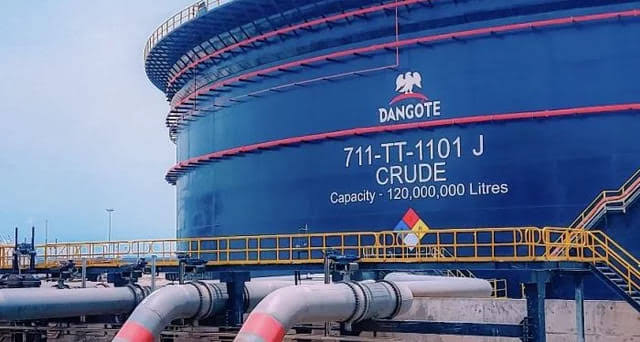
For ₦5,250, Nigerians could soon own a piece of the refinery that has reshaped the country’s fuel market.
-

 metro2 days ago
El-Rufai Demands ₦10bn from Defence Minister Over Southern Kaduna Killings Allegation
-

 metro3 days ago
Socialite Igho ‘Tiny’ Ubiribo Dies After Penis Enlargement Surgery
-

 metro2 days ago
Catholic priest leaves priesthood, weds Kenyan woman after 12 years in Kenya
-

 metro3 days ago
Oyoland Grand Chief Imam Celebrates Dr Sharafudeen Raji for Service to Islam
-

 Politics2 days ago
Why Did Peter Obi Attend Seyi Makinde’s Campaign Launch? Here’s What He Said
-

 News2 days ago
Lagos Moves to Slash Agency Fees, Curb Rent Hikes With New Tenancy Bill
-

 metro2 days ago
Osun Police Arrest Woman After Vigilante Member Dies During Sexual Encounter in Ile-Ife
-

 metro3 days ago
Three Women Killed, 10 Injured in Multiple Crash on Lagos-Ibadan Expressway Bridge