

Business
Probe missing N3.1bn in finance ministry, SERAP tells Buhari

Socio-Economic Rights and Accountability Project has written to President Muhammadu Buhari demanding an immediate probe into allegations that over N3bn is missing or diverted from the Federal Ministry of Finance.
The group in a letter to the President asked him to “use his good offices to direct the Attorney General of the Federation and Minister of Justice, Mr Abubakar Malami, SAN, and appropriate anti-corruption agencies to investigate the matter.
It said the allegations were documented in the 2018 and 2019 annual audited reports by the Auditor-General of the Federation.
SERAP said, “Anyone suspected to be responsible should face prosecution as appropriate, if there is sufficient admissible evidence, and any missing public funds should be fully recovered.”
The letter dated 24 December 2021 and signed by SERAP Deputy Director, Kolawole Oluwadare, stated, “The reports suggest a grave violation of the public trust. As trustee of public funds, the Ministry of Finance ought to ensure strict compliance with transparency and accountability rules and regulations.”
SERAP said, “As a key agency of government, the ministry has a sacred duty to ensure transparency and accountability in the spending of the country’s resources. This implies providing strong leadership in the efforts to curb public sector corruption.
“This leadership is important for the Ministry to enjoy the public trust and confidence essential for its effectiveness and impact.”
SERAP also stated, “The allegations that N3,143,718,976.47 of public funds is missing will also clearly amount to a fundamental breach of national anti-corruption laws and the country’s international anti-corruption obligations including under the UN Convention Against Corruption to which Nigeria is a state party.”
The letter read in part, “Investigating and prosecuting the allegations, and recovering any missing public funds would improve the chances of success of your government’s oft-repeated commitment to fight corruption and end the impunity of perpetrators. It will also serve the public interest.
“According to the report of the Auditor-General for 2018, the Ministry of Finance spent N24,708,090.00 on pre-retirement training but without any document. The consultant hired also failed to quote any price as cost of the training but the Ministry paid N5,670,060.00 to the consultant. Request for payment from the consultant was dated 20 January 2017 while the first payment voucher in his favour was dated 13 January 2017 (7 days before his request).
“The ministry also reportedly failed to account for N2,885,772,493.27 released to the Ministry from the Service Wide Vote to take care of estacodes and other allowances for representing the Federal Government in meetings, and contribution to Organization for Petroleum Exporting Countries (OPEC).”
“The money was spent without approval, and any documents. The Auditor-General is concerned that the money may have been mismanaged.”
“The ministry also reportedly awarded a contract on 17th May 2017 for N98,540,500.00 without any document, contrary to the Public Procurement Act. The project was not also budgeted for. There was no evidence of performance of the contract. The ministry also deducted N9,354,809.52 as WHT and VAT but without any evidence of remittance. The Auditor-General wants the money recovered.
“The Ministry also reportedly spent N98,759,299.20 between January and December 2017 without any document, contrary to Financial Regulation 601.
“According to the 2019 report of the Auditor-General, the ministry paid N20,466,744.00 as cash advances to staff of ‘You-Win’ between 8 February and 18 December, 2018 but the Ministry has failed to retire the money.
“The advances were granted for the purchase of store items, repairs and other services that would have been made through the award of contract. Government lost N2,046,674.40 which would have accrued as taxes had these jobs been undertaken through award of contracts. The Auditor-General wants the money recovered.”
“The ministry also reportedly paid N15,471,850.00 to two consultants for capacity building in Kano and Adamawa states but without any supporting document, contrary to paragraph 603 (1) of the Financial Regulations. The Auditor-General is concerned that the money may have been diverted, and wants it recovered.”
“SERAP notes that the consequences of corruption are felt by citizens on a daily basis. Corruption exposes them to additional costs, and undermines economic development of the country, trapping the majority of Nigerians in poverty and depriving them of employment opportunities.”
“We would be grateful if the recommended measures are taken within 14 days of the receipt and/or publication of this letter. If we have not heard from you by then, SERAP shall take all appropriate legal actions to compel your government to comply with our request in the public interest.”




Auto
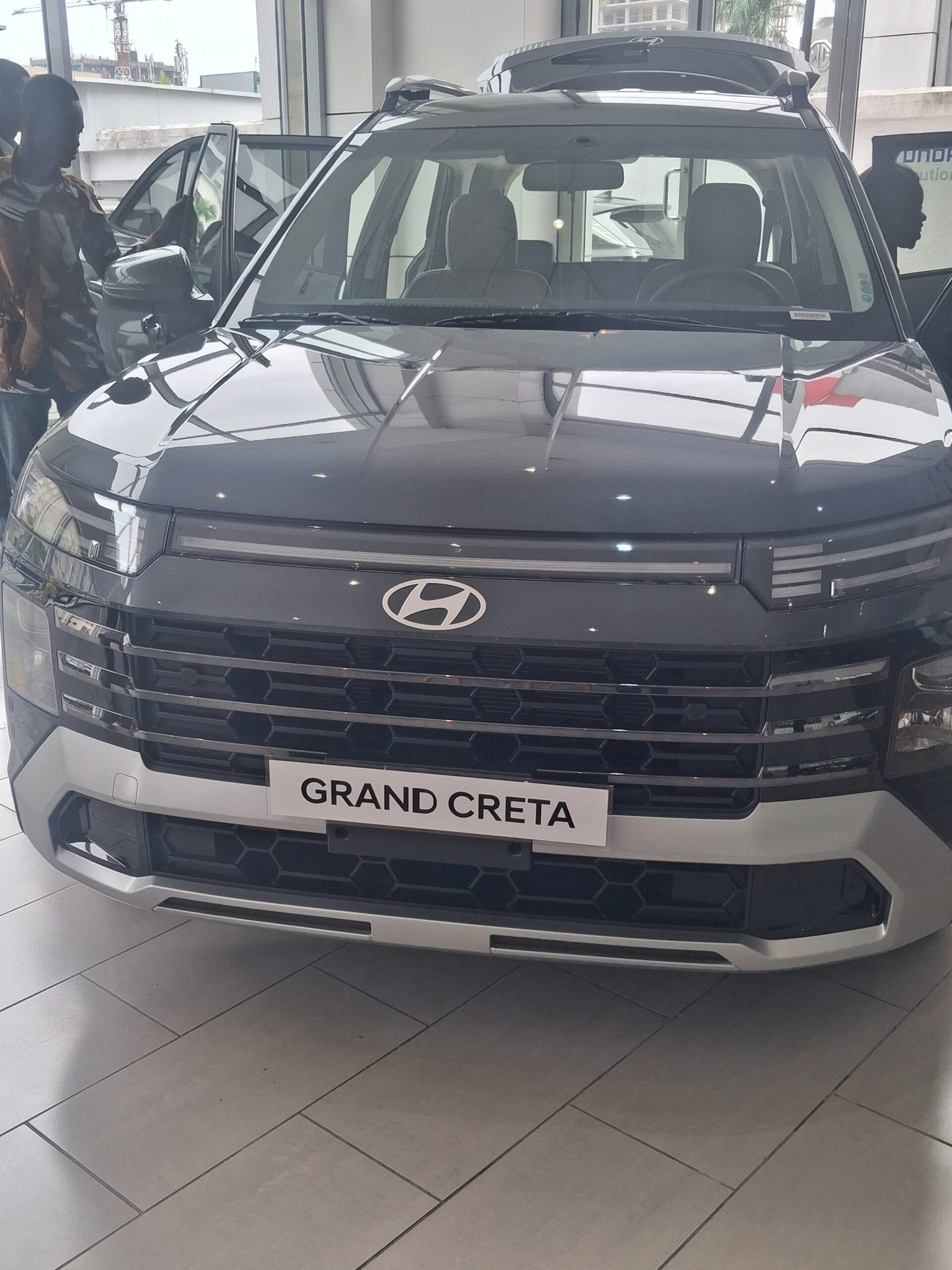
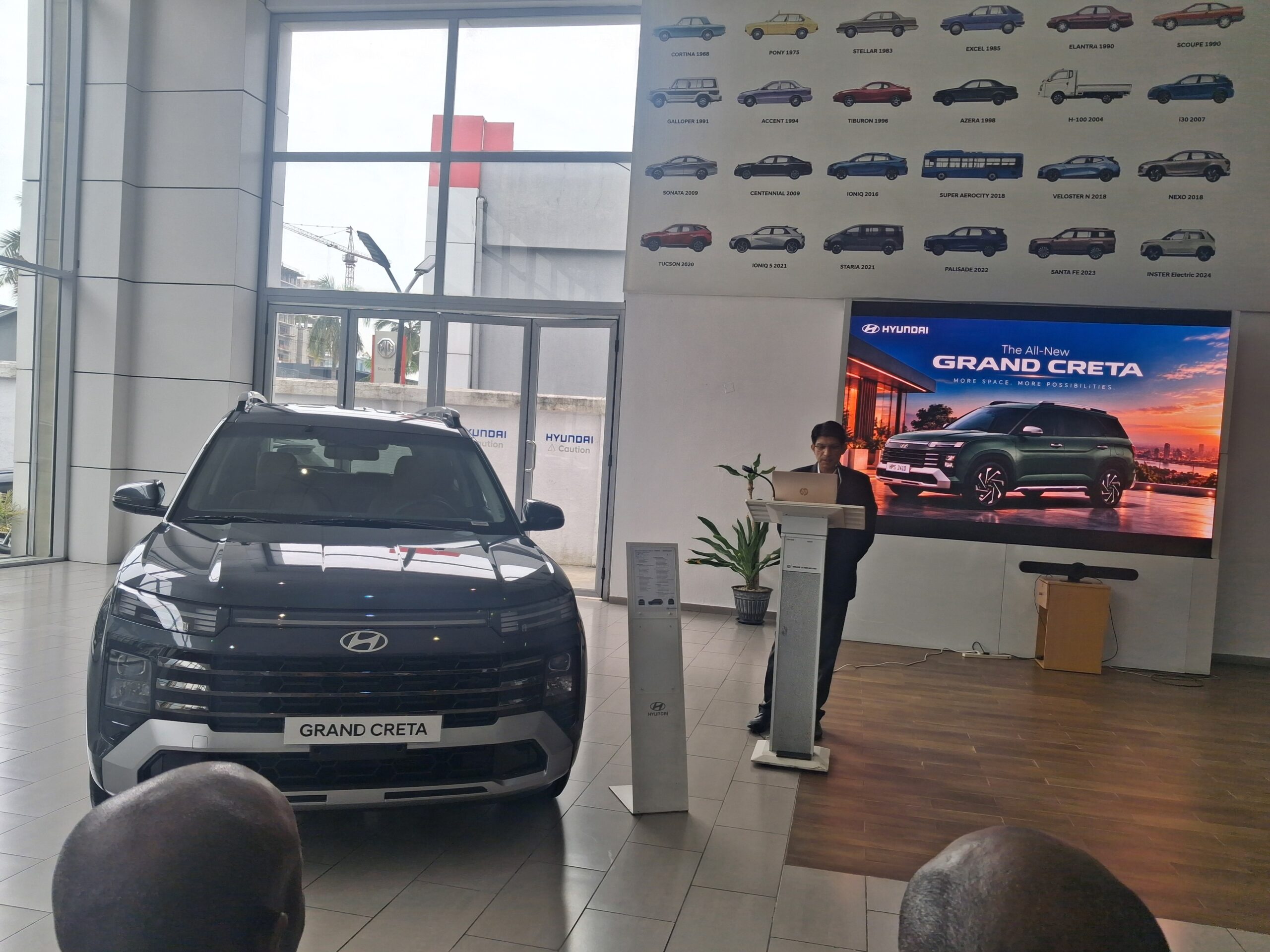
Happening now: Hyundai unveiling of Mufasa and Grand Creta
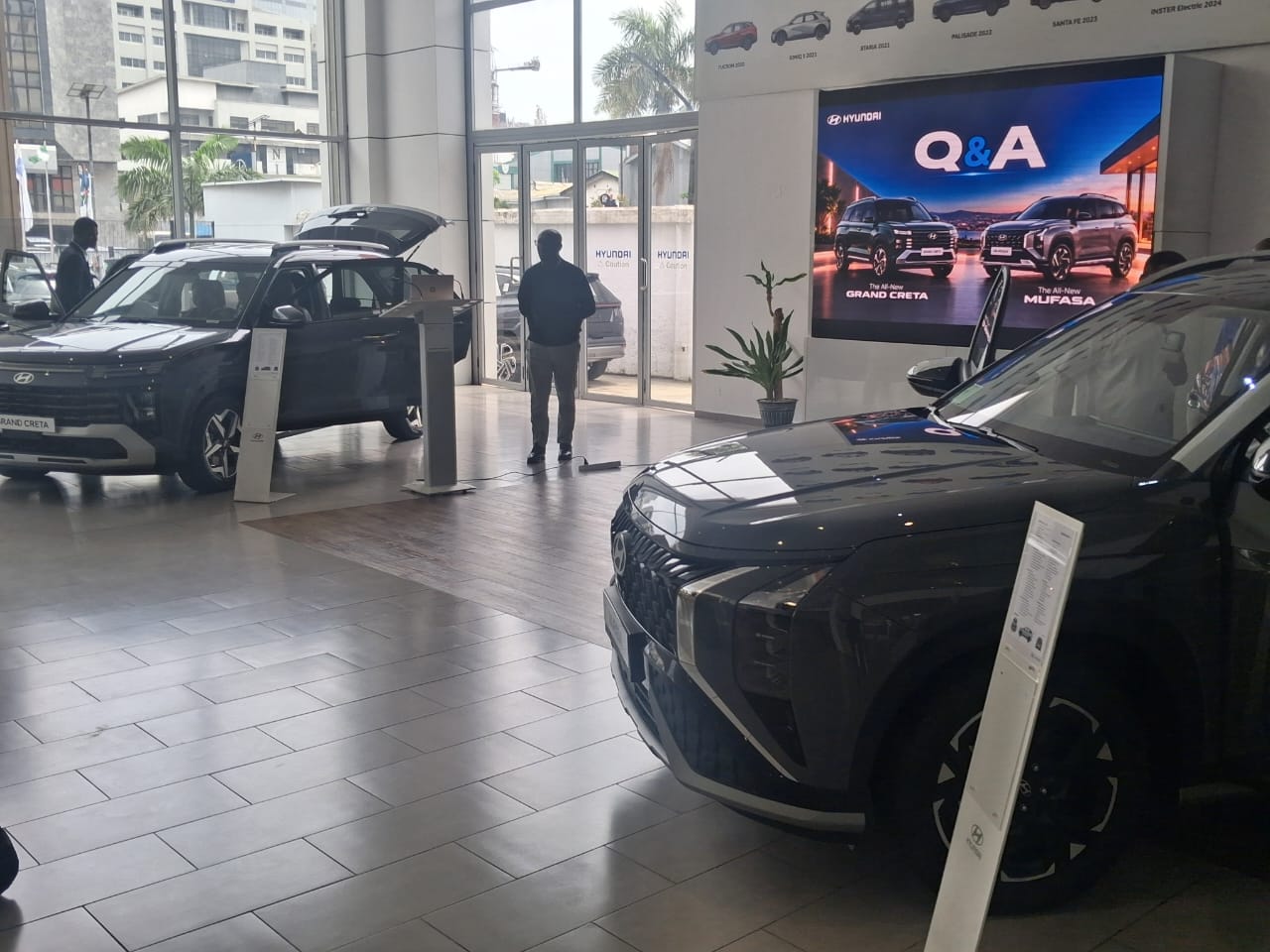
Happening now: Hyundai unveiling of Mufasa and Grand Creta (photos)
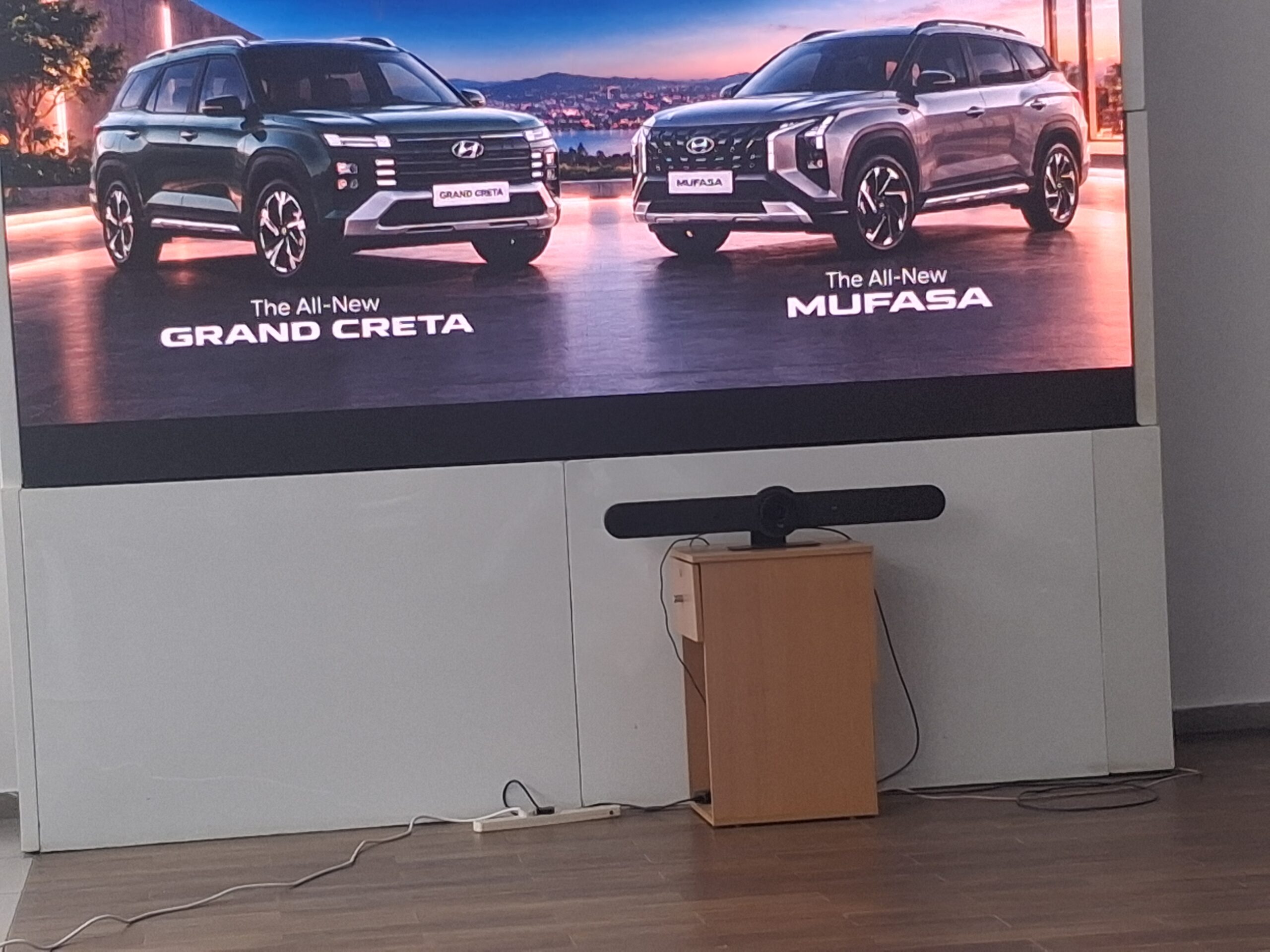
Two latest models of Hyundai auto brands are currently being officially rolled out in Lagos. The new vehicles are Mufasa and Grand Creta.
The unveiling is taking place at the Hyundai showroom on Akin Adesola Street Victoria Island, Lagos.
Auto
No 5% Petrol Tax Plan, Oyedele Says, Amid Public Concerns
No 5% Petrol Tax Plan, Oyedele Says, Amid Public Concerns
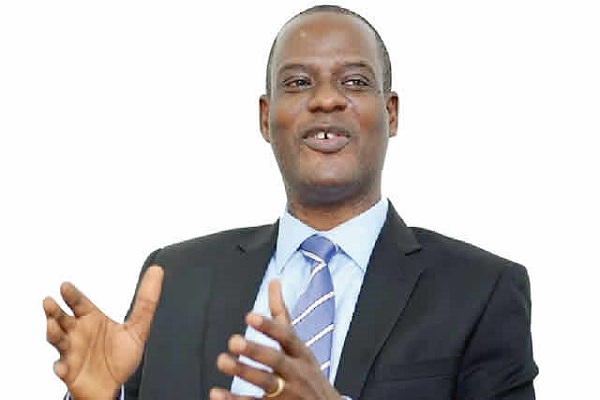
The Federal Government has no plan to introduce a new tax on petrol, Minister of Finance and Coordinating Minister of the Economy, Taiwo Oyedele, has said, dismissing reports that the administration of President Bola Tinubu intends to impose a five per cent levy on petroleum products.
Oyedele clarified the issue in a statement posted on his X account on Tuesday, insisting that a fuel tax was not being considered by the government.
“In my interview with ARISE News, I was clear: a fuel tax is not on the table,” he said.
His statement follows reports linking him to the proposed five per cent tax, which sparked concerns about a possible increase in the cost of petrol amid Nigeria’s persistent cost-of-living crisis.
Petrol prices have remained a major driver of transportation and distribution costs since the removal of the fuel subsidy, contributing to higher prices of food and other essential goods and services.
The prospect of an additional levy had raised fears that households and businesses could face further financial pressure.
However, Oyedele’s clarification indicates that the Federal Government is not currently considering the proposed fuel tax, amid broader efforts to reform Nigeria’s tax system and strengthen public finances.
Auto
Beyond the Showroom: Why After-Sales Service Will Define Auto Industry Winners
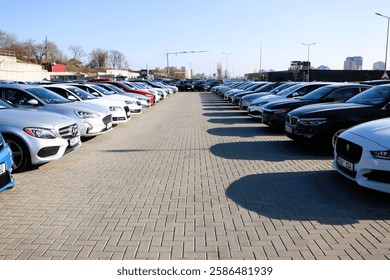
Beyond the Showroom: Why After-Sales Service Will Define Auto Industry Winners
Nigeria’s automotive industry must look beyond vehicle prices, specifications and flashy new models if it hopes to win lasting customer confidence. The real test of competition increasingly lies in what happens after the sale — when a vehicle needs servicing, spare parts, repairs or warranty support.
A car purchase is not a one-off transaction. It marks the beginning of an ownership journey that could last several years, during which the quality of after-sales service can determine whether a customer remains loyal to a brand or regrets the decision to buy it.
When customers struggle to obtain genuine parts, secure timely repairs or get clear answers to warranty claims, their frustration can damage confidence not only in a dealer but also in the manufacturer and the wider automotive market.
After-sales service must therefore move from the background to the centre of automotive competition in Nigeria.
Promises must translate into performance
Effective customer care starts with clear, credible commitments. Buyers deserve to understand warranty coverage, servicing schedules, access to genuine parts, repair procedures and the support available when problems arise.
But promises alone are not enough. A warranty has limited value if customers cannot access a competent service centre. A roadside assistance number means little without an effective response system. And a repair-time guarantee is only as good as the technicians, parts and processes supporting it.
Automotive distributors and dealers must ensure that their marketing promises are matched by the operational capacity to deliver.
Buyers, on their part, should ask questions before committing their money, examine warranty conditions and establish what support they can realistically expect throughout the vehicle’s lifespan.
Competing on ownership experience
Nigeria’s automotive market would benefit enormously if brands competed not only on the vehicles they sell but also on the quality of ownership experience they provide.
Such competition could drive improvements in service delivery, warranty transparency, spare-parts availability, technical training, repair turnaround and customer communication.
Some players are already putting more structured after-sales propositions before buyers. Carloha’s CarlohaCare 6-6-7 programme, for instance, combines a six-year warranty, six years of free servicing and a seven-day repair promise, subject to applicable terms and conditions. Its CarlohaCare Rescue service extends the proposition to assistance beyond the workshop.
These offerings illustrate how clearly defined service commitments can become part of a vehicle’s value proposition, rather than an afterthought.
However, the objective should not be to crown a permanent winner or single out one company as the industry benchmark. Every provider must demonstrate that its commitments are practical, transparent and consistently delivered.
The wider industry should embrace continuous improvement, with customers ultimately judging brands by their real-world experiences.
Automotive journalism must ask tougher questions
Automotive journalism has a critical role in broadening the conversation.
Coverage of the sector often focuses on vehicle launches, new technologies, prices, specifications and expansion plans. These remain important, but consumers also need independent reporting on the realities of vehicle ownership.
Journalists can examine warranty conditions, investigate spare-parts availability, interview service managers and fleet operators, document consumer experiences and assess how effectively companies resolve complaints.
They should celebrate genuine improvements while holding businesses accountable when their public commitments fall short.
The Nigerian Automotive Journalists Association (NAJA) is well positioned to encourage this conversation through informed reporting, industry analysis, interviews and stakeholder engagement.
The goal should be to bring manufacturers, distributors, dealers, fleet operators and consumers around a fundamental question: What level of care should Nigerians reasonably expect after buying a vehicle?
That conversation must remain independent, balanced and evidence-led, rather than becoming a promotional platform for individual brands.
Make after-sales service a buying criterion
The shift towards stronger customer care will gather momentum when Nigerians begin to assess after-sales support as seriously as they consider engine performance, fuel economy, safety features and purchase price.
A private buyer should ask about warranty coverage, servicing costs and the location of authorised workshops. A fleet operator should evaluate parts availability, repair turnaround and vehicle downtime alongside acquisition costs. Families should know what assistance is available when a vehicle breaks down far from home.
Dealers that offer transparent terms and dependable support should earn a competitive advantage. Those that fall short should have a clear incentive to improve.
This is particularly important in a market where vehicle ownership involves significant financial commitment and prolonged exposure to maintenance costs. A seemingly attractive purchase can become expensive if parts are difficult to source or repairs take too long.
The industry must therefore recognise that customer care is not merely a cost centre. Properly managed, it can build loyalty, strengthen brand reputation, generate repeat business and encourage referrals.
The real test begins after payment
Nigeria does not need an automotive market in which businesses compete only to sell more vehicles. It needs one in which they also compete to keep customers satisfied long after the keys have been handed over.
The true measure of a brand is not simply how attractively it markets a vehicle or how efficiently it closes a sale. It is how responsibly it responds when the customer needs help most.
As competition intensifies, the companies that combine good products with reliable service, accessible parts and transparent customer support will have a stronger foundation for lasting success.
For buyers, the message is equally clear: look beyond the showroom, ask the difficult questions and compare the support behind the badge.
Buy the car. Demand the care.
-

 metro1 day ago
Army Major, Soldiers Killed in ISWAP Ambush in Yobe State
-

 Politics3 days ago
Buhari Feared Tinubu Presidency, Resisted Pressure to Back Him – Baba-Ahmed Claims
-
 News3 days ago
FG Challenges World Bank’s 124% Debt-to-Revenue Warning, Cites Rising Income
-

 metro3 days ago
NAFDAC Probes Corps Member’s Death at Enugu Camp as Fake Drug Claims Emerge
-
 metro1 day ago
Breaking: Afenifere Leader Pa Fasoranti Dies at 100
-
 metro3 days ago
Ogun House Fire Horror: Husband Arrested After Wife Dies Following Domestic Dispute
-

 Entertainment3 days ago
Nollywood Mourns as Actress, Beauty Queen Tenia Abraham Dies at 32
-
 News3 days ago
NLC, Falana Mobilise Nigerians Against Petrol Price Hike, Mount Pressure on Tinubu Govt