

Business
Dukia to trade gold bullion bars on Lagos Commodities Exchange

Dukia Gold & Precious Metals Refining Company Limited is set to commence the trading of fully refined London Bullion Market Association (LBMA) investment grade gold bullion bars, its derivatives and related products on the floor of the Lagos Commodities & Futures Exchange (LCFE).
This was disclosed at a virtual seminar just organised by the licensed precious metals mining & refining company and bullion merchant in conjunction with LCFE and the Ministry of Mines and Steel Development.
The virtual seminar was attended by member firms of the Pension Operators Association of Nigeria, licensed commodities exchange operators, commodities broking & trading firms and assets manager.
Minister of Mines and Steel Development, Olamilekan Adegbite, delivered the keynote address, while Dr Oyindasola Oni, the Chairman of the National Pension Commission, gave the goodwill message.
Managing Director of Dukia Gold & Precious Metals Refining Company Limited, Ms. Bose Owolabi, in her welcome address, stated that the seminar was one of the many initiatives along with other partners conducted ahead of the introduction of the Dukia Gold Exchange Traded Certificate.
Managing Director of the Lagos Commodities & Futures Exchange (LCFE), Mr Akin Akeredolu-Ale, said the build-up to the virtual seminar on investing in gold started as far back as 2019.
He stressed that both the LCFE and Dukia Gold had long focused on how Nigerians could invest and trade in responsibly sourced Gold on a structured and regulated platform such as the LCFE.
He further expressed optimism that the Nigerian economy was taking off on a good note particularly with the development of a commodity trading ecosystem particularly for the solid minerals sector, a move which he affirmed would further diversify the nation’s economy.
The minister, who was the chairman of the event, remarked that gold investment remained unique, time-tested wealth preservation instrument, thus creating a vehicle for Nigerians to build and preserve wealth over the long term.
He noted that Good Delivery Gold bars and their derivatives are unlike jewellery, ornaments or Raw Gold, are Investment grade Precious Metals (IPM), which are essentially financial assets that are actively traded, similar to financial instruments such as stocks and bonds.
Adegbite said it is such IPM product that a proudly Nigerian Gold and Precious Metal Refinery, the Dukia Gold and Precious Metals Refining Company Limited, one of the organisers of the webinar was introducing in Nigeria through the Lagos Commodities and Futures Exchange.
He urged participants and the public, who are discerning and desirous of owning gold assets, to proudly consider and invest in the investment grade products of Dukia Gold in order to add value to Nigeria’s precious metal value chain.
Chairman of the National Pension Commission (PENCOM), Dr Oyindasola Oni, highlighted the wish of the industry to have more investment grade financial instruments which would offer more diversifications of available financial assets, necessary to improve the portfolio results of pension funds and asset managers.
He noted that the demand for safe-haven assets by investors, following record-high global uncertainty on performance of the stocks and bonds market, was well documented.
He went on to point out the requirements of investment grade assets as stipulated within Sections 3, 4, and 5 of the regulations on the Investment of Pension Fund Assets.
These sections, he said, specified the authorized markets, allowable instruments and minimum quality requirements for investment instruments/securities to qualify for pension fund investments.
He said, “Investment of pension assets in gold instruments, therefore, depends on compliance with these requirements; needless to reiterate that the safety of pension assets remains a fundamental objective of pension fund investments.”
According to him, pension fund operators play a critical role as institutional investors in developing the financial market.
He particularly charged the PFAs to give serious considerations to investing part of the almost N14 trillion in their coffers in investment grade gold bullion bars, an investment option which Dukia Gold is promoting through its DGETC.
Oni made this charge against the backdrop that the rapid growth of the pension assets had not seen corresponding increases in investment outlets within our domestic market, adding that the government had been the largest beneficiary of pension funds investment with more than 61 per cent of the accumulated assets devoted to it.
Two key lecture presentations to enlighten participants on the benefits and implications of investing their assets in investment grade gold were made by Mrs Morohunke Bammeke, a former managing director of PAL Pensions and Mr David Adeyinka, an investment analyst, based in the United Kingdom.
The two speakers spoke on the benefits which investments in good delivery gold bars meant for investors in terms of wealth preservation, reliability and assurance of non-depreciation of the value of assets held in LBMA-grade gold bars even during turbulent economic times.
Both speakers supported the view that gold was traditionally used by investors to hedge against inflation, currency risks and systemic risks that might affect entire financial markets such as the Covid-19 pandemic and the 2007/2008 financial crisis when gold returned over 31 per cent price appreciation.
This, they stressed, was because dold investments had traditionally exhibited negative correlation with stock markets and tend to do better in times of financial crisis.
The presentation of the DGETC was made by Mr Seun Osomo of Vetiva Securities, who referred to this unique exchange-traded gold-backed product as a game changer.

Railway
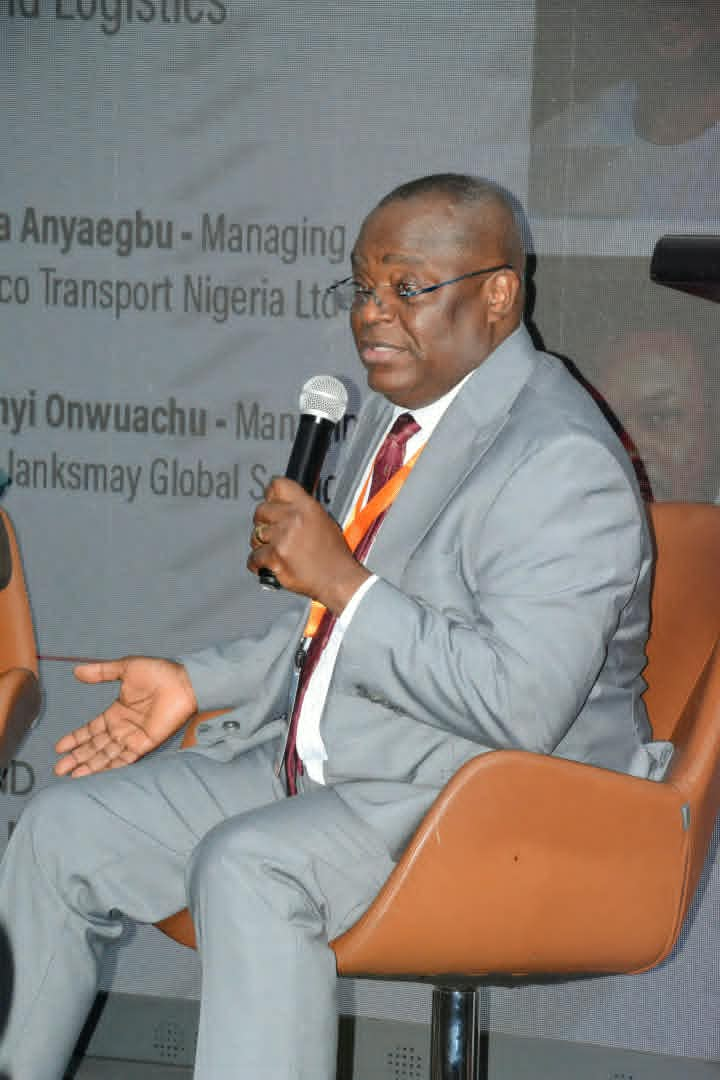
Nigeria Loses ₦3.6tn to Logistics Inefficiencies as NRC Pushes Integrated Transport System
Nigeria Loses ₦3.6tn to Logistics Inefficiencies as NRC Pushes Integrated Transport System
The Nigerian Railway Corporation has unveiled an ambitious plan to expand Nigeria’s railway network from approximately 4,000 kilometres to 10,000 kilometres within five years.
This is coming as it pushes for an integrated transportation and logistics system to reduce business costs, boost trade and strengthen the nation’s economic competitiveness.
The NRC also has a long-term target of extending the rail network to about 20,000 kilometres, with plans to optimise existing railway assets, revive dormant corridors, expand freight operations and attract private investment into passenger and cargo services.
Managing Director of the corporation, Dr Kayode Opeifa, disclosed these plans at the BusinessDay Mobility and Logistics Conference in Lagos, where he identified an efficient, interconnected transport system as a critical driver of economic resilience and productivity.
Speaking on the theme, “Scaling the Future: Building a Resilient and Efficient Mobility and Logistics Ecosystem in Nigeria,” Opeifa warned that inefficiencies across the country’s transportation network were contributing to congestion, rising logistics costs, delayed deliveries, reduced productivity and higher prices of goods and services.
He argued that integrating rail, road, maritime and air transportation would help address these challenges by improving connectivity between production centres, markets, seaports and distribution hubs.
According to him, rail transportation occupies a strategic position in developing an efficient national transport network because of its capacity to move large volumes of passengers and freight over long distances while reducing pressure on highways.
“Rail should not be viewed as a competitor to road, maritime or air transportation, but each should continue to develop as complementary components of an effective integrated transport system,” he said.
Opeifa explained that while road transport remained essential for cargo collection and last-mile delivery, maritime transport facilitated international trade, and inland terminals supported cargo handling and distribution, rail provided the high-capacity link connecting these facilities with industrial and commercial centres.
He said seamless coordination among the different modes would reduce avoidable logistics costs, promote regional commerce, improve access to markets and enhance the competitiveness of Nigerian products.
PRIVATE SECTOR PARTICIPATION
Outlining the NRC’s priorities since assuming office, the managing director highlighted the corporation’s track access policy, which provides opportunities for private investors to operate passenger and freight services along designated railway corridors.
He said the policy was part of efforts to improve the utilisation of existing infrastructure, expand railway services and mobilise investment to accelerate the development of the sector.
Under its Vision 2:5:10:20, the corporation is focusing on optimising existing railway assets, restoring viable dormant corridors, expanding freight operations, strengthening private-sector partnerships and progressively extending the national network.
Opeifa said immediate priorities included improving the utilisation of Nigeria’s two legacy narrow-gauge lines and three standard-gauge lines, restoring operational capacity, expanding freight services and strengthening connections between railway infrastructure, ports and inland terminals.
He maintained that maximising the value of existing assets would be essential to achieving the corporation’s expansion targets and building a more commercially viable railway system.
NEW RAILWAY PROJECTS
The NRC chief also highlighted ongoing and planned railway infrastructure projects under President Bola Ahmed Tinubu’s administration, including efforts to extend the standard-gauge railway to Apapa Port and establish a connection to Tin Can Island Port in Lagos.
The proposed connections are expected to strengthen the relationship between rail and maritime transportation, improve cargo evacuation and reduce the pressure on roads leading to the ports.
Opeifa further said the Kano–Maradi railway line was expected to be completed in 2027, while plans were ongoing for a central railway corridor linking the Warri–Itakpe line to Abuja.
He added that the government planned to commence construction of the Marina–Lekki railway line, alongside efforts to support the Kaduna–Kano inter-state train service and the Kano State Government’s proposed intra-state rail services.
The projects, he said, formed part of broader efforts to expand rail connectivity, improve passenger mobility and facilitate the movement of goods across the country.
₦3.6TRN LOGISTICS LOSSES
Also speaking at the conference, the Director-General of the Africa Centre for Supply Chain, Dr Obiora Madu, estimated that Nigeria loses more than ₦3.6 trillion to inefficiencies and distortions in the transportation and logistics sector.
He warned that small-scale businesses would continue to struggle to operate efficiently unless the country addressed the disconnect among its transport and logistics networks.
“If we don’t get the logistics right, the small-scale businesses would not be optimised. We do not need digital islands, we do not need superlative infrastructure, what we need is connected systems,” Madu said.
He argued that building a resilient logistics ecosystem required more than expanding individual infrastructure projects, stressing the importance of coordination, connectivity and the ability of the entire system to withstand disruptions.
Similarly, the Managing Director of JanksMay Global Services Ltd., Ifeanyi Onwuachu, said infrastructure deficits continued to undermine the operations of small-scale players in the logistics industry.
He called attention to the need for better infrastructure and more efficient transport connections to support businesses and improve operational performance.
Earlier, the Deputy Editor-in-Chief of BusinessDay, Dr Innocent Nna, described the conference as a platform for examining persistent gaps in Nigeria’s logistics sector and identifying practical solutions.
He urged stakeholders to engage in frank discussions on the challenges confronting the industry and develop strategies to improve efficiency across the sector.
The conference brought together industry stakeholders to explore ways of building an integrated, efficient and resilient mobility and logistics ecosystem capable of supporting economic growth and improving the competitiveness of Nigerian businesses.
Auto
AutoFast By CFAO Assures Former Moove Drivers of Continued After-Sales Support, Free Diagnostics
AutoFast By CFAO Assures Former Moove Drivers of Continued After-Sales Support, Free Diagnostics
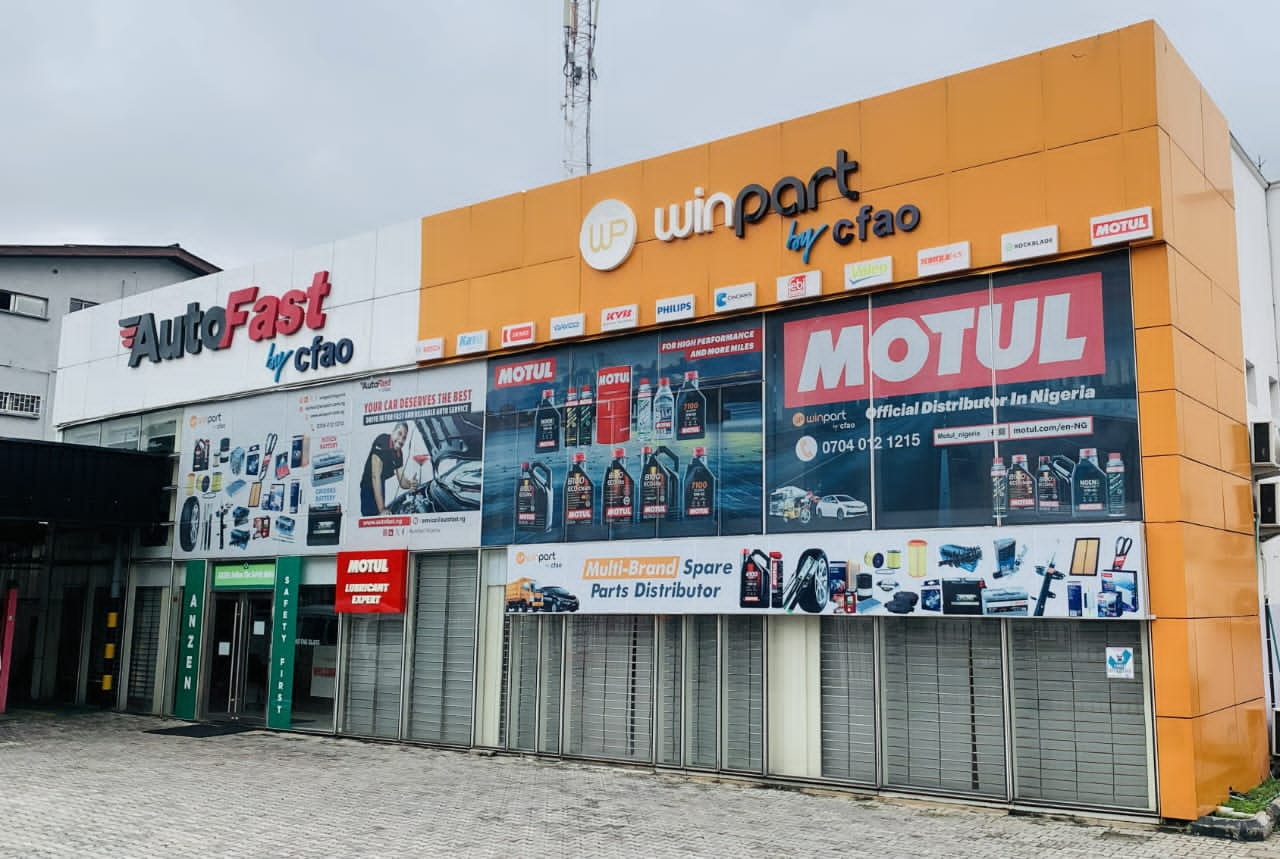
As the exit of mobility platform Moove from Nigeria raises concerns over vehicle maintenance and repair costs among affected drivers, AutoFast by CFAO has moved to reassure them of continued access to professional servicing, quality lubricants and affordable spare parts.
The company said its commitment to supporting former Moove drivers remained unchanged, despite the platform’s withdrawal from the Nigerian market, stressing that it would continue helping them keep their vehicles roadworthy, minimise downtime and protect their livelihoods.
AutoFast by CFAO, which has serviced and maintained the vehicles for more than four years, said it understood the concerns drivers might face regarding maintenance, repairs and the availability of essential spare parts following Moove’s exit.
To address these challenges, the company is introducing dedicated service support for former Moove drivers, including free vehicle diagnostics, access to quality Motul lubricants and a loyalty programme offering exclusive discounts to returning customers on their third service.
The initiative, according to the company, is designed to make vehicle maintenance more accessible, convenient and affordable, while enabling drivers to get their vehicles back on the road without unnecessary delays associated with service approvals.
Speaking on the initiative, General Manager of Winpart by CFAO and AutoFast by CFAO, Mr. Eric Fantodji, said the company recognised the critical role the vehicles played in the daily operations and income generation of the drivers.
“Our relationship with these drivers spans more than four years, and we understand how important their vehicles are to their livelihoods. Our priority is to ensure they continue to have access to dependable after-sales support, professional servicing and affordable maintenance solutions,” Fantodji said.
He also underscored the importance of using the appropriate engine lubricants, particularly for vehicles equipped with small-capacity engines that require specific lubricant standards.
“From the beginning of our partnership, we have used Motul lubricants to service these vehicles. Maintaining consistency with the manufacturer-recommended lubricant specification is particularly important for the sensitive 0.8-litre or one-litre engines. Switching to unsuitable or lower-quality lubricants can have serious consequences for engine performance and potentially increase repair costs,” he said.
 According to him, using the correct lubricant helps protect engine components, maintain performance and reduce the risk of avoidable mechanical problems.
READ ALSO:
- US Extradites Nigerian Over Alleged $100m Tax Refund Fraud
- Panic as Gunmen Storm Kaduna Estate at Midnight, Abduct Residents
-
NSCDC Evidence Scandal: Tunji-Ojo Says Officers Tampered With Evidence in Miners’ Deaths
He therefore urged drivers to adhere to the recommended lubricant specifications when servicing their vehicles, warning that cutting corners on essential maintenance could lead to more expensive repairs in the long run.
Beyond routine servicing, Fantodji said AutoFast by CFAO was also making essential maintenance components, including oil filters, air filters, brake pads and other spare parts, available at affordable prices.
“We want drivers to know that they can continue to count on AutoFast by CFAO for quality products, professional service and support that recognises their needs,” he added.
The company said former Moove drivers could access the support services at its Sanusi Fafunwa and Amuwo Odofin service stations, where offerings include free diagnostics, priority servicing, quality spare parts, lubricants and a customer loyalty programme.
AutoFast by CFAO provides multi-brand vehicle maintenance, servicing and repair solutions for individual motorists and businesses. Its services are complemented by access to spare parts and lubricants supplied through Winpart by CFAO.
The latest initiative underscores the importance of reliable after-sales support in Nigeria’s automotive and mobility sectors, particularly for drivers whose vehicles are essential income-generating assets.
For former Moove drivers, continued access to professional maintenance, appropriate lubricants and affordable spare parts could prove critical to keeping their vehicles operational, controlling repair expenses and sustaining their daily earnings following the platform’s exit from the country.
AutoFast By CFAO Assures Former Moove Drivers of Continued After-Sales Support, Free Diagnostics
Business
Why Nigerians’ Data Finishes So Fast: MTN Reveals the Hidden Data Drains
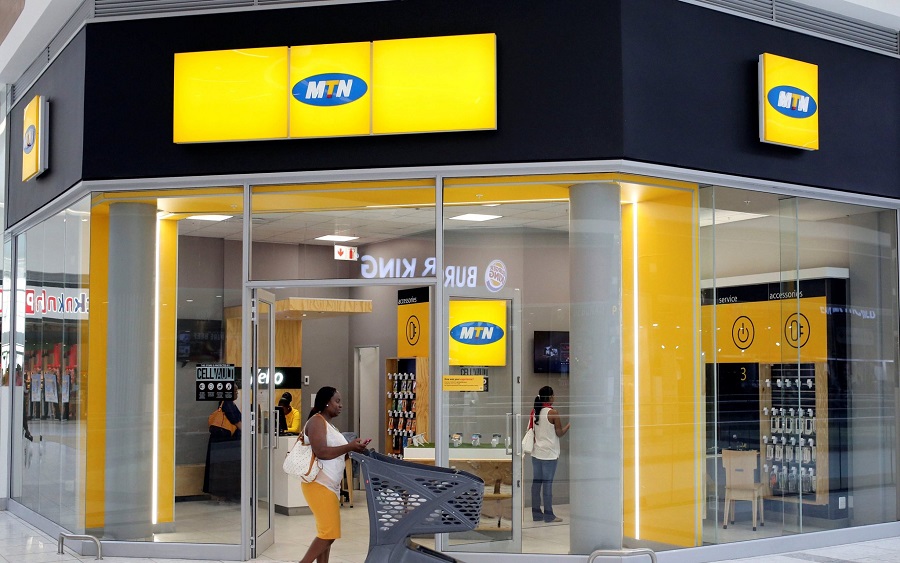
MTN Nigeria has explained why many subscribers complain that their mobile data bundles run out quickly, pointing to video streaming, background applications, automatic downloads and cloud backups as some of the major causes of high data consumption.
The explanation was offered during a forum tagged Data on Trial in Abuja on Monday, October 26, 2026, where telecommunications industry representatives and technology experts discussed consumer complaints about data depletion, billing transparency and how mobile data usage is measured.
Mike Ndukwe, MTN Nigeria’s General Manager of Network Performance, said subscribers could consume significant amounts of data without realising it because many smartphone applications continue to refresh content, download files or stream videos in the background.
He identified platforms such as TikTok, YouTube and Instagram as potential data drains, particularly when videos play automatically or stream in high definition. WhatsApp can also consume substantial data when media files download automatically or when chats and photos are backed up over mobile networks.
According to Ndukwe, a 15-second TikTok video could consume between two and 20 megabytes, depending on its quality. Repeatedly scrolling through short videos can therefore use up a data bundle faster than subscribers expect, especially when applications preload content before users choose to watch it.
READ ALSO:
- 21 Dead, 40 Injured as Drone Hits Market in Sudan’s Darfur Region
- Ansaru Claims Killing of Katsina Cleric Masussuka as Police Launch Manhunt
- MURIC Accuses Police Contractor of Refusing to Rebuild Mosque at Lagos Barracks, Demands Equal Treatment
Other common causes of rapid data depletion include automatic software updates, cloud services such as Google Photos and iCloud uploading pictures and videos, and applications refreshing content even when they are not actively being used.
Hotspot sharing can also accelerate data consumption. When subscribers share their phone’s internet connection with laptops or other devices, downloads, streaming and software updates on those devices may consume the available bundle without the phone owner immediately noticing.
David Ogunsola, MTN Nigeria’s General Manager of IT Operations, said differences could occur between the data usage displayed on smartphones and the volume recorded by the network. He attributed such variations to differences in measurement methods, background traffic and the timing of data sessions. He said discrepancies could range from about two per cent to 12 per cent in some circumstances.
MTN Nigeria Chief Executive Officer Karl Toriola also highlighted the high cost of operating telecommunications infrastructure, including expenses associated with powering and maintaining network sites.
The company said it was intensifying consumer education to help subscribers understand how their devices consume data. However, the explanation comes amid persistent complaints from Nigerians who say their bundles disappear faster than expected and want greater transparency in data billing.
Subscribers can take practical steps to reduce consumption. On Android phones and iPhones, users can check which applications consume the most data and restrict background activity for apps that are not essential. Reducing video streaming quality, disabling automatic media downloads and setting cloud backups and app updates to Wi-Fi only can also help.
Users should also turn off mobile hotspots when they are not needed and review their data usage regularly rather than waiting until a bundle is almost exhausted.
MTN subscribers can monitor their available bundles through the MyMTN NG app or by dialling 3234#. Customers who suspect unusual deductions should check their usage records and contact the network’s customer service for clarification.
The Nigerian Communications Commission (NCC) has also advised consumers to contact their service providers when they have concerns about data consumption or billing. Unresolved complaints can be escalated to the regulator.
While MTN maintains that ordinary smartphone activities account for much of the rapid data depletion, subscribers’ concerns about accurate billing remain important. Comparing phone-level usage with network records can help determine whether consumption reflects actual device activity or whether a complaint requires further investigation.
Why Nigerians’ Data Finishes So Fast: MTN Reveals the Hidden Data Drains
-

 metro3 days ago
Cancelled Wedding: Man Sues Ex-Fiancée’s Father Over Unpaid ₦70,000 Dowry
-

 metro2 days ago
Nigerian Navy Recruitment 2026: October 31 Deadline, Full Requirements and How to Apply
-

 Auto3 days ago
Car of the Year, other top honours up for grabs as NAJA Awards race begins
-

 Sports3 days ago
KANE ENDS 25-YEAR WAIT! England Captain Wins 2026 Ballon d’Or After Stunning 73-Goal Season
-

 metro3 days ago
Man, Teenage Girl Found Dead in Toyota Corolla as Police Begin Investigation
-

 Sports2 days ago
Outrage as Police Respond to Dispute Involving 3-Year-Old Soccer Prodigy Accused of Outshining Older Players
-
 metro2 days ago
₦110.4bn Fraud Trial: EFCC Witness Traces Company Inflows To Kogi LG Accounts
-

 Auto2 days ago
On the Highway Marks 30 Years, Sets Agenda for Safer Roads, Sustainable Mobility