
metro
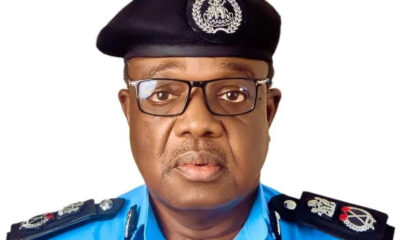
IGP meets strategic police managers, orders crime mapping
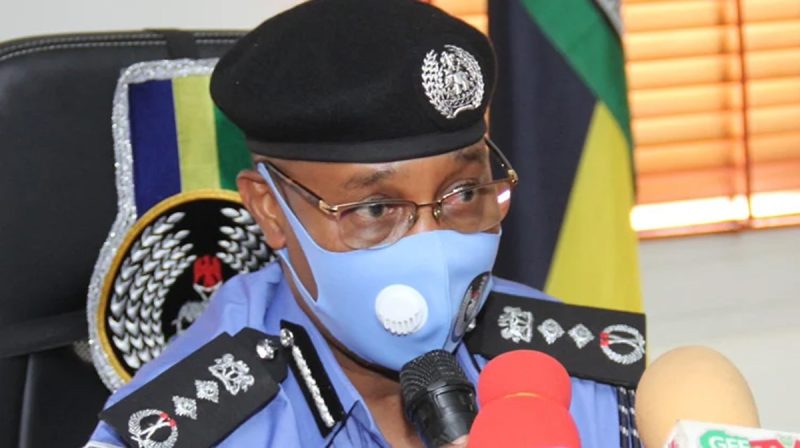
The Inspector-General of Police, Usman Alkali Baba, met with Strategic Police Managers – Assistant Inspectors-General of Police, Commissioners of Police, and the Force Management Team – on Wednesday, August 3, 2022, at the Goodluck Jonathan Peacekeeping Hall, Force Headquarters, Abuja, to x-ray the general security of the nation.
A statement by Force spokesperson, Olumuyiwa Adejobi said the move is also to make positive and proactive projections on management and effective decimation of security threats in the land, while equally preparing in earnest for a credible and secured general elections in 2023.
He said the IGP expressed concern over the proliferation of arms in sub-Saharan Africa which has consequently led to an increase in security threats within the nation, notably the attack on the Kuje Correctional Facility in Abuja. He however acknowledged the compliance level of strategic managers on identifying vulnerabilities at custodial facilities in their respective areas, and complementing the Correctional Service in upscaling security in and around such facilities to forestall further security breaches.
The IGP equally directed all strategic police managers to commence an immediate special visibility policing operation across all Commands taking into cognizance crime mapping, and massive deployment of operational and intelligence assets and manpower.
READ ALSO:
- Gunmen kill abducted LAUTECH student, hotelier after N5m ransom
- Arise TV anchor apologises for driving in BRT lane
- Seven Killed As IPOB Members Open Fire On Imo Residents
Commenting on the recently concluded Ekiti and Osun states gubernatorial elections, the IGP commended the police managers for the exceptional level of professionalism displayed during the elections. He charged them to draw on the success towards enhancing election security management operations during the 2023 general elections.
The IGP while emphasizing the importance of training and re-training in the achievement of any organizational goal, noted that plans have been concluded for the commencement of the Election Security Management Workshop organized by the Force in conjunction with Solar Security and Consult Company Ltd., scheduled to commence on Thursday 4th August, 2022 with an opening ceremony/flag off at the International Conference Centre, Abuja. The workshop, which is a “train-the-trainers” programme designed to broaden the knowledge and operational competence of strategic officers, will hold across the six geo-political zones of the country within the month of August. Attendees will include about 400 police officers, and personnel from the Military, Department of State Services, and other security agencies who complement the police in election security management.
The Inspector-General of Police, in concluding his remarks at the Conference, emphasized the importance of the protection of fundamental human rights as enshrined in the Constitution. He charged all officers to discharge their duties professionally in line with the dictates of the law, as anyone found wanting, or who tramples on citizens’ rights which they have vowed to protect, will be identified, isolated, and dealt with promptly, firmly, and transparently.






metro
Nigerian Nurse Hit With Stone During Belfast Anti-Immigrant Riots

Nigerian Nurse Hit With Stone During Belfast Anti-Immigrant Riots
A Nigerian healthcare worker has become one of the latest victims of rising anti-immigrant violence in Belfast, Northern Ireland, after she was reportedly struck on the head with a stone while returning home from work in her nursing uniform.
The victim, Chinonso Uche, a Nigerian nurse who has lived and worked in Belfast for the past five years, said the incident has left her traumatised and considering leaving the country she once regarded as a safe place to live and work.
The attack comes amid a wave of unrest that has swept through Belfast and other parts of Northern Ireland following a high-profile stabbing incident that sparked anti-immigration protests and violent riots.
Chinonso Uche recounted how she was attacked while walking home after completing her shift at a nursing facility. According to her, she was still dressed in her nursing uniform when a stone was thrown at her head during a period of heightened tension in the city.
The Nigerian nurse said the incident was not only physically frightening but also emotionally devastating, particularly because she has dedicated years of her life to caring for vulnerable people within Northern Ireland’s healthcare system.
“There is no safety for us — that is the truth,” she said.
Uche revealed that she moved to Belfast during the COVID-19 pandemic and has spent the last five years working in the health sector alongside her sister, who is also a nurse in Northern Ireland.
The unrest reportedly began after a violent attack on June 8, 2026, when a Sudanese national, identified as Hadi Alodid, allegedly stabbed 40-year-old Stephen Ogilvie multiple times on a Belfast street. The victim sustained severe injuries to his face, neck and back and reportedly lost his left eye as a result of the attack.
The suspect was subsequently arrested and charged with attempted murder, as well as other related offences. However, what began as public outrage over the stabbing quickly escalated into widespread anti-immigrant demonstrations, with several protests degenerating into violent riots across Belfast and surrounding communities.
READ ALSO:
- General Rabe’s Death: Tinubu Vows No Negotiation With Terrorists
- Two Students Arrested Over Killing of Biochemistry Undergraduate at PAAU
- Tension Rises as Fulani Herders Reportedly Leave Southern Communities
Eyewitness reports indicated that rioters set vehicles ablaze, vandalised properties and attacked homes believed to be occupied by immigrants and ethnic minority families. Several residents were forced to flee their homes as fires spread through affected neighbourhoods.
Police officers also came under attack while attempting to restore order. Authorities have since launched investigations into multiple incidents linked to hate crimes and racially motivated violence.
Political leaders across the United Kingdom have condemned the attacks, describing them as unacceptable acts of racism and criminality. British Prime Minister Keir Starmer and senior Northern Ireland officials have urged calm while promising that perpetrators will be brought to justice.
Beyond the physical attack, Uche said she was shocked by the hostile reaction she received after sharing her experience online. According to her, many social media users responded with anti-immigrant comments and demands that foreign nationals leave the country.
“It was ‘Ireland is tired of immigrants, you should go back home,’” she said.
“Nobody cares what you do, even though they know I’m a nurse.”
The nurse said the comments reflected a worrying level of hostility toward migrants, many of whom play critical roles in healthcare, education and other essential sectors.
Responding to those calling for immigrants to leave Northern Ireland, Uche challenged critics to consider the consequences for public services.
“Ask yourselves who will look after your elderly parents,” she said.
Her comments have resonated with many healthcare professionals who argue that foreign workers have become indispensable to Northern Ireland’s health and social care system. Healthcare leaders have repeatedly warned that the region faces serious staffing shortages and relies heavily on international recruitment to fill critical positions.
READ ALSO:
- Recruitment: CDCFIB Releases Successful Immigration, NSCDC, Fire Service Applicants
- Boko Haram Torches Schools in Borno, Residents Escape Into Bush
- Abdulsalami Breaks Silence on Abiola’s Death, Says Autopsy Ruled Out Poisoning
A significant percentage of nurses, doctors and care workers currently employed in the health sector were recruited from overseas, including countries such as Nigeria, India, the Philippines and Zimbabwe.
The attack on Uche has reignited discussions about the safety of migrant workers across the United Kingdom. Healthcare unions and advocacy groups have condemned the violence and called for stronger protections for frontline workers who contribute significantly to public services.
Many observers fear that continued attacks could discourage skilled professionals from choosing Northern Ireland as a destination for employment, potentially worsening existing workforce shortages.
Community organisations have also urged authorities to address rising racial tensions and ensure that immigrants can live and work without fear of intimidation or violence.
In response to the unrest, thousands of people have participated in anti-racism demonstrations across Belfast and other cities. Protesters carried banners promoting unity, diversity and inclusion while expressing solidarity with migrant communities affected by the violence.
Community leaders have emphasised that the actions of a single suspect should not be used to justify attacks against innocent individuals or entire communities. The family of the stabbing victim has also reportedly appealed for calm, urging members of the public not to retaliate against immigrants or ethnic minorities.
As investigations continue, many foreign nationals living in Northern Ireland say they remain anxious about their safety. For Chinonso Uche, the attack has raised difficult questions about her future in a place where she has spent years caring for others.
Her story has become a powerful symbol of the challenges facing migrant workers amid growing concerns over racism, immigration and community relations in Northern Ireland.
Nigerian Nurse Hit With Stone During Belfast Anti-Immigrant Riots
metro
General Rabe’s Death: Tinubu Vows No Negotiation With Terrorists
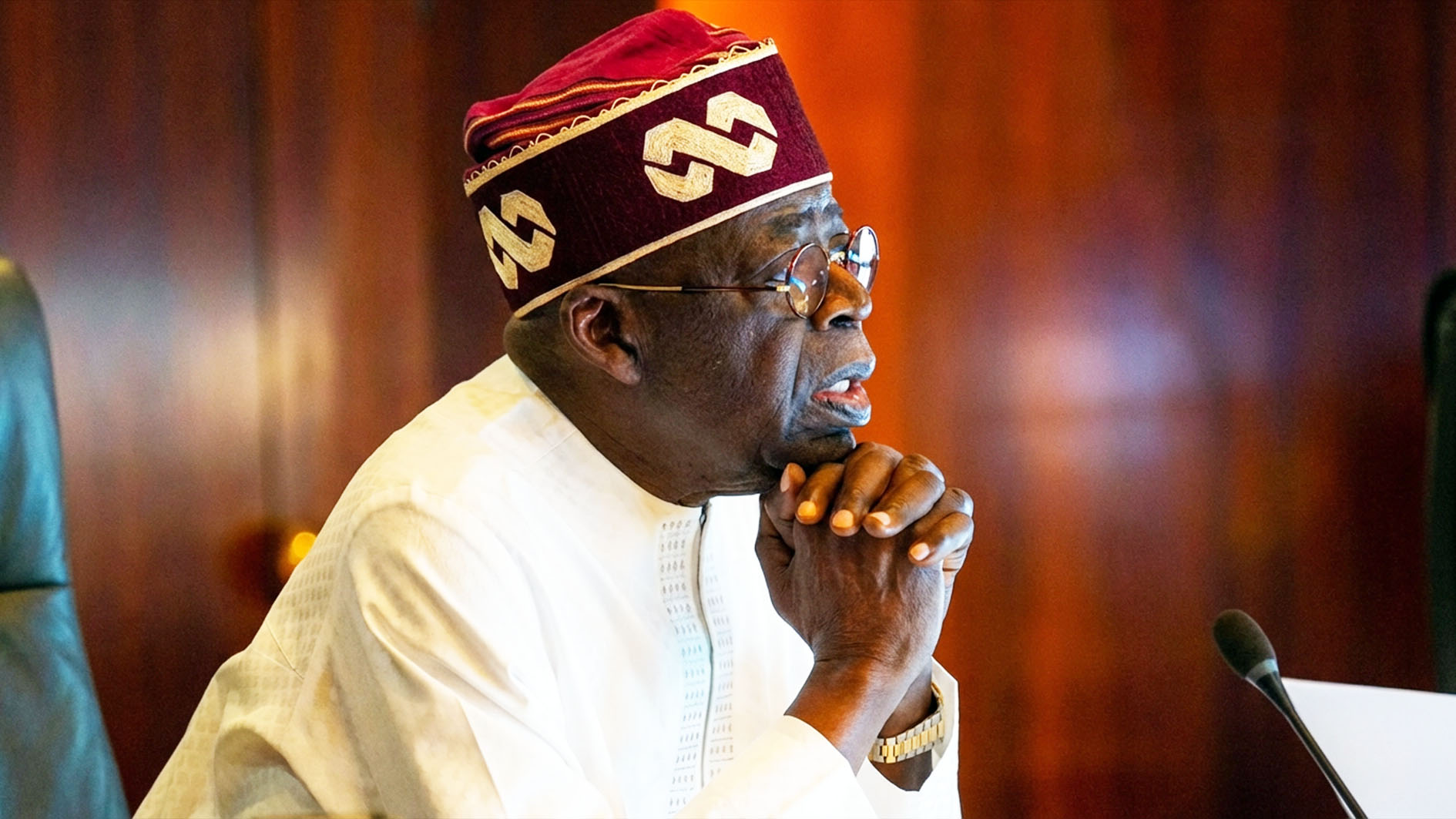
General Rabe’s Death: Tinubu Vows No Negotiation With Terrorists
The death of retired Major-General Rabe Abubakar in the hands of his abductors has triggered renewed national outrage over Nigeria’s worsening security crisis, with President Bola Ahmed Tinubu vowing that his administration will never negotiate with terrorists or release detained suspects in exchange for hostages.
The retired senior military officer, who once served as Director of Defence Information, died while in captivity nearly two weeks after he was kidnapped alongside his wife in Katsina State.
According to the Katsina State Government, the former general succumbed to health complications linked to diabetes and hypertension while being held by armed bandits. His wife remains in captivity, with security agencies continuing efforts to secure her freedom.
Major-General Abubakar and his wife were travelling to their hometown on May 30 when gunmen ambushed their vehicle along the Marabar Musawa–Kafinsoli road in Katsina State. Reports indicate that the attackers intercepted the vehicle, shot and injured the driver, and whisked the couple away into a forest hideout.
Subsequent investigations by state authorities suggested that the retired military officer and his wife may have been tracked from Kaduna before the attack, raising concerns that the operation was carefully planned by the kidnappers. The abduction shocked many Nigerians, particularly because of General Abubakar’s long service record and contributions to the Nigerian Armed Forces.
READ ALSO:
- Two Students Arrested Over Killing of Biochemistry Undergraduate at PAAU
- Tension Rises as Fulani Herders Reportedly Leave Southern Communities
- Recruitment: CDCFIB Releases Successful Immigration, NSCDC, Fire Service Applicants
About a week after the kidnapping, a video emerged online showing the retired general and his wife appealing for help while in captivity. In the footage, the kidnappers reportedly demanded the release of three detained members of their gang as a condition for freeing the couple. They also sought the return of livestock allegedly seized during security operations. The demands sparked fresh debate over whether governments should negotiate with terrorists and bandits to secure the release of hostages.
Reacting to the retired general’s death, President Tinubu said the Federal Government would not yield to pressure from terrorist groups seeking the release of suspects currently in custody. In a statement issued by his Special Adviser on Information and Strategy, Bayo Onanuga, the President declared that while the terrorists had done their worst, the government would never bow to their demand to release their members.
Tinubu reiterated his administration’s commitment to defeating terrorism, banditry and kidnapping across the country. He also referenced his Democracy Day address, warning criminal groups to surrender or face intensified military action.
“Bandits, kidnappers and sponsors of terror should now surrender or face the full force of the Nigerian State. These windows of surrender will not remain open forever. No mercy will be shown to those who trade in the blood of Nigerians,” the President said.
According to Tinubu, the death of General Abubakar should strengthen Nigeria’s resolve to confront terrorists without compromise and reinforce the nation’s determination never to negotiate with groups that threaten its security and stability.
The tragedy comes amid growing concerns about the spread of kidnapping, banditry, and terrorism in Nigeria. Security experts have warned that criminal groups are increasingly targeting high-profile individuals, community leaders, government officials and security personnel.
Recent incidents involving the abduction of schoolchildren and teachers in parts of Oyo State have further heightened fears over the expanding reach of armed groups beyond the country’s traditional conflict zones. Analysts say the death of the retired general underscores the urgent need for stronger intelligence gathering, enhanced surveillance capabilities and more coordinated security operations nationwide.
President Tinubu extended condolences to the family of the deceased officer, the Katsina State Government, and the Nigerian Armed Forces. Many serving and retired military officers have also paid tribute to General Abubakar, describing him as a patriotic soldier who dedicated decades of service to defending Nigeria.
His death has renewed calls for intensified efforts to dismantle terrorist and bandit networks operating across the country and to secure the release of all Nigerians currently being held captive. As the nation mourns, attention is now focused on ongoing efforts to rescue his wife and prevent similar tragedies in the future.
General Rabe’s Death: Tinubu Vows No Negotiation With Terrorists
metro
Two Students Arrested Over Killing of Biochemistry Undergraduate at PAAU

Two Students Arrested Over Killing of Biochemistry Undergraduate at PAAU
The management of Prince Abubakar Audu University (PAAU), Anyigba, Kogi State, has confirmed the arrest of two students in connection with the death of David Solomon, a 300-level Biochemistry undergraduate of the institution.
The Vice-Chancellor, Prof. Salisu Usman, disclosed this on Saturday during a condolence visit to the family of the deceased in Lokoja, assuring that those responsible for the killing would be fully prosecuted.
According to the Vice-Chancellor, the suspects were initially apprehended by the university’s internal security team shortly after the incident occurred within the campus environment. He explained that the suspects were later handed over to law enforcement agencies for further investigation and possible prosecution.
Security sources within the institution confirmed that the arrests were made following a swift internal response after the incident was reported, amid growing concerns over student violence and cult-related activities in the area.
Prof. Usman said the university is working closely with security agencies to ensure a thorough investigation into the circumstances surrounding the death of the student. He added that efforts are ongoing to identify all individuals connected to the incident, whether directly or indirectly, stressing that no suspect would be shielded.
The Vice-Chancellor described the killing as “tragic and unacceptable,” noting that it had thrown the entire university community into mourning.
READ ALSO:
- Tension Rises as Fulani Herders Reportedly Leave Southern Communities
- Recruitment: CDCFIB Releases Successful Immigration, NSCDC, Fire Service Applicants
- Boko Haram Torches Schools in Borno, Residents Escape Into Bush
The university management reiterated its firm stance against cultism, violent conduct, and criminal activities, warning that such behaviour would not be tolerated within the institution.
Prof. Usman also revealed that security surveillance had been intensified across the campus, with additional measures introduced to prevent a recurrence of similar incidents. According to him, the institution is reviewing its internal security architecture and preparing further reforms aimed at strengthening safety within and around the university.
The Vice-Chancellor commended the support of Kogi State Governor Ahmed Ododo, traditional rulers, and security agencies in maintaining peace around the university community. He also assured parents, guardians, and students that the institution remains committed to providing a safe environment for teaching, learning, and research.
Responding, the father of the deceased, Mr. Solomon Idachaba, thanked the university management for the condolence visit and praised the swift arrest of the suspects. He expressed appreciation for the institution’s commitment to ensuring justice and called for a thorough investigation into the circumstances surrounding his son’s death.
The incident comes amid growing concern over student-related violence and cult activities in Anyigba and within PAAU. Reports indicate that David Solomon was killed during events linked to graduation signing-out celebrations on campus, an incident that sparked panic and outrage among students and residents.
Another student was also reportedly attacked in a separate incident, further heightening tension within the university community. Security agencies are continuing investigations as authorities work to restore calm on campus and prevent further escalation.
Two Students Arrested Over Killing of Biochemistry Undergraduate at PAAU
-
 metro19 hours ago
Kidnapped Retired Major General Rabe Abubakar Dies in Bandits’ Captivity
-
 Entertainment3 days ago
Davido Turns World Cup Stage Into Protest – Wears Jacket Bearing Names of Kidnapped Oyo Schoolchildren at FIFA Concert
-
 News2 days ago
Full Text of President Bola Ahmed Tinubu’s Democracy Day Address
-
 Sports3 days ago
Chaos at World Cup 2026 Opener as Protesters Block Access to Estadio Azteca
-
 metro3 days ago
Senate Orders Police, DSS to Track Bandits Flaunting Cash on TikTok
-
 metro1 day ago
How Kidnap of Adelabu’s Sister, Twins Was Planned – Suspects Confess Insider Role
-
 Health3 days ago
VIDEO: Nigerian Doctors in Canada Have Become ‘Medical Agberos’ — Doctor Alleges
-
 metro2 days ago
Bandits Tie Women With Hijabs, March Them Into Forest in Sokoto Mass Abduction