

Business
Prices of rice, beans, others rise, says NBS report
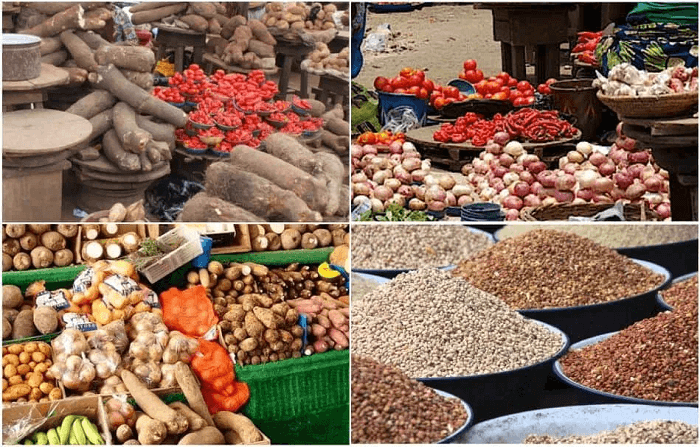
Prices of food items in Nigeria including rice, beans and beef have continued to rice as shown in a new report of November 2022 figures, the National Bureau of Statistics (NBS) has said.
This is contained in the NBS Selected Food Prices Watch Report for November 2022, released in Abuja on Monday.
The report said that the average price of 1kg boneless beef on a year-on-year basis, increased by 29 per cent from N1,812.03 in November 2021 to N2,337.46 in November 2022.
It stated, “While on a month-on-month basis, 1kg boneless beef increased by 3.14 per cent from N2,266.24 recorded in October 2022.”
It showed that the average price of 1kg rice (local) increased on a year-on-year basis by 18.95 per cent from N421.02 in November 2021 to N500.80 in November 2022.
“On a month-on-month basis, the average price of this item increased by 2.73 per cent from N487.47 recorded in October 2022,” it stated.
The report said the average price of 1kg of tomato on a year-on-year basis rose by 30.18 per cent from N350.15 in November 2021 to N455.13 in November 2022.
“Also, on a month-on-month basis, 1 kg of tomato increased by 0.15 per cent from N454.46 recorded in October 2022.”
Also, the report showed that the average price of 1kg brown beans (sold loose) rose by 18.03 per cent on a year-on-year basis from N490.19 recorded in November 2021 to N578.55 in November 2022.
“While on a month-on-month basis, the price rose by 2.45 per cent from N564.69 recorded in October 2022.”
The NBS said the average price of palm oil (1 bottle) increased by 29.87 per cent from N775.11 in November 2021 to N1,006.64 in November 2022.
“On a month-on-month basis, the item grew by 3.91 per cent from the N968.76 recorded in October 2022.”
It said the average price of vegetable oil (one bottle) stood at N1,142.99 in November 2022, showing an increase of 30.41 per cent from N876.47 in November 2021.
“On a month-on-month basis, it rose by 3.34 per cent from N1,106.08 recorded in October 2022.”
The report said at the state level, the highest average price of rice (local, sold loose) was recorded in Rivers at N632.05, while the lowest price was recorded in Jigawa at N378.81.
It said Ebonyi state recorded the highest average price of beans (brown, sold loose) at N868.33, while the lowest was recorded in Kebbi state at N365.71.
Also, the report said Ekiti recorded the highest price of Vegetable oil (1 bottle) at N1,584.31, while Kwara recorded the lowest price at N693.08.
An analysis by zone shows that the average price of 1kg boneless beef was higher in the South-East and South-South at N2,851.51 and N2,570.87, respectively, while the lowest price of the item was recorded in the North-East at N1,971.83.”
The report said the South-South recorded the highest average price of 1kg rice (local, sold loose) at N555.80, followed by the South-West at N526.41, while the lowest price was recorded in the North-West at N457.16.
It said the South-West recorded the highest average price of Palm oil (1 bottle) with N1,174.30, followed by the North-West at N1,129.63, while the North-East recorded the lowest price at N765.04.







Business
NNPCL Slashes Petrol Pump Price to N1,405 in Abuja, Dangote Refinery Cuts Gantry Rate
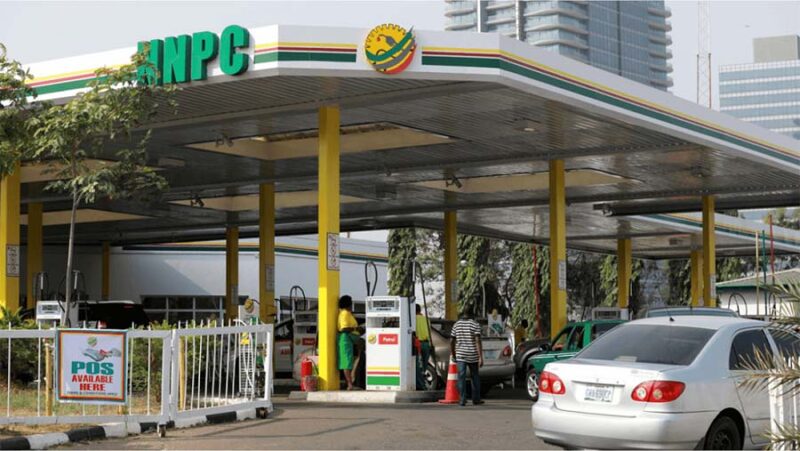
NNPCL Slashes Petrol Pump Price to N1,405 in Abuja, Dangote Refinery Cuts Gantry Rate
Abuja — The Nigerian National Petroleum Company Limited (NNPCL) has announced a reduction in the pump price of Premium Motor Spirit (PMS), commonly known as petrol, at its retail outlets in the Federal Capital Territory (FCT), Abuja.
A market survey conducted on Sunday revealed that NNPCL filling stations in key areas such as Gwarimpa and Kubwa have adjusted their prices downward to N1,405 per litre, a reduction from the previous rate of N1,430 per litre.
However, the survey indicated a slight variation in pricing across different NNPCL outlets within the capital city. While the Gwarimpa and Kubwa stations are selling at N1,405, other outlets located along the Kubwa Expressway, Air Junction, as well as those in Wuse Zones 4 and 5, are offering the product at a lower rate of N1,395 per litre.
The latest price adjustment by the national oil company follows a significant reduction in the gantry price of petrol by the Dangote Refinery. Reports indicate that the refinery recently slashed its gantry price by N25, bringing the rate down to N1,325 per litre.
The reduction in pump prices is expected to bring slight relief to motorists and commuters in Abuja, who have had to grapple with high transportation costs fueled by elevated fuel prices in recent months.
Industry observers note that the ongoing price adjustments reflect the dynamics of the deregulated downstream sector, where market forces and refinery gate prices influence retail costs. It remains to be seen if other major marketers and independent oil marketers will follow suit with similar price reductions in the coming days.
Motorists in Abuja have welcomed the development, expressing hope that the downward trend in fuel prices will be sustained across the country and ultimately lead to a reduction in the overall cost of living.
NNPCL Slashes Petrol Pump Price to N1,405 in Abuja, Dangote Refinery Cuts Gantry Rate
Railway
Rail-Port-Industry Link Critical to Cutting Logistics Costs – NRC
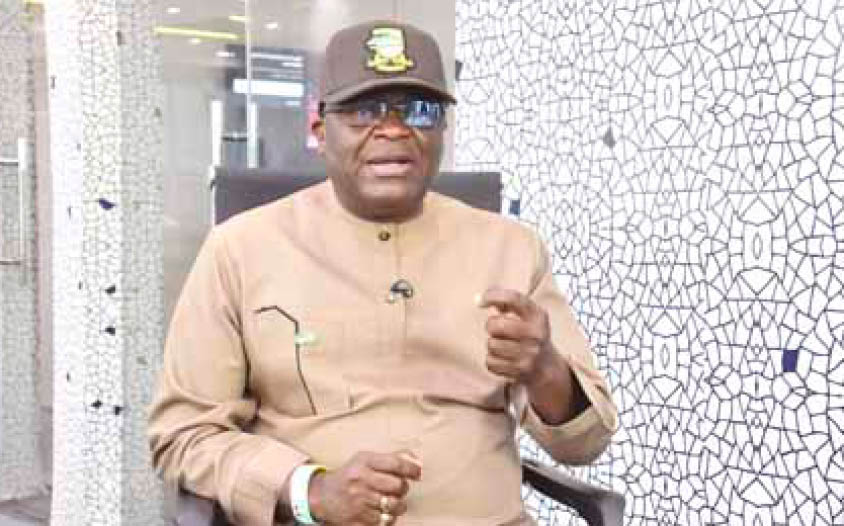
Rail-Port-Industry Link Critical to Cutting Logistics Costs – NRC
The Nigerian Railway Corporation has said Nigeria must urgently integrate its rail network with seaports, inland dry ports and industrial centres to cut logistics costs, ease pressure on the highways and make the movement of goods across the country more efficient.
The NRC said a seamless connection between rail lines, ports and major production centres would strengthen the movement of agricultural produce, containers, petroleum products and other bulk cargoes, while reducing the cost and time involved in transporting goods from ports to markets and industries.
The Managing Director/Chief Executive Officer of the NRC, Dr Kayode Opeifa, stated this on Thursday in Lagos in a speech delivered on his behalf at the Transport Correspondents Association of Nigeria conference, stressing that rail, road, maritime, inland waterways and aviation must work as an integrated transportation system if Nigeria is to unlock the full economic benefits of its logistics sector.
The NRC boss also revealed that the corporation had opened the door wider for private investors to participate in the development of freight terminals, logistics hubs, rolling stock and other critical infrastructure as part of efforts to transform Nigeria’s rail system into a major engine of economic growth.
He said stronger private-sector participation was imperative because government alone could not provide the massive investment required to build an efficient and interconnected transportation system capable of lowering logistics costs and boosting economic activities.
Opeifa said Nigeria could no longer afford to develop its transportation modes in isolation, stressing the need to connect rail with seaports, inland dry ports, industrial centres and major economic corridors.
He said such integration would enable rail to play a greater role in moving bulk cargo across the country, while reducing the pressure currently placed on the highways.
According to him, rail has the capacity to move large volumes of passengers and freight over long distances and should therefore become a critical component of Nigeria’s logistics architecture.
He said, “At the Nigerian Railway Corporation, our focus is therefore not only on passenger transportation but also on strengthening freight operations and creating greater connectivity between rail lines, seaports, inland dry ports, industrial centres and major economic corridors.”
The NRC MD identified agricultural produce, petroleum products, containers and other commodities as some of the major categories of cargo that could benefit from a more efficient rail freight system.
He said an effective multimodal transportation network involving rail, road, maritime, inland waterways and aviation would reduce the cost of doing business, improve access to markets and strengthen Nigeria’s competitiveness.
Opeifa also called for a regulatory framework capable of attracting private capital into the transportation sector, particularly in rolling stock, freight terminals, logistics hubs and related infrastructure.
“The future of Nigeria’s transportation sector must also be driven by stronger partnerships. Government alone cannot provide all the infrastructure and investment required,” he said.
The NRC’s position comes amid growing concerns over the high cost of logistics and the burden placed on Nigerian businesses by inefficient movement of goods from ports to markets and production centres.
Opeifa said transportation infrastructure should be viewed not simply as public assets but as critical economic infrastructure capable of stimulating industrial production, trade and employment.
He, however, warned that vandalism and encroachment remained major threats to railway investments, stressing the need for stronger collaboration among government agencies, security organisations, host communities and passengers to protect railway tracks, bridges, signalling systems and other infrastructure.
He said the protection of rail infrastructure must become a collective responsibility if the country was to derive the full economic benefits of ongoing investments in the sector.
The NRC chief executive also stressed the need to make transportation affordable and accessible, noting that improved mobility would provide Nigerians with greater access to jobs, markets, education and economic opportunities.
Opeifa reaffirmed the NRC’s commitment to the Federal Government’s vision of developing a modern, integrated and efficient transportation system capable of supporting the country’s economic aspirations.
He commended TCAN for providing a platform for policymakers, operators, investors, professionals and the media to deliberate on the challenges and opportunities in Nigeria’s transportation sector.
He said sustained investment, innovation, collaboration and effective policy implementation remained essential to building a logistics system capable of unlocking Nigeria’s economic potential.
Business
FG Seeks Private Capital, States’ Support to Transform Nigeria’s Ports
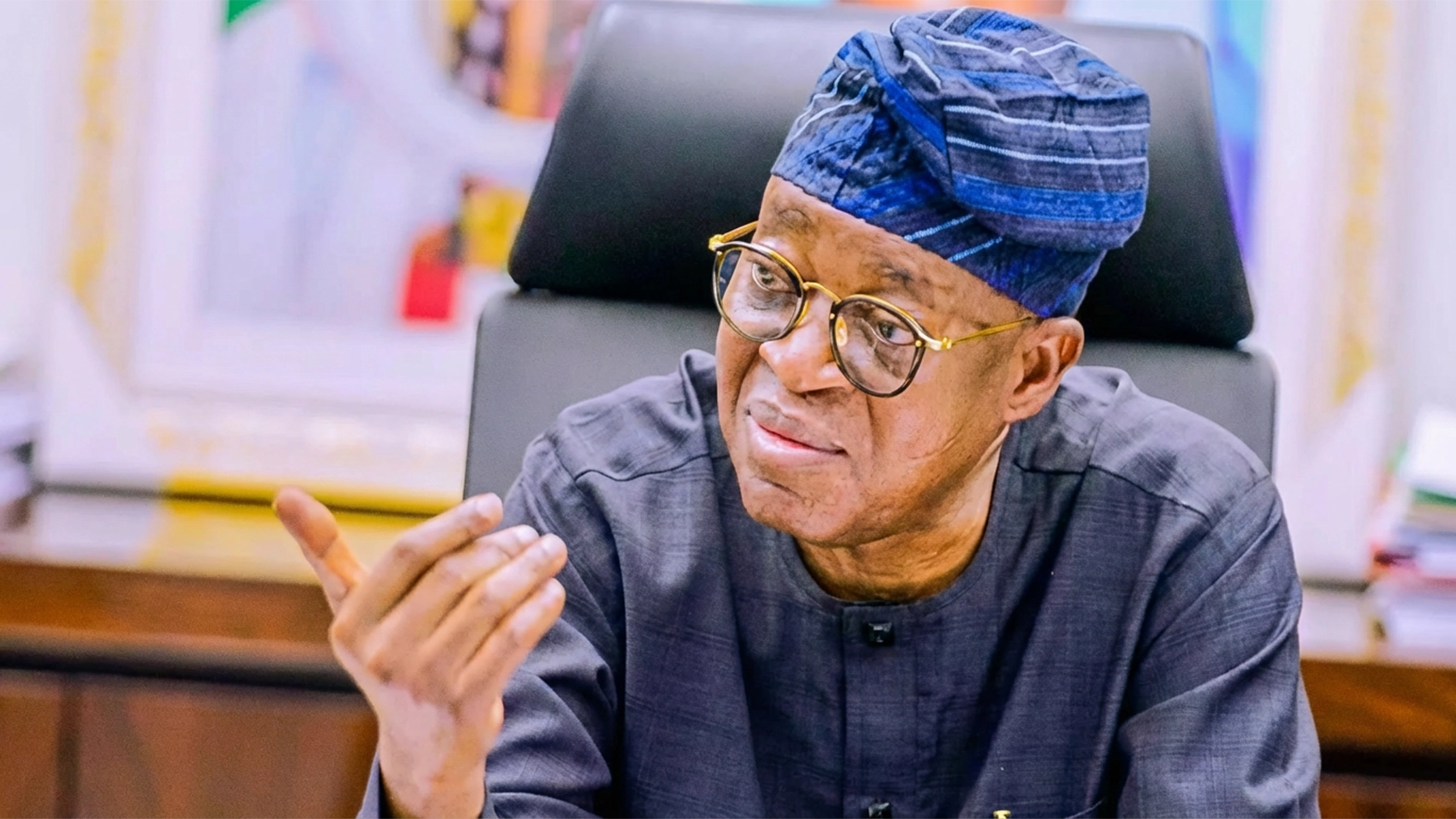
FG Seeks Private Capital, States’ Support to Transform Nigeria’s Ports
The Federal Government has called for deeper participation by the private sector and subnational governments in financing port infrastructure, operating terminals and deploying technology as part of an ambitious plan to modernise Nigeria’s seaports and cut logistics costs.
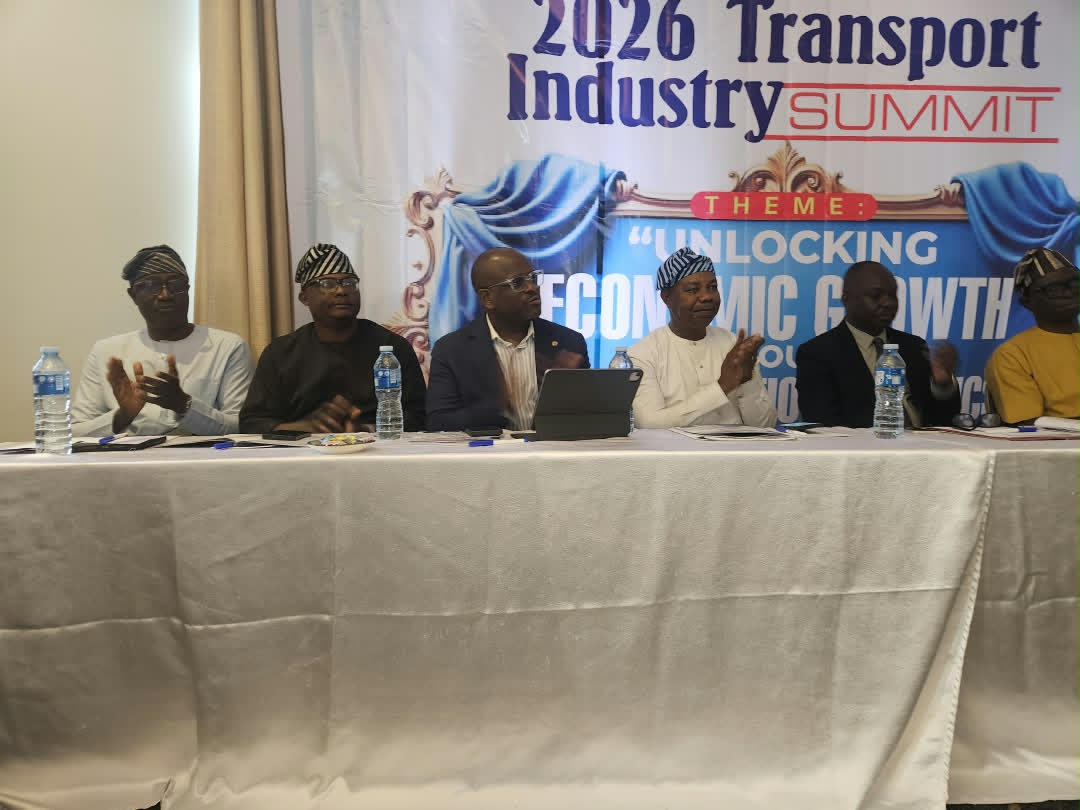
Minister of Marine and Blue Economy, Adegboyega Oyetola, made the call on Thursday at the 2026 Transport Industry Summit of the Transport Correspondents Association of Nigeria (TCAN), held at the Radisson Hotel, Ikeja, Lagos.
Oyetola represented by Mr. Paul Garnuwa, Director, Inland Transport Services, NPERA, said the Federal Government could not shoulder the entire financial and operational burden of developing the country’s maritime infrastructure, stressing that sustainable port development required stronger partnerships among the Federal Government, state governments, private investors and other stakeholders.
He said the government was therefore seeking greater private-sector participation in infrastructure financing, terminal operations, technology deployment and logistics services, while also encouraging state governments to participate in the development of new maritime gateways.
The minister disclosed that President Bola Ahmed Tinubu had approved a major modernisation programme covering Apapa and Tin Can Island ports in Lagos, Onne and Rivers ports in Rivers State, Calabar Port in Cross River and Warri Port in Delta State.
According to him, the programme will involve reconstruction of quay walls, deepening of channels to accommodate larger vessels, replacement of obsolete cargo-handling equipment and increased digitalisation of terminal and gate operations.
He said the scale of the planned intervention made private capital and institutional partnerships critical to delivering modern, efficient and commercially sustainable ports.
“Port efficiency affects the entire logistics chain. A delay at the port does not remain at the port. It affects manufacturers waiting for inputs, exporters waiting for vessels, transport operators, distributors and, ultimately, consumers,” Oyetola said.
The minister also disclosed that the Federal Government was working with state governments and private-sector investors on the development of deep seaports in Akwa Ibom, Bayelsa, Cross River, Ogun, Ondo and Rivers states.
He said the projects would expand national port capacity, create new maritime and logistics corridors, ease pressure on existing gateways and distribute economic activities along the coastline.
Oyetola said the government was particularly interested in ensuring that states and private investors became active participants in port development rather than relying solely on federal funding.
The minister further stressed the importance of technology in transforming port operations, noting that modern logistics required electronic documentation, accurate information, data-sharing and digital systems capable of reducing unnecessary physical processes.
He said digitalisation would improve cargo visibility, make port processes more predictable and ultimately reduce the time and cost of moving goods from seaports to their final destinations.
Oyetola said recent improvements had already attracted international recognition, citing the 2025 Container Port Performance Index by the World Bank and S&P Global Market Intelligence, which ranked Tin Can Island Port 10th and Lagos Port Complex, Apapa, 12th among the world’s 20 most improved container ports between 2020 and 2025.
He also announced that the United States Coast Guard had in August 2026 removed its Conditions of Entry on vessels arriving from Nigeria after 12 years of additional security-related requirements.
According to him, the development followed sustained efforts to improve compliance with the International Ship and Port Facility Security Code, strengthen access controls and address security gaps.
Oyetola said the newly established Nigeria Ports Economic Regulatory Agency would also help create a more predictable investment environment through regulation of tariffs and charges, service standards, competition and protection of port users. The agency commenced operations in August following presidential assent to its enabling law.
He said effective regulation, security and infrastructure must work together with private investment and technology to make Nigeria’s ports more competitive.
“Our immediate priority is to ensure that the investments and institutional changes now underway translate into practical improvements: faster cargo movement, improved vessel turnaround, greater capacity, stronger security, transparent regulation and lower logistics costs,” he said.
Oyetola urged development partners, financial institutions, state governments and industry associations to support the reform programme, stressing that greater collaboration was essential if transportation logistics was to make a stronger contribution to Nigeria’s economic growth.
-

 News3 days ago
Anambra Releases ₦473m Salary Arrears Document as Obi’s Debt Claim Sparks Fresh Dispute
-

 News3 days ago
Keyamo: ₦70,000 Minimum Wage No Longer Enough as Cost of Living Soars
-
 metro3 days ago
EFCC Chairman Raises Alarm Over Alleged Theft of Nigeria’s Public Funds
-

 Sports2 days ago
AFCON 2027 Qualifier: Nigeria Fight Back to Beat Madagascar 2-1 in Uyo
-
 Politics3 days ago
2027: Otti Explains Why He Supports Tinubu Despite Remaining in Labour Party
-

 Entertainment3 days ago
Jetour Takes Adventure Beyond the Road, Brings Solar-powered Borehole to Ibeju-Lekki community
-

 metro2 days ago
Viral Anti-Obi Video: Lagos Police Move Against Inspector Osumah Frank
-
 metro3 days ago
Umahi Announces First Niger Bridge Reopening Next Week, Orders Tinubu Pictures