

Business
FG approves N37.47bn for airport cameras, power station, others
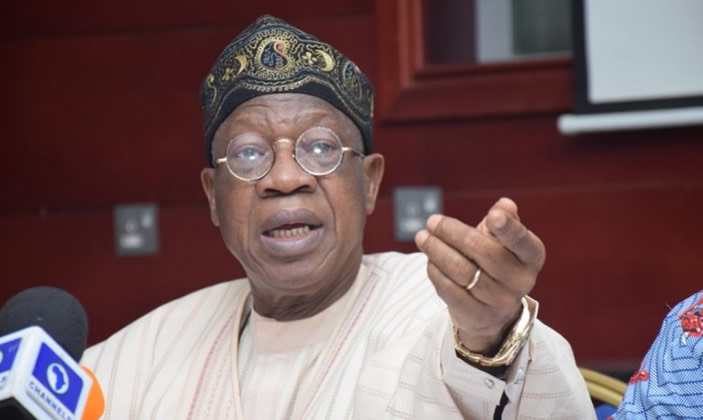
The Federal Executive Council (FEC) has approved the sum of N37.47 billion for various projects, including airport surveillance cameras, to be executed by the ministries of aviation, transportation, industry, trade and investment.
Minister of Information and Culture, Lai Mohammed, disclosed this at the end of the weekly FEC meeting held on Wednesday at the Presidential villa, Abuja.
A breakdown of the approved sum shows that N1.27 billion was approved for the design, supply, and installation of PTZ long-range tarmac camera surveillance system at the Murtala Mohammed International Airport, Lagos, and Nnamdi Azikiwe International Airport, Abuja.
“This is in order to upgrade and provide security and safety for the Federal Airport Authority of Nigeria, especially to avoid incidence on the air site and runway,” Mohammed said.
Also, N783.5 million was approved for the purchase of two hydrographic survey boats for the National Inland Waterways Authority, under the ministry of transportation.
The contract was awarded in favour of Messrs First Index Project and Services Limited with a completion period of six months.
FEC also approved the sum of N35.4 billion for the building of a power station by the Nigerian Export Processing Zone (NEPZA), in Akamkpa, Cross River State.
Minister of Industry, Trade and Investment, Otunba Niyi Adebayo, said the contractor would finance 75 per cent of the project, in the sum of N26.5 billion while the NEPZA would finance 25 per cent translating to N8.8 billion.
Adebayo said the power station would be completed within 11 months. Thereafter, it would be operated by the contractor for five years during which it would build local capacity that towards the taking over of the running of the plant.
He said, “The whole intention of the upgrade of the two zones is to create zones with world-class standards. The Ministry of Industry, Trade, and Investment is desirous of making Nigeria a manufacturing hub, especially now that we have signed on to the Africa Continental Free Trade Area Agreement.
“So, by putting 24-hour power in the two processing zones, it will make it more attractive to foreign investors to come and set up manufacturing concerns here in Nigeria.”









Railway
Fire Scare at Abuja Train Station as Electrical Fault Sparks Blaze, NRC Assures Passengers
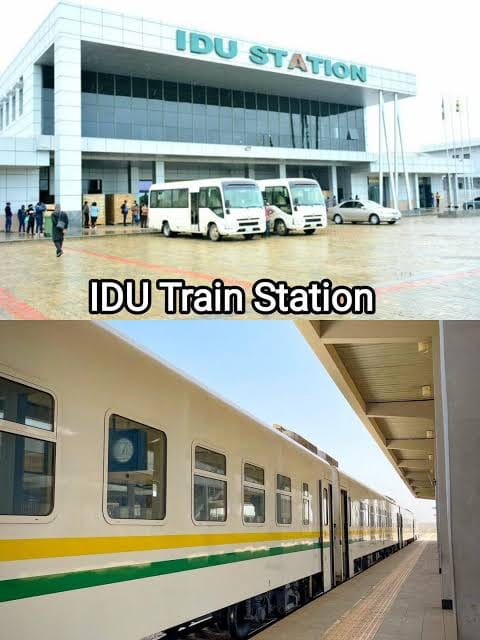
Fire Scare at Abuja Train Station as Electrical Fault Sparks Blaze, NRC Assures Passengers
A minor fire caused by an electrical fault broke out at the Idu Train Station in Abuja on Wednesday night, but the incident did not disrupt operations on the Abuja–Kaduna train route, the Nigerian Railway Corporation (NRC) has said.
The fire, which occurred in the station’s low-voltage electrical room, was detected at about 8:30 p.m. and was quickly brought under control by maintenance personnel.
A preliminary inspection showed that some electrical supply cables connected to the station’s control panels were damaged in the incident.
However, the NRC said the station’s solar power system was not affected, while power had been temporarily restored to the lifts and escalators.
According to the Corporation’s Chief Public Relations Officer, Callistus Unyimadu, all the lifts and escalators are currently operational except Lift 1.
The NRC stressed that the incident had no impact on Abuja–Kaduna train services, assuring passengers that scheduled operations would continue as normal.
The Corporation said its technical team was conducting a detailed assessment to establish the cause of the electrical fault and permanently restore the affected installations.
It added that appropriate safety measures had been put in place while the assessment and remedial work continued.
Business
Nigerians Pay N44 Extra Per Litre as Retailers Defy Falling Depot Prices – Full Report

Auto
Abuja Roars to Life as Jetour X50 Headlines Three-Day Motoring Experience
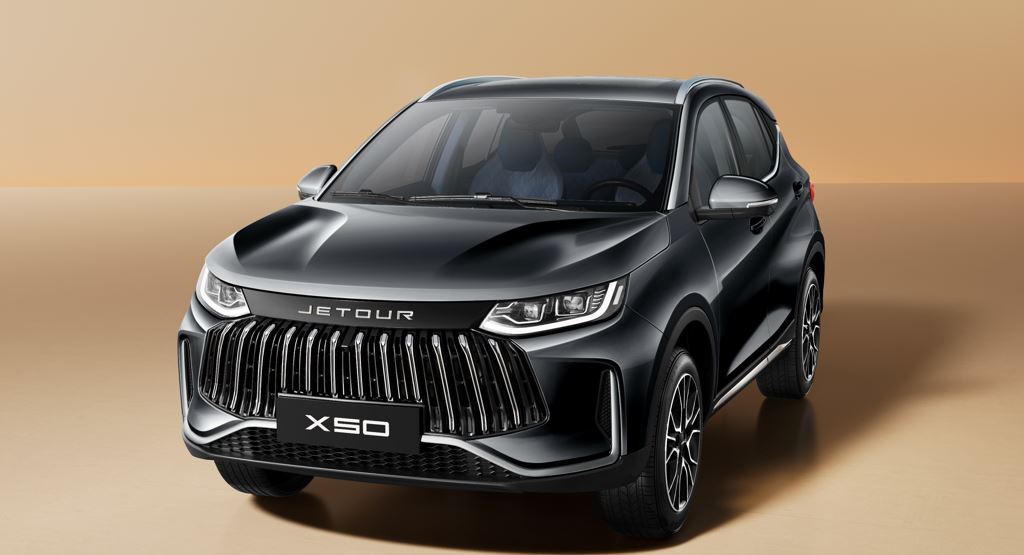
Abuja Roars to Life as Jetour X50 Headlines Three-Day Motoring Experience
Abuja is gearing up for a major motoring spectacle as Jetour Nigeria brings its fast-growing brand experience to the Federal Capital Territory, with the stylish Jetour X50 set to take centre stage in a three-day showcase of performance, technology and automotive innovation.
Scheduled for September 22 to 24, 2026, the Jetour Experience Abuja will move beyond the conventional vehicle exhibition, giving motorists and prospective buyers the opportunity to test-drive the X50, interact with automotive specialists and experience a range of entertainment and interactive activities.
The Abuja activation follows the strong reception recorded during Jetour Nigeria’s recent Lagos experience and forms part of the automaker’s strategy to deepen customer engagement while expanding its footprint across Nigeria.
Backed by an expanding authorised dealer network comprising Elizade Nigeria Limited, Mandilas Autos, Germaine Auto Centre, Kojo Motors, R.T. Briscoe, Tab Autos and New Era AutoVehicle Services, Jetour is also strengthening access to vehicle sales, after-sales support, genuine spare parts and certified technical services nationwide.
At the heart of the Abuja experience will be the Jetour X50, a compact SUV designed to combine contemporary styling, performance and a technology-rich driving environment.
Powered by a 1.5-litre turbocharged engine paired with a dual-clutch transmission, the X50 has positioned itself as a strong contender in Nigeria’s competitive compact SUV segment.
Jetour has equipped the model with a range of premium features, including a 360-degree camera, Blind Spot Detection, 10.5-inch infotainment system with Apple CarPlay and Android Auto, wireless charging and leather upholstery.
The combination of technology, comfort and performance is part of Jetour’s strategy of offering premium motoring features at competitive price points.
The Abuja event also highlights Jetour’s aggressive expansion strategy in Nigeria, following the brand’s recognition with industry accolades including Fastest Growing Auto Brand and Auto Brand of the Year.
With its expanding dealer network providing nationwide sales and after-sales support, Jetour is seeking to deepen customer engagement while making its vehicles and ownership services more accessible to motorists across the country.
As Abuja prepares to welcome the Jetour Experience, the three-day activation is expected to provide motorists with an opportunity to see, feel and drive the X50 while experiencing first-hand what is driving the brand’s growing appeal in Nigeria.
-

 metro2 days ago
El-Rufai Demands ₦10bn from Defence Minister Over Southern Kaduna Killings Allegation
-

 News2 days ago
Lagos Moves to Slash Agency Fees, Curb Rent Hikes With New Tenancy Bill
-

 metro3 days ago
Catholic priest leaves priesthood, weds Kenyan woman after 12 years in Kenya
-

 Politics2 days ago
Why Did Peter Obi Attend Seyi Makinde’s Campaign Launch? Here’s What He Said
-

 metro2 days ago
Osun Police Arrest Woman After Vigilante Member Dies During Sexual Encounter in Ile-Ife
-

 Education2 days ago
FG opens six-month teacher certification for BSc, HND, ND holders – How to Apply
-

 Politics6 hours ago
Remi Tinubu Appeals To South-East Voters, Says She Wants To ‘Enjoy Nigeria’ In Old Age
-

 metro2 days ago
No US Case Against Tinubu, Family Enjoy Unimpeded Transit for UNGA — Ambassador Ibrahim
You must be logged in to post a comment Login