

metro
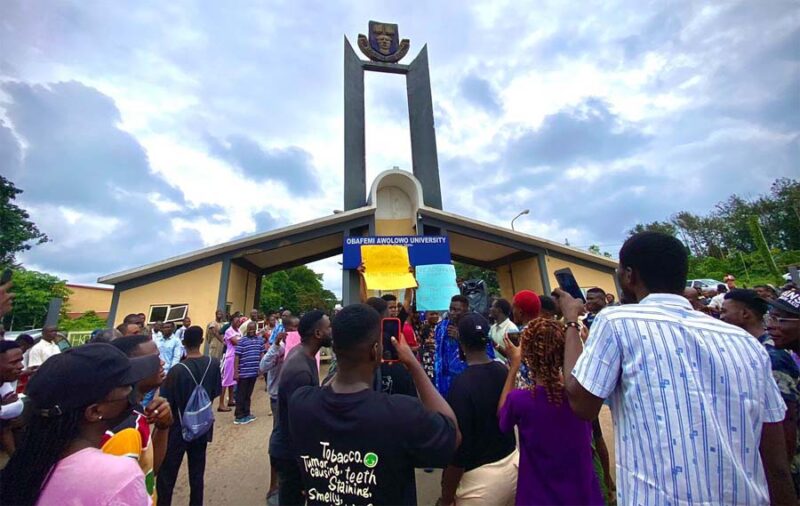
OAU students protest hike in tuition fees, block access to campus
OAU students protest hike in tuition fees, block access to campus
Students of the Obafemi Awolowo University, OAU, Ile-Ife, on Tuesday, staged a protest against the hike in school fees.
Newstrends learnt that the protesting students are demanding a 50 per cent reduction in the new charges.
The students who urged the Federal Government to allocate the funds from subsidy removal towards education instead of allowing an increase in school fees called for the implementation of the original proposed instalment payment the Vice Chancellor of the university promised.
The students also shut the institution’s main gate, blocking access to the university to vehicles.
As a result, students, staff, and other university stakeholders were stranded at the campus gate on Tuesday morning.
It was noted that the protest was called after the student union congress on Monday, October 2, 2023.
Answering demands of the students on instalment payment, the Director of ICT representing the Vice-Chancellor, Kanmi Adewara, said it was not activated earlier because of staff shortage.
READ ALSO:
-
Pregnant woman, 2 others dead as police, driver reportedly drag steering wheel in Lagos
-
Pastor dies as Dunamis Church collapses
-
BREAKING: WAEC begins NEC meeting to decide on withheld results
“The ICT centre of the school has a low number of staff at the moment due to the current ‘Japa’ wave, as this has caused the process of Post UTME examination to be slow therefore leading to a slow process of activating the instalment payment on the portal.
“I promise that the instalment payment would be activated before the close of work today,” he said.
Meanwhile, as economic hardship bites harder, schools have devised coping strategies to survive at this time.
Many ongoing capital projects have been suspended, purchase of new buses halted, and weekend classes stopped.
Speaking on steps taken by school owners to handle the new realities, National President, Association of Proprietors of Private Schools (NAPPS), Chief Yomi Otubela, said the association has told members to charge fees that are not only affordable, based on the values offered, but sustainable enough to ensure profitability to meet both direct and associated costs.
They, however, implored the government to review the various levies being paid by members to reflect signs of the present times.
He noted that some schools have reviewed the take-home pay of their school workers while others have gone further to provide accommodation for their staff to cushion the effect of fuel price hike.
OAU students protest hike in tuition fees, block access to campus











metro
Choirmaster Jailed 25 Years for Raping Teenager During Deliverance in Anambra
Choirmaster Jailed 25 Years for Raping Teenager During Deliverance in Anambra
- An Anambra State High Court sentences church teacher to 25 years imprisonment for sexually assaulting a 16-year-old girl under the guise of spiritual deliverance, awarding N5 million compensation to the victim
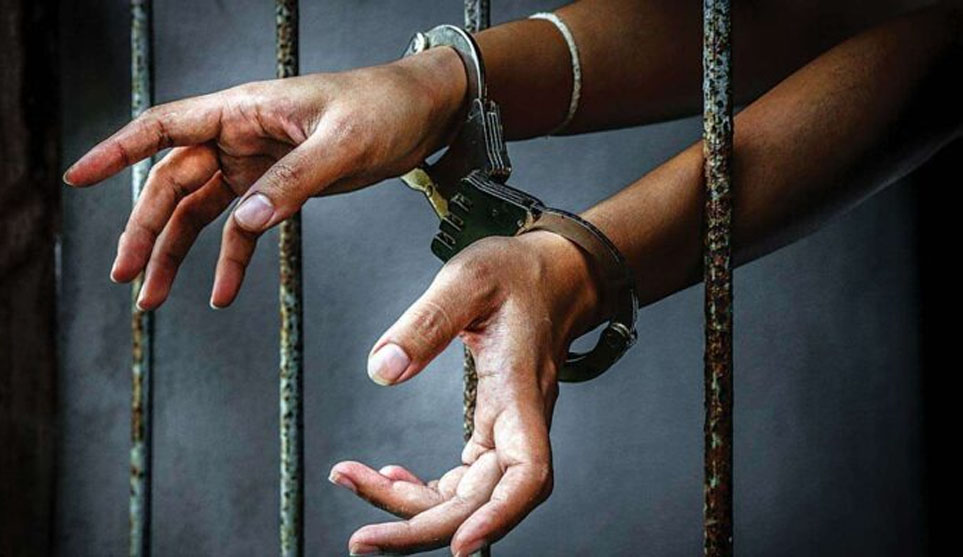
An Anambra State High Court sitting in the Ogidi Judicial Division has convicted and sentenced James Onuorah, a choirmaster and church teacher at Iba Pope Parish, Awada, to 25 years imprisonment for raping a 16-year-old girl under the pretext of spiritual deliverance . Justice Chudi Nwankwo, who delivered the judgment on Friday, July 17, 2026, also sentenced the defendant to seven years imprisonment for offensive conduct, with both terms to run concurrently, and ordered him to pay N5 million as compensation to the victim .
Onuorah was arraigned on a three-count charge of rape, offensive conduct and indecent assault, with the charges brought under the Violence Against Persons (Prohibition and Protection) Law of Anambra State, 2017, and the Criminal Code of Anambra State . The prosecution, led by Mrs Millicent Akuewulu-Ikeabunze and Nkiru Nzekwu, presented a case alleging abuse of trust and exploitation of spiritual authority .
According to the charge sheet, the defendant deceived the victim’s mother into believing that all her daughters were possessed by “marine spirits and spiritual husbands” and needed deliverance at his residence on Amanafor Street, Awada, Obosi community in Idemili North Local Government Area . Relying on this claim, the mother permitted her daughters to attend prayer sessions at the defendant’s home .
Exploiting this position of spiritual authority, Onuorah lured the 16-year-old victim to his altar, ordering her to strip naked under the claim that it was “the direction of the Holy Spirit” . He went further to collect her menstrual blood and ovulation discharge before having sexual intercourse with her, claiming that a “spiritual husband” had caused fibroids in her womb and that the only cure was sex with him . The assault resulted in the victim’s pregnancy, and she delivered a baby in April 2026, with a hospital discharge document confirming the delivery tendered and admitted as evidence .
READ ALSO:
- New York Mayor Says He Is Exploring Possible Arrest of Netanyahu During UN Visit
- He Was Not Like That Before — Father Says 2-Year-Old Changed After Kidnapping
- Meet Oyinkansola Badejo-Okusanya: Only Second Woman to Lead NBA in 93 Years
The prosecution also alleged that the defendant committed a similar act against the victim’s elder sister, who testified as the first prosecution witness, while the victim testified as the fourth witness . In all, four witnesses testified for the prosecution. The defendant denied the charges, and the court rejected his confessional statement for failing to comply with Section 13 of the Administration of Criminal Justice Law of Anambra State .
Justice Nwankwo, in delivering the judgment, held that the prosecution proved the rape and offensive conduct charges beyond reasonable doubt . The judge described the victim’s testimony as direct, consistent and unshaken under cross-examination, adding that the pregnancy and subsequent delivery served as corroborating evidence of her account . During allocutus, the defendant pleaded for leniency, while the prosecution urged the court to impose the mandatory life sentence prescribed under the Violence Against Persons Law . The court, however, imposed 25 years imprisonment for rape and seven years for offensive conduct, with both sentences to run concurrently .
The court, however, discharged and acquitted the defendant on the third count relating to indecent assault against the victim’s elder sister, holding that the prosecution failed to prove the alleged 2014 incident due to the absence of a formal complaint or report at the time .
This case is one of several involving religious figures in Anambra State who have exploited their positions of spiritual authority to commit sexual offences. In April 2026, a 16-year-old girl, Precious Okafor, narrated how a pastor allegedly raped her on a church altar during a “special deliverance” session, claiming she was possessed by seven marine spirits . Similarly, in Enugu State, a 63-year-old pastor, Luke Eze, was arrested and arraigned for allegedly raping two biological sisters during a deliverance session at his church .
Choirmaster Jailed 25 Years for Raping Teenager During Deliverance in Anambra
metro
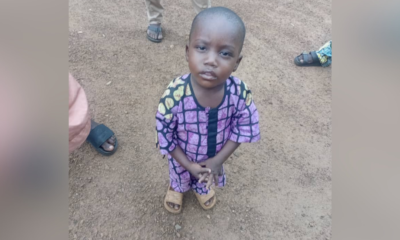
He Was Not Like That Before — Father Says 2-Year-Old Changed After Kidnapping
He Was Not Like That Before — Father Says 2-Year-Old Changed After Kidnapping
- Traumatised toddler now cries uncontrollably at bedtime and when scolded, highlighting deep psychological scars left by captivity in Oyo State
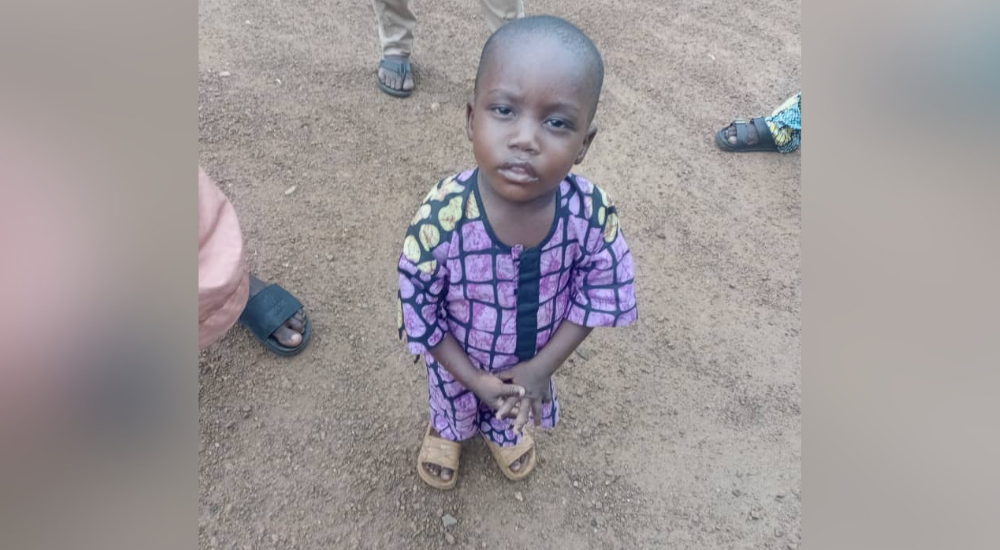
The father of a two-year-old boy abducted alongside 39 pupils and six teachers from schools in Oriire Local Government Area of Oyo State has revealed that his son is still struggling with psychological trauma weeks after regaining freedom. Sikiru Abiodun, a farmer in Yawota community, said his toddler has not been the same since returning from 56 days in bandits’ captivity. The child was among those abducted on May 15, 2026, when armed bandits attacked Baptist Nursery and Primary School, Yawota; L.A. Primary School; and Community Grammar School, Ahoro-Esienle. The victims were eventually rescued on July 10 and taken to the LAUTECH Teaching Hospital for medical evaluation and psychological assessment before being reunited with their families.
Speaking to THE WHISTLER in Yoruba, Abiodun described the troubling changes in his son’s behaviour. “Before he was abducted, if he wanted to sleep, he would just go and sleep by himself. But since he came back, anytime he wants to sleep, he will start crying and he would not stop until we hug or carry him.” The farmer also noticed that his son now reacts with extreme distress whenever he is scolded. “Anytime he’s doing something or wants something and we shout at him; he will start crying also. He was not like that before,” Abiodun said. Despite the changes in his son’s behaviour, Abiodun expressed gratitude that the boy returned alive. “We’re just happy that he came back alive because we had lost hope of seeing him again,” he stated.
The toddler’s story is not an isolated case. A frightened four-year-old girl in the Ahoro-Dada community bolted in terror when she saw cameras and microphones, mistaking them for the guns that had shattered her world on May 15. Her terrified parents eventually caught up with her, held her gently by the hands and repeatedly assured her that the visitors were not kidnappers. The reaction of the little girl revealed that while the victims had regained their freedom, many have remained prisoners of fear. Though they might have left the forest, for many of them, the forest has refused to leave their minds.
READ ALSO:
- Meet Oyinkansola Badejo-Okusanya: Only Second Woman to Lead NBA in 93 Years
- Akinboro Rejects NBA Poll, Alleges Name Alteration, OTP Failures
- Police Arrest Four Suspected Terrorists in Imo, Recover Biafra Flags, Guns
Clinical psychologists warn that the effects of kidnapping on young children can be profound and long-lasting. According to Sabina Ebadan, a clinical psychologist, kidnapping is not only a security incident but a deeply traumatic experience that can leave lasting mental health consequences if victims do not receive professional support. She explained that rescued victims may experience acute stress reactions such as shock, confusion, emotional numbness, panic attacks, sleep difficulties and poor concentration immediately after the ordeal. Some may later develop Post-Traumatic Stress Disorder (PTSD), characterised by flashbacks, nightmares, fear of returning to school or work, hypervigilance, avoidance of discussions about the incident, and difficulty sleeping or concentrating. The psychologist noted that affected children may become withdrawn, aggressive or unusually clingy, while teachers may struggle with emotional exhaustion, anxiety and reduced confidence in returning to the classroom. The Nigerian Medical Association (NMA) has also warned that freedom from captivity does not necessarily mark the end of the ordeal for survivors. Professor Afekhide Ernest Omoti, NMA President, stressed that survivors require immediate and comprehensive medical attention, trauma-informed psychological care and long-term rehabilitation to recover fully from the hidden effects of captivity. He warned that untreated physical injuries, infectious diseases, malnutrition and post-traumatic stress disorder (PTSD) are among the health challenges that can persist long after victims regain their freedom. Research suggests that between 30 and 70 per cent of kidnapping survivors may develop PTSD, with the risk particularly high among those who experienced prolonged captivity, physical or sexual assault, repeated threats to life, or witnessed the abuse or death of others.
Zaccheaus Olatunde, one of the seven teachers rescued after spending 56 days in captivity, recounted the horrors they endured. He described how two of his colleagues – Mr Michael Oyedokun and Deacon John Olaleye – lost their lives under brutal circumstances. The adult male captives were kept inside makeshift tents, their hands handcuffed and their legs chained for virtually the entire period. Their eyes were often blindfolded, while even basic human needs depended on the permission of their captors. If they wanted to urinate or defecate, they had to beg them. The terrorists rarely stayed in one place, moving the captives from one forest location to another to avoid detection by security forces. Most days, the captives survived on plain rice or rice mixed only with palm oil, without pepper or salt. The terrorists prohibited Christian prayers among the captives, beating them mercilessly whenever they were caught praying.
READ ALSO:
- NDLEA seizes 1.63 million tramadol pills on Lagos-Ibadan Expressway
- Troops Foil ISWAP Mass Abduction at Borno School, Rescue 46 Students
- NBA President-elect Badejo-Okusanya vows better welfare for lawyers after election victory
The Nigerian Bar Association (NBA), Ikirun Branch, has called on the Federal Government and the Oyo State Government to establish specialised trauma rehabilitation centres for victims of violent crimes, saying the rescue of the victims must be followed by long-term healing and institutional reforms. The NBA expressed concern over the psychological impact of the 56 days the victims spent in captivity, noting that most of the survivors are young children. “Child psychology dictates that these raw, uncensored experiences of violence, torture and unreported sexual abuse will be deeply integrated into their developing minds. The societal victory of their physical rescue remains incomplete until comprehensive, long-term measures are taken to heal their invisible wounds,” the statement said. Similarly, Senator Natasha Akpoti-Uduaghan has called for immediate psychological support for the rescued victims, stressing that emotional recovery should be treated with the same urgency as their physical wellbeing. She urged the federal and state governments to work with relevant agencies to ensure the victims receive comprehensive mental health support, noting that survivors of kidnapping often bear invisible emotional scars that require professional counselling and coordinated rehabilitation to enable them to reintegrate successfully into their families, schools and communities. The Nigerian Psychological Association (NPA) has also warned that the victims may have escaped captivity but remain trapped by deep emotional wounds, urging the government to immediately provide professional mental health care to aid their recovery. The association stressed that many of the victims could suffer from post-traumatic stress disorder (PTSD), anxiety, depression, nightmares, fear, withdrawal, poor concentration, and other long-lasting psychological challenges if left without proper care. The NPA called for immediate psychological assessment, trauma-informed counselling by qualified psychologists, family counselling, school-based reintegration programmes, long-term mental health support and community sensitisation to prevent stigma against the victims.
The traumatic experience has also left many parents reluctant to send their children back to the affected schools, despite their successful rescue. One relative, Fausat Akindele, said the incident had permanently changed many parents’ perception of the schools’ safety. Another family member, Basirat Adigun, said: “No parent wants to take any risk after what these children went through. We appreciate the efforts that brought them back, but we need to see concrete security measures around the schools and the communities before we can think of returning them.” Reacting, the Oyo State Commissioner for Information and Orientation, Mr Dotun Oyelade, described the parents’ concerns as understandable. “It is understandable if parents do not want to send their children back to those schools. As human beings, the emotional trauma which they have undergone will ordinarily not allow them to freely release their children to further their education because of the nightmare,” he said. He added that the state government had already begun implementing interventions to improve infrastructure in the affected schools.
He Was Not Like That Before — Father Says 2-Year-Old Changed After Kidnapping
metro
Meet Oyinkansola Badejo-Okusanya: Only Second Woman to Lead NBA in 93 Years

Meet Oyinkansola Badejo-Okusanya: Only Second Woman to Lead NBA in 93 Years
- The Senior Advocate of Nigeria made history as only the second woman to lead the Nigerian Bar Association in its 93-year history, securing 12,317 votes in an election disrupted by a cyberattack
The Nigerian Bar Association (NBA) has elected Oyinkansola Badejo-Okusanya, a Senior Advocate of Nigeria (SAN) , as its 33rd president, making her only the second woman to lead the association since its formation in 1933 . She polled 12,317 votes (47.18 per cent) to defeat fellow SANs Lateef Akangbe (7,934 votes) and Olumuyiwa Akinboro (5,855 votes) in an electronic election that was delayed by a cyberattack on the voting platform .
Here are seven key things to know about the incoming NBA president.
1. Academic Background
Badejo-Okusanya holds degrees in both English and Law from the University of Lagos . She earned a Bachelor of Arts (B.A.) in English between 1983 and 1987 before returning to study Law, graduating with a Bachelor of Laws (LL.B.) in 2000 . She later attended the Nigerian Law School, where she obtained her Barrister-at-Law (B.L.) qualification in 2002 .
2. Legal Career and SAN Rank
The Senior Advocate has built a legal career spanning more than two decades in litigation, arbitration and alternative dispute resolution (ADR) . She specialises in domestic and international dispute resolution and has represented both private and government clients in commercial matters before trial and appellate courts across Nigeria . She began her legal career at Olaniwun Ajayi LP, one of Nigeria’s leading commercial law firms, and was elevated to the rank of Senior Advocate of Nigeria on September 29, 2025, one of the highest honours in the legal profession .
READ ALSO:
- Akinboro Rejects NBA Poll, Alleges Name Alteration, OTP Failures
- Police Arrest Four Suspected Terrorists in Imo, Recover Biafra Flags, Guns
- NDLEA seizes 1.63 million tramadol pills on Lagos-Ibadan Expressway
3. Public Service in Lagos State
Before returning to private practice, Badejo-Okusanya served in the Lagos State Government. She was Senior Special Assistant to the Governor on Justice Sector Reform and Policy between 2007 and 2011 before serving as General Counsel to the Governor from 2011 to 2015 . In July 2011, she was appointed General Counsel to the Governor of Lagos State and played a pivotal part in developing the landmark Lagos State Home Ownership Mortgage Scheme (Lagos HOMS) under the Fashola administration . During her time in government, she worked on public-private partnerships, arbitration legislation, consumer protection and justice sector reforms .
4. Law Firm Leadership
Since May 2017, Badejo-Okusanya has been a founding partner at ALP NG & Co (Africa Law Practice NG & Company), where she serves as Co-Head of the Litigation and Dispute Resolution Practice . Her practice covers litigation, arbitration, mediation, public policy and government relations, and she is also recognised for her expertise in regulatory compliance and dispute resolution .
5. Arbitration and Professional Memberships
Badejo-Okusanya has played active roles in arbitration and legal organisations . She previously served on the Executive Committee of the Chartered Institute of Arbitrators (UK), Nigeria Branch, and currently serves on the Board of the Lagos Court of Arbitration . She is also a member of the International Council for Commercial Arbitration, ArbitralWomen, the Commonwealth Lawyers Association, the International Bar Association, the London Court of International Arbitration, and the International Federation of Women Lawyers (FIDA) .
6. Mediation and Dispute Resolution Expertise
An accredited Centre for Effective Dispute Resolution (CEDR) mediator, Badejo-Okusanya is recognised for her expertise in arbitration and ADR . She is frequently consulted on international arbitration matters and regulatory compliance, with experience across both domestic and international dispute resolution frameworks .
7. Historic Victory
With her victory, Badejo-Okusanya became the 33rd President of the NBA and only the second woman to lead the association, following Priscilla Kuye, who served as NBA president from 1991 to 1992 . She is also the first woman to be directly elected to the position, as Kuye had assumed office from the position of First Vice President when the then president was appointed Attorney-General of the Federation . She will serve a two-year term from 2026 to 2028 . In her victory statement, she pledged to “lead with integrity, courage, humility, fairness, and accountability” and promised to build “an NBA where lawyers can earn better, live better, and practise better” .
Meet Oyinkansola Badejo-Okusanya: Only Second Woman to Lead NBA in 93 Years
-
 metro13 hours ago
He Was Not Like That Before — Father Says 2-Year-Old Changed After Kidnapping
-

 metro2 days ago
FG Arraigns Three Suspects Over Abduction of Oyo Schoolchildren, Teachers
-

 News2 days ago
Just in: Supreme Court Orders Final Forfeiture of Emefiele’s Assets, Ends Legal Battle
-

 News3 days ago
Senate passes Bill proposing N50,000 fine for preaching, hawking in commercial buses
-

 Education3 days ago
Trump limits Nigerian, other foreign students to four-year US stay under new visa rule
-

 Politics3 days ago
BREAKING: Hamzat Didn’t Know Running Mate Until APC Picked Her
-

 Business2 days ago
Dangote Refinery Raises $2.5bn, Eyes Africa’s Biggest IPO in August
-

 metro2 days ago
We Passed Through Hell: Oyo Teacher Recounts 56 Days of Horror in Kidnappers’ Den