

Business
Nigerian economy desperately needs diaspora remittances, says Emefiele

Central Bank of Nigeria (CBN) Governor, Mr Godwin Emefiele, has highlighted the importance of diaspora inflows to the economy, stressing the country will be in a position to reap its benefits if remittance infrastructure improves.
He spoke on the newly introduced “CBN Naira 4 Dollar Scheme,” an initiative aimed at incentivising senders and recipients of international money transfers.
Emefiele spoke at a webinar organised by Fidelity Bank Plc, entitled, “The New FX Policy, Implications and Positive Impact on Diaspora Investments”.
The CBN governor explained that the new policy was expected to attract diaspora remittances through the official foreign exchange channels as well as support forex stability in Nigeria.
The CBN had earlier in a circular dated March 5, 2021, signed by A.S. Jibrin, on behalf of the Director, Trade and Exchange Department, stated that the new initiative would become effective on Monday and Saturday, May 8, 2021.
In line with this initiative, all recipients of diaspora remittances through CBN’s licensed International Money Transfer Operators (IMTOs) shall henceforth be paid N5 for every $1 received as remittance inflow.
The apex bank said in the circular, “The CBN shall through commercial banks, pay to remittance recipients the incentive of N5 for every $1 remitted by sender and collected by the designated beneficiary.
“This incentive is to be paid to recipients whether they choose to collect the United States dollar as cash across the counter in a bank or transfer same into their domiciliary account. In effect, a typical recipient of diaspora remittances will at the point of collection, receive not only the USD sent from abroad, but also the additional N5 per USD received.”
Providing more insight into the new policy, Emefiele said it would offer Nigerians in the diaspora a convenient way to send remittances, adding that it would also aid diaspora investments.
He said, “Our policy on the administration of remittance flows is aimed at increasing the transparency of remittance inflows, reducing rent-seeking activities, and providing Nigerians in the diaspora with cheaper and more convenient ways of sending remittances to Nigeria.
“In addition, we believe that this new policy measure will encourage banks and financial institutions to develop products and investments vehicles geared towards attracting investments from Nigerians in the diaspora. We have no doubt that these changes can help to finance a future stream of investment opportunities for Nigerians living abroad.”
However, Emefiele said, “Yet, the introduction of the new policy presented new challenges, as operators and remittance service providers were initially unable to integrate with the agent banks.” He said the central bank would continue to work to resolve the intermittent interface challenges in the marker.
Emefiele disclosed that the average cost of sending $200 worth of remittance to Nigeria from the US was about 4.7 per cent.
He said, “Countries in South Asia, such as Pakistan and Bangladesh, are aware of this impact and they introduced reimbursement schemes to support inflows.
“In Pakistan, the scheme, which is known as free send, has enabled record amount of inflows of over $2 billion a month even during the COVID-19 pandemic. Bangladesh introduced its own scheme in June 2019, which is a two per cent rebate on remittance inflows. Following this action, they have also seen a 20 per cent boost in remittance inflows.
“On the topic of round tripping, there is a maximum amount that you can remit through an IMTO. You can’t send a $100,000 through an IMTO. The CBN’s action, while it does not go far enough in offering total reimbursements, is a step in the right direction in reducing the cost burden for Nigerians remitting funds to Nigeria.”
Emefiele also disclosed that the central bank had been engaging the IMTOs and the banks to ensure more convenience in fund remittance.
He said, “In an effort to reduce the cost burden of remitting funds to Nigeria by working Nigerians in the Diaspora, the Central Bank of Nigeria has introduced a rebate of N5 for every $1 of fund remitted to Nigeria, through IMTOs licensed by the central bank. This rebate will be provided to the bank accounts of beneficiaries, following receipt of remittance inflows.
“We believe this new measure will help to make the process of sending remittance through formal bank channels cheaper and more convenient for Nigerians in the diaspora. This new policy is expected to take effect on the 8th of March 2021.
“Accordingly, the CBN strives to constantly improve our remittance infrastructure, ease the process of international money transfer and simplify the experience for senders and recipients. In this regard, we note that the efficiency of remittance services, especially as provided by the IMTOs is critical to our aim of boosting inflows. We would constantly seek to fine-tune our policies to mitigate factors that affect the quality of service customers face when using IMTOs.”







Business
Blessing Computers marks over 20 years of building trust, expanding access to genuine technology
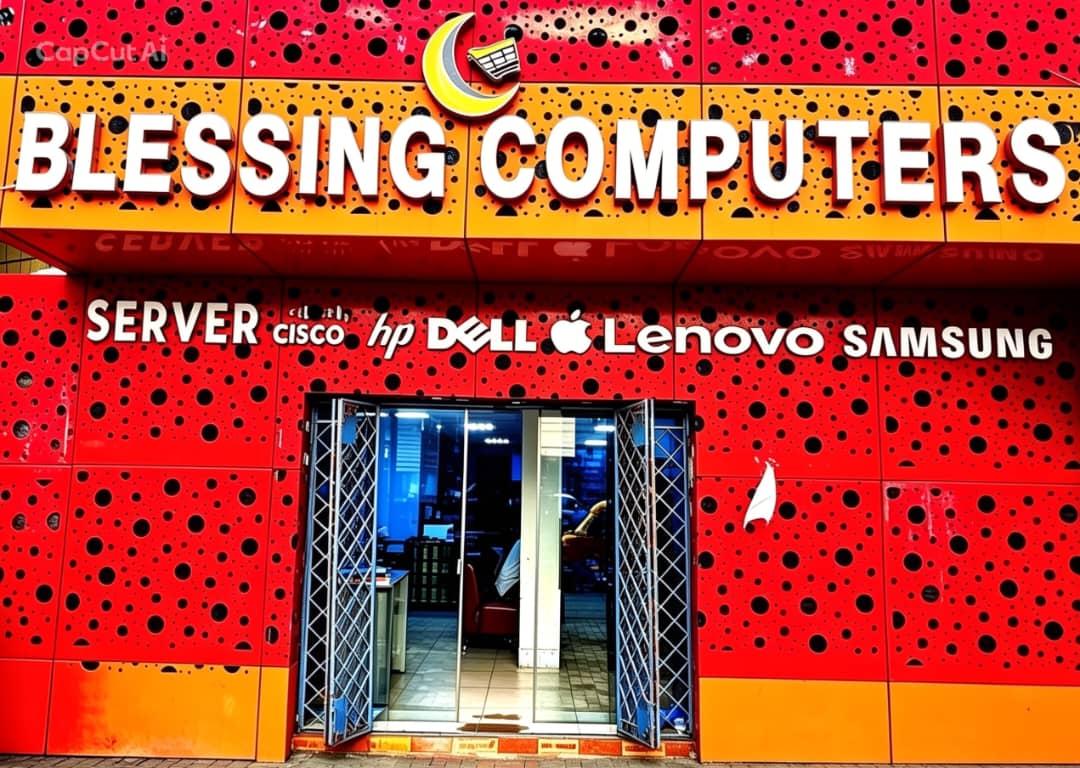
Blessing Computers marks over 20 years of building trust, expanding access to genuine technology
For more than two decades, while Nigeria’s technology landscape has evolved at a remarkable pace, one company has steadily built its reputation on a less glamorous but enduring asset—trust.
Blessing Computers Limited, established in 2003 and incorporated by the Corporate Affairs Commission (CAC), has marked over 20 years of providing genuine technology products, ICT infrastructure solutions, technical support and after-sales services to individuals, businesses, educational institutions, government agencies and corporate organisations across Nigeria and beyond, reinforcing its position as one of the country’s dependable technology solution providers.
Reflecting on the role of technology in today’s society, the company said access to reliable digital tools has become increasingly critical to personal and economic development.
According to the Managing Director/Chief Executive Officer of the company, Mr. Blessing Ikhayere Usinode, “Technology has quietly become the infrastructure of modern life. It powers how students learn, how businesses operate, how professionals deliver their best work, and how individuals stay connected to the opportunities around them.
“But access to reliable, genuine, and well-supported technology has never been evenly distributed — and for many people across Nigeria, finding a trustworthy place to start has been the first and hardest challenge.”
READ ALSO:
- UI, UCH and the Question of Inclusive Leadership
- How to apply for FG’s YouthCred loan and qualify for up to ₦2 million
- Ondo Speaker given Sunday deadline to resign or face impeachment
- Trump praises Tinubu’s anti-terror efforts as Presidency cites security progress
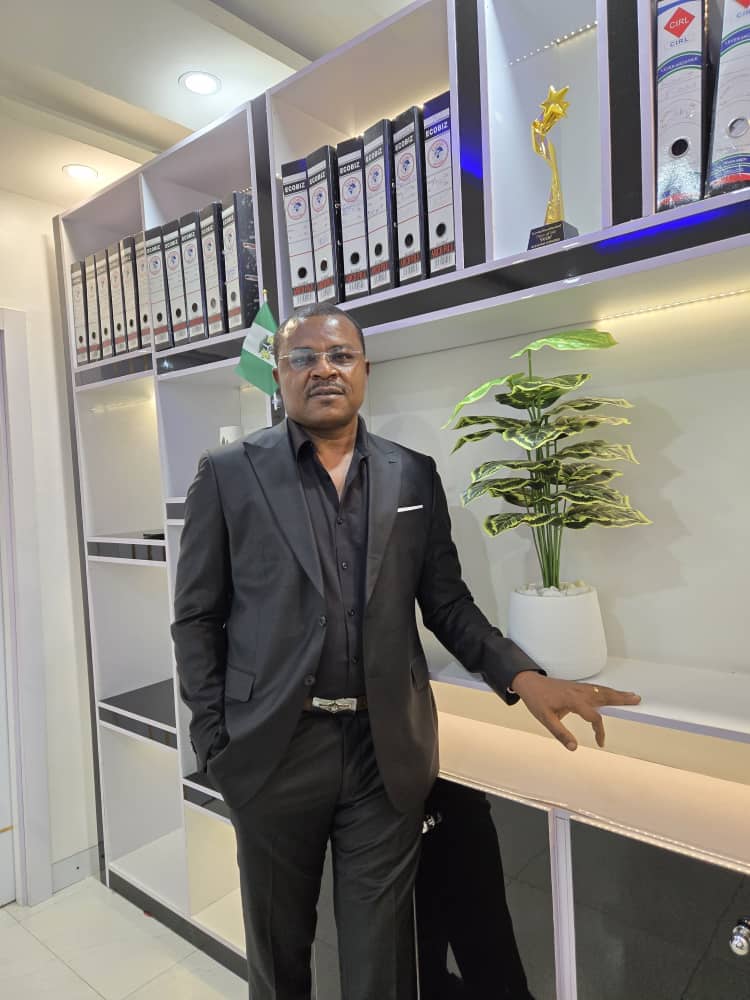
Headquartered in Computer Village, Ikeja, Lagos, Blessing Computers says its growth has been anchored on a simple philosophy of ensuring customers receive honest professional guidance, quality products and dependable support long after every purchase.
As an authorised Original Equipment Manufacturer (OEM) partner for globally recognised brands including Dell, HP and Lenovo, Blessing Computers supplies laptops, desktop computers, printers, network servers, networking equipment and a broad range of technology accessories.
It also offers products from other leading global technology manufacturers to meet the diverse needs of its growing customer base.
Beyond hardware sales, the company has expanded its offerings to include IT infrastructure deployment, system upgrades, network solutions, technical consultancy, repairs and maintenance, delivery services, deployment support, structured after-sales support and warranty management, positioning itself as a long-term technology partner rather than simply a retailer.
From its Lagos base, Blessing Computers has steadily expanded its reach across Nigeria while serving clients in international markets.
Over the years, the company said it has earned the confidence of businesses, institutions and organisations through consistent service delivery, professional expertise and an unwavering commitment to customer satisfaction.
The company says its sustained growth has been driven less by aggressive marketing than by referrals from satisfied customers and a reputation built on reliability, integrity and quality service.
Evaluating the milestone, Blessing Computers notes that technology goes beyond the devices people use every day, describing it as a critical enabler of education, business growth, productivity and economic opportunities.
The company reaffirms its commitment to delivering trusted technology products, expert technical support and innovative ICT solutions that help individuals and organisations embrace digital transformation with confidence while making reliable technology more accessible to Nigerians.
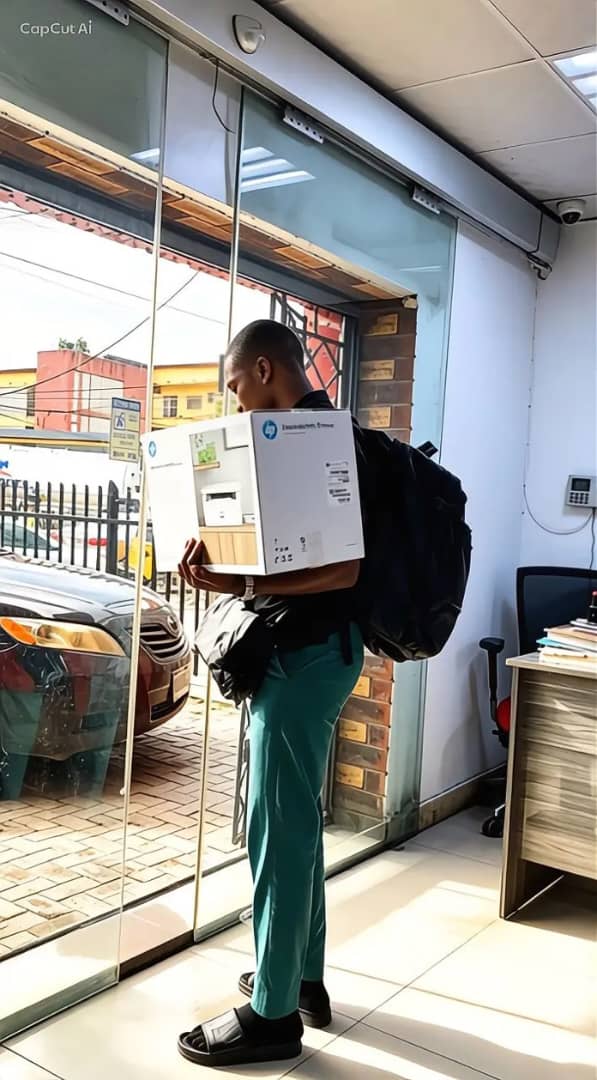
Blessing Computers marks over 20 years of building trust, expanding access to genuine technology
Business
NNPCL delivered less than 25% of expected crude under naira-for-crude programme — Dangote

NNPCL delivered less than 25% of expected crude under naira-for-crude programme — Dangote
Dangote Petroleum Refinery has disputed claims by the Nigerian National Petroleum Company Limited (NNPCL) that it fully met its obligations under the Federal Government’s naira-for-crude programme, revealing that the national oil company supplied only three of the 14 crude oil cargoes expected under the arrangement.
The refinery said the deliveries represented less than 25 per cent of the crude volumes it anticipated receiving through the initiative, forcing it to source the majority of its feedstock from international suppliers to keep operations running.
The clarification follows NNPCL’s recent assertion that it supplied all crude cargoes made available under the naira-for-crude programme and did not withhold feedstock from the 650,000 barrels-per-day Dangote Refinery.
Responding to the claim, Dangote Refinery maintained that the crude volumes supplied under the arrangement fell significantly short of its operational requirements.
According to refinery officials, the facility received only about four million barrels of crude per month, compared with an expected allocation of roughly 13 million barrels monthly under the programme. The shortfall, the company said, made it impossible to rely solely on domestic crude supplies.
To bridge the gap, Dangote Refinery said it turned to international crude suppliers, purchasing additional feedstock from global trading companies and producers in Africa, the Middle East and other oil-producing regions.
READ ALSO:
- Ebonyi moves to cap estate agents’ fees, regulate house rent
- Gaza celebrates Spain’s World Cup victory as Palestinians hail La Roja in emotional scenes
- La Liga President tells Infantino to resign, accuses FIFA of damaging football
The refinery noted that the naira-for-crude initiative remains an important policy designed to support local refining, reduce pressure on Nigeria’s foreign exchange reserves and improve the availability of petroleum products in the domestic market. However, it stressed that the programme can only achieve its objectives if adequate volumes of crude are consistently supplied to local refineries.
The disagreement comes shortly after Dangote Refinery announced plans to begin selling refined petroleum products in United States dollars, citing rising production costs caused by inadequate domestic crude supply and increased dependence on imported crude purchased at international market prices.
The company explained that buying crude in dollars while selling refined products in naira had become increasingly unsustainable, particularly amid exchange rate volatility and higher global crude prices.
Industry analysts have warned that continued reliance on imported crude could increase production costs, place additional pressure on Nigeria’s foreign exchange market and ultimately affect domestic fuel prices.
At the same time, analysts noted that higher international oil prices could improve Nigeria’s export earnings, partially offsetting some of the economic pressures associated with increased crude import costs.
For its part, NNPCL maintained that it fulfilled its obligations by delivering every crude cargo allocated under the programme, arguing that crude supply depends on production levels, availability, contractual commitments and operational schedules.
The differing positions highlight the broader challenge of ensuring sufficient domestic crude supply for local refineries despite Nigeria being Africa’s largest crude oil producer.
Since commencing operations, Dangote Refinery has increasingly relied on a combination of domestic and imported crude to maintain production. The refinery is expected to play a pivotal role in reducing Nigeria’s dependence on imported petroleum products, improving energy security and expanding exports of refined fuels across Africa.
Industry stakeholders say strengthening the implementation of the naira-for-crude policy and guaranteeing consistent crude supply to domestic refiners will be critical to achieving the Federal Government’s goal of making Nigeria self-sufficient in refined petroleum products.
NNPCL delivered less than 25% of expected crude under naira-for-crude programme — Dangote
Auto
Jetour Nigeria Unveils RELY R8, Rugged Luxury Pickup Built to Dominate Work, Adventure

Jetour Nigeria Unveils RELY R8, Rugged Luxury Pickup Built to Dominate Work, Adventure
Jetour Nigeria has unveiled the RELY R8, a premium pickup truck designed to combine rugged performance with luxury, advanced technology and exceptional versatility, setting a new benchmark for work and recreational vehicles in Nigeria.
Engineered to thrive in the country’s demanding terrain, the RELY R8 is built for agriculture, construction, logistics, security escort operations and weekend adventures, offering the toughness of a workhorse without sacrificing the comfort and refinement of a modern SUV.
The pickup boasts high ground clearance, impressive approach and departure angles, and a reinforced chassis designed to withstand harsh road conditions while delivering excellent stability, even in strong crosswinds.
Its all-terrain capability is enhanced by multiple driving modes, allowing drivers to switch effortlessly between mud, sand and paved roads. Whether tackling heavy-duty tasks or venturing off the beaten path, the RELY R8 is built to perform with confidence.
Inside, the vehicle departs from the traditional utilitarian pickup design, featuring a spacious SUV-inspired cabin that comfortably accommodates five adults while offering a premium driving experience.
Speaking on the new model, Jetour Nigeria representative, Kemi Adeola, described the RELY R8 as a perfect blend of strength, innovation and comfort.
“The RELY R8 delivers strength, reliability and advanced technology in one vehicle. It offers the capability of a modern workhorse without compromising on premium comfort or safety,” she said.
The pickup is equipped with a high-performance processor that powers its L2+ intelligent driving assistance system. It also features a 12.3-inch HD touchscreen infotainment system with Apple CarPlay, Android Auto and remote engine start for enhanced convenience.
Safety is another major highlight of the RELY R8, with features including Intelligent Cruise Control, Lane Keeping Assist and Autonomous Emergency Braking, all designed to provide greater confidence and protection on every journey.
Jetour Nigeria has continued to strengthen its presence in the country’s automotive market, earning recognition as the Fastest Growing Auto Brand in Nigeria, while its Jetour Dashing SUV won the prestigious Car of the Year award. The company has served as the sole authorised distributor of Jetour vehicles in Nigeria since 2022.
The RELY R8 is backed by comprehensive manufacturer support, genuine spare parts and professional after-sales service through Jetour Nigeria’s network of authorised dealers, including Elizade Nigeria Limited, New Era Autovehicle Services Limited, Kojo Motors, Germaine Auto Centre, R.T. Briscoe Plc, TAB Autos Limited and Mandilas Motors.
Jetour Nigeria has invited prospective customers to visit any of its authorised dealerships nationwide to book a test drive and experience firsthand the RELY R8’s blend of rugged capability, cutting-edge technology and premium comfort.
-

 metro3 days ago
Oyo High Court affirms Muslim students’ right to wear hijab in public schools
-

 metro3 days ago
JUST IN: Four police officers arrested for allegedly extorting ICPC Chairman
-
 metro3 days ago
Why every Nigerian should download the Virtual NIN token today
-

 metro3 days ago
BREAKING: Captured Ansaru leaders plead guilty to 32 terrorism charges
-

 News3 days ago
Pandemonium in Osogbo as NURTW protest shuts motor parks, police deploy tactical teams
-

 Sports3 days ago
Teenager dies, several injured as Spain World Cup celebration ends in tragedy
-
 News2 days ago
Tinubu hands major federal appointment to Fayose, names 25 others
-

 metro3 days ago
Troops arrest suspected Sudanese terrorist fighter, Ghanaian woman in Borno
You must be logged in to post a comment Login