

News
Why I won’t go back to Peter Obi – Okupe
Why I won’t go back to Peter Obi – Okupe
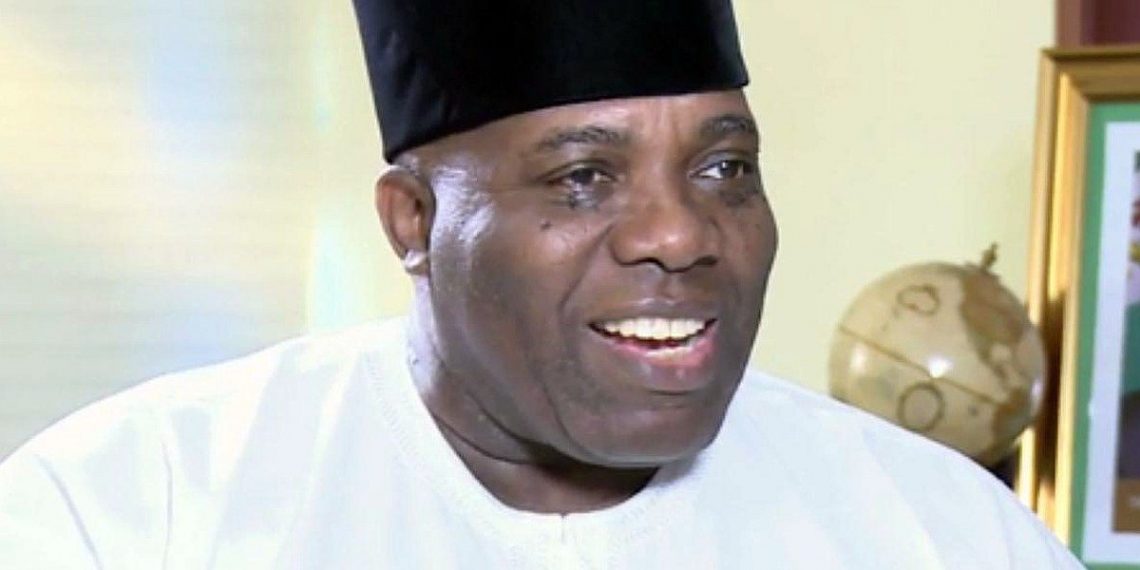
Director-General of the Labour Party’s presidential campaign in the 2023 election, Dr Doyin Okupe, has denied betraying the candidate of the party, Peter Obi.
Rather, he said it was Obi who betrayed the Peoples Democracy Party’s candidate, Atiku Abubakar, to contest the election.
According to Okupe, Obi’s presidential interest forced him to go against Atiku, who brought him into national politics.
Okupe maintained that he decided to withdraw his support for the LP presidential candidate because he was no longer interested in working with him.
The politician spoke in a viral video circulated on social media on Friday.
He said, “They said I betrayed Obi. No. How can I betray him? I started politics in 1978. Obi was nowhere else. My life and political destiny cannot be tied to Obi’s ambition. I wish Obi well, but I am done with him. We wanted to achieve something, but we couldn’t achieve it.
“Obi was the vice-presidential candidate of Atiku Abubakar in 2019. He brought him to the national limelight. Because of his own ambition, which was correct and due, Obi left the party and contested against Atiku. If people said I betrayed Obi, what did Obi do to Atiku? It is not fair.
“It is Obi’s interest in 2023 that made him go on a collision course against his former master. Obi was not my master; I was his supporter. If I supported him up to a point and decided to go back and be myself, how can that be an offence?”
Okupe disclosed that Pa Ayo Adebanjo, a leader of pan Yoruba group, Afenifere, persuaded him to support Obi.
According to him, he (Adebanjo) objected to the idea of a northerner succeeding former president Muhammadu Buhari, adding that he supported the move for the South to produce Nigeria’s president in 2023.
READ ALSO:
- DSS operatives raid kidnappers hideout in Kaduna, kill one, arrest another
- A’Ibom govt gives additional 24,000 bags of rice to the poor
- Police didn’t stop NASU, SSANU Abuja protest – CP
Okupe further stated that the collective decision to support Obi from the South-East was based on fairness.
The politician said, “Baba Adebanjo called me and said he heard that I wanted to contest for the presidential election, and I said yes. Baba said I was a troublemaker. I told Baba that he didn’t know what was happening in our party.
“PDP wanted a northerner to replace Buhari; that didn’t make sense to me. It made a mockery of our federalism and unity as a nation. It undermined my essence as a human being.
“Baba asked which section of the South should be considered if the presidency was zoned to the region. I told Baba that it was only the South-East that has not produced a president.
“Baba said we should support the South-East for the presidency and I agreed. We reviewed the presidential candidates from that region and we concluded on supporting Obi. That was what happened.”
Speaking further, Okupe said, “I went to the Press Centre in Abeokuta to declare that I was withdrawing from the race, and that I would support Peter Obi. By that time, I hadn’t met Obi. I haven’t discussed or seen him. I only knew he wanted to be president.
“Five days later, Obi called me on the phone and requested to see me. We met and discussed and he made me the Director-General of his campaign. That was how the journey with Obi started. When it was clear to us that we couldn’t get the ticket from PDP, we decided to leave the party.”
On why Obi lost the election, Okupe disclosed that the party was grossly and inadequately arranged to cover a national election, saying LP didn’t have what it took to win the presidential poll.
He said, “We ran a fantastic campaign; we did a lot of mobilisation, but we had our flaws and shortcomings. The party was grossly and inadequately arranged to cover a national election. We didn’t have what it took. The structure that covered the entire country wasn’t there.”
Reacting to Okupe’s statement, the Chairman of the Labour Party in Osun State, Bello Adebayo, said, “Obi didn’t betray anybody; it is not correct to say he betrayed Atiku because he didn’t contest the PDP presidential ticket with him in PDP.”
Why I won’t go back to Peter Obi – Okupe




Health
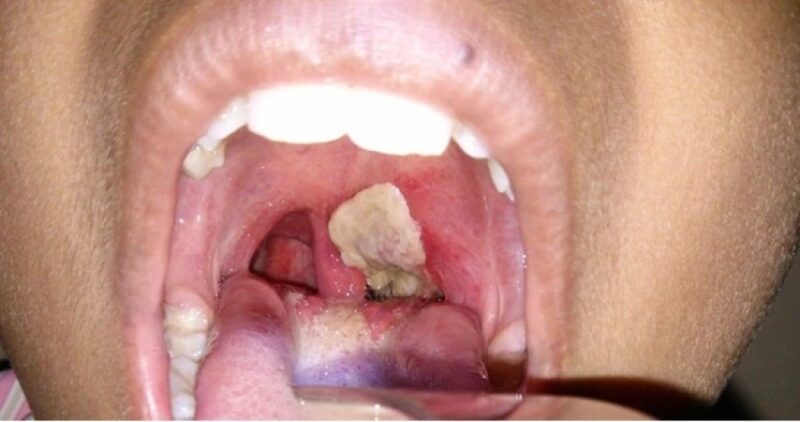
Adamawa Health Officials Report 20 Deaths from Suspected Diphtheria Cases
Adamawa Health Officials Report 20 Deaths from Suspected Diphtheria Cases
Parents and caregivers are advised to seek early medical help and update childhood vaccinations as response teams expand outreach.
Health authorities in Adamawa State are responding to a diphtheria outbreak that has caused 20 deaths across 13 local government areas. Speaking on Wednesday, State Epidemiologist Jones Steven Kadabiyu confirmed that health workers have recorded 126 suspected cases throughout the state, with six patients currently receiving medical care in local hospitals.
Diphtheria is a serious bacterial illness that spreads through airborne droplets from coughing or close personal contact. It mainly affects the throat and airway, causing sore throats, mild fevers, swollen neck glands, and difficulty swallowing or breathing.
READ ALSO:
- Kara Bridge Repairs, Multiple Crashes Trigger 14-Hour Gridlock on Lagos-Ibadan Expressway
- 2027: Court Gives Atiku Seven Days to Serve Tinubu Through APC in Eligibility Suit
- 2027: Northern Students Back Tinubu, Pledge Campus-to-Campus Mobilisation
Health officials emphasized that the biggest risk to patients has been waiting too long to visit a health center, as some families try informal remedies at home first before seeking professional medical attention.
The state government is working alongside health partners to track new cases, provide specialized antibiotics and treatments, and protect medical workers and family members.
Officials stressed that while diphtheria can affect people of any age, young children are the most vulnerable to serious complications. Parents and guardians are strongly encouraged to ensure their children are up to date on their routine vaccines and to visit the nearest clinic immediately if anyone develops throat swelling or breathing issues.
Adamawa Health Officials Report 20 Deaths from Suspected Diphtheria Cases
News
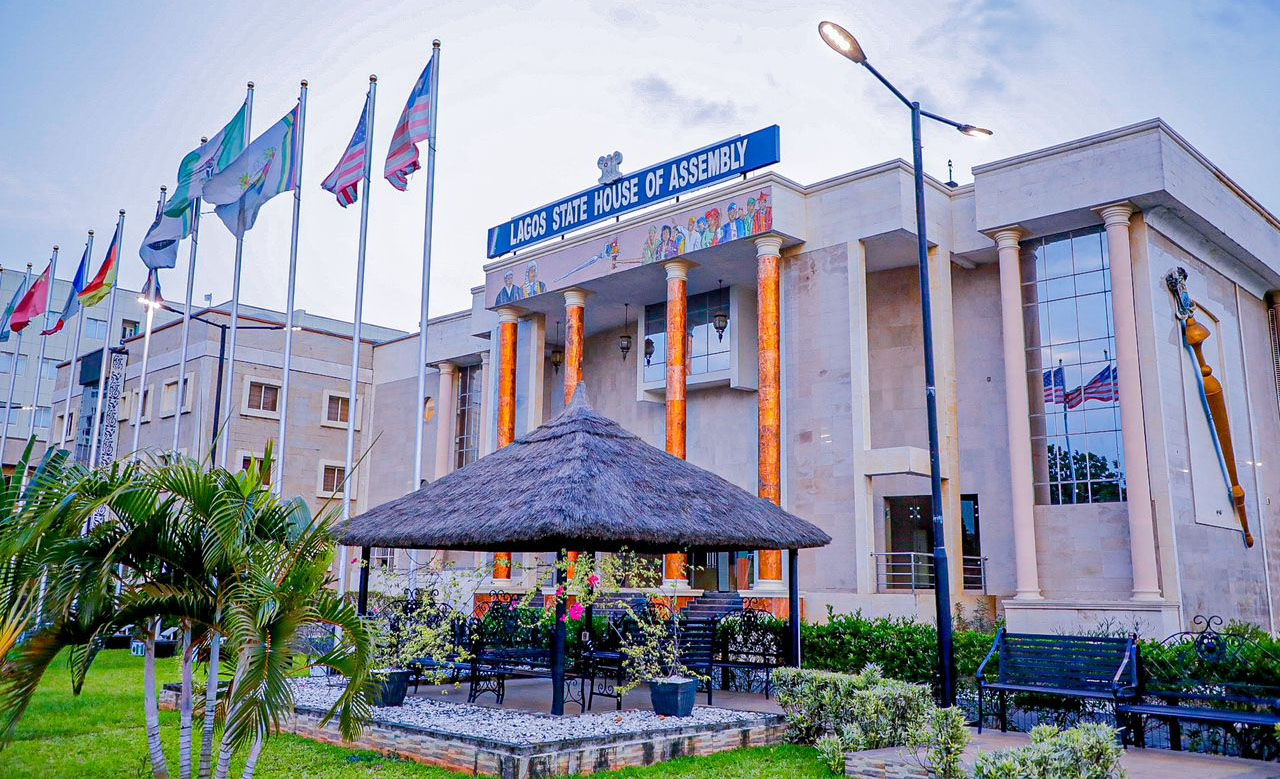
Blue Line Rail, Hospitals Get Boost as Lagos Approves ₦200bn Bond and Budget Reordering
Blue Line Rail, Hospitals Get Boost as Lagos Approves ₦200bn Bond and Budget Reordering
Following Governor Sanwo-Olu’s request, the state legislature approves expanded capital financing for the final months of the fiscal year.
The Lagos State House of Assembly has approved changes to the state’s 2026 spending plan to speed up work on key community infrastructure, including public transit lines, general hospitals, and flood prevention systems.
The decision came after Governor Babajide Sanwo-Olu requested a review of the budget to make sure government funds are directed where they are needed most during the rest of the year.
To support these priority projects, lawmakers agreed to raise the state’s infrastructure bond from ₦150 billion to ₦200 billion. Budget committee chairman Lukmon Olumoh explained that this financial adjustment will help contractors finish essential public facilities faster.
The revised funds will help extend the Blue Line train service between Mile 2 and Trade Fair Station, complete the new Massey Street Children’s Hospital, and finish the 280-bed General Hospital in Ojo.
The amended plan also sets aside funds for fixing potholes on neighborhood roads, clearing drainage channels to prevent flooding, and buying new service vehicles for sanitation and traffic teams.
Lawmakers emphasized that legislative committees will closely monitor how these funds are spent to ensure projects are delivered on schedule and within clear standards. Speaker Mudashiru Obasa confirmed that the approved bill has been sent to the governor to be officially signed into law.
Blue Line Rail, Hospitals Get Boost as Lagos Approves ₦200bn Bond and Budget Reordering
News
Keep Politics Out of My Office — Ogbomoso Grand Chief Imam Warns Politicians, Bloggers
Keep Politics Out of My Office — Ogbomoso Grand Chief Imam Warns Politicians, Bloggers
The Office of the Grand Chief Imam of Ogbomosoland has drawn a battle line against the alleged politicisation of the revered Islamic institution, warning politicians, bloggers and social media commentators to stop using the Imam’s name, image or perceived position to promote partisan interests.
The office, in a strongly worded statement issued on Tuesday, September 15, 2026, declared that the Grand Chief Imam was neither a political actor nor available to any politician, political party or interest group seeking endorsement, mobilisation or political leverage.
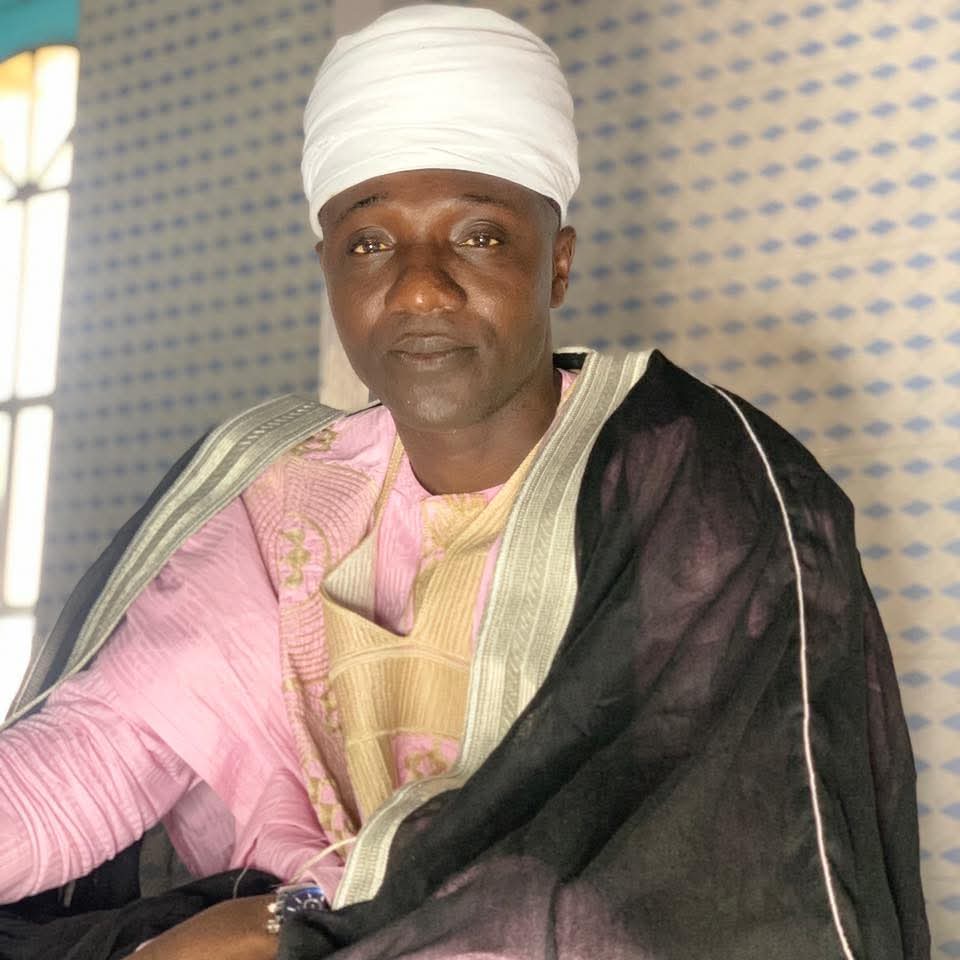
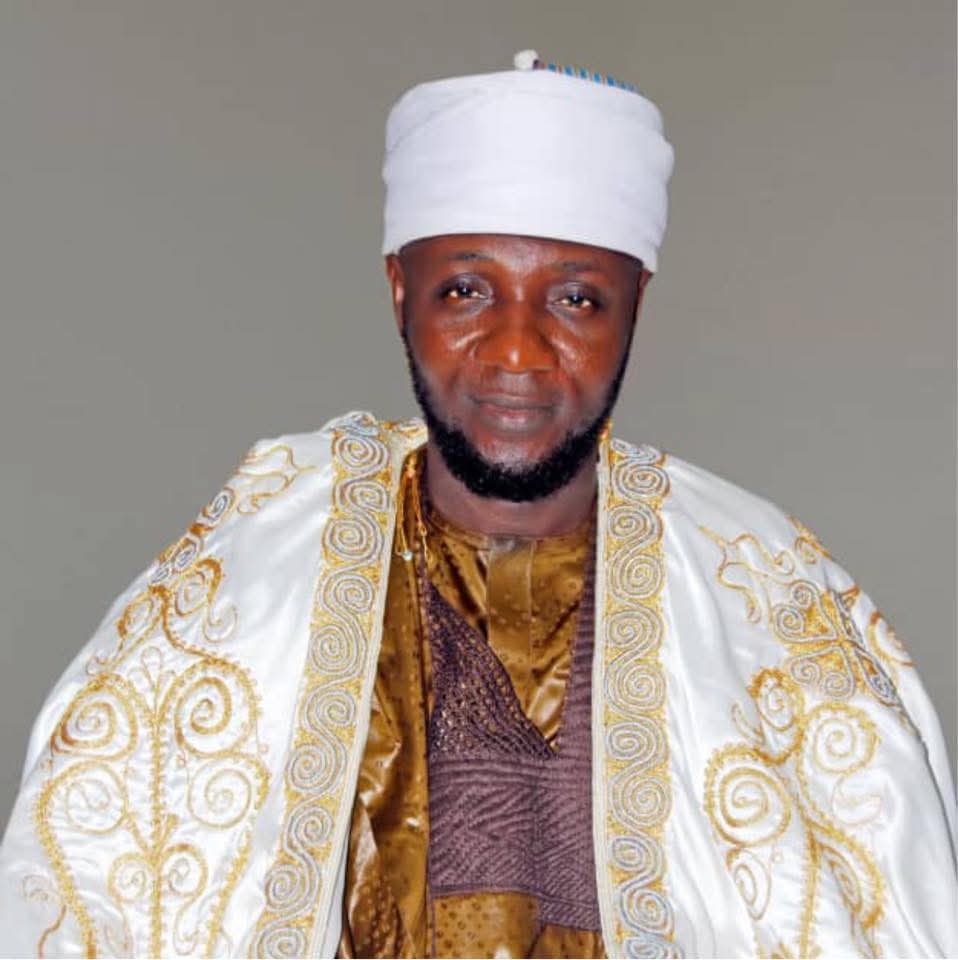
Grand Chief Imam of Ogbomosoland Toliat Yunus Ayilara
The warning, signed by the Secretary of the Office of the Grand Chief Imam, Sulaimon Ogunleye, came amid what the office described as “recent attempts” by certain media organisations, internet bloggers, political actors and their associates to drag the revered office into partisan political activities.
The office said the Grand Chief Imam occupied a spiritual position above political affiliations and was a father to the entire community, irrespective of party, ideology or individual political preference.
It stressed that his primary responsibility was to provide spiritual guidance, counsel, prayers and moral leadership to the Ummah and society.
Consequently, the office declared that its position on partisan politics remained “uncompromisingly neutral.”
‘Nobody should drag Imam into politics’
In a stern message to politicians and their associates, the office warned against attributing political endorsements or directives to the Grand Chief Imam.
It maintained that while individual members of the community remained free to support whichever candidate they preferred, such personal choices must not be presented as the position of the Grand Chief Imam.
The office also urged citizens to approach the forthcoming elections as responsible voters by scrutinising candidates, interrogating their records and promises, demanding accountability and making their choices freely at the polls.
“Every citizen has the right to support and vote for the candidate of his or her choice; however, no individual or political interest has the right to attribute such political choices to the Grand Chief Imam or his Office,” it stated.
‘Stop using Imam’s image, statements for political purposes’
The office subsequently issued a direct cease-and-desist warning to media organisations, bloggers, political actors, social media commentators and other individuals.
They were warned against using the Grand Chief Imam’s name, image, statements or perceived position for political purposes.
The office also condemned the alleged publication and circulation of fabricated statements, photographs, videos and other materials capable of creating what it described as a false impression that the Imam or his office had endorsed a candidate or political party.
It further warned against exploiting the revered office for political influence, leverage or personal clout.
“For the avoidance of doubt, no political endorsement should be attributed to the Grand Chief Imam,” the statement declared.
Defamation: Imam’s office threatens fresh legal action
The office took the warning a step further, declaring that the latest statement should not be interpreted as a mere expression of displeasure.
According to the statement, the office had, a few weeks earlier, issued another warning over alleged defamatory publications by certain bloggers.
It claimed that following the earlier intervention, legal proceedings were instituted and several persons were currently facing prosecution before the courts.
Against that background, the office described Tuesday’s warning as a “final and unequivocal” notice.
It warned that anyone or any organisation that knowingly publishes, circulates or disseminates what the office considers false, defamatory or malicious material concerning the Grand Chief Imam or his office would face civil and criminal proceedings without further notice.
The office also vowed to identify and preserve evidence against alleged offenders, report them to relevant authorities and pursue prosecution, including individuals operating anonymously or through digital platforms.
‘Don’t turn Ogbomoso’s religious institutions into political battlegrounds’
The Grand Chief Imam also appealed for calm and unity among the people of Ogbomosoland as political activities intensify ahead of the forthcoming elections.
The office warned that political differences must not be allowed to tear the community apart or turn sacred institutions into instruments of partisan competition.
“The people are free to choose their leaders,” the statement declared.
However, it stressed that the Office of the Grand Chief Imam would remain above partisan politics.
The public was therefore urged to disregard any purported political endorsement, statement or directive attributed to the Grand Chief Imam unless officially issued by the appropriate office.
The office reaffirmed its commitment to peace, justice, responsible citizenship and the spiritual and social wellbeing of the people of Ogbomosoland, while praying for Allah’s continued guidance and ease in the affairs of the community.
Keep Politics Out of My Office — Ogbomoso Grand Chief Imam Warns Politicians, Bloggers
-
 Politics2 days ago
2027: Northern Lecturers Back Tinubu, ASUU Disowns Endorsement
-
 News3 days ago
Adeleke Orders Arrests After Associate Ajagungbade Is Reportedly Killed in Ife
-

 metro2 days ago
Police Arrest Mother Over Alleged Brutal Abuse of 7-Year-Old Girl in Anambra
-

 Sports1 day ago
‘I Was Never the Chosen One’ — Dembele Responds to Mbappe
-
 News2 days ago
Nwifuru Dismisses Cubana Chief Priest as ‘Attention-Seeker’
-

 Education1 day ago
JAMB Moves 2027 UTME Time — Here’s What Candidates Need To Know
-
 Politics2 days ago
2027: Sowore Promises ₦500,000 Minimum Wage, Free Education, 24-Hour Electricity
-

 metro3 days ago
2027: LP Chieftain Sues WAEC, UNN, NYSC Over Peter Obi’s Credentials