

International
Kamala Harris set to name running mate ahead of swing state tour
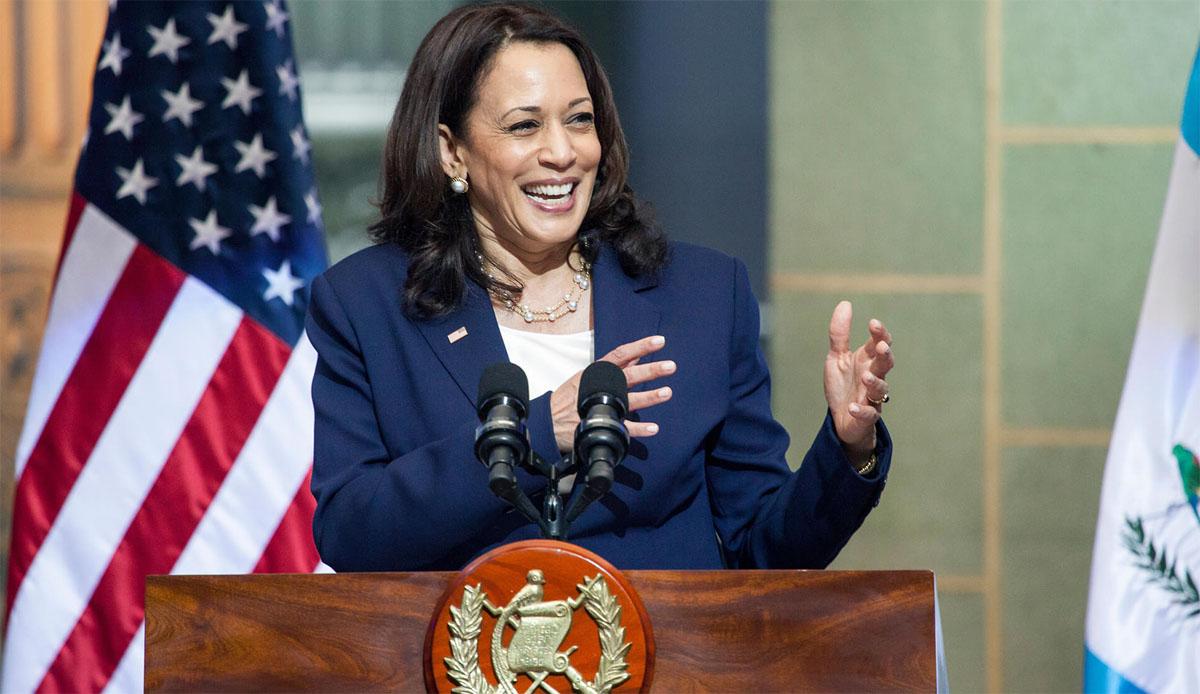
Kamala Harris set to name running mate ahead of swing state tour
WASHINGTON: A new poll confirmed Sunday that Kamala Harris — set to name her vice presidential pick imminently — has drawn level with Donald Trump, transforming a White House race that the Republican had been increasingly confident he was going to win.
As the November 5 election rapidly approaches, Harris has erased the growing lead that Trump was building before President Joe Biden dropped his reelection bid.
According to the CBS News/YouGov poll released Sunday, Harris has a one percent advantage on Trump nationwide — compared to Trump’s previous five point edge on Biden.
In the swing states that decide the Electoral College contest in US elections, Harris and Trump — who shocked the world with his 2016 presidential victory but was beaten by Biden in 2020 — are equal.
These are considered good numbers for a Democratic candidate who parachuted into the race only last month, when Biden bowed to mounting concerns over his mental acuity and ability at 81 years old to serve a second term.
But Harris, who is Biden’s vice president and the first Black and South Asian woman ever in the role, is in a sprint to define herself to voters before Trump does.
A big moment in that process will be when Harris announces her choice for running mate in a historic bid to become America’s first female president.
“It’s her first major decision that she’s making as an executive, so it tells you about her thought process,” Amy Walter, a polling expert from Cook Political Report newsletter, told CBS News.The CBS poll, which echoes numerous other surveys indicating rapid gains by Harris, shows that Trump is still favored by voters on the key issue of the economy.
READ ALSO:
- Protesters threaten greater showdown, business shutdown after Tinubu broadcast
- Mali cuts diplomatic ties with Ukraine over Wagner ambush claims
- Protest: Hoodlums attack Katsina church, vandalise property, loot items (Video)
Only 25 percent said they expected to be better off financially if Harris wins, compared to 45 percent who said so about Trump.
However, when it comes to trust in the candidates’ temperament, the poll shows voters prefer the former California prosecutor to Trump, a convicted felon who has made a career out of publicly insulting those who oppose him — including while president.
The issue of cognitive health, which used to bedevil Biden, is now a liability for 78-year-old Trump, the poll found. Only 51 percent of respondents thought Trump is mentally capable for the presidency, compared to 64 percent for Harris.
The Democrats believe that if you “make this referendum on Trump rather than a referendum on the current state of the economy, then we have a real opportunity to win,” Cook said.
Trump was riding high politically last month after surviving an assassination attempt at a rally, then using the Republican convention to highlight his image of vigor against the physically frail Biden.
But with Biden’s dramatic exit and Harris’s fast start, he’s scrambling to recalibrate.
At a rally on Saturday in the swing state of Georgia, Trump called Harris a “Marxist” and a “radical left freak,” claiming she would cause an “economic crash.” On Wednesday, he shocked many when he told an audience of Black journalists that Harris had “turned Black” out of political expediency.
On Saturday, the Harris campaign said Trump was “scared” to debate her after he turned down a previously scheduled televised debate on ABC, while saying he’d be ready to debate her on Fox News — a network that has for years given him support.
Who will she choose as runningmate?
All paths to the White House run through a handful of swing states, and Harris will kick off her five-day run Tuesday in the largest — Pennsylvania — as she builds momentum for her showdown with Republican Donald Trump on November 5.
Expectations are that Harris will pick a white man to balance the ticket — and likely a moderate Democrat who would help counterweigh attacks on Harris from Republicans that she is too far to the left.
The three figures seen as heading the short list — Minnesota Governor Tim Walz, Pennsylvania Governor Josh Shapiro and Senator Mark Kelly of Arizona — were all visiting Harris in Washington on Sunday, The Washington Post reported.
“At this moment, we face a choice between two visions for our nation: one focused on the future and the other on the past… This campaign is about people coming together, fueled by love of country, to fight for the best of who we are,” she posted on X.
Fresh from winning enough delegate votes to secure the Democratic nomination, the country’s first female, Black and South Asian vice president heads into the national convention in Chicago in two weeks in total control of her party.
In a campaign that is barely two weeks old, the 59-year-old former prosecutor has obliterated fundraising records, attracted huge crowds and dominated social media on her way to erasing the polling leads Trump had built before President Joe Biden quit the race.
Next on the agenda is a vice presidential pick, with an announcement expected any time before her rally Tuesday evening alongside the mystery nominee in Philadelphia, Pennsylvania’s largest city.
The Keystone State is the most prized real estate among the closely fought battlegrounds that decide the Electoral College system.
It is part of the “blue wall” that carried Biden to the White House in 2020, alongside Michigan and Wisconsin — two states where Harris is due to woo crowds on Wednesday.
Pennsylvania is governed by 51-year-old Democrat Shapiro, a frontrunner in the so-called “veepstakes” shortlist.
Later in the week, Harris will tour the more racially diverse Sun Belt and southern states of Arizona, Nevada, Georgia and North Carolina, as she seeks to shore up the Black and Hispanic vote that had been peeling away from the Democrats.
Just a month ago, Trump was in cruise control, having opened a significant lead in swing state polling after a dismal debate performance by Biden, with the Republican tycoon keeping the country in suspense over his own vice presidential pick.
Trump’s White House bid was upended on July 21 when 81-year-old Biden, facing growing concerns about his age and lagging polling numbers, exited the race and backed Harris.
Energetic and two decades younger than 78-year-old Trump, the vice president has made a fast start, raising $310 million in July, according to her campaign — more than double Trump’s haul.
While Biden made high-minded appeals for a return to civility and the preservation of democracy, Harris has focused on the future, making voters’ hard-fought “freedom” the touchstone of her campaign.
She and her allies have also been more aggressive than the Biden camp — mocking Trump for reneging on his commitment to a September 10 debate and characterizing the convicted felon as an elderly crook and “weird.”
While she has disavowed some of the leftist positions she took during her ill-fated 2020 primary campaign, Harris hasn’t given a wide-ranging interview since jumping into the race, and rally-goers will look for more detail on her plans for the country.
Meanwhile Trump and his Republicans have struggled to adapt to their new adversary or hone their attacks against Harris — at first messaging that she was dangerously liberal on immigration and crime, before suggesting she was lying about being Black.
Kamala Harris set to name running mate ahead of swing state tour
ARAB NEWS








International
US Offers $20m Reward, Relocation for Information on Iran’s Nuclear Programme
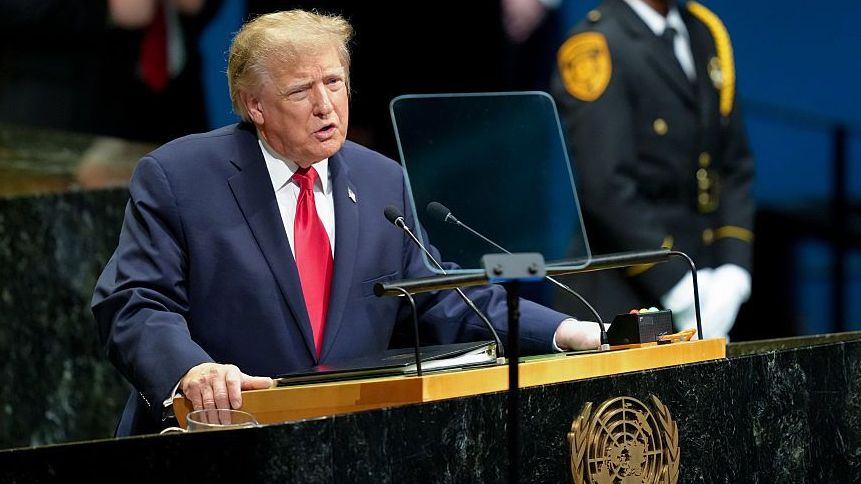
The United States has announced a reward of up to $20 million, alongside the possibility of relocation, for anyone who provides credible information about Iran’s nuclear programme, including its facilities, equipment and personnel.
The offer was announced by the US Department of State through its Rewards for Justice programme and publicised by the US Central Command (CENTCOM) on Friday, November 6, 2026.
According to the announcement, the reward covers information about Iran’s nuclear facilities, equipment and individuals associated with the programme, including members of the scientific community.
The US is also seeking intelligence about the movement of any of the facilities, equipment or personnel connected to the programme.
The Rewards for Justice programme said the offer could provide informants with up to $20 million and the possibility of relocation, although it did not specify the exact criteria for determining the amount payable for particular information.
The initiative is part of Washington’s efforts to obtain intelligence on Iran’s nuclear activities amid continuing tensions between the two countries over Tehran’s nuclear ambitions.
In explaining the decision, the US State Department referred to concerns raised by the International Atomic Energy Agency (IAEA) about Iran’s uranium enrichment activities and its compliance with international nuclear safeguards.
The department said the IAEA reported in 2025 that Iran was enriching uranium to 60 per cent purity, a level significantly higher than the enrichment required for most civilian nuclear applications and relatively close to the 90 per cent generally associated with weapons-grade uranium.
READ ALSO:
- ‘Stop Blaming Us’, APC Tells Atiku, ADC Over Court Judgment
- Atiku to Tinubu: You Cannot Use Courts to Escape Nigerians’ Verdict
- University Funding Crisis: States Beg FG to Take Over Cash-Strapped Institutions
According to the US government, further enrichment of Iran’s existing stockpile could potentially produce enough material for several nuclear weapons.
Washington also accused Tehran of failing to meet its safeguards obligations to the IAEA, saying the agency had lost what it described as its “continuity of knowledge” regarding Iran’s production and inventory of important nuclear components, including centrifuges.
Centrifuges are machines used to enrich uranium by increasing the concentration of the uranium-235 isotope.
The United States maintains that Iran’s nuclear activities pose a security concern, although Tehran has consistently insisted that its nuclear programme is peaceful and intended for civilian purposes.
The Rewards for Justice programme was established in 1984 under the US government’s national security rewards initiative. It is administered by the State Department’s Bureau of Diplomatic Security and offers financial incentives for information that protects American lives and advances US national security interests.
The latest offer comes amid continuing diplomatic efforts to address the nuclear dispute and prevent further escalation of the conflict involving the United States and Iran.
US President Donald Trump has repeatedly claimed that American military operations have severely damaged Iran’s nuclear capabilities. However, Washington continues to seek intelligence about the programme, including the location of facilities and the activities of individuals connected to it.
Trump said on Friday that Iran was interested in reaching an agreement with Washington, adding that discussions were ongoing.
Iranian President Masoud Pezeshkian has also indicated that his government remains interested in resolving the crisis through dialogue.
The latest $20 million offer signals that the United States is continuing to pursue intelligence on Iran’s nuclear infrastructure even as diplomatic efforts to address the dispute remain underway.
US Offers $20m Reward, Relocation for Information on Iran’s Nuclear Programme
International
Abdul El-Sayed, Seven Other Muslims Make History In US Midterm Elections
Abdul El-Sayed, Seven Other Muslims Make History In US Midterm Elections
Muslim Candidates Also Secure State Senate Seats In New York, Illinois And Georgia
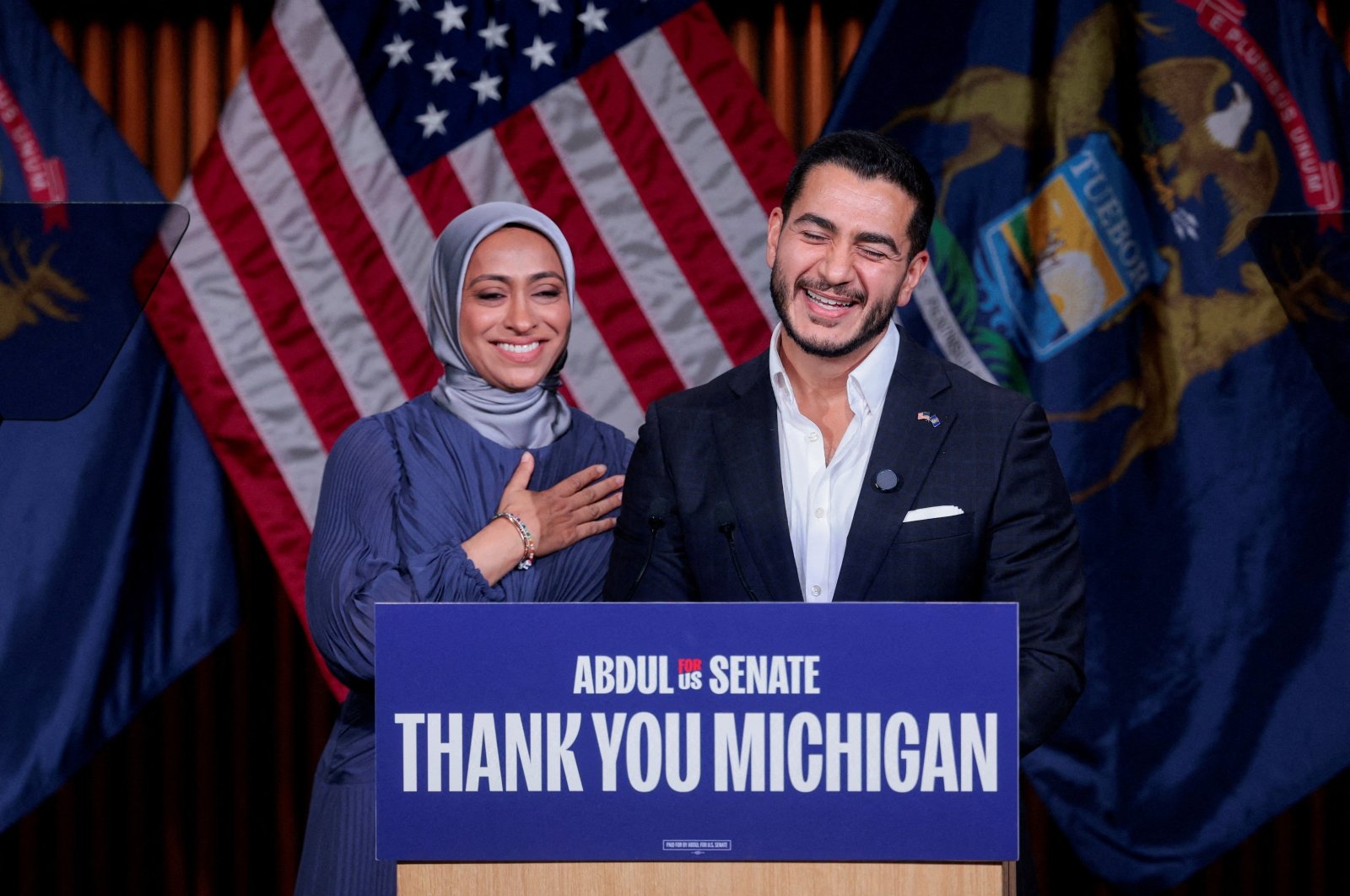
WASHINGTON, United States — Muslim candidates have recorded significant electoral victories in the November 3, 2026, United States midterm elections, with Democrat Abdul El-Sayed making history as the first Muslim elected to the US Senate, while at least seven other Muslim candidates secured seats in the House of Representatives.
The electoral successes, which also saw Muslim politicians win state legislative positions across different parts of the country, represent a significant development in the political participation and representation of Muslim Americans.
El-Sayed’s victory in Michigan’s Senate election stands out as one of the most remarkable achievements of the elections, breaking a longstanding barrier for Muslim representation in the upper chamber of the US Congress.
The physician and former public health official defeated Republican challenger Mike Rogers in the contest, securing a seat in the Senate and making history as the first Muslim American elected to the institution.
His victory adds a new dimension to the growing influence of Muslim politicians in American public life, particularly at a time when debates over immigration, civil rights, healthcare and US foreign policy continue to shape the country’s political landscape.
Beyond El-Sayed’s historic achievement, Muslim candidates also recorded notable victories in the House of Representatives.
Among them is Congresswoman Ilhan Omar, who secured re-election in Minnesota’s 5th Congressional District.
Omar, one of the most prominent Muslim politicians in the United States, has remained a major voice in congressional debates involving immigration, healthcare, civil rights and American foreign policy.
Another incumbent, Rashida Tlaib, also retained her seat representing Michigan’s 12th Congressional District.
Tlaib, who has consistently advocated Palestinian rights and criticised US military support for Israel, remains one of the most recognisable Muslim lawmakers in the American legislature.
Democratic Congressman André Carson equally secured another term representing Indiana’s 7th Congressional District, extending his presence as one of the longest-serving Muslim members of the US Congress.
In California, Lateefah Simon won re-election in the 12th Congressional District, while Adam Hamawy secured victory in New Jersey’s 12th Congressional District.
Hamawy’s victory is particularly significant because he becomes the first Muslim to represent New Jersey in the US Congress.
Another notable winner was Darializa Avila Chevalier, who secured New York’s 13th Congressional District.
The congressional victories bring the number of Muslim candidates elected to the US House of Representatives to at least six, in addition to El-Sayed’s historic Senate victory.
Muslim women also recorded significant achievements in state legislative elections.
In New York, Aber Kawas won the State Senate’s 12th District, marking an important milestone for Palestinian-American political representation.
Similarly, Nabeela Syed secured victory in Illinois State Senate District 26, defeating Republican incumbent Darby Hills.
In Georgia, Palestinian-American politician Ruwa Romman also won the State Senate District 7 contest, further strengthening Muslim representation in the state’s political institutions.
The victories came amid a major political shift in Washington, with Democrats recording significant gains in the midterm elections, creating fresh political challenges for President Donald Trump’s Republican administration.
The elections were contested against the backdrop of intense debates over the economy, immigration, healthcare, civil liberties and America’s foreign policy, particularly its relationship with Israel and the Palestinian question.
Muslim candidates have increasingly become visible in these debates, with several advocating policies involving civil rights, humanitarian assistance, healthcare access, immigration and social justice.
Reports published after the elections indicated that at least 36 Muslim candidates had won or were leading in various federal, state and local contests, although some results remained subject to further counting and verification.
The Council on American-Islamic Relations (CAIR) had earlier tracked more than 160 Muslim-American candidates seeking elective positions across different levels of government.
The latest victories therefore represent another important chapter in the political participation of Muslim Americans, whose representation has continued to expand in America’s democratic institutions.
With El-Sayed’s historic Senate victory, the successes of Muslim congressional candidates and the emergence of other Muslim lawmakers in state legislatures, the 2026 midterm elections have delivered a significant boost to Muslim political representation in the United States.
However, unofficial election projections and results remain subject to formal certification by the relevant electoral authorities.
Abdul El-Sayed, Seven Other Muslims Make History In US Midterm Elections
International
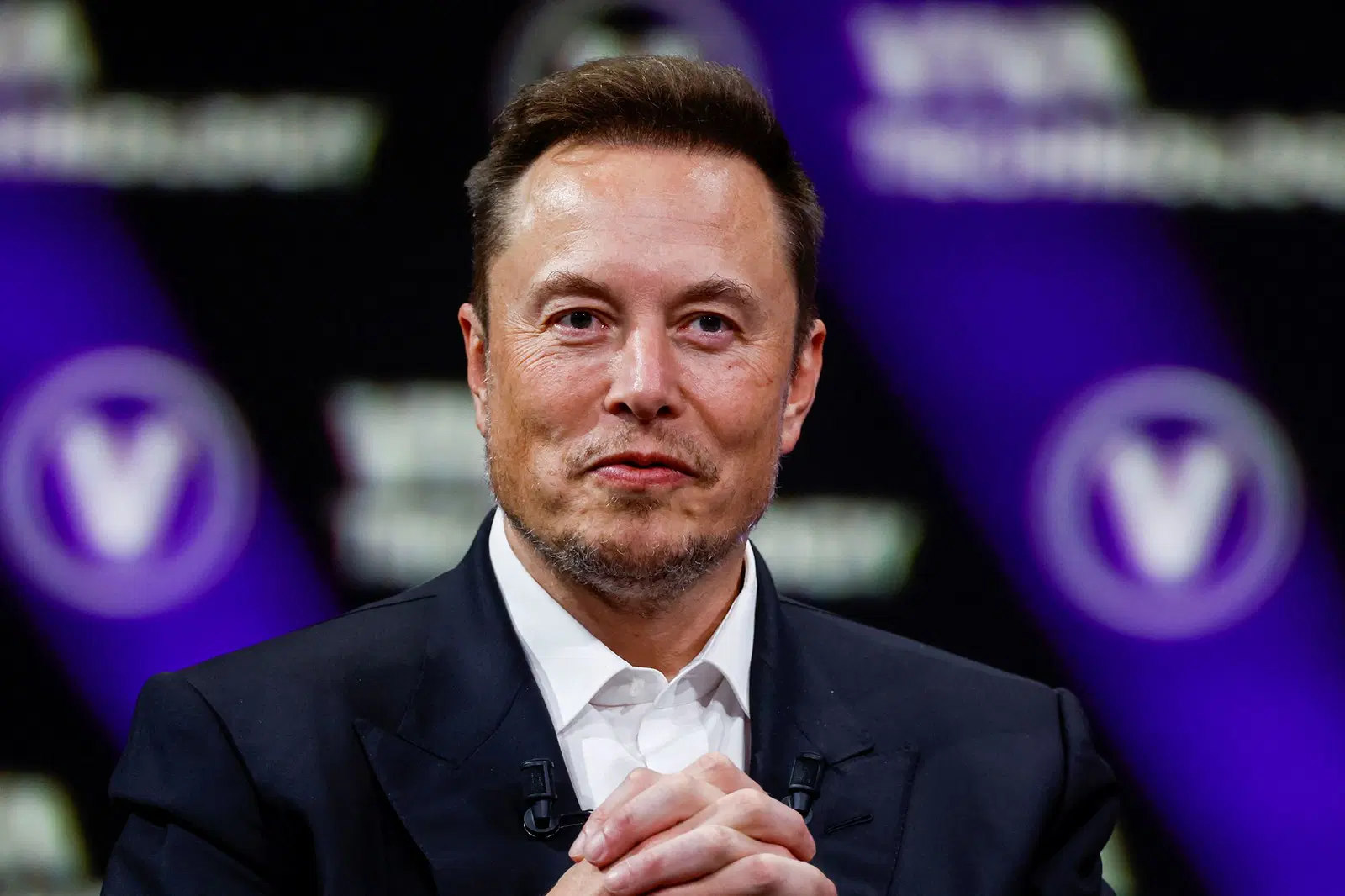
Musk Breaks Silence After $458M Gamble Backfires in Historic Democratic Sweep
Musk Breaks Silence After $458M Gamble Backfires in Historic Democratic Sweep
WASHINGTON, D.C. — Billionaire technology entrepreneur Elon Musk has broken his silence following a stunning Democratic victory in the 2026 United States midterm elections, making sarcastic remarks after spending hundreds of millions of dollars to support Republican candidates who suffered major electoral setbacks.
Musk, the world’s richest man and founder of SpaceX and Tesla, reportedly committed approximately $458 million to political groups and candidates backing Republicans in the elections, making him the biggest individual political donor in the 2026 election cycle.
However, the massive financial investment failed to prevent Democrats from securing a sweeping victory, taking control of both chambers of Congress and recording significant gains in several traditionally Republican strongholds.
Reacting to the outcome on Tuesday night, Musk took to his social media platform, X, where he appeared to make light of the electoral setback.
“Data centers in space looking pretty appealing right now,” he wrote.
In another post, the billionaire added: “Guess my election-interfering space lasers didn’t work this time.”
The comments, which attracted considerable attention online, appeared to reflect his frustration with the outcome, although they were delivered in his characteristic sarcastic style.
Musk’s political investment had been directed towards strengthening Republican chances of retaining control of Congress, with substantial financial backing going to political action committees and groups supporting candidates across several states.
One of the most expensive political battles involved Texas, where Musk reportedly spent more than $200 million supporting Republican Senate candidate Ken Paxton.
Despite the enormous financial backing, Democratic candidate James Talarico defeated Paxton, delivering a major blow to the Republican campaign and another setback for Musk’s political influence.
Other Republican-backed candidates also suffered significant defeats, reinforcing the scale of the Democratic resurgence.
The results have raised fresh questions about the influence of wealthy political donors in American elections, particularly whether massive campaign spending can overcome voter dissatisfaction with government policies and political leadership.
Meanwhile, Musk appeared to acknowledge the significance of the election outcome when he reacted with a brief “Interesting” to exit polling data suggesting that although Republican voters remained supportive of President Donald Trump’s immigration policies, the ongoing conflict involving Iran had become a major electoral liability for the party.
The election results suggest that economic concerns, rising living costs and dissatisfaction with the Trump administration, alongside the Iran conflict, played significant roles in shaping voters’ decisions.
The Democratic victories have also created a major political challenge for Trump, whose administration is expected to face increased congressional scrutiny during the remaining two years of his presidency.
With Democrats now controlling both chambers of Congress, the party will have greater power to obstruct Republican legislative proposals, scrutinise government activities and investigate policies of the Trump administration.
For Musk, the outcome represents a significant setback after his unprecedented financial involvement in the election cycle.
Although political donations do not automatically translate into electoral victories, the results have reignited debate over the limits of billionaire influence in American democracy.
His latest comments also suggest that the billionaire may be turning his attention back to his ambitious space technology projects as the political consequences of the Democratic victory begin to unfold.
Musk Breaks Silence After $458M Gamble Backfires in Historic Democratic Sweep
-

 metro3 days ago
Bandits Demand Over ₦100m Ransom for 15 Abducted Islamiya Students in Niger
-
 metro3 days ago
FG’s N50,000 Relief: OPay Details Eligibility Check Process, Issues Strong Warning Against Scams
-
 International3 days ago
Musk Breaks Silence After $458M Gamble Backfires in Historic Democratic Sweep
-

 News3 days ago
Omoda and Jaecoo Race Past 1.4m Sales, Expand Push into AI, Electrification
-

 Politics3 days ago
Appeal Court Upholds INEC’s Recognition of Wike-Backed PDP Leadership, Dismisses Turaki Faction’s Suit
-

 International3 days ago
Abdul El-Sayed, Seven Other Muslims Make History In US Midterm Elections
-
 News3 days ago
Tinubu Reveals How He Worked As Taxi Driver In US Before Becoming Nigeria’s President
-

 Politics3 days ago
Rufai, Abati Clash Over Natasha’s Cash Empowerment Programme in Kogi