

News
Obaseki inherited N55bn debt, left N410bn behind – Transition report

Obaseki inherited N55bn debt, leaving N410bn – Transition report
The Transition Committee of the All Progressives Congress has recommended a probe into N410 billion in local and foreign debts allegedly owed by the Edo State government.
The committee made the recommendation on Monday in its report presented to Monday Okpebholo ahead of his inauguration on Tuesday as Edo’s fifth democratically elected governor.
Presenting the document, Pius Odubu, the chairman of the committee, said the committee was presented with N410 billion in debts as against the N55 billion inherited by the outgoing government in 2016.
“For those of you who have the capability to fact-check, you will find out that the indebtedness today is much more. It is over N500billion,” he said.
Odubu, an erstwhile deputy governor, said the committee also recommended a review of memoranda of understanding on the management of Central and Stella Obasanjo hospitals.
READ ALSO:
- Appeal Court President raises special panel on Rivers crisis
- Disaster in Ekiti as funeral guests get drowned during swimming
- Finally, marketers, Dangote refinery agree on direct fuel supply
“All employment carried out in the recent past should be cancelled, while the governor should investigate the true ownership of the Ossiomo power plant and Radisson Blu Hotel.
“The same with the Museum of West Africa Arts-MOWAA. We deserve to know the state’s equity in these companies as the outgoing government went blank on these enquiries.
“We also demanded a comprehensive review of the World Bank-funded EdoBest programme, and a probe should be instituted to uncover its rather opaque operations,” he said.
Odubu added, “All major contracts issued by the state government under the Ministry of Roads and Bridges should be reviewed as they appear not to have followed due process, including the payment advance awarded to the contractors.
“The procurement agency indicted the government in its own report to the transition committee. Hence, we have advised the incoming governor to take a critical review.”
The committee chairman also called for streamlining the ICT ecosystem in the state, which he said appeared to be a duplication of duties.
“The outgoing government didn’t provide audited financial statements published or unpublished. Hence, the committee is advising the government to institute an inquiry into this.
“The government couldn’t account for the number of teachers in the state. Hence, we demand a proper teacher headcount,” Mr Odubu said.
The committee chairman said the document, comprised of a 24-page report and 800 annexures, was a product of three weeks of rigorous assignments, meetings, interactions, engagements and analyses of the documents presented to the committee.
Obaseki inherited N55bn debt, leaving N410bn – Transition report
(NAN)










News
FG Plans 2027 Electricity Subsidy Phase-Out, Targets Power Sector Debt
FG Plans 2027 Electricity Subsidy Phase-Out, Targets Power Sector Debt
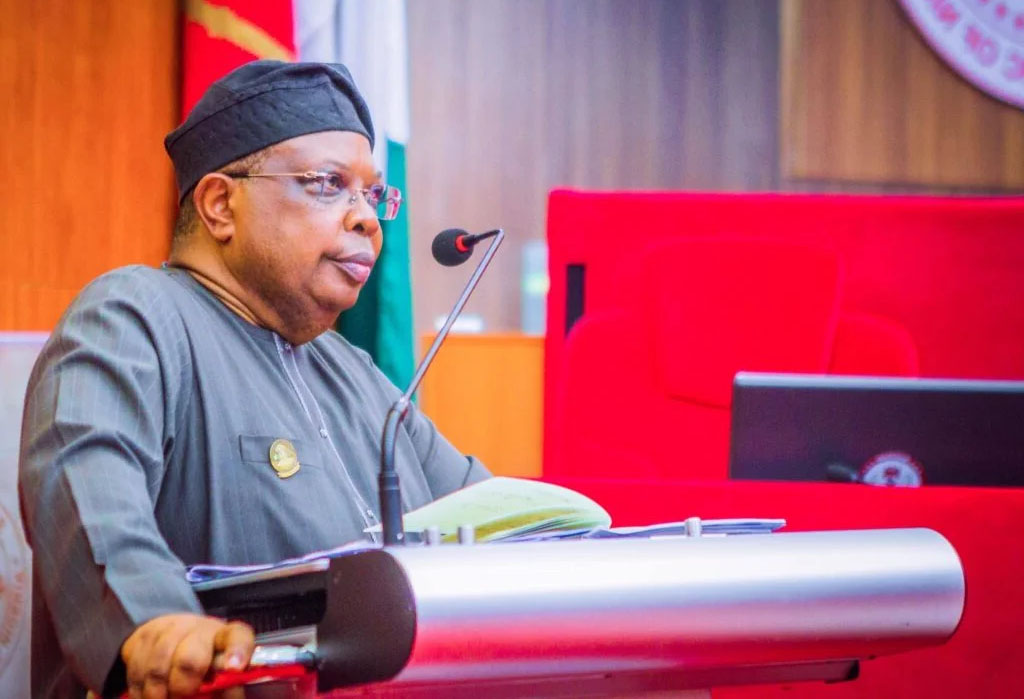
The Federal Government plans to begin phasing out electricity subsidies from 2027 as part of a wider effort to restore financial stability to Nigeria’s power sector, improve electricity supply and prevent the accumulation of fresh liabilities.
Minister of Power Joseph Tegbe disclosed the plan while outlining the government’s reform agenda, saying the administration of President Bola Ahmed Tinubu was working to clear legacy obligations in the electricity market and establish a more sustainable funding structure.
Tegbe said the planned withdrawal of the subsidy should not be interpreted as an immediate increase in electricity tariffs.
The minister has repeatedly stated that there is currently no government policy to increase electricity tariffs beyond their existing levels, stressing that the immediate priority is to improve service, expand access and ensure consumers pay for electricity actually supplied to them.
He also said the government was developing measures to protect vulnerable electricity consumers as the reform progresses.
The planned subsidy phase-out comes against the background of a major financial crisis in the Nigerian Electricity Supply Industry (NESI). The government has had to cover part of the difference between the cost of supplying electricity and the amount recovered through tariffs, while unpaid obligations have accumulated across the electricity value chain.
Recent figures cited by industry reports indicate that the Federal Government covered about ₦358.32 billion of electricity generation costs in the first quarter of 2026 alone.
Between April 2025 and April 2026, distribution companies reportedly issued electricity invoices worth about ₦3.16 trillion, with the government expected to cover about ₦1.86 trillion as subsidy for customers whose tariffs remained below cost-reflective levels.
The burden has added to the financial pressures facing generation companies, gas suppliers and other participants in the electricity market, limiting their ability to maintain equipment, settle obligations and invest in additional capacity.
The government has therefore made power-sector debt reduction a central part of its reform programme.
President Tinubu approved a plan to settle about ₦3.3 trillion in verified legacy electricity-sector debts accumulated between February 2015 and March 2025.
READ ALSO:
- Nigeria Wins $3.38bn Mambilla Arbitration Battle As ICC Rejects Sunrise Claims
- 2027: Tinubu May Mediate Wike-APC Governors Rift In France
- 2027: Sowore Says He’d Rather Die Than Travel Abroad For Medical Treatment
To support the programme, the Federal Government established a ₦4 trillion Power Sector Multi-Instrument Issuance Programme.
The government has so far raised hundreds of billions of naira through the initiative. The second series, valued at approximately ₦728.9 billion, was completed in September, bringing total funds raised under the programme to more than ₦1.1 trillion, according to government officials.
The second issuance comprised about ₦402 billion in cash bonds and ₦326.98 billion in non-cash bonds allocated to participating generation companies. Eleven GenCos took part in the second series, compared with eight in the first.
The debt settlement is intended to restore liquidity to the electricity market and improve the financial position of generation companies, which in turn should help them meet obligations to gas suppliers and invest in maintaining and expanding their plants.
The Federal Government has said resolving the historical debt problem is necessary if the electricity market is to become commercially sustainable and attract new private investment.
The subsidy reform is being pursued alongside measures aimed at improving the physical infrastructure needed to deliver electricity.
The Federal Ministry of Power has identified weaknesses in the national transmission network as one of the major constraints to reliable electricity supply and has established a Technical Working Committee on Grid Stabilisation.
The committee is expected to work with the Transmission Company of Nigeria and the Nigerian Independent System Operator to address transmission bottlenecks, ageing infrastructure and recurring system collapses.
The government’s plans include strengthening critical transmission corridors, expanding grid redundancy and modernising control and monitoring systems.
Tegbe has also outlined plans to improve metering, tackle electricity theft and reduce technical and commercial losses across the power value chain.
The government has linked the reforms to its wider objective of ensuring that consumers are billed more accurately and that electricity companies can recover the revenue required to maintain their operations.
The minister has also reported improvements in generation and electricity availability in some areas, but stressed that generation alone cannot resolve Nigeria’s power problems.
For electricity to reach consumers consistently, power must be generated, transmitted, distributed and properly paid for. Weaknesses in any part of that chain can undermine improvements elsewhere.
The government is therefore pursuing reforms across generation, transmission, distribution and metering, rather than relying solely on additional generation capacity.
The planned 2027 electricity subsidy phase-out will be a major test of those reforms. Government support has helped keep tariffs below the cost of supplying electricity for some categories of consumers, but the resulting financial burden has contributed to recurring liabilities in the sector.
The challenge for the government will be to reduce that burden without worsening the difficulties faced by households and businesses, particularly low-income consumers.
Tegbe has said vulnerable Nigerians will be protected and that the subsidy transition will be accompanied by efforts to improve electricity services.
For now, the Federal Government is combining the planned subsidy reform with debt settlement, grid investment, metering and measures to improve the commercial operation of the electricity market.
The success of the policy will ultimately depend on whether the government can translate those measures into more reliable electricity, improved service delivery and a financially sustainable power sector while limiting the impact of the transition on vulnerable consumers.
FG Plans 2027 Electricity Subsidy Phase-Out, Targets Power Sector Debt
News
Former Abia Road Workers Ask Governor Alex Otti for Fair Wages and Job Promotions
Former Abia Road Workers Ask Governor Alex Otti for Fair Wages and Job Promotions
Staff members integrated into the state civil service appeal for standard living wages after 12 years on entry-level pay.
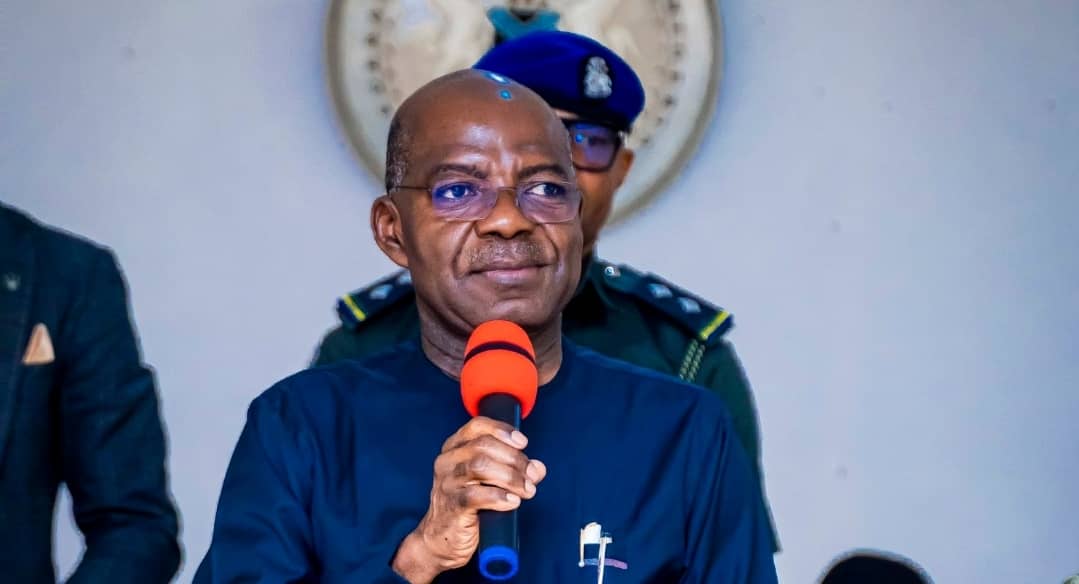
A group of 16 road maintenance workers in Abia State is appealing to Governor Alex Otti to review their monthly pay and grant them long-awaited job promotions.
Speaking through their representative, Ikedichi Orisa, in Umuahia on Friday, the workers explained that they still earn between ₦21,000 and ₦23,000 each month, the same entry-level amount they received when they were hired in 2014.
After the state government closed the road maintenance agency known as ABROMA, authorities transferred the staff members into the Abia State Ministry of Works. The employees expressed deep gratitude to Governor Otti for ending years of missed paychecks left behind by the previous administration.
However, administrative delays have kept them tied to an old payment system, preventing them from receiving regular promotions or standard public sector wages.
To resolve the issue, the Commissioner for Works recently contacted the State Civil Service Commission and civil service administrators to review the employees’ files. In addition, the workers explained that rising prices make it difficult to purchase groceries, pay for healthcare, and cover daily travel expenses.
By sharing their story, the staff members hope state leaders will step in to modernize their work records and provide fair, dignified wages that reflect their years of dedicated public service.
Former Abia Road Workers Ask Governor Alex Otti for Fair Wages and Job Promotions
News
Federal Workers Urge Finance Ministry to Pay Delayed Allowances, Promotion Arrears
Federal Workers Urge Finance Ministry to Pay Delayed Allowances, Promotion Arrears
Union representatives encourage quick dialogue and timely payments to ensure fair compensation and workplace peace across public agencies.
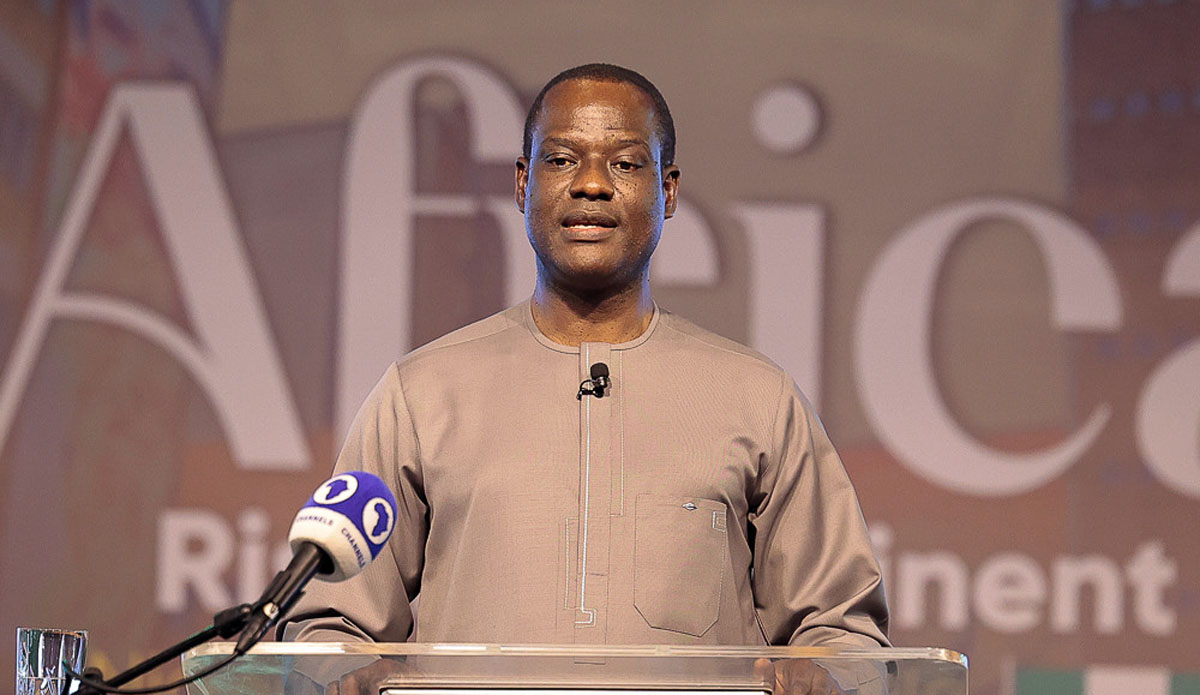
Civil service representatives across Nigeria have reached out to the Federal Ministry of Finance, requesting the swift release of delayed workplace benefits and overdue promotion pay.
Writing on behalf of public servants, Joint National Public Service Negotiating Council Secretary Olowoyo Gbenga reminded government officials that honoring pay agreements on time preserves mutual trust and maintains stable public offices.
READ ALSO:
- Nigeria Wins $3.38bn Mambilla Arbitration Battle As ICC Rejects Sunrise Claims
- 2027: Tinubu May Mediate Wike-APC Governors Rift In France
- 2027: Sowore Says He’d Rather Die Than Travel Abroad For Medical Treatment
Earlier this year, authorities successfully released two months of wage awards following collaborative discussions in August. Nevertheless, two vital financial issues remain unresolved. First, workers are waiting for the full rollout of an approved 40 percent allowance that reflects the national ₦70,000 minimum wage standard.
Second, many employees who earned career promotions in Batches 7 and 9 have yet to receive their back pay due to administrative payment delays.
Because workplace morale directly affects public services that support all communities, union leaders urged the government to remove bureaucratic roadblocks quickly. They explained that fair, timely payments help staff members manage living costs and support their families.
By resolving these outstanding payments without delay, officials and employees can continue working together constructively to deliver reliable public services for everyone.
Federal Workers Urge Finance Ministry to Pay Delayed Allowances, Promotion Arrears
-

 International2 days ago
Islamic Council Condemns Attempted Attack on Holy City of Mecca
-

 metro3 days ago
Lagos Power Outage: Ikeja Electric Blames TCN as Businesses, Homes Groan
-

 Politics3 days ago
2027: APC Governors Reject Wike’s Rainbow Coalition, Insist on Party Loyalty
-

 News2 days ago
Keep Politics Out of My Office — Ogbomoso Grand Chief Imam Warns Politicians, Bloggers
-
 metro1 day ago
Niger Mosque Abductions: Terrorists Execute 30 of 500 Captive Muslim Worshippers
-

 International3 days ago
US Court Blocks Trump Visa Rule Limiting Stay of Foreign Students, Journalists
-

 metro3 days ago
A Son Wouldn’t Have Done Better — Dangote Speaks on Daughters, Succession
-

 Entertainment2 days ago
BREAKING: Olu Jacobs Dies at 84, Atiku Mourns Cultural Icon