

Health
New COVID-19 variant XEC not in Nigeria, FG clarifies
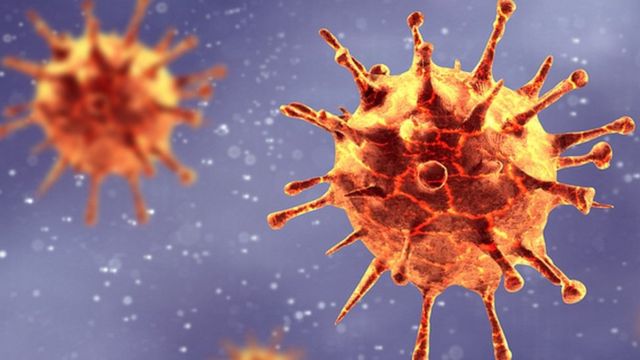
New COVID-19 variant XEC not in Nigeria, FG clarifies
The Federal Ministry of Health and Social Welfare says there is no evidence that the new coronavirus variant XEC has been detected in Nigeria.
According to reports, the XEC variant of COVID-19 was first reported in Australia and has spread to about 29 other countries.
In a statement on Saturday, the ministry’s spokesperson, Alaba Balogun, clarified that the disease had not been detected in Nigeria and urged citizens to remain calm and adhere to universal hygiene precautions.
“You may recall that a newly detected COVID variant, XEC, was reported in Australia and has spread to about 29 countries globally and has shown a more virulence over other circulating strains with concern over its possible impact on service delivery in our federal tertiary hospitals.
READ ALSO:
- Truck, bus collide on Third Mainland Bridge, many injured
- Real reasons police sealed Emir of Kano’s palace – Source
- PDP NWC dismisses Ugochinyere expulsion from party
“However, the good news is that there is no evidence of COVID variant XEC in Nigeria,” said Mr Balogun.
He said the statement became necessary to correct false information on social media about a resurgence of COVID-19 in Nigeria, as contained in a letter dated December 5.
However, Mr Balogun stated that the health and social welfare ministries, through relevant agencies, have stepped up surveillance, including at all entry points to the country.
“The federal government has proactively upgraded our federal tertiary hospitals by establishing molecular laboratories, isolation centres, and intensive care units equipped with ventilators,” he added.
He stressed the ministry’s commitment to implementing policies to strengthen the health system and ensure uninterrupted service delivery to Nigerians if an outbreak of the disease occurs in the country.
New COVID-19 variant XEC not in Nigeria, FG clarifies












Health
NAFDAC Disowns Viral Fake Products List, Warns Nigerians of Misinformation

NAFDAC Disowns Viral Fake Products List, Warns Nigerians of Misinformation
The National Agency for Food and Drug Administration and Control (NAFDAC) has warned Nigerians against circulating a viral social media list alleging that several products sold in the country are fake, adulterated or substandard, saying the list is not an official communication from the agency.
The warning comes amid growing concern among consumers over the authenticity and safety of products available in Nigerian markets, with unverified claims circulating online about food, beverages, medicines and other consumer goods.
NAFDAC cautioned that sharing unconfirmed allegations could mislead the public, trigger unnecessary panic and damage the reputation of legitimate manufacturers, distributors and retailers.
The agency stressed that the appearance of a product or brand on a social media list does not automatically establish that it is counterfeit, adulterated or unsafe for consumption or use.
According to the regulator, claims about the safety or quality of products must be assessed through appropriate regulatory procedures, including investigations, product sampling and laboratory testing where necessary.
NAFDAC also explained that official product alerts and recall notices contain verifiable information about the affected products and any regulatory action taken. Consumers were therefore urged to distinguish between confirmed safety warnings and claims circulated by individuals or unofficial social media accounts.
The agency advised Nigerians to consult its official communication channels for information on product recalls, safety alerts, counterfeit medicines and substandard consumer goods before acting on or sharing such claims.
READ ALSO:
- ‘Mad People’: Presidency Fires Back at Amaechi Over Tinubu Re-Election Remarks
- ‘What Happens on Day 31?’ Atiku Slams Tinubu’s 30-Day Fuel Discount as Election-Laced Package
It further encouraged consumers to report suspected fake or adulterated products to the appropriate authorities for investigation rather than relying solely on viral posts.
NAFDAC warned that the indiscriminate circulation of unverified product allegations could have serious consequences for businesses whose products are wrongly identified, while also making it more difficult for consumers to distinguish genuine safety warnings from misinformation.
The agency’s position highlights the importance of verifying product-related information, particularly when allegations involve widely used brands or essential household items.
Consumers should check the details of any official warning, including the product name, batch number, registration details and instructions issued by the regulator. Where a specific product has been recalled or flagged, the applicable notice should guide consumers on whether to stop using it or take other recommended precautions.
The public is also encouraged to report suspicious products, misleading labels and suspected counterfeit goods through NAFDAC’s official reporting channels.
The agency reiterated the importance of protecting public health and urged Nigerians to verify claims before sharing them online.
Consumers should note that the warning about the viral list does not mean every product named in it has been independently cleared as safe. The status of any particular product should be determined through verified regulatory information and applicable official notices.
NAFDAC Disowns Viral Fake Products List, Warns Nigerians of Misinformation
Health
‘We Are Ignorant, We Don’t Read’ — NAFDAC DG Raises Food Safety Concerns
‘We Are Ignorant, We Don’t Read’ — NAFDAC DG Raises Food Safety Concerns
The Director-General of the National Agency for Food and Drug Administration and Control (NAFDAC), Prof. Mojisola Adeyeye, has said poor understanding of food safety guidelines and regulatory responsibilities remains a major challenge in Nigeria.
Adeyeye made the remarks while explaining the roles of government agencies in regulating food products and agricultural practices across the country.
“We are ignorant in this country. We are very ignorant. We don’t read. We don’t understand,” the NAFDAC DG said.
She explained that several government agencies are responsible for different stages of the food chain, from production on the farm to consumption, stressing that NAFDAC’s mandate primarily covers processed and semi-processed foods.
According to Adeyeye, the Federal Ministry of Agriculture has the primary responsibility for fresh agricultural produce sold in markets.
“NAFDAC mandate is for processed or semi-processed foods. So the oranges you buy in the market, we don’t control the oranges you buy in the market,” she said.
However, she said NAFDAC has regulatory responsibilities when pesticides are used in agricultural production because the agency approves, regulates and controls such products.
Adeyeye said NAFDAC works with the Ministry of Agriculture to train farmers on the proper use of pesticides, including the quantity to apply and the appropriate period between treatment and harvesting.
READ ALSO:
- 2027: Galadima Alleges APC Offering N50m, N200m to Lawmakers to Step Aside
- ‘No Decent Wages, No Credible Elections’ — Sowore Threatens 2027 Boycott
- NSITF Exposes Fake Recruitment Scam, Warns Nigerians Against Fraudsters
She said some farmers may misuse agricultural chemicals because they do not fully understand instructions on pesticide labels.
“We have about 56 per cent illiteracy. If it’s a literate country, they will read: ‘Put one teaspoon in one gallon.’ Sometimes our people don’t understand. And they think the more you put, the better,” she said.
The NAFDAC chief said the agency’s Veterinary Medicine and Allied Products Directorate also trains farmers and other stakeholders on the appropriate use of pesticides.
She, however, noted that NAFDAC cannot independently reach the entire farming population because of the number of farmers across the country.
“We cannot go to one million farmers in Nigeria. NAFDAC cannot do that. It is the Ministry of Agriculture that should be doing that,” Adeyeye said.
She added that while NAFDAC has an obligation to support farmer education because of its role in regulating pesticides, the Ministry of Agriculture should take the lead in educating farmers on fresh produce and agricultural practices.
Adeyeye also said many Nigerians do not understand the specific responsibilities of government agencies involved in food regulation, resulting in misplaced expectations about what NAFDAC can regulate.
The comments come amid continuing concerns over food safety, pesticide misuse, counterfeit products and consumer protection in Nigeria.
Adeyeye disclosed that NAFDAC receives more than 200 complaints from Nigerians through its complaint channels each month. The agency also reported receiving 225 complaints involving suspected counterfeit products in August.
She said complaints from consumers provide important leads for NAFDAC’s investigations and enforcement activities.
The agency has continued to urge Nigerians to pay attention to product information, follow safety instructions and report suspected counterfeit, substandard or unsafe products through its established channels.
‘We Are Ignorant, We Don’t Read’ — NAFDAC DG Raises Food Safety Concerns
Health
LASUTH Doctors Suspend Strike in Third Week After Agreement With Lagos Govt
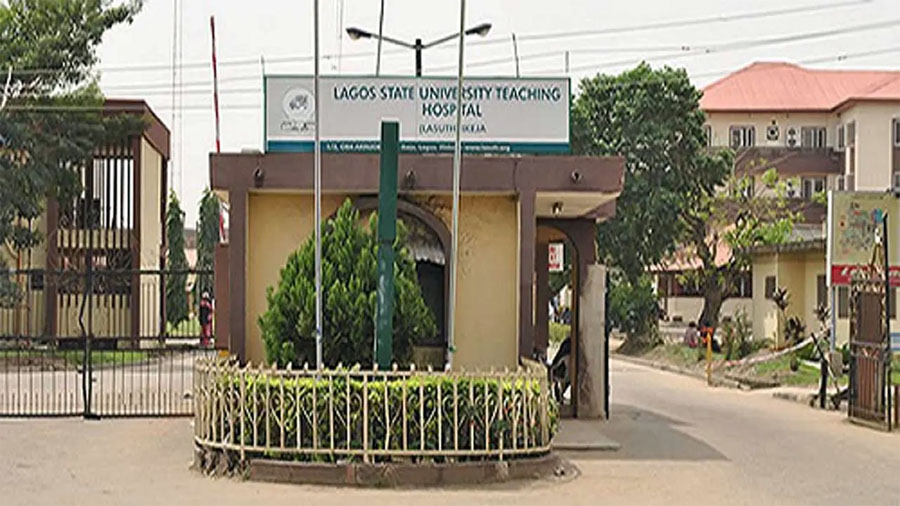
LASUTH Doctors Suspend Strike in Third Week After Agreement With Lagos Govt
Resident doctors at the Lagos State University Teaching Hospital (LASUTH) have suspended their indefinite strike in its third week after reaching an agreement with the Lagos State Government on some of their outstanding welfare and remuneration demands.
The doctors, under the Association of Resident Doctors, LASUTH (LASUTH-ARD), commenced the industrial action on September 11, 2026, following unresolved concerns over specialist allowance, salary shortfalls, advancement arrears and professional allowances.
The suspension followed negotiations between representatives of the doctors and the Lagos State Government, with the development paving the way for the doctors to return to their duties at the tertiary healthcare institution.
LASUTH-ARD agreed to suspend the strike for 10 weeks to allow the government time to implement the issues covered by the agreement.
The 10-week period does not mean the doctors are remaining on strike for another 10 weeks. Rather, they have returned to work and suspended the industrial action during the period while monitoring the government’s implementation of the agreement.
At the end of the 10 weeks, the doctors are expected to reconvene and review the level of implementation before deciding on their next course of action.
READ ALSO:
- Anambra Police Arrest 25-Year-Old Suspect Linked to 2023 Kidnap, Murder
- 2027: Otti Explains Why He Supports Tinubu Despite Remaining in Labour Party
- EFCC Chairman Raises Alarm Over Alleged Theft of Nigeria’s Public Funds
The dispute had centred largely on the non-payment of specialist allowance to Grade Level 14 resident doctors, particularly Senior Registrars I (SR1).
The doctors had also demanded payment of outstanding salary and advancement arrears, as well as 25 months’ arrears under the revised Professional Allowance Table (PAT).
Another major demand was a detailed and transparent breakdown of the salary components being used by the Lagos State Government to pay resident doctors.
Before declaring the indefinite strike, LASUTH-ARD had issued a seven-day ultimatum to the state government over the outstanding issues.
The doctors acknowledged some interventions by the government, including payment of the 2026 Medical Residency Training Fund (MRTF) and implementation of the revised professional allowance table.
However, the association maintained that critical welfare and remuneration issues remained unresolved, prompting the industrial action.
The Nigerian Association of Resident Doctors (NARD) had backed the LASUTH doctors during the dispute and called for a resolution of the outstanding issues.
The strike had disrupted some healthcare services at LASUTH, with patients affected by the withdrawal of services by resident doctors.
With the suspension now agreed, the doctors are expected to resume normal duties while the implementation of the agreement is monitored.
The development provides temporary relief from the industrial dispute, but the underlying issues will remain subject to the government’s compliance with the commitments reached during negotiations.
The 10-week suspension therefore gives both sides a period to implement and assess the agreement. If the doctors determine at the end of the period that the outstanding issues have not been adequately addressed, the association will decide on its next course of action.
For now, however, the LASUTH resident doctors have returned to work, bringing the current phase of their industrial action to a suspension after entering its third week.
LASUTH Doctors Suspend Strike in Third Week After Agreement With Lagos Govt
-
 metro2 days ago
[UPDATED] 20 NYSC Prospective Corps Members Freed After Seven Days in Captivity
-

 Politics2 days ago
‘No Decent Wages, No Credible Elections’ — Sowore Threatens 2027 Boycott
-

 metro2 days ago
Seven Years With Parkinson’s: Man Seeks N65m for Brain Surgery in Türkiye
-

 Politics2 days ago
2027: Obi Makes U-Turn, Vows to Restore Fuel Subsidy If Elected
-
 metro1 day ago
EFCC Re-Arraigns Two Over Alleged £110,000 Money Laundering, ₦500m Fraud
-

 metro2 days ago
Yayi, Adebule, Muslim Leaders, Others for Imodi-Ijebu Turbaning, ₦1bn Fundraiser
-

 Politics2 days ago
2027: Galadima Alleges APC Offering N50m, N200m to Lawmakers to Step Aside
-

 Africa1 day ago
FBI Raids Ghana Scam Centre, Detains Over 130 in $10m Fraud Probe