

metro
Updated: Police deploy helicopters, drones as 20 abducted medical students cry for help

Updated: Police deploy helicopters, drones as 20 abducted medical students cry for help
Twenty medical students abducted on Thursday while travelling on Otukpo-Enugu highway have cried out for help from captivity.
They said they had not had any food for two days.
Their abductors demanding a ransom of N50 million have threatened to start killing them if the money was not paid promptly.
But the police on Saturday stepped up action to rescue the kidnapped students.
Deployed for the operation were helicopters, drones and personnel as directed by the Inspector General of Police, Kayode Egbetokun.
The Nigerian Medical Association (NMA), the National Association of Nigerian Students (NANS) and Benue State Governor Hyacinth Alia condemned the students’ abduction and prayed for their immediate rescue.
The list of the 20 abductees, who are from the Universities of Jos and Maiduguri, was released on Saturday.
They were abducted by gunmen while on their way to Enugu to attend the annual convention of the Federation of Catholic Medical and Dental Students in the city.
Police Public Relations Office (PPRO) of the Benue State Command, Kate Aneene, said the students were travelling in two buses when the gunmen pounced on them on the Otukpo-Enugu highway around 7pm.
From the list released by the Benue Medical Students Association (BEMSA) the abductees are Boniface Tizhe, Thomas Yahaya, Gabriel Jita Iwev, Boniface Okon, Dondo Fabian, John Bitrus Naga, Fortune Chima Umeh, Godwin Gregory Tumba, Monica Ejembi and Ogbonna George Chukwuebuka.
Others are Paul Nyampa Zira, Lawrence Victory Adaugo, Okopi Peter, Enger Benedicta, Kwaghaondo Aondona Kingsley, Paul Shantong, Victoria Cornelius, Pius Samson, Okan Adara and Dr. Luis Mmbamonyeukwu, a house officer.
The association said the list would be updated as more information came.
One of the kidnapped students, Aondona Kingsley, managed to get words across on his X handle @King aondona yesterday, painting a picture of what they have been going through.
READ ALSO:
- Govt will grant electricity subsidy to universities – Minister
- Truck crushes three to death, injures others in Enugu
- Cryptocurrency: FG to introduce new tax laws next month
He said, “We were kidnapped on our way to Enugu for a convention @Nigerian Doctor. They are requesting (for) 50 million for 20 of us medical students. Please help us. And we haven’t eaten for two days 08163420157 –Pius that is who we are gathering the money with.”
In a separate message, he said, “They said they would start killing us tomorrow.”
Inspector General Egbetokun described the abduction of the students as “truly appalling, callous and unacceptable.”
Spokesman for the Police Olumuyiwa Adejobi said in a statement that Egbetokun, in keeping with the police unwavering commitment to the safety and well-being of the young Nigerians, had “ordered the prompt deployment of a substantial number of human and technical resources to augment the manpower of the Benue State Command and ensure swift rescue of our beloved students.”
The move, according to the police spokesman, “encompasses the mobilization of additional tactical units from the FID-STS and FID-IRT, the deployment of advanced helicopters and drones, as well as the use of specialised tactical vehicles to facilitate the search and secure the safe return of the victims.”
He also said, “The Nigeria Police Force stands with the victims and their loved ones during this challenging time, and we are committed to ensuring the safe return of the students.
“The Inspector-General of Police reiterates the zeal of the force to leave no stone unturned in the pursuit of the perpetrators and others alike, as the Nigeria Police Force is determined to sustain the fight against crimes and criminality, most especially kidnapping of Nigerians.
“The IGP equally appeals to the general public to provide useful information and actionable intelligence that may aid the ongoing investigation and the rescue operation.
“Individuals with relevant details are encouraged to contact the nearest police station the state’s command control number or the FHQ via Pressforabuja@police.gov.ng and other helplines.
“The Nigeria Police Force remains resolute in its mission to protect the lives and property of all Nigerians, and it will continue to work tirelessly to maintain peace, stability and the rule of law throughout the country.”
The NMA in an open letter to the Police IG yesterday called for the swift intervention of the authorities in the “grave situation.”
READ ALSO:
- Fear as video of kidnapped traditional ruler in blood surfaces online
- Salah breaks scoring record as slot begins Liverpool era with victory
- Rice importation through land borders remains banned — Customs
“Given the urgency of this matter and the potential risks to the lives of these young students, we implore your office to deploy all necessary resources to secure their immediate and safe return,” it said in the letter signed by the association’s Secretary General, Dr Benjamin Egbo.
The association said it was “deeply concerned for the safety and well-being of these future medical professionals, and we believe that swift and decisive action by the Nigeria Police Force is crucial at this time.”
It offered to provide assistance and support to facilitate the police efforts in rescuing the abducted students.
Senate President of NANS, Okunomo Henry Adewumi, asked government to swiftly and preemptively tackle violent acts.
He also called for heightened security presence in susceptible regions, enhanced intelligence collection and dissemination, and increased safeguarding of schools, medical centres and communities.
Criminals responsible for such acts, it added, must be identified and punished accordingly.
Security agencies must get them out of kidnappers’ den –Gov Alia
In his reaction, Gov. Alia asked security agencies in the state to intensify efforts and ensure the safe return of the students.
The governor also condemned the abduction and warned criminal elements operating within the state to relocate as his administration would not rest in its efforts to stamp out all forms of criminality in the state.
The Federal Ministry of Health and Social Welfare expressed sadness over the incident.
The ministry described it as a stark reminder of the significant challenges faced by healthcare professionals and students in Nigeria.
The ministry lamented that the kidnapping was a significant setback to the nation’s efforts to strengthen its healthcare workforce.
It called for the immediate and unconditional release of the abducted students and the house officer.
READ ALSO:
- $200,000 ransom paid for my release, singer Gnewzy recounts kidnap experience
- Ex-Ogun Gov Amosun gives reasons for terminating OGFTZ contract with Chinese firm, Zhongfu
- Abdulsalami: Some forces wanted us to make INEC annul 2023 presidential election
The ministry’s Assistant Director of Information and Public Relations, Ado Bako, asked the perpetrators of the dastardly act to desist from such criminal activities and respect the sanctity of human life.
He said, “The Federal Ministry of Health and Social Welfare stands in solidarity with the families of the kidnapped students and offers its full support during this difficult time.
“We will continue to monitor the situation closely and take appropriate measures to ensure the safety and security of healthcare professionals and students across the country.”
Updated: Police deploy helicopters, drones as 20 abducted medical students cry for help







metro
Kano: Soldiers Kill Two Kidnappers, Rescue Victim, Recover ₦10m
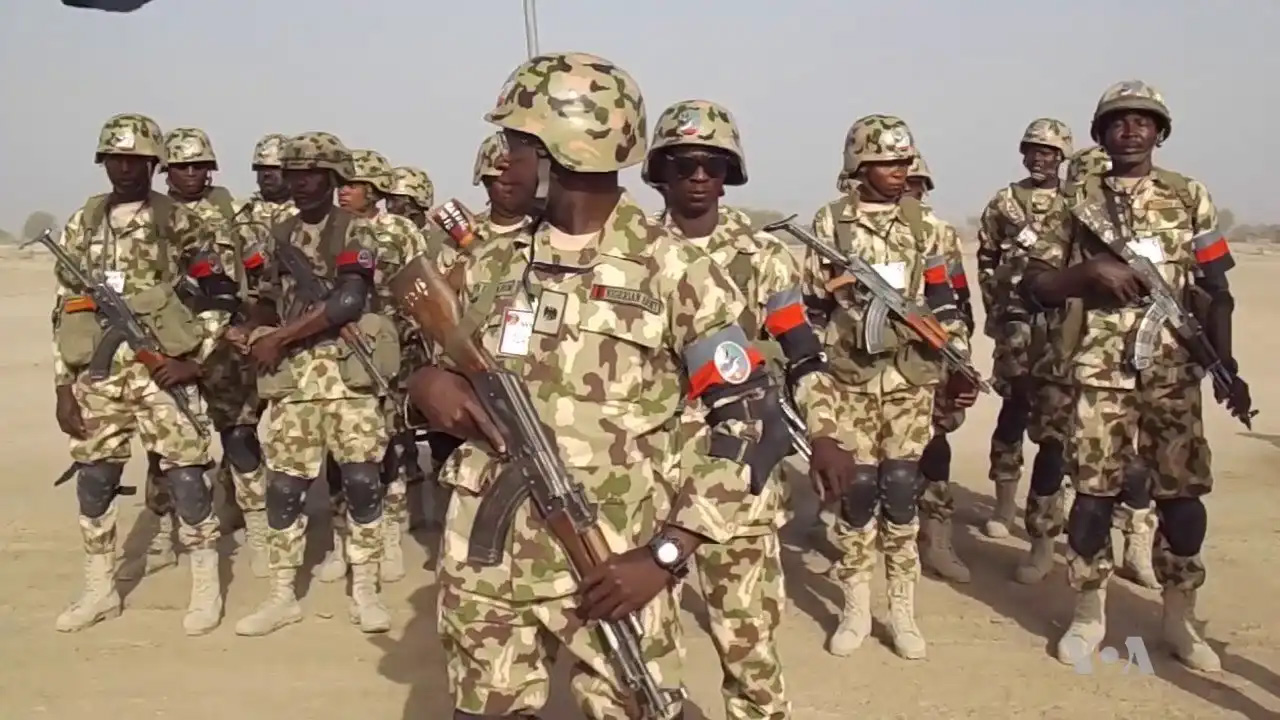
Kano: Soldiers Kill Two Kidnappers, Rescue Victim, Recover ₦10m
Troops of the Nigerian Army have killed two suspected kidnappers, rescued an abducted man and recovered ₦10 million reportedly paid as ransom during a security operation in Falgore Forest, Doguwa Local Government Area of Kano State.
The operation was carried out by troops of the Army’s 3 Brigade under Operation MESA, in collaboration with personnel of the Nigeria Police Force, the Department of State Services (DSS) and local hunters.
The operation followed the abduction of Alhaji Kabiru Aliyu on October 11, 2026, at Fanyabo Village in Falgore Forest.
According to the Army, Aliyu was returning from Yandoka Market in neighbouring Kaduna State at about midnight when suspected kidnappers seized him.
The abductors subsequently contacted his family in Yan Taburmi Village and demanded a ransom for his release.
Following the report of the abduction, troops acted on intelligence and worked with other security personnel and local hunters to track the suspected kidnappers.
The joint security team mounted an ambush in the area, leading to an encounter in which two suspected members of the kidnapping gang were killed.
READ ALSO:
- Akpabio Under Fire as Senators Move to Secure His Return as Senate President in 2027
- Lamine Yamal Shines as Barcelona Thrash Real Betis 5-2
- Tinubu Scraps Recruitment Waiver Requirement for Federal Universities
The operation also resulted in Aliyu’s rescue, while other suspected members of the gang reportedly escaped towards the adjoining Falgore Forest.
During a subsequent search of the area, the troops recovered ₦10 million said to have been paid by the victim’s family as ransom.
The Army said the recovered money was returned to Aliyu and his family.
The development was disclosed in a statement by the Assistant Director, Army Public Relations, 3 Brigade, Major Babatunde Zubairu.
The Commander of 3 Brigade, Brigadier General Saka Jimoh, commended the troops for their alertness, professionalism and fighting spirit during the operation.
Jimoh reaffirmed the brigade’s commitment to sustaining pressure on criminal groups and preventing further security breaches in Kano State.
He also urged residents to provide security agencies with credible and timely information that could assist ongoing efforts to tackle kidnapping and other criminal activities.
The rescue comes amid continuing security concerns over abductions for ransom in parts of northern Nigeria. The Army’s statement indicated that other suspected members of the gang remained at large following the operation.
Kano: Soldiers Kill Two Kidnappers, Rescue Victim, Recover ₦10m
metro
Oyo Baby Trafficking Scandal: Mother, Doctor Arrested Over Alleged ₦2m Sale of Infant
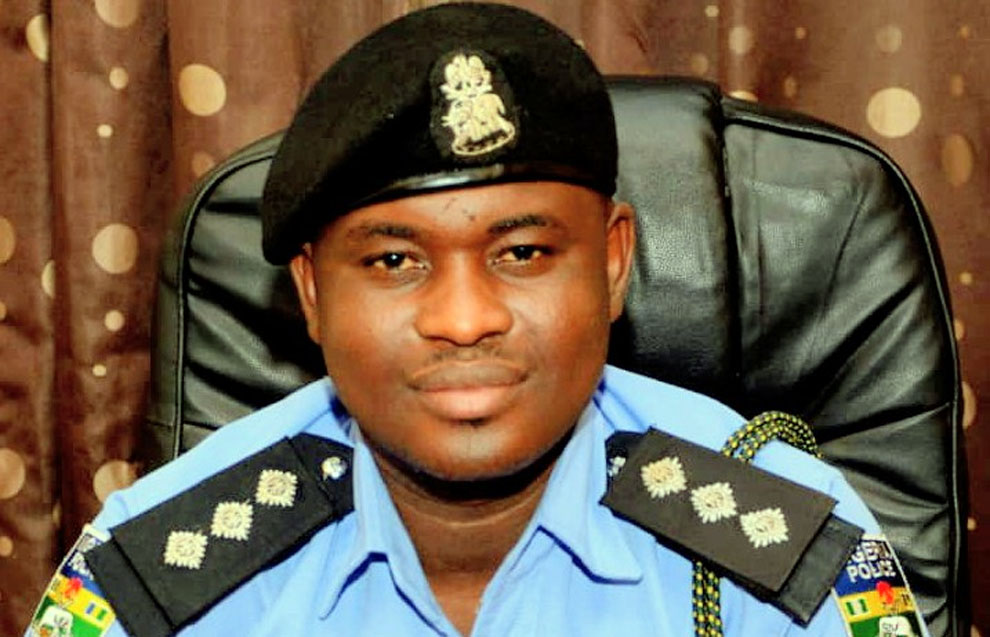
The Oyo State Police Command has rescued a one-month-old baby girl allegedly sold for ₦2 million in Ido Local Government Area of Ibadan, arresting the child’s mother and the owner of the health facility where she was delivered.
The incident came to light after the baby’s grandmother, Mary Amos, reported the child’s disappearance to the police on October 15, 2026, raising concerns that the infant might have been sold.
According to the police, Mary told investigators that her 23-year-old daughter, Cecilia Amos, gave birth to the baby girl on September 6 at Ebepraise Health Centre in Ido. She reportedly said her daughter disappeared with the child about seven days after delivery and could not provide a satisfactory explanation for the baby’s whereabouts.
Following the complaint, police operatives arrested Cecilia for questioning. The Police Public Relations Officer, DSP Olayinka Ayanlade, said the mother allegedly implicated the owner of the health facility, 40-year-old Dr Adeleke Ebenezer, and another person, Hassan Oludunni, in the arrangement.
According to the police account, Cecilia alleged that the two men lured her into the arrangement and facilitated the transfer of the baby to a person identified as Odunayo Folawewo.
READ ALSO:
- Akpabio Under Fire as Senators Move to Secure His Return as Senate President in 2027
- Lamine Yamal Shines as Barcelona Thrash Real Betis 5-2
- Tinubu Scraps Recruitment Waiver Requirement for Federal Universities
The police said preliminary investigations indicated that the alleged transaction involved ₦2 million. Cecilia reportedly received ₦1 million, while Ebenezer and Oludunni allegedly received ₦500,000 each.
Police subsequently rescued the baby and arrested Ebenezer in connection with the case. The command said efforts were ongoing to apprehend the other suspects, including the alleged buyer, and bring everyone linked to the incident to justice.
The police have not reported the conclusion of the investigation or any court determination of the allegations. The arrested suspects are entitled to the presumption of innocence unless proven guilty by a court of law.
The case has renewed attention on child trafficking and the protection of vulnerable children, particularly newborns who depend entirely on adults for their safety and care.
The Oyo State Police Command urged members of the public to report suspected cases of child trafficking and other offences involving vulnerable persons promptly.
Residents can contact the Oyo State Call Response Centre on its toll-free line, 615, or reach the police command’s control room on 08081768614 or 07055495413 to report emergencies or suspected criminal activity.
Oyo Baby Trafficking Scandal: Mother, Doctor Arrested Over Alleged ₦2m Sale of Infant
metro
FG Begins Rollout of 3,700 Telecom Towers to Connect 20m Nigerians
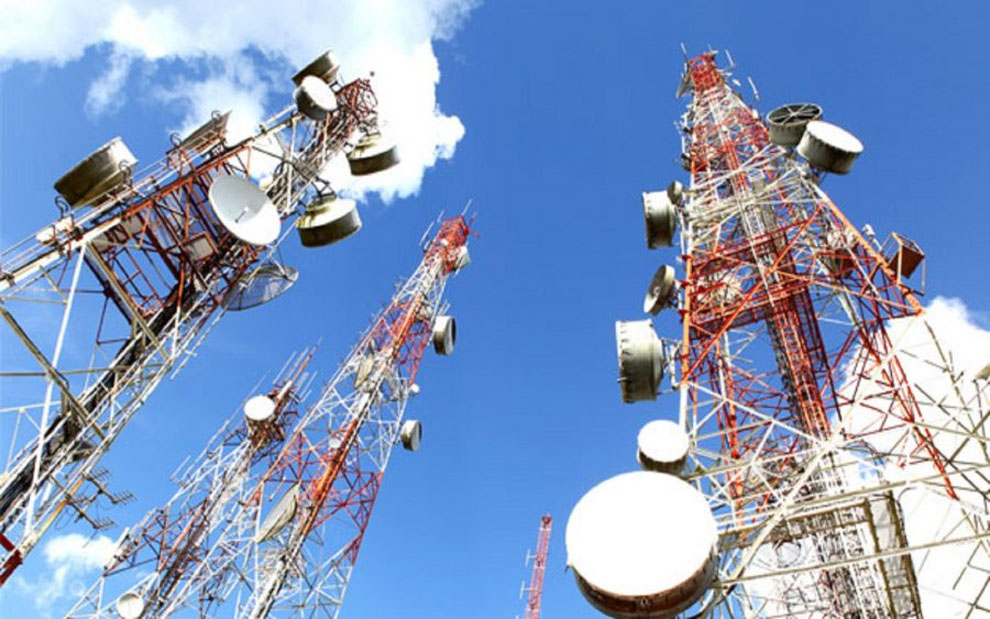
The Federal Government has commenced the deployment of 3,700 telecommunications towers nationwide to provide mobile network and internet access to nearly 20 million Nigerians living in unserved and underserved communities.
The Minister of Communications, Innovation and Digital Economy, Bosun Tijani, announced the rollout on Friday, October 16, 2026, during the commissioning of the first tower under the Nigeria Universal Communication Access Project (NUCAP) in Amaeke, Bende Local Government Area of Abia State.
The project is designed to extend reliable telecommunications services to communities that have remained disconnected from the country’s expanding digital economy, particularly rural, riverine and other hard-to-reach areas.
Tijani said the commissioning of the Bende facility marked the beginning of a nationwide rollout, with additional sites expected to follow in the coming days, weeks and months.
“President Bola Ahmed Tinubu has given us a clear mandate: work towards bringing every Nigerian online. Through NUCAP, we are delivering 3,700 telecommunications towers across Nigeria,” the minister said.
He explained that the absence of reliable network coverage continued to prevent many residents from accessing essential services and economic opportunities.
According to him, farmers in disconnected communities often struggle to contact potential buyers, traders face difficulties receiving electronic payments, and families may be unable to reach health workers or seek emergency assistance when necessary.
The minister said expanding telecommunications infrastructure would help bridge the digital divide and improve access to online education, digital banking, healthcare services, business opportunities and government platforms.
READ ALSO:
- 37 Miners’ Deaths in Custody: Suspended NSCDC Commandant Admits Tragedy Was Avoidable, Apologises to Families
- Singlet Dispute Turns Deadly as 23-Year-Old Kills Elder Brother in Kaduna
- IBEDC Announces Major Power Outage in Ogun Region Over Network Load Restriction
The initiative is also expected to benefit small businesses and residents in locations where commercial telecommunications operators have been reluctant to invest because of difficult terrain, low population density or limited expected returns.
The commissioning of the first NUCAP tower in Bende marks a major implementation milestone for the programme, which the government says will bring nearly 20 million Nigerians into reliable telecommunications coverage.
Deputy Speaker of the House of Representatives, Benjamin Okezie Kalu, who attended the commissioning, said dependable network access was essential for financial inclusion, education, healthcare delivery and economic development in rural communities.
Kalu disclosed that 16 additional locations in Bende Federal Constituency had been identified as requiring telecommunications intervention. He called on the ministry and its implementing partners to work with community leaders to validate the locations and extend coverage to the affected areas.
He also urged residents and traditional institutions to protect the newly installed infrastructure against vandalism, stressing that its long-term benefits would depend on proper maintenance and reliable service delivery.
The commissioning featured a demonstration of live e-learning at Bende Grammar School using the new infrastructure, alongside the distribution of mobile phones to constituents.
Tijani assured residents that the government would continue working with network operators, lawmakers and community leaders to extend connectivity to other unserved locations.
The NUCAP initiative forms part of the Federal Government’s broader efforts to improve digital inclusion in Nigeria and ensure that geographical location does not prevent citizens from accessing telecommunications services.
The government has previously identified millions of Nigerians living in communities without basic mobile network coverage, with rural and remote settlements accounting for a significant share of the connectivity gap.
For affected residents, the absence of a reliable signal can restrict access to mobile money services, online learning, digital markets, emergency communications and other services increasingly dependent on internet connectivity.
The government expects the 3,700 towers to improve coverage in these areas, although the actual benefits will depend on the pace of deployment, network reliability, power supply and ongoing maintenance.
Tijani has also urged communities without reliable coverage to report their locations to the ministry for consideration under the programme.
The tower rollout complements other federal digital infrastructure initiatives, including plans to deploy a 90,000-kilometre fibre-optic network to strengthen broadband connectivity across states, local government areas and wards.
Together, the projects are intended to expand access to digital services and support economic activity in communities that have historically been left behind by telecommunications development.
The government’s immediate challenge will be to ensure that the planned infrastructure reaches the intended communities and delivers affordable, reliable services beyond the initial commissioning ceremonies.
FG Begins Rollout of 3,700 Telecom Towers to Connect 20m Nigerians
-

 metro2 days ago
₦130m Toyota Tundra Wrecked: Lagos Dealer Questions Police Over Suspect’s Release
-
 News2 days ago
₦200m Fake Alcohol Packaging Uncovered as NAFDAC Raids Aba Market
-
 metro1 day ago
Suspended Archbishop Ibezim Drags Anglican Primate to Court, Challenges Six-Month Leave
-

 Sports2 days ago
Real Madrid Demand Tebas’ Exit After Explosive Nazi Propaganda Row
-
 metro3 days ago
Former Senator Bello Mandiya Found Dead in Bathroom Three Days After Fall
-

 Entertainment2 days ago
ToluwaniSings’ Final Hours: Aide Reveals Desperate Search Across 8 Hospitals
-

 metro1 day ago
Imodi-Ijebu Muslim Community Bets on 20 Chiefs to Drive Education, Economic Growth
-
 Politics2 days ago
2027: Kwankwaso Signals Fuel Subsidy Comeback as NDC Vows to Crash Petrol Prices