
metro
Abia Poly sexual harassment: Police dismisses officer after orderly room trial

Corporal Chinedu Nwachukwu, who was recently accused of raping a female student of the Abia State Polytechnic Aba, has been dismissed by the police authority.
The dismissal of the police corporal was disclosed after an orderly room trial in Umuahia, where he was found guilty of raping the female polytechnic student.
Nwachukwu is expected to stand trial in a regular court for rape, extortion and other offences.
Recall that the Abia State Police Command had promised that justice would prevail in the case of the student of Abia State Polytechnic Aba, who was allegedly raped by a police corporal attached to its Rapid Response Squad.
Geoffrey Ogbonna, the Police Public Relations Officer (PPRO) in a statement said that the police led by the Commissioner of Police in charge of the command, Janet Agbede, swung into action on getting the information and that after a thorough investigation, the alleged suspect whose name was given as Corporal Nwachukwu Chinedu, was arrested and detained.
DAILY POST gathered that the alleged incident sparked demonstration by the students, who demanded for an investigation.
Daily Post









metro
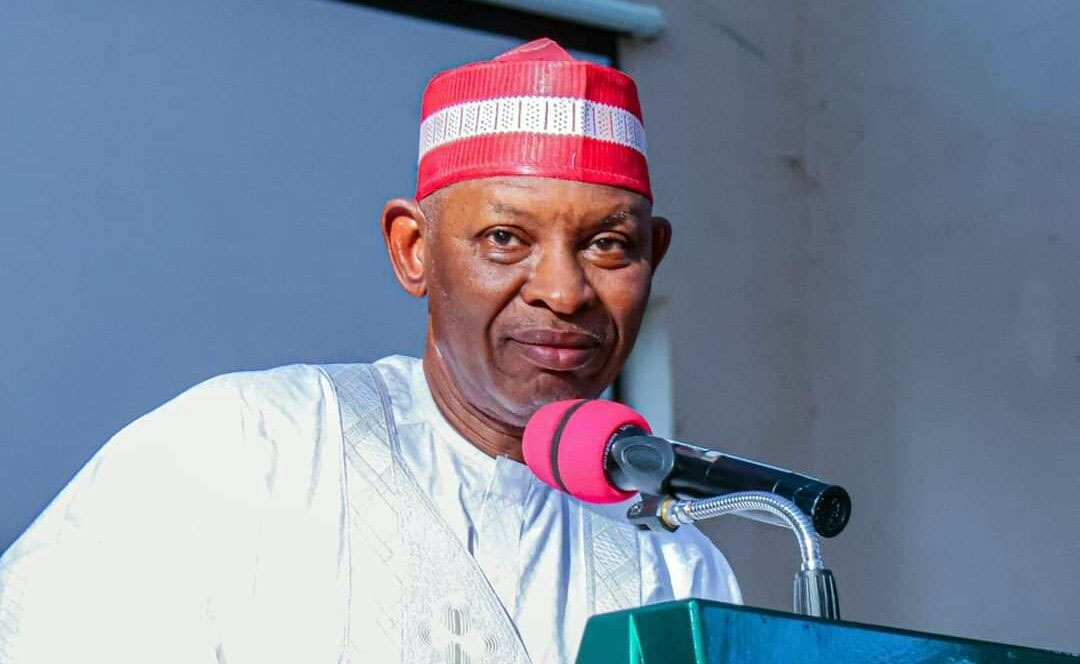
Kano Closes Entertainment Centres Ahead of Ramadan
Kano Closes Entertainment Centres Ahead of Ramadan
The Kano State Government has ordered the immediate closure of all entertainment centres across the state as part of measures to ensure a peaceful and spiritually focused observance of Ramadan. The directive, issued by the Kano State Censorship Board, affects entertainment venues popularly known as gala houses, as well as disc jockey (DJ) operators and related entertainment outlets under the board’s regulatory jurisdiction.
Abdullahi Sulaiman, the board’s Public Relations Officer, announced that the closure will take effect from 10:00 p.m. on Wednesday, 18 February 2026, and will remain in force throughout the holy month. He explained that the action aims to create a calm and morally conducive environment for Muslim residents to observe fasting, prayers, and other religious activities without distractions.
READ ALSO:
- Asari Dokubo Warns Igbo Groups Against Sparking Religious Conflict in Rivers
- Bauchi Reduces Working Hours for Civil Servants During Ramadan
- E‑Transmission Alone Cannot Guarantee Free, Fair Elections – Shehu Sani
The board emphasised that reopening dates, particularly for Eid‑el‑Fitr celebrations, will be communicated at the appropriate time. Enforcement teams have been mobilised to ensure compliance, with sanctions for violations under the board’s regulatory mandate.
Officials clarified that the closure does not apply to event centres used for weddings, conferences, or political gatherings, which fall outside the board’s jurisdiction. Board director Usman Dankwano reiterated that only entertainment outlets such as gala houses are affected by the directive.
The government said the decision aligns with efforts to promote social harmony, maintain public order, and respect religious observances during Ramadan. Residents and business operators are urged to comply fully to avoid penalties.
The move reflects a broader pattern in northern Nigeria, where authorities adjust entertainment and public activities during Ramadan to respect cultural and religious practices while maintaining community peace.
Kano Closes Entertainment Centres Ahead of Ramadan
metro
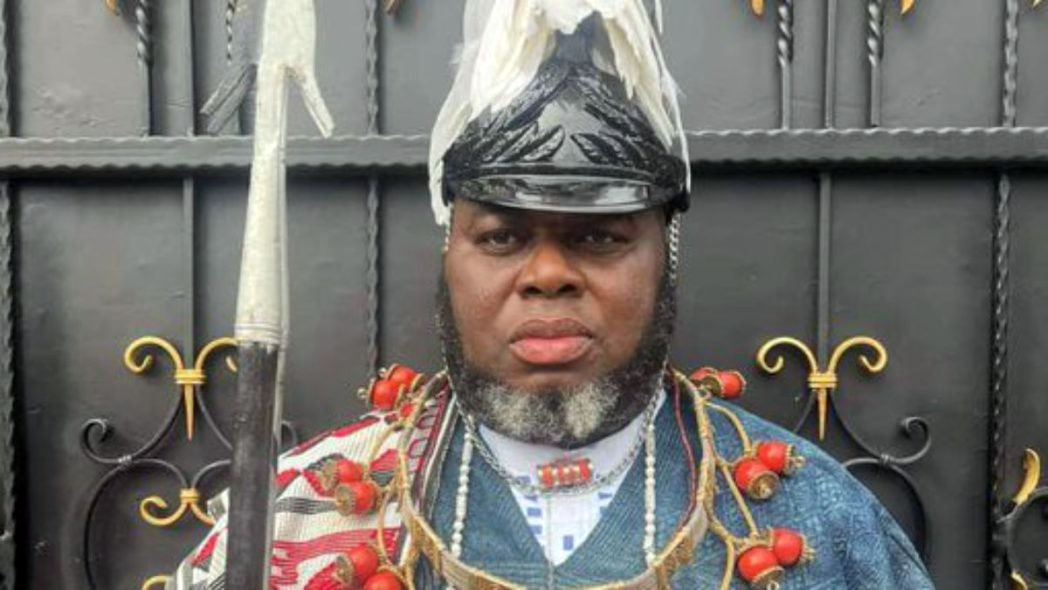
Asari Dokubo Warns Igbo Groups Against Sparking Religious Conflict in Rivers
Asari Dokubo Warns Igbo Groups Against Sparking Religious Conflict in Rivers
Port Harcourt — Former Niger Delta militant leader and activist, Asari Dokubo, has cautioned Igbo residents and groups against any attempts to instigate a religious crisis in Rivers State, warning that such actions could destabilise the state.
In a video widely shared on social media, Dokubo urged individuals and organisations to refrain from acts capable of triggering violence, emphasising that Rivers State must not become a theatre of religious conflict. He reportedly warned of serious consequences for anyone attempting to foment unrest in the oil-rich region.
READ ALSO:
- Bauchi Reduces Working Hours for Civil Servants During Ramadan
- E‑Transmission Alone Cannot Guarantee Free, Fair Elections – Shehu Sani
- Rosy Meurer Denies Snatching Churchill From Tonto Dikeh
Known for his outspoken views on regional and political issues, Dokubo highlighted the importance of peace and stability in Rivers State, which is economically significant due to its oil and gas resources.
His comments have sparked mixed reactions. The apex Igbo socio-cultural organisation, Ohanaeze Ndigbo, dismissed claims that Igbo groups were planning any form of religious war, affirming that Igbo residents in Rivers State are law-abiding and committed to peaceful coexistence.
Security authorities in the state are reportedly monitoring the situation closely, amid concerns that inflammatory rhetoric could heighten tensions in a region with a diverse ethnic and religious composition.
Observers stress that dialogue, mutual respect, and proactive conflict prevention are crucial to maintain stability in Rivers State, particularly given its history of political and communal tensions.
As of the filing of this report, the Rivers State Government has not issued an official statement regarding Dokubo’s comments.
Asari Dokubo Warns Igbo Groups Against Sparking Religious Conflict in Rivers
metro
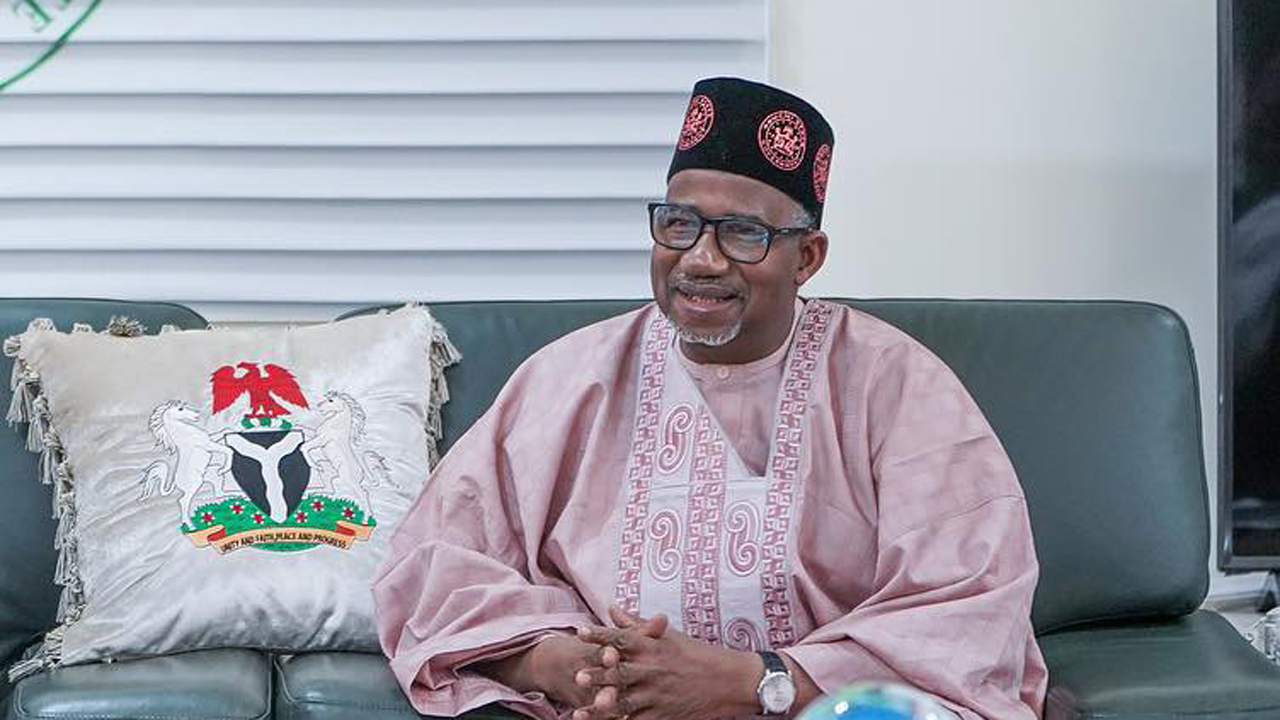
Bauchi Reduces Working Hours for Civil Servants During Ramadan
Bauchi Reduces Working Hours for Civil Servants During Ramadan
The Bauchi State Government has announced a reduction in working hours for civil servants during the holy month of Ramadan, aimed at accommodating fasting schedules and religious observances.
A statement issued by the State Head of Service, Dr. Yusuf Gidado, directed all civil service offices to adjust their working hours from 8:00 am to 2:00 pm throughout the month. The adjustment applies to both permanent and contract staff across all ministries, departments, and agencies.
Dr. Gidado urged civil servants to use the shortened working hours productively, maintain high performance, and continue delivering efficient public services to residents.
READ ALSO:
- E‑Transmission Alone Cannot Guarantee Free, Fair Elections – Shehu Sani
- Rosy Meurer Denies Snatching Churchill From Tonto Dikeh
- Gabon Suspends Social Media Over False Information, Cyber Threats
The government noted that the decision was part of its commitment to supporting employees during religious observances, ensuring they can fulfill both spiritual and professional duties without undue strain.
Officials also reminded staff to adhere to workplace regulations and maintain discipline despite the adjusted schedule, emphasizing that public service continuity remains a priority.
This move follows similar initiatives by other states in Nigeria that seek to balance work efficiency with religious observance during Ramadan.
Bauchi Reduces Working Hours for Civil Servants During Ramadan

-

 News3 days ago
Osogbo Sons and Daughters Mark 5th Anniversary with Awards, Political Undertones
-

 News1 day ago
Saudi Arabia Confirms Sighting of Ramadan Crescent, Fasting Begins Wednesday
-

 metro2 days ago
US Freezes Assets of Eight Nigerians Over Boko Haram, ISIL, Cybercrime Links
-

 News20 hours ago
Ramadan Begins in Nigeria as Sultan Confirms Crescent Sighting
-

 metro22 hours ago
Lagos Woman Shares Ordeal After Alleged Rape, Sparks Nationwide Outcry
-

 Entertainment2 days ago
Mystery in Lekki: Police Probe Death of Two Nollywood Crew Found Lifeless in Parked Car
-
 metro2 days ago
Terror in Lagos Traffic: Cutlass Gang Unleashes Mayhem on Mile 12–Ketu Road
-

 Auto2 days ago
Appeal Court Ruling on VIO Limited to Abuja, Not Lagos — LASG