
Railway
Abuja–Kaduna commuters return with cautious hope as train service resumes

Abuja–Kaduna commuters return with cautious hope as train service resumes
For many passengers boarding the early morning train at Idu Station on October 1st, the ride to Kaduna was more than a commute — it was a quiet test of trust.
After weeks of halted operations, the Abuja–Kaduna Train Service (AKTS) resumed on Wednesday, greeted by a mix of relief, curiosity, and cautious optimism from travellers.
From office workers to traders and students, passengers trickled back onto the familiar platforms, scanning the carriages with a sense of tentative reassurance.
Among them was Managing Director of the Nigerian Railway Corporation (NRC), Dr. Kayode Opeifa, who chose not to issue statements from an office but to ride alongside citizens.
His presence wasn’t just symbolic — it was a show of accountability, the
“Confidence can’t be restored with press releases alone,” one passenger remarked. “Seeing leadership onboard matters.”
Over the past few weeks, the NRC has conducted a low-profile but intensive recovery effort — training staff, tightening security, and reviewing safety protocols.
The return trip from Rigasa to Abuja was completed without incident, marking a smooth reopening of the corridor.
While speaking to journalists after the journey, Dr. Opeifa attributed the progress to “God’s grace and the hard work of unsung professionals” behind the scenes — engineers, cleaners, security teams — whose efforts rarely make headlines.
He reiterated the NRC’s renewed focus: not just reopening the rails, but reimagining them.
A newly established Customer Service Department is now operational, and modernization efforts, he promised, would no longer be just plans on paper.
Security remains a top concern. Uniformed officers were visible at every stop, while less obvious protections have reportedly been activated across the line.
Speaking with journalists after arrival at Rigasa, Dr. Opeifa highlighted the central role of a modern railway system in fostering national unity and development, noting that the administration of President Bola Ahmed Tinubu, has invested massively in rail infrastructure across the country.
The NRC boss reiterated his commitment to turning around the fortunes of the corporation by prioritizing the completion of ongoing projects, optimization of existing national rail assets, rehabilitation of all serviceable rolling stocks, expanding services, improving customer experience and modernization of operations and its efficiency particularly along the AKTS corridor.
For now, passengers say the most powerful sign of progress is simple: the train moved. It stopped. And it came back.
With the AKTS back on track, the real journey — toward lasting trust and true modernization — has only just begun.




Railway
Easter train: NRC increases Lagos-Ibadan trips, offers free Osun holiday transit
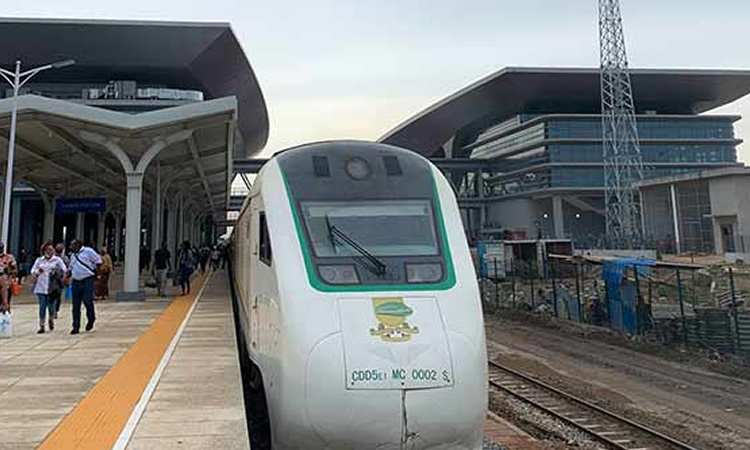
Easter train: NRC increases Lagos-Ibadan trips, offers free Osun holiday transit
With the 2026 Easter celebrations just around the length of a rail track away, the Nigerian Railway Corporation (NRC) has moved to prevent holiday travel gridlock by significantly boosting its service capacity.
In a move to accommodate the seasonal influx of travellers, the corporation announced a strategic mix of increased trip frequencies and a unique government-backed free transit programme.
The centrepiece of this holiday rollout is the Lagos-Ibadan Train Service (LITS). Anticipating a massive exodus from the coastal hub on Thursday, April 2, the NRC has added a third daily trip to its schedule. Commuters departing from the Mobolaji Johnson Station in Ebute Metta can now choose between 7:45am, 1:40pm, and 4pm slots.
Those returning from the Obafemi Awolowo Station in Ibadan have similar flexibility, with departures staggered at 8:00 a.m., 10:50am, and 4:30pm.
Adding a layer of relief for budget-conscious travellers, the NRC is collaborating with the Osun State Government to provide a fully funded narrow gauge service. This initiative allows passengers to travel from Lagos to Osogbo at no cost.
According to the corporation, the “free train” is scheduled to leave Iddo Station on Friday, April 3, at 10am, with the return leg bringing holidaymakers back to Lagos on Monday, April 6, at the same hour.
It also noted that while the South-West corridors see these specific boosts, the rest of the national network remains steady, the Northern Corridor (Abuja–Kaduna service) will maintain its robust schedule, offering up to three daily trips over the weekend to keep the Idu and Rigasa link fluid.
The Delta-Kogi Link (Warri–Itakpe line) continues its daily operations, though it will pause this Thursday for its standard safety maintenance window.
Also, the Eastern Line (The Port Harcourt–Aba service) remains on its morning-departure and afternoon-return cycle.
NRC management stressed that while capacity has increased, security and ticketing protocols remain a top priority. They are urging the public to arrive at stations early and cooperate with security personnel to ensure the holiday remains peaceful.
As the corporation looks toward a busy weekend, they continue to pitch rail travel as the safest and most dependable alternative for Nigerians traversing the country this Easter.
Railway
Eid-el-Fitr: NRC to Operate Three Lagos–Ibadan Train Trips on March 23

Eid-el-Fitr: NRC to Operate Three Lagos–Ibadan Train Trips on March 23
The Nigeria Railway Corporation (NRC) has announced the operation of three scheduled train trips on the Lagos–Ibadan Train Service (LITS) corridor on Monday, March 23, in response to increased passenger demand during the Eid-el-Fitr travel period.
The announcement was made in a statement by NRC spokesperson Callistus Unyimadu, who explained that the additional services are intended to ease passenger movement, reduce congestion, and provide more travel options for commuters returning after the festive celebrations. He noted that the Lagos–Ibadan rail route, connecting Lagos and Ibadan, remains one of the busiest rail corridors in the country, particularly during public holidays when road traffic is usually heavy.
According to the NRC, departures from Lagos will take place at the Mobolaji Johnson Train Station at 7:45 a.m., 1:40 p.m., and 4:00 p.m. From Ibadan, trains will depart from the Obafemi Awolowo Train Station at 8:00 a.m., 10:50 a.m., and 4:30 p.m. The corporation said the schedule was designed to improve travel flexibility, enhance rail transport convenience, and accommodate the surge in passenger turnout typically recorded during festive periods.
READ ALSO:
- BBL Death: Joe Akatugba Warns Actresses Against Cosmetic Surgery for Fame
- Dangote Petrol Price Hits ₦1,275/Litre After Fifth Hike in March
- Festival of Fertility: FG Orders Arrest, Promises Justice for Victims
Unyimadu reaffirmed the corporation’s commitment to delivering safe, reliable, and efficient rail services, noting that operational adjustments are often made during peak travel seasons to meet growing demand. He advised passengers to arrive early at train stations, comply with ticketing and security procedures, and plan their journeys in advance to avoid delays or inconvenience.
The NRC also appreciated passengers for their continued patronage and cooperation, describing it as essential to maintaining smooth operations across its services. The introduction of additional train trips is part of broader efforts to support intercity mobility during high-demand periods such as Eid-el-Fitr, when large numbers of Nigerians travel between major cities.
Rail services along the Lagos–Ibadan corridor have increasingly become a preferred alternative to road transport due to their relative speed, safety, and reduced exposure to highway congestion. Transport authorities continue to encourage the use of rail infrastructure as part of efforts to improve public transportation efficiency and ease pressure on Nigeria’s road networks during festive seasons.
Eid-el-Fitr: NRC to Operate Three Lagos–Ibadan Train Trips on March 23
Railway
NRC announces free train rides, extra trips for Eid Fitr
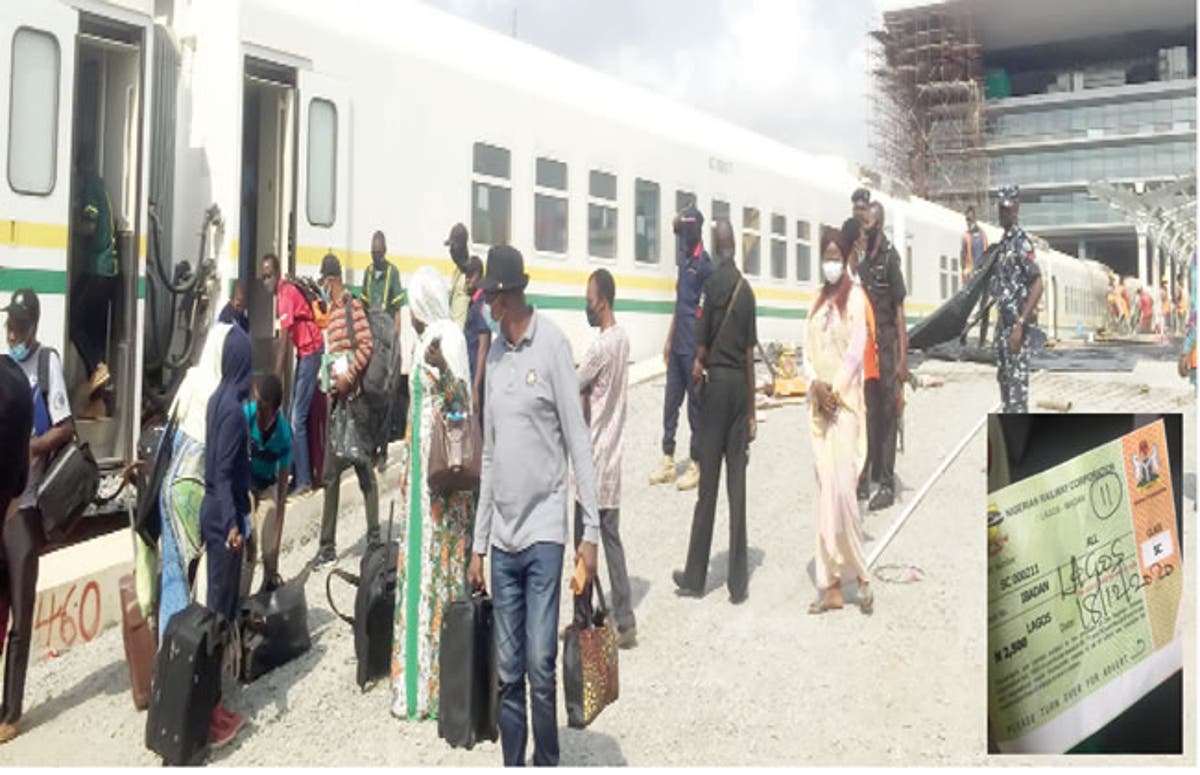
NRC announces free train rides, extra trips for Sallah special
Getting home for the holidays just got a whole lot easier as the Nigerian Railway Corporation (NRC) has rolled out its special Sallah train schedule, deploying extra trips and increasing capacity to ensure Nigerians can celebrate Eid-el-Fitr with their loved ones without the usual travel stress.
From the bustling Lagos-Ibadan corridor to the scenic Warri-Itakpe route, the NRC is stepping up its game to handle the festive surge.
Its key highlights of the Sallah schedule as contained in its latest statement are as follows:
* Lagos–Ibadan (LITS): On Thursday, March 19, the service will run three special trips.
* From Lagos: 7:40 a.m., 1:40 p.m., and 4:00 p.m.
* From Ibadan: 8:00 a.m., 10:50 a.m., and 4:30 p.m.
* Abuja–Kaduna (AKTS): To keep the capital connected, the NRC is boosting frequency. After two trips on Thursday, the corridor will move to three trips daily from Friday, March 20, through Monday, March 23.
* Warri–Itakpe (WITS): This route maintains its thrice-weekly flow.
* Warri to Itakpe: Sundays, Tuesdays, and Fridays (8:00 a.m.).
* Itakpe to Warri: Mondays, Wednesdays, and Saturdays (12:00 p.m.).
* Eastern Narrow Gauge: The Port Harcourt–Aba service remains fully operational on its regular schedule, ensuring the South-East stays moving.
These details are contained in a statement signed by the NRC Chief Public Relations Officer, Callistus Unyimadu.
Osun free rides
In a heart-warming partnership, the NRC and the Osun State Government are bringing back the Imole Special Train.
Indigenes of Osun State can travel from Iddo Station in Lagos to Osogbo free of charge. This initiative, fully sponsored by the state, aims to ease the financial burden on families during the festive season.
“This special arrangement is designed to accommodate increased passenger traffic… ensuring a safe, reliable, and efficient rail transport service,” stated Callistus Unyimadu, NRC’s Chief Public Relations Officer.
Tips for travellers
To ensure your trip is as smooth as the tracks, the NRC recommends:
* Arrive Early: Be at the station well ahead of your departure time.
* Verify Tickets: Ensure you follow all official ticketing and security protocols.
* Check the Date: Remember that the Lagos-Ibadan special three-trip schedule is for March 19 only before reverting to normal service.

-

 Railway2 days ago
Easter train: NRC increases Lagos-Ibadan trips, offers free Osun holiday transit
-

 Education3 days ago
JAMB Releases 2026 UTME Mock Results, Delists Over 20 CBT Centres
-

 Entertainment3 days ago
Iyabo Ojo Quits Mediation Between Funke Akindele, Toyin Abraham
-

 metro24 hours ago
VeryDarkMan Dares Sowore Over Blord’s Kuje Prison Remand
-

 metro1 day ago
Nigerians to Enjoy Four-Day Break as FG Declares Easter Holidays
-

 Politics3 days ago
Adebayo Adelabu Resigns as Power Minister to Run for Oyo State Governorship
-
 Business1 day ago
NNPC Boosts Crude Supply to Dangote Refinery to Address Rising Fuel Prices
-
 metro2 days ago
Power Crisis Looms as NLC Shuts AEDC, Protests Sack of 900 Workers