
metro
Army rescues 12 abducted residents, arrests two suspects in Enugu

Army rescues 12 abducted residents, arrests two suspects in Enugu
Troops of the Nigerian Army’s 82 Division Garrison, operating under Operation Eastern Sanity, have successfully rescued 12 kidnapped victims and arrested two suspected kidnappers in Ette Community, Igbo-Eze North Local Government Area, Enugu State.
The rescue followed a distress call on Friday reporting that several residents had been abducted by suspected kidnappers in the community. Acting on the information, the troops swiftly mobilised alongside police operatives, Forest Guards, and members of the Neighbourhood Watch to the suspected hideout where the victims were believed to have been held.
A statement shared on the verified X handle of the Nigerian Army on Saturday explained that the security team immediately launched aggressive search operations and fighting patrols across the area to track down the kidnappers and secure the victims’ safe release.
“Responding swiftly and with precision, the troops immediately mobilised in conjunction with police operatives, Forest Guards and members of the Neighbourhood Watch, advancing to the suspected area where the victims were believed to have been taken,” the statement said.
READ ALSO:
- Troops kill bandit leader Kachallah, 44 others as three soldiers die in Katsina
- Recapitalisation: 30 Nigerian banks meet CBN minimum capital requirement
- ‘I hated my birth name Blessing’ — BBNaija winner Phyna opens up on painful childhood
Security sources revealed that the kidnappers abandoned the victims and fled upon noticing the approach of the security forces. “Overwhelmed by the rapid response and superior combat readiness of the troops, the kidnappers abandoned their captives and fled the scene,” the statement added.
The troops pursued the fleeing suspects while securing the area, successfully rescuing all 12 victims unharmed. During the operation, two suspects linked to the kidnapping were arrested and are currently undergoing interrogation to track down other members of the gang.
Sources close to the military said the operation also recovered items believed to belong to the kidnappers, including mobile phones, motorcycles, and improvised weapons. The swift response reportedly prevented what could have escalated into further violence or ransom demands.
Following the rescue, Operation Eastern Sanity troops have intensified patrols and surveillance across Ette Community and neighbouring areas to prevent further criminal activity and reassure residents of their safety.
The Nigerian Army commended the collaboration between the military, police, Forest Guards, and community vigilance groups, noting that such coordinated efforts have been critical in tackling kidnapping and other criminal activities in the South-East region.
Residents of Ette Community praised the troops for their rapid intervention, saying the operation restored confidence and a sense of security in the area.
Security analysts noted that operations like this form part of a broader strategy by the Nigerian Army to curb kidnapping, banditry, and violent crimes, especially in rural communities vulnerable to criminal gangs.
Army rescues 12 abducted residents, arrests two suspects in Enugu







metro
Igbo Union Rejects State Police, Advocates Return to Pre‑1966 Regional Policing
Igbo Union Rejects State Police, Advocates Return to Pre‑1966 Regional Policing
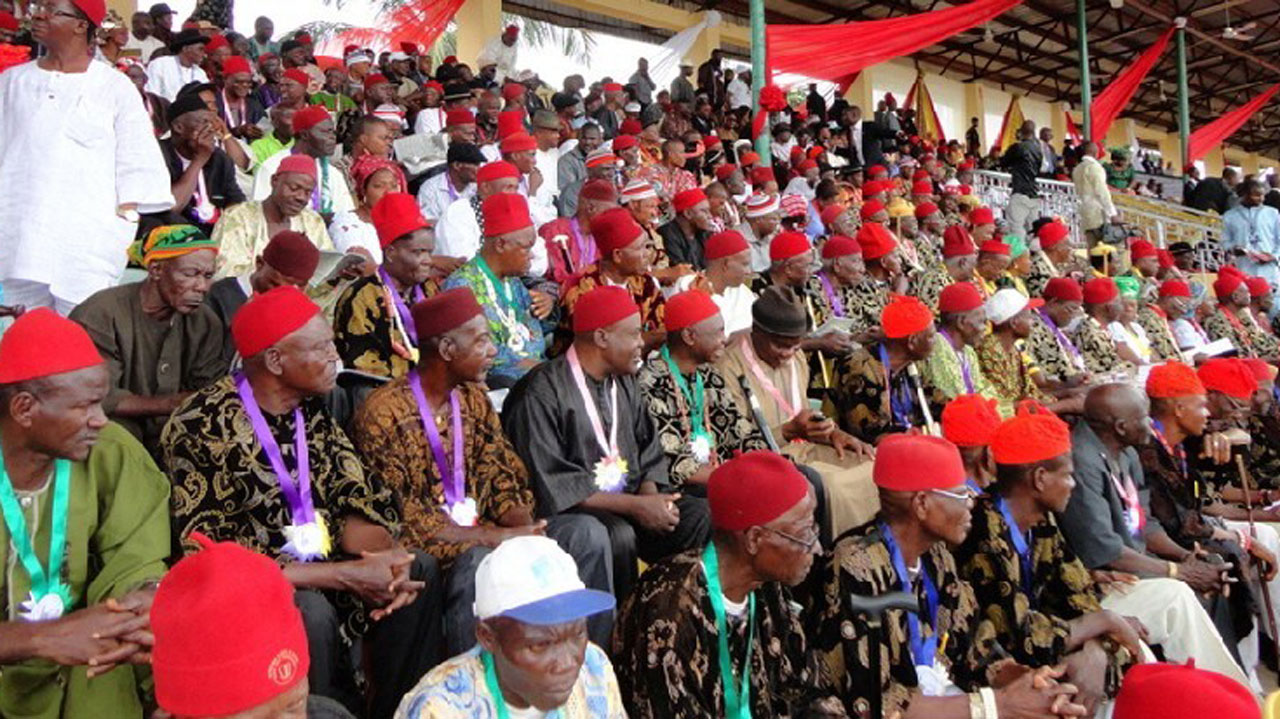
A major pan‑Igbo socio‑political organisation, the Ndi Igbo Worldwide Union, has formally rejected ongoing proposals to establish state police in Nigeria, insisting the country should instead restore a regional policing system similar to the one that operated before the 1966 military coup.
In a statement signed on Saturday by its President, Mazi Ben Nwankwo, and Secretary, Chief Charles Edemuzo, the union argued that regional policing remains the most effective way to tackle Nigeria’s worsening security challenges, including banditry, kidnapping and communal violence. “State police is not the answer. Regional police, modeled on the successful architecture of 1955–1966, is the minimum requirement for meaningful reform,” the group said. The union highlighted Nigeria’s relatively stable period when regions maintained their own police forces and officers drawn from local communities, fostering trust and better understanding of local languages and cultures.
The union said many Nigerians have lost confidence in the current centralized policing system and warned that establishing state police in its present form would not address underlying problems. Instead, the group suggested that policing should be organised along regional lines, with each of Nigeria’s six geopolitical zones — North West, North East, North Central, South East, South West and South‑South — operating regional police commands. “Nigeria’s most progressive and peaceful era occurred between 1955 and 1966 when the regions operated their own police forces,” the statement said. “Indigenous officers policed familiar terrain, spoke local languages, and understood community dynamics. This fostered trust and improved security.”
READ ALSO:
- Nigeria’s Mall Retail Falters as Shoprite Completes Shutdown After 20 Years
- Iran Launches ‘Massive’ Drone Strikes on Israel, US Bases
-
Daniel Bwala Faces Backlash After Al Jazeera Interview With Mehdi Hasan
The union argued that centralization introduced after the 1966 military takeover dismantled that effective system and replaced it with a distant national force often unfamiliar with the communities it serves, leading to mistrust and inefficiency. The group stressed that sending officers from distant regions to command policing operations could create tensions and reduce public trust in law enforcement.
The debate over state police has drawn varied reactions. President Bola Tinubu has been advocating for constitutional amendments to allow state police, describing the move as part of broader efforts to address security gaps nationwide. Supporters maintain that decentralising policing would enable faster, localised responses to threats and greater accountability to local communities. However, security experts have issued cautious views. Professor Johnson Ude, a criminologist at the University of Lagos, told reporters that while the idea of state police is attractive in principle, it must be carefully structured to avoid partisan misuse and ensure federal oversight. “Without strong legal safeguards and clear operational frameworks, state police could be weaponised by state executives, weakening national cohesion rather than strengthening security,” Prof. Ude said. Similarly, Dr. Aminu Waziri, a security analyst based in Abuja, noted that state policing must be paired with robust accountability mechanisms. “The key challenge is not just who controls the police, but how the force is trained, funded and integrated into a broader national security architecture,” Waziri said.
Some community leaders in the South‑East echoed the union’s concerns. Elder Chukwuemeka Okoroafor, chairman of a civil society group in Enugu, said state police alone won’t solve deep‑rooted security problems. “Security starts with community trust. If people believe law enforcement respects local norms and fairness, we build partnerships that enhance safety,” Okoroafor said. But others believe a combination of reforms may be necessary. Mrs. Nkechi Nwosu, a grassroots activist in Anambra, told journalists that while state police might be helpful, it must be backed by training, accountability and community policing initiatives, not just political decentralisation.
Beyond policing, the Ndi Igbo Worldwide Union warned that Nigeria must embark on deeper constitutional and structural reforms to preserve unity and stability. “The time for cosmetic fixes is over. Nigeria must return to the regions — or risk losing the federation altogether,” the union said, urging President Tinubu and the National Assembly to prioritise constitutional amendments that restore regional autonomy in governance and security, not just create state police units. It added that failure to restore genuine regional autonomy could leave self‑determination as the only remaining option for peoples who can no longer endure systemic failure.
Igbo Union Rejects State Police, Advocates Return to Pre‑1966 Regional Policing
metro
Nigeria’s Mall Retail Falters as Shoprite Completes Shutdown After 20 Years

Nigeria’s Mall Retail Falters as Shoprite Completes Shutdown After 20 Years
Nigeria’s bustling mall economy, estimated to be worth about ₦2.5 trillion, has taken a significant hit with the final shutdown of South Africa‑origin retail giant Shoprite across the country after more than 20 years of operations. The supermarket chain — once a key anchor tenant in major retail complexes — has now closed all its outlets, triggering losses across the broader retail ecosystem.
Retail industry analysts estimate that approximately ₦1.4 trillion in economic activity may have been lost with Shoprite’s departure, as hundreds of ancillary businesses that depended on the supermarket’s presence are now experiencing sharp revenue declines or closure. Many suppliers, workers, and small business owners who thrived on Shoprite‑driven foot traffic are struggling to stay afloat amid the fallout.
Impact on Jobs, Supply Chains and Small Businesses
Vanguard’s investigations reveal the shutdown has directly affected thousands of staff and suppliers. Shoprite served not just as a retail outlet for groceries and household goods but also as a bulk purchaser for local producers, including food manufacturers, beverage suppliers and distributors of Nigerian‑made products. With its exit, these suppliers have lost a major sales channel, forcing some to scale down or entirely halt operations.
Inside many malls where Shoprite operated — such as Festac Mall and Apapa Mall in Lagos, Dugbe and Ring Road malls in Ibadan, and various complexes in Abuja and Akure — smaller stores that thrived on customer spill‑over traffic have seen business plunge. Boutique owners, eateries, pharmacies, phone accessories shops, and cinema outlets say sales have dropped significantly since Shoprite’s shelves went empty and doors closed permanently.
READ ALSO:
- Iran Launches ‘Massive’ Drone Strikes on Israel, US Bases
- Petrol Prices Reach ₦1,080 Per Litre in Lagos as Global Oil Prices Soar
- Daniel Bwala Faces Backlash After Al Jazeera Interview With Mehdi Hasan
A fashion retailer at Apapa Mall told our correspondent that her sales dropped sharply after Shoprite shut down in mid‑2025, with customer flow dwindling from consistent daily shoppers to sporadic walk‑ins. “People came to Shoprite for groceries and then checked other shops. Now only a few customers show up,” she said.
The Downward Spiral: From Crowded Shelves to Empty Aisles
Shoprite first entered Nigeria in 2005, rapidly expanding to about 25 outlets across 13 states due to strong consumer adoption. The brand transformed grocery and household shopping for many Nigerians and became a cornerstone of the mall retail culture.
However, a combination of long‑term financial pressures — including rising foreign exchange costs, logistics challenges, import tariff increases, post‑pandemic disruptions, and persistent inventory shortages — gradually weakened the business. In 2021, Shoprite Holdings Limited of South Africa exited direct ownership, selling the Nigerian operations to Retail Supermarkets Nigeria Limited (RSNL), owned in part by Ketron Investment Limited and Persianas Investment.
Under NESNL leadership, led by entrepreneur Toby Amusan, optimism briefly returned as festive seasons saw renewed activity, and families once again flocked to Shoprite stores. Yet by 2024, customers began noticing empty shelves at several locations, and by late 2025, multiple outlets in Lagos and other cities had shut their doors entirely.
In Kano, the Ado Bayero Mall Shoprite — once a lively retail hub — closed as early as January 2024. Residents said the mall, once buzzing with activity, now recorded low foot traffic with many stalls empty or operating at minimal capacity.
Economy, Employment and Community Voices
Across Akure in Ondo State, the shuttered Shoprite outlet on Igbatoro Road now stands under lock and key, with empty aisles and deserted premises. Former staff, such as sales attendant Fatima Ogundari, described how the closure left employees stranded with few alternatives. “I started a POS business just to survive. Many of my colleagues are still searching for new means of livelihood,” she said.
READ ALSO:
- Army rescues 12 abducted residents, arrests two suspects in Enugu
- Troops kill bandit leader Kachallah, 44 others as three soldiers die in Katsina
- Recapitalisation: 30 Nigerian banks meet CBN minimum capital requirement
Local retailers also say their supply chains have been disrupted, forcing them to pivot to other customers or reduce stock. A boutique sales representative said: “Shoprite used to buy in bulk from suppliers, helping many businesses grow. Now we’re stuck with unsold products and fewer outlets for distribution.”
At Festac Mall, while unrelated attractions like the hotel and club still draw visitors, many smaller shops have scaled back operations due to a steep drop in customers. A sports shoe seller explained sales that once reached over ₦2.5 million weekly now barely pull ₦1 million, making it difficult to cover rent and utilities.
Ibadan and Abuja Feel the Pain Too
In Ibadan, the closure of Shoprite outlets at Dugbe and Ring Road turned once‑lively malls into near‑quiet spaces. Shop shelves that once offered competitive pricing and weekly deals now sit mostly empty, with reduced foot traffic affecting shops and suppliers alike. Former staff report layoffs and modest severance arrangements that did little to offset job losses.
One supervisor at the Ring Road outlet described how rumours of irregularities circulated before the closure, but most employees were unaware of the full reasons. A local food supplier said the supermarket’s exit affected his turnover, forcing him to target smaller retailers with lower demand.
In Abuja, Shoprite’s closure at Silverbird Mall since September 2025 left a large retail void. Mall managers say business hasn’t collapsed entirely, but the absence of a major anchor tenant has altered customer flow patterns, reducing overall visits. Some complexes have begun attracting new tenants. In Novare Central, for example, SPAR is poised to take over the former Shoprite space, offering cautious optimism that foot traffic and sales might recover once operations fully commence.
Warri & Kaduna: Varying Experiences
In Warri, Delta State, the Shoprite outlet at Effurun roundabout remains open but struggling. Customers and ancillary vendors report slow sales due to ongoing mall reconstruction projects and reduced attraction from surrounding shops. Some independent supermarkets have opened around the Shoprite building, but local operators complain of weak patronage and lower demand for goods that Shoprite previously drew into the area.
In Kaduna, the Shoprite outlet on Independence Way stands completely shut, with no staff or customers in sight — a sign that the shutdown was part of a nationwide winding‑down strategy rather than isolated store closures.
’Not an Exit, But a Reset’ — RSNL’s Position
While many Nigerians view the shutdown as a final departure, Retail Supermarkets Nigeria Limited (RSNL) insists the process represents a “comprehensive business model reset” aimed at aligning operations with current economic realities. Chief Strategy Officer Bunmi Cynthia Adeleye said the reset is intended for long‑term sustainability amid macroeconomic headwinds, but did not provide a clear timeline for reopening or large‑scale return.
For now, questions linger over when or if Shoprite outlets will resume large‑scale operations in Nigeria. Until then, the shutdown continues to weigh heavily on the mall economy, consumer confidence, and the interconnected web of small businesses that once thrived in Shoprite’s shadow.
Nigeria’s Mall Retail Falters as Shoprite Completes Shutdown After 20 Years
metro
Daniel Bwala Faces Backlash After Al Jazeera Interview With Mehdi Hasan
Daniel Bwala Faces Backlash After Al Jazeera Interview With Mehdi Hasan
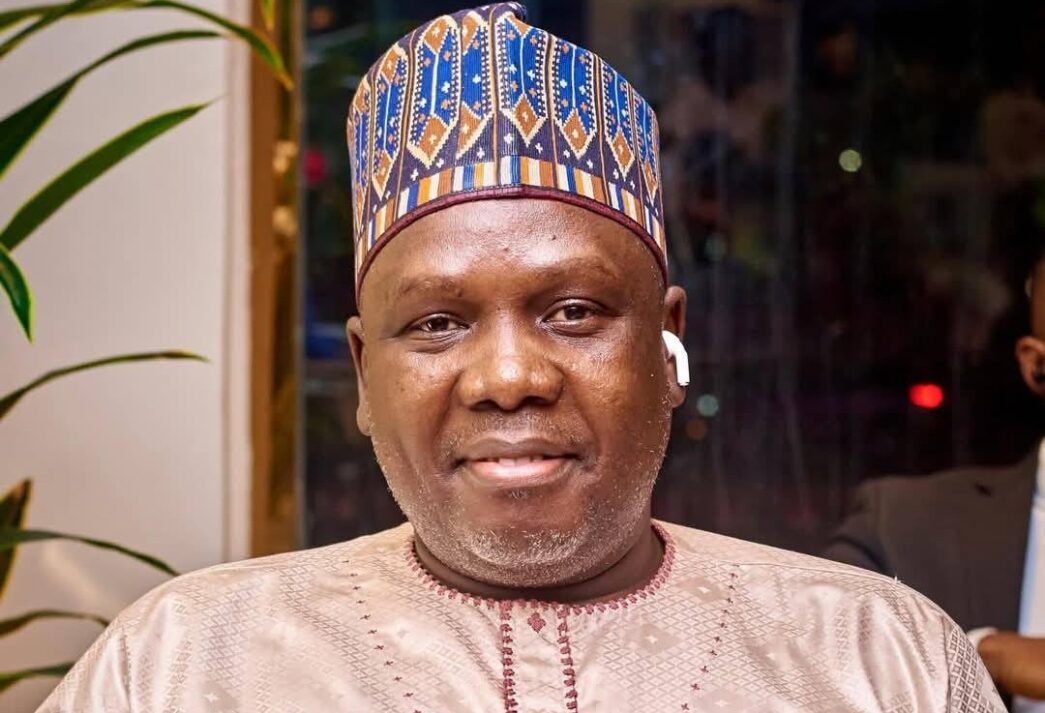
Daniel Bwala, Special Adviser to President Bola Tinubu on Policy Communication, has come under intense scrutiny following his appearance on Al Jazeera’s “Head to Head” with Mehdi Hasan, where he defended the administration against questions on insecurity, corruption, and governance.
During the interview, Bwala repeatedly denied past statements he made while a critic of the Tinubu administration, prompting widespread criticism from political commentators and Nigerians online. Observers described his defence as a forensic exposure of inconsistencies, highlighting what many called “contextual revisionism” in the Presidency’s communication strategy.
The discussion began with questions about the worsening security situation in Nigeria, particularly incidents involving militias and kidnappings. Hasan read back documented statements and press briefings from Bwala’s earlier political career, during which he had accused the APC government of fostering insecurity. Bwala responded with repeated denials, including phrases like “I never said that” and “I am not aware.”
READ ALSO:
- Army rescues 12 abducted residents, arrests two suspects in Enugu
- Troops kill bandit leader Kachallah, 44 others as three soldiers die in Katsina
- Recapitalisation: 30 Nigerian banks meet CBN minimum capital requirement
Critics argue that Bwala’s approach reflects a broader trend among political figures in Nigeria, where past critics of power often pivot to defend the same government they previously opposed. Figures like Reno Omokri and Femi Fani-Kayode have been cited as similar examples of this pattern. Social media users have labeled Bwala’s actions as the “Anywhere Belle Face” phenomenon, where political loyalty is flexible and principles appear secondary to opportunism.
Political analysts warn that such shifts in narrative have significant consequences. A government spokesperson who distorts or denies past statements undermines public trust, weakens Nigeria’s image internationally, and complicates efforts to combat disinformation and deepfake media. Observers say the interview revealed how institutional credibility can be damaged when officials prioritize political expediency over transparency.
Reactions to Bwala’s performance were largely negative. Many Nigerians on social media described the interview as embarrassing and damaging to the Presidency, while commentators warned that professionalism and accountability should guide spokespersons representing the nation on global platforms.
The controversy underscores a critical question for Nigeria: in an era dominated by digital records and social media, can political actors maintain credibility without acknowledging past statements, or will opportunistic pivots continue to dominate public discourse?
The Bwala interview serves as a cautionary tale, demonstrating that political “receipts” in the digital age can swiftly counter attempts at narrative revision, reinforcing the need for consistency, accountability, and integrity in official communications.
Daniel Bwala Faces Backlash After Al Jazeera Interview With Mehdi Hasan

-

 Education1 day ago
NERD Registration Now Mandatory for NYSC Participation, FG Confirms
-
 News2 days ago
FG Approves Medical Fellowships as PhD Equivalent in Nigerian Universities
-

 metro2 days ago
Police Announce Dates, Requirements for 2026 Constable Recruitment Screening
-

 Entertainment1 day ago
Davido Loses Close Friend Denisi Amid ₦1bn Legal Dispute
-

 News1 day ago
BREAKING: Tinubu Posts Yakubu, Omokri, Fani-Kayode, 62 Other Ambassadors (Full List)
-

 metro2 days ago
Family Prepares Funeral for Abducted NYSC Member After ₦10m Ransom Fails
-

 metro1 day ago
CSP Aliyu Giwa Set to Become Nigeria Police Force PRO, Replacing Hundeyin
-

 metro2 days ago
Leadership Reshuffle: IGP Tunji Disu Removes Hundeyin as Nigeria Police Force PRO