
Business
Aviation fuel, cooking gas prices crash

Aviation fuel, cooking gas prices crash
Price of aviation fuel otherwise called Jet A1 has dropped from about N800 per litre to an average of N650 in Nigeria.
Similarly, cooking gas has recorded a downward slide in price from N9,500 for 12.5kg to N6,500.
The downward trend in prices of the two petroleum products, according to a new report by Daily Trust, is coming after the Federal Government announced the removal of petrol subsidy.
Ironically, while the subsidy removal has caused the rise in petrol price from N187 per litre to about N500, aviation fuel and cooking gas are witnessing a reduction in prices.
Daily Trust checks indicated that Jet A1 was sold at N620 in Lagos; N660 in Abuja and N680 in Kano.
“The price is crashing and I think we can’t explain the trend but I want to believe it is the forces of demand and supply that are at play.
“This has been the development since last week when fuel subsidy was removed from Jet A1. It appears this is a spontaneous reaction to developments in the oil and gas market,” said an operator.
Daily Trust reports that the price of Jet A1 skyrocketed beyond what the operators expected, hitting almost N1,000 per litre last year.
One of the operators who spoke with our correspondent said the reduction in price of Jet A1 is a respite to airlines.
This is the situation with cooking gas with 12.5 kg crashing from about N14,000 to N6,950 in Lagos and about N8,000 in other states as at yesterday.
Checks at different locations yesterday indicated that the cooking gas was being sold at about N700 per kg as against over N1,000 a few weeks ago.
Energy expert, Olusesan Okunade, said, “I think it is just the forces of demand and supply that are working on the gas which we talked about in terms of liberalisation. I am sure because there is no fund in circulation, people are not buying so much. So there is supply, rather than wasting the resources, you will rather dispose at a very minimal margin. There is no gimmick for what is happening. I learned as of today (yesterday), it is about N6,950. It has no correlation with fuel subsidy.
“To the best of my knowledge, I have not heard anything being responsible for this. People just want to dispose of those things, and sell at a minimal margin as against when we were buying it N12,000; N13,000.
“For Jet A1, the demand is on the high side, people are still traveling. It is a specialized fuel for airlines. I have not heard anything special that they have done but I don’t think it is in correlation with removal of fuel subsidy.”




Business
NNPC Boosts Crude Supply to Dangote Refinery to Address Rising Fuel Prices
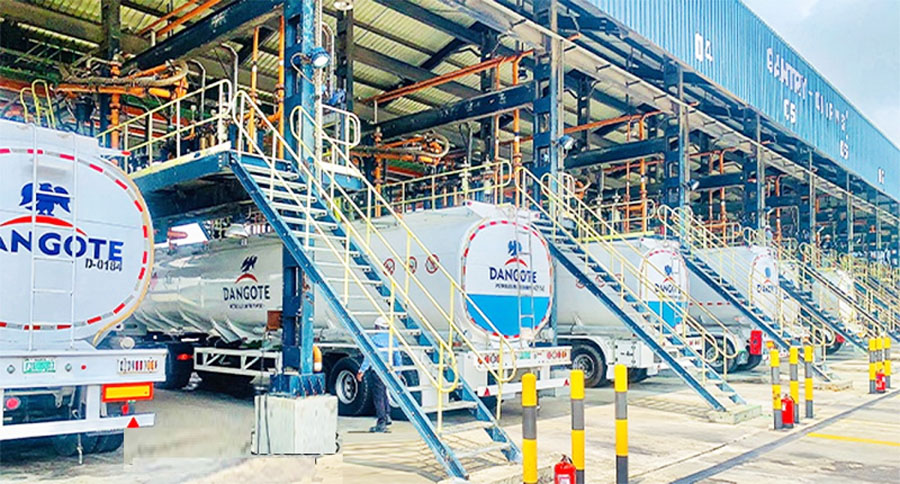
NNPC Boosts Crude Supply to Dangote Refinery to Address Rising Fuel Prices
The Nigerian National Petroleum Company Limited (NNPC) has raised the allocation of crude oil cargoes to the Dangote Petroleum Refinery from five to seven cargoes for May 2026, a strategic move aimed at strengthening domestic fuel production and reducing Nigeria’s dependence on imported crude amid rising petrol prices.
According to Reuters, two trade sources and a senior refinery official confirmed the development. “NNPC has allocated more cargoes to Dangote Refinery for May. While this will not completely meet our demands, it can help. We are also in negotiation with NNPC for additional volumes,” the official said.
READ ALSO:
- Couple Jailed 15 Years for Selling Infant, Toddler in Calabar
- IGP Orders Massive Security Deployment in Plateau After Deadly Jos Killings
- Ohanaeze Ndigbo Disowns ‘Igwe Ndigbo’ Installation in South Africa
For April 2026, the refinery will continue to receive the five cargoes previously allocated, as the increase only takes effect in May. Dangote Refinery CEO, David Bird, had earlier stated that the plant typically requires 13 to 15 cargoes per month under the crude-for-naira programme, but currently receives only five. The shortfall has forced the refinery to import additional crude at premiums of up to $18 per barrel above Brent crude prices, driven by global market disruptions, including the ongoing Iran-US-Israel conflict.
The refinery, which has a production capacity of 650,000 barrels per day, has been increasing gasoline supplies to Nigeria’s domestic market, currently meeting over two-thirds of daily petrol demand, roughly 60 million litres. However, the limited crude supply has exposed the refinery to global price volatility, prompting multiple ex-gantry price adjustments in March 2026 — from ₦774 to ₦1,275 per litre, before settling at ₦1,200 per litre.
Analysts say the increased allocation of crude cargoes will help ease the pressure on domestic petrol prices and provide a buffer against international crude market fluctuations, but the refinery still relies partly on imports to meet its full operational capacity. The move underscores NNPC’s commitment to supporting local refining capacity and ensuring energy security in Nigeria.
NNPC Boosts Crude Supply to Dangote Refinery to Address Rising Fuel Prices
Railway
Easter train: NRC increases Lagos-Ibadan trips, offers free Osun holiday transit
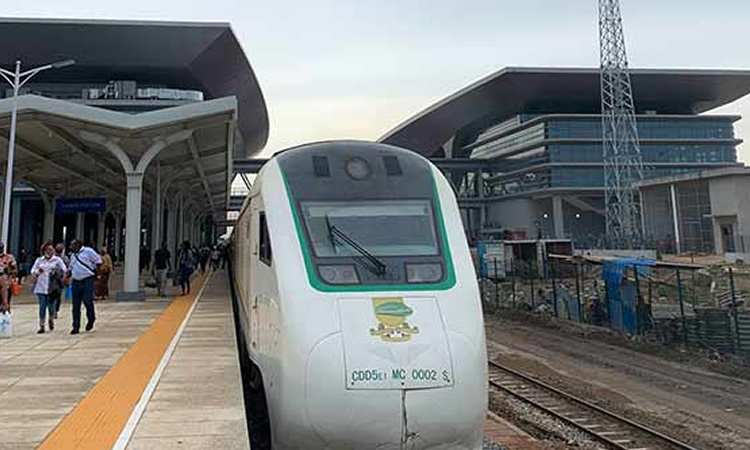
Easter train: NRC increases Lagos-Ibadan trips, offers free Osun holiday transit
With the 2026 Easter celebrations just around the length of a rail track away, the Nigerian Railway Corporation (NRC) has moved to prevent holiday travel gridlock by significantly boosting its service capacity.
In a move to accommodate the seasonal influx of travellers, the corporation announced a strategic mix of increased trip frequencies and a unique government-backed free transit programme.
The centrepiece of this holiday rollout is the Lagos-Ibadan Train Service (LITS). Anticipating a massive exodus from the coastal hub on Thursday, April 2, the NRC has added a third daily trip to its schedule. Commuters departing from the Mobolaji Johnson Station in Ebute Metta can now choose between 7:45am, 1:40pm, and 4pm slots.
Those returning from the Obafemi Awolowo Station in Ibadan have similar flexibility, with departures staggered at 8:00 a.m., 10:50am, and 4:30pm.
Adding a layer of relief for budget-conscious travellers, the NRC is collaborating with the Osun State Government to provide a fully funded narrow gauge service. This initiative allows passengers to travel from Lagos to Osogbo at no cost.
According to the corporation, the “free train” is scheduled to leave Iddo Station on Friday, April 3, at 10am, with the return leg bringing holidaymakers back to Lagos on Monday, April 6, at the same hour.
It also noted that while the South-West corridors see these specific boosts, the rest of the national network remains steady, the Northern Corridor (Abuja–Kaduna service) will maintain its robust schedule, offering up to three daily trips over the weekend to keep the Idu and Rigasa link fluid.
The Delta-Kogi Link (Warri–Itakpe line) continues its daily operations, though it will pause this Thursday for its standard safety maintenance window.
Also, the Eastern Line (The Port Harcourt–Aba service) remains on its morning-departure and afternoon-return cycle.
NRC management stressed that while capacity has increased, security and ticketing protocols remain a top priority. They are urging the public to arrive at stations early and cooperate with security personnel to ensure the holiday remains peaceful.
As the corporation looks toward a busy weekend, they continue to pitch rail travel as the safest and most dependable alternative for Nigerians traversing the country this Easter.
Business
Dangote Refinery Secures $4 Billion Syndicated Loan with $2.5 Billion Backing from Afreximbank
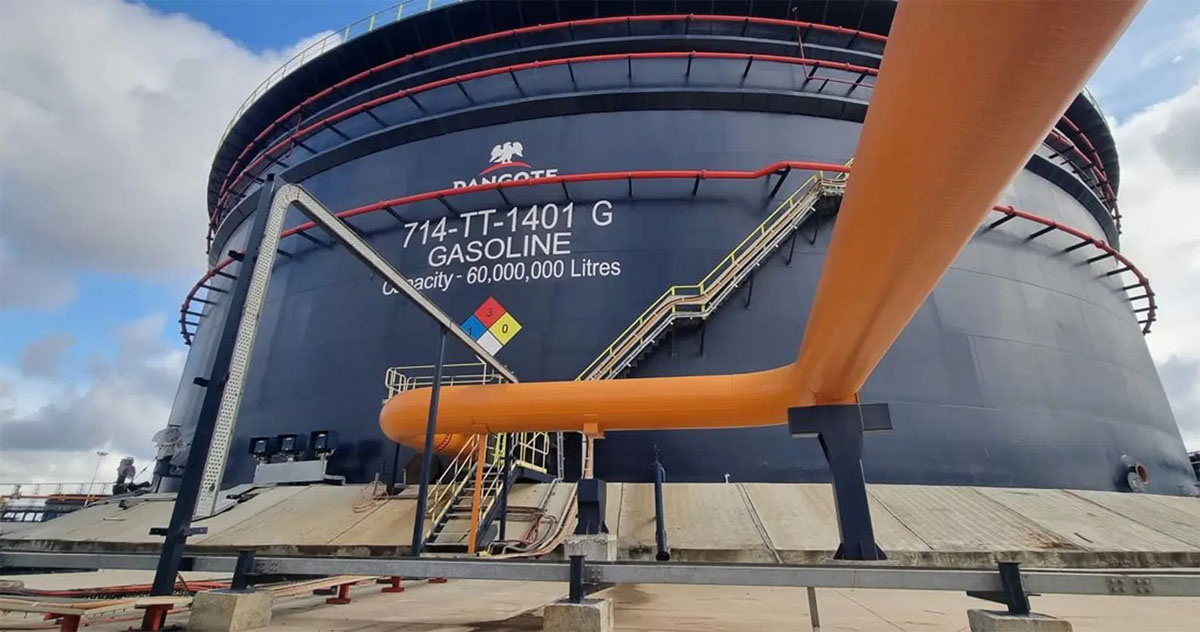
Dangote Refinery Secures $4 Billion Syndicated Loan with $2.5 Billion Backing from Afreximbank
The African Export‑Import Bank (Afreximbank) has underwritten $2.5 billion of a $4 billion senior syndicated term loan for the Dangote Petroleum Refinery and Petrochemicals (DPRP), one of the continent’s most transformative industrial projects.
In a statement confirming the financing, Afreximbank said it and Access Bank Plc have been appointed co‑mandated lead arrangers for the five‑year facility, designed to enhance the refinery’s financial position and support its long‑term growth ambitions.
The syndicated loan — a financing structure involving a group of lenders jointly providing a large credit facility — marks a pivotal milestone for DPRP, which has a processing capacity of 650,000 barrels per day, making it one of the world’s largest single‑train refineries. The facility is expected to improve balance‑sheet flexibility, strengthen financing structures, and support DPRP’s role as a strategic supplier of refined petroleum products across Africa and global markets.
Since its commissioning in February 2024, the refinery has significantly reduced Nigeria’s dependence on imported refined products and opened opportunities for refined fuel exports, bolstering Africa’s energy security. Afreximbank noted that its involvement with the project goes beyond the latest credit facility:
- It provided a $1 billion working capital facility to support refinery operations.
- It acted as financial adviser on the Naira‑for‑Crude Initiative, a programme aimed at enabling crude oil purchases and refined product sales in Naira, thus reducing exposure to foreign exchange volatility.
READ ALSO:
- Tinubu Holds Urgent Meetings with Ganduje, Badaru as APC Defections Surge
- EFCC Re-Arraigns Nadabo Energy Boss Over ₦1.4bn Oil Fraud
- US Senator Ted Cruz Alleges Nigerian Officials Behind Christian Killings
In his remarks, Dr. George Elombi, President and Chairman of Afreximbank’s Board of Directors, said the bank takes pride in being the largest financier of the Dangote Group, with cumulative commitments of about $15 billion across its businesses since 2015.
“We do so primarily because Dangote is African,” Elombi said. “When we invest in ourselves, we do more than create jobs, wealth, or expand government revenues; we build a secure and resilient future for our continent.”
He added that Afreximbank remains committed to supporting transformative indigenous industrial projects that strengthen regional value chains and accelerate economic development across Africa.
Elombi described the Dangote Refinery as a “bold symbol of African ambition, African capital, and African execution.” According to him, beyond expanding refining capacity, the project will help reduce dependence on imported fuel, support intra‑African trade, and catalyse industrial growth.
Dangote Industries Limited also expressed appreciation for Afreximbank’s continued confidence and strategic support. The company emphasised that the syndicated loan package, backed by strong participation from a consortium of African and global financial institutions, reflects sustained investor confidence in the refinery’s long‑term viability and in Africa’s broader industrialisation agenda.
Industry analysts say the $4 billion financing will not only strengthen DPRP’s financial foundation but also enhance Nigeria’s role as a regional energy hub, potentially increasing refined product exports to neighbouring countries and beyond. (Sources: Afreximbank statement; Western Post; ProShare; Nigerian Bulletin)
Dangote Refinery Secures $4 Billion Syndicated Loan with $2.5 Billion Backing from Afreximbank

-

 Entertainment3 days ago
Funke Akindele, Toyin Abraham Spark Reactions Over Alleged Snub at Iyabo Ojo’s Premiere
-

 Education2 days ago
WAEC Releases 2026 WASSCE Timetable for School Candidates
-

 Auto2 days ago
Lagos NURTW Chairman Sego Distributes Exotic Cars, Luxury Items to Cabinet Members (Video)
-

 metro2 days ago
Cars Torched as South Africans Protest Alleged Nigerian ‘Igbo King’ Coronation
-

 News3 days ago
UK Raises Visa Costs, Tightens Immigration Rules From April 8
-

 Railway21 hours ago
Easter train: NRC increases Lagos-Ibadan trips, offers free Osun holiday transit
-

 Business2 days ago
Bottles of Death: SWAN rallies media to combat ₦472bn illicit alcohol crisis
-

 Education2 days ago
JAMB Releases 2026 UTME Mock Results, Delists Over 20 CBT Centres