
International
Ayatollah Ali Khamenei, Iran’s Supreme Leader, Dies After U.S.–Israeli Strikes

Ayatollah Ali Khamenei, Iran’s Supreme Leader, Dies After U.S.–Israeli Strikes
Iran’s Supreme Leader, Ayatollah Ali Khamenei, has died following a large-scale military assault on Tehran that Iranian state media described as a joint operation by the United States and Israel. The death of the 86-year-old cleric marks one of the most dramatic developments in Middle East geopolitics in decades.
Iran’s state broadcaster, Islamic Republic of Iran Broadcasting, confirmed Khamenei’s death in the early hours of Sunday, interrupting regular programming to air archival footage accompanied by black mourning banners. Authorities announced 40 days of national mourning and declared seven days of public holiday to allow nationwide religious rites and official ceremonies.
Iranian media further reported that several members of Khamenei’s family were killed in the same strike, highlighting the intensity of the attack and its focus on leadership-linked locations within Tehran.
The military assault began late Saturday, with coordinated precision strikes across Tehran and other strategic sites. U.S. and Israeli officials confirmed that the operation targeted key leadership and defence facilities, including areas connected to Iran’s command structure, as part of a broader campaign aimed at degrading Iran’s military and nuclear capabilities. While full operational details were not released, officials in Washington and Jerusalem acknowledged that leadership targets had been successfully hit.
READ ALSO:
- Iran: US, Israel launch another strikes, Commander, Defence leader, five other top officials killed
- Ayatollah Ali Khamenei, Iran’s Supreme Leader, Dies After U.S.–Israeli Strikes
- Trump Urges Iranians to Overthrow Government Amid US-Israeli Attacks
In Tehran, the Islamic Revolutionary Guard Corps issued a strong warning, vowing “severe punishment” against those responsible. Iranian state media portrayed Khamenei’s death as martyrdom, insisting that the attack would not weaken the Islamic Republic but instead provoke a powerful response.
Khamenei ruled Iran for more than 36 years, consolidating authority over the armed forces, judiciary, and major state institutions. He was instrumental in shaping Iran’s confrontational posture toward the West and its support for allied groups across the Middle East. His tenure also witnessed repeated crackdowns on domestic dissent, particularly during protests driven by economic hardship and political repression.
With his death, Iran now faces a historic leadership transition, raising deep uncertainty over the succession process and the possibility of internal power struggles. Analysts warn that the absence of a long-dominant supreme leader could reshape Iran’s political structure and decision-making dynamics.
International reactions have been mixed, with several governments urging restraint amid fears of wider regional escalation. The sudden removal of Iran’s supreme authority has intensified concerns over regional stability, nuclear negotiations, global energy markets, and international security.
As Iran enters a period of mourning and political uncertainty, the world is closely watching Tehran, aware that the decisions taken in the coming days could redefine the balance of power across the Middle East.
Ayatollah Ali Khamenei, Iran’s Supreme Leader, Dies After U.S.–Israeli Strikes





International
One Dead, Multiple Injured After Iranian Missiles, Drones Hit UAE Airports
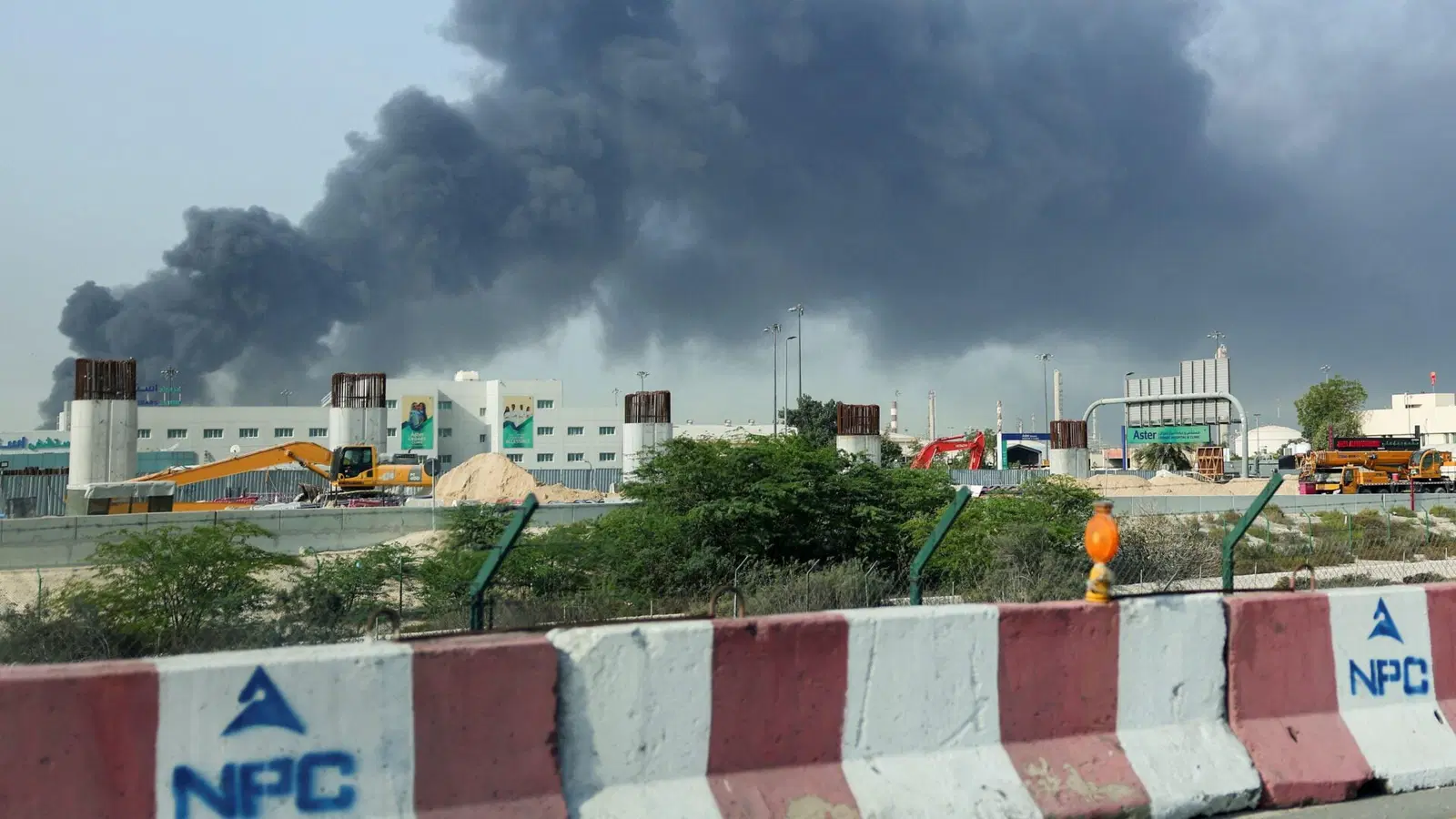
One Dead, Multiple Injured After Iranian Missiles, Drones Hit UAE Airports
At least one person has been killed and several others injured after Iranian missiles and drones struck major airports in Abu Dhabi and Dubai, UAE authorities confirmed. The attacks late Saturday prompted airspace closures, flight suspensions, and emergency evacuations, as regional tensions escalated in the Middle East.
Abu Dhabi Airports stated on X (formerly Twitter) that the interception of a drone targeting Zayed International Airport caused debris to fall, resulting in one fatality — an Asian national — and seven injuries. Emergency services rushed the injured to hospitals, while flight operations at affected airports were temporarily halted to ensure passenger safety. At Dubai International Airport (DXB), four additional people were wounded after falling debris struck terminal areas. Passengers were evacuated, and airlines including Emirates and Etihad suspended or delayed flights, leaving thousands of travellers stranded. Authorities urged the public to rely on official updates and avoid spreading unverified information.
READ ALSO:
- Four Die in Katsina Stampede During Ramadan Alms Distribution
- ISWAP Fighter’s Female Relative Surrenders to Troops in Borno
- Gunmen Abduct Father of Former Ebonyi Deputy Governor on Way to Church
The United Arab Emirates’ air defence forces intercepted dozens of incoming missiles and drones launched by Iran, preventing more extensive damage. However, debris from downed projectiles caused limited structural damage and injuries in areas surrounding the airports, including residential neighborhoods.
The attacks are part of a broader escalation following U.S. and Israeli military strikes on Iranian territory. Iranian forces launched the missile and drone attacks in retaliation, heightening regional security concerns and raising fears of further spillover conflicts in the Gulf. Authorities warned of potential risks to civilian areas and critical infrastructure, emphasizing ongoing monitoring and heightened alert levels.
The strikes forced temporary closure of UAE airspace, leading to widespread flight cancellations and delays. Emergency services have been deployed to affected areas to manage injuries and ensure public safety. Officials continue to investigate the incidents and urged residents and travelers to follow safety guidelines and updates from official channels. The UAE government reaffirmed its commitment to protecting civilians and critical infrastructure while working with regional and international partners to manage the crisis and prevent further escalation.
One Dead, Multiple Injured After Iranian Missiles, Drones Hit UAE Airports
International
Exiled Prince Reza Pahlavi Steps Forward as Potential Leader Following Khamenei’s Death
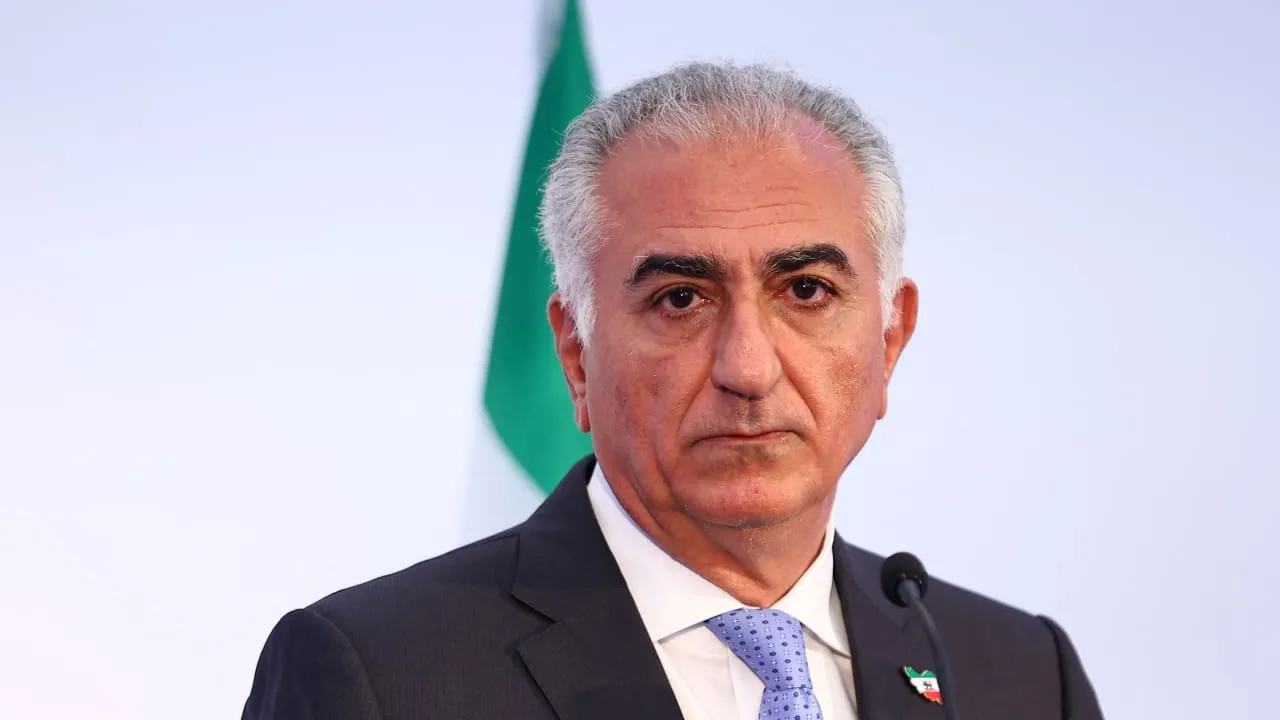
Exiled Prince Reza Pahlavi Steps Forward as Potential Leader Following Khamenei’s Death
Paris / March 1, 2026 — Reza Pahlavi, the exiled son of Iran’s last shah and one of the country’s most prominent opposition figures, has publicly declared his willingness to lead a transitional phase for Iran following the death of Supreme Leader Ayatollah Ali Khamenei, Iranian state media confirmed on Sunday. His announcement signals a dramatic and historic moment in the country’s leadership vacuum and sparks debates about the nation’s political future.
In an opinion piece published in the Washington Post, Pahlavi wrote that “many Iranians, often even after facing bullets, have called on me to lead this transition. I am in awe of their courage, and I have answered their call.” He outlined a roadmap for a democratic Iran, emphasizing transparency, accountability, and international oversight.
Pahlavi proposed that a new constitution be drafted and ratified through a national referendum, followed by free elections, after which the transitional government would dissolve. He stressed that Iran would avoid repeating the mistakes of past Middle Eastern interventions, ensuring there would be no power vacuum, chaos, or dissolution of institutions. “A democratic Iran would transform the Middle East, turning one of the world’s most persistent sources of upheaval into a pillar of regional stability,” he wrote.
The exiled prince’s emergence comes after a pre-dawn strike by U.S. and Israeli forces on Iran on Saturday, which targeted key leadership and defense locations, killing top officials including the defense minister and the head of the Islamic Revolutionary Guard Corps. U.S. President Donald Trump confirmed Khamenei’s death and said there were “some good candidates” to lead Iran, though he did not elaborate.
READ ALSO:
- La Liga: Lamine Yamal Hat-Trick Leads Barcelona to 4‑1 Victory Over Villarreal
- Harry Kane Scores Twice as Bayern Munich Come From Behind to Beat Borussia Dortmund 3‑2
- Kamala Harris Slams Trump for Dragging U.S. Into ‘Unwanted War’ in Iran Conflict
Pahlavi, who was designated crown prince before his father Mohammad Reza Shah Pahlavi was overthrown during the 1979 Islamic Revolution, has lived in exile in the United States for decades. He has long been a prominent voice advocating for human rights, political freedom, and democratic reforms in Iran. His recent statement urges Iranians to remain united, including security forces, to support a peaceful transition and prevent any internal power grabs by regime loyalists.
Analysts say Pahlavi’s bid is largely symbolic, given that Iran’s Assembly of Experts, an elected body of clerics, formally controls the succession of the supreme leader under the current constitution. However, his statements resonate with reformist and opposition groups both inside Iran and in the diaspora, reflecting a growing public desire for political change.
Pahlavi’s move also underscores broader regional and international implications, as Tehran faces uncertainty about its leadership, foreign policy direction, and stability. Whether he will have a tangible role in the country’s future remains uncertain, but his call for democracy, transparency, and citizen-led governance positions him as a central figure in discussions about Iran’s next chapter.
Exiled Prince Reza Pahlavi Steps Forward as Potential Leader Following Khamenei’s Death
International
Kamala Harris Slams Trump for Dragging U.S. Into ‘Unwanted War’ in Iran Conflict
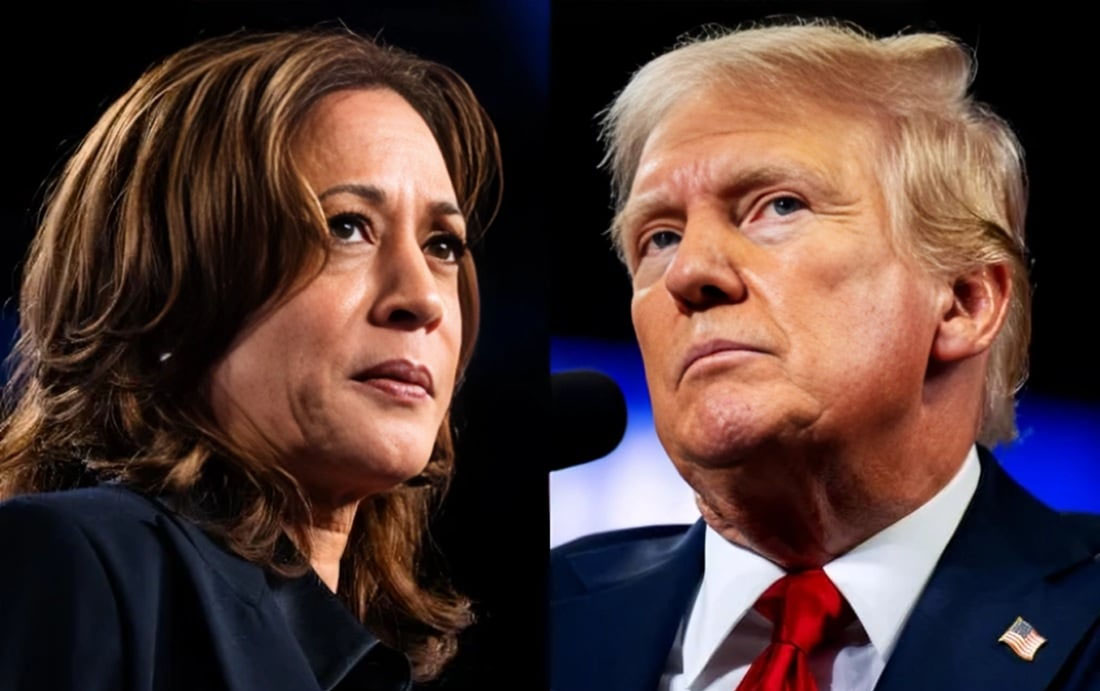
Kamala Harris Slams Trump for Dragging U.S. Into ‘Unwanted War’ in Iran Conflict
Washington — March 1, 2026
Former U.S. Vice President Kamala Harris has publicly criticised President Donald Trump over the recent U.S.–Israeli strikes in Iran, accusing him of dragging the country into an “unnecessary and dangerous” war.
In a statement posted on the X app, Harris described the strikes as a “war of choice” that bypassed Congressional oversight and lacked support from the American people. She warned that the military escalation jeopardises U.S. credibility, global stability, and the lives of American service members.
“Donald Trump is dragging the United States into a war the American people do not want,” Harris said. “I am opposed to a regime-change war in Iran, and our troops are being put in harm’s way for the sake of Trump’s war of choice.”
Harris sharply criticised Trump for breaking his campaign promises to end wars rather than start new conflicts, calling the military escalation reckless and contrary to U.S. interests. She described the strikes as a gamble with both American lives and regional security, arguing that decisive leadership and diplomacy should guide responses to threats like Iran’s nuclear ambitions.
READ ALSO:
- ADC South‑South Leaders Clash on Alleged Amaechi Consensus Support
- Umahi Rejects Viral Allegations by Ohiri, Says Claims Only Make Him Stronger
- Ex-CIG Motors GM Jubril of Lagos floats Hybrid Motors Nigeria
She also raised constitutional concerns, noting that the president must receive Congressional authorisation before committing the U.S. to war. “Even if he had sought approval, this action is unwise, unjustified, and not supported by the American people,” Harris said, highlighting the importance of legislative oversight in matters of war and peace.
Harris emphasised the human cost of the conflict, stressing that American troops deserve leadership that demonstrates discipline, steadiness, and strategic judgment. “Our troops deserve a Commander-in-Chief who approaches decisions on matters of war and peace with the same steadiness and discipline our troops show every day,” she stated.
Her remarks echo growing concerns among Democratic leaders, constitutional scholars, and global observers about the legality and prudence of the strikes. Some lawmakers have called for a War Powers resolution to limit presidential authority and prevent further escalation without congressional approval.
While acknowledging Iran’s legitimate security threats, Harris insisted that military escalation is not the solution, urging the U.S. government to prioritise diplomacy, multilateral cooperation, and restraint. She argued that responsible leadership is essential to avoid prolonged conflicts and destabilisation in the Middle East.
Harris’ statement reflects a rising political backlash within the U.S. against Trump’s handling of the Iran crisis, adding to domestic and international pressure for a more measured approach to foreign policy.
Kamala Harris Slams Trump for Dragging U.S. Into ‘Unwanted War’ in Iran Conflict

-
 International2 days ago
BREAKING: Israel Launches Pre‑emptive Strike on Iran, Explosions Reported Across Tehran
-

 International1 day ago
Middle East on Edge as Iran Retaliates Against Israel, U.S Bases
-
 International17 hours ago
Iran: US, Israel launch another strikes, Commander, Defence leader, five other top officials killed
-

 International2 days ago
Trump Urges Iranians to Overthrow Government Amid US-Israeli Attacks
-
 Politics3 days ago
Breaking: Ahmadu Fintiri Joins APC, Weakens PDP in North-East
-

 Opinion2 days ago
Our children must be kept away from Obi’s mob
-
 International2 days ago
Reports: US Forces Join Israeli Offensive Against Iran
-

 metro2 days ago
Troops Crush ESN/IPOB Hideout in Imo’s Mother Valley, Arrest Suspects