
metro
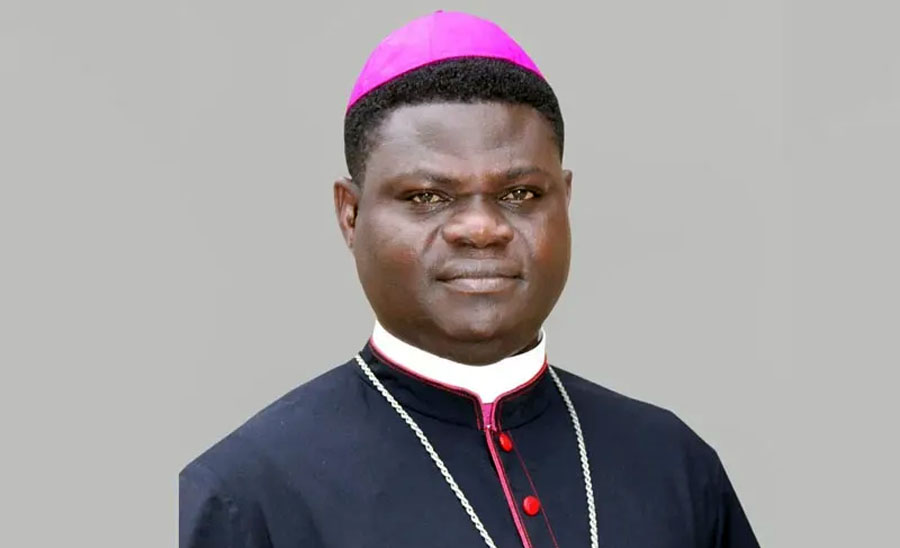
Bishop Anagbe at centre of US–Nigeria row over alleged Christian massacres
Bishop Anagbe at centre of US–Nigeria row over alleged Christian massacres
Bishop Wilfred Chikpa Anagbe of the Catholic Diocese of Makurdi has emerged as a central figure in a fraught dispute between the United States and Nigeria over allegations of mass killings of Christians in the country’s Middle Belt.
Anagbe told the U.S. House Foreign Affairs Subcommittee on Africa on February 14, 2024, and again on March 12, 2025 — alongside Reverend Father Remigius Ihyula — that communities in Benue State and other parts of the Middle Belt have been subjected to what he described as “genocidal persecution.” The clerics told U.S. lawmakers that suspected jihadists have carried out “systematic massacres, kidnappings, church burnings and land seizures” against primarily Christian farming communities.
According to figures presented by the Catholic Diocese, more than 1,000 Christians were killed in a matter of months and over 160 churches destroyed, with whole villages and farmlands reportedly seized. Anagbe accused Nigerian authorities of a “conspiracy of silence,” alleging the state has turned a blind eye to violence in pursuit of an “Islamic agenda” that, he said, seeks to transform Nigeria into an Islamic state.
The bishops’ testimonies triggered a wave of concern and, according to reports, threats: Anagbe and Father Ihyula allegedly received multiple death threats after their appearances in Washington. Foreign embassies later warned the Bishop he could face arrest if he returned to Nigeria — a claim the Nigerian Foreign Ministry said it would investigate and denied being behind.
READ ALSO:
- Regina Daniels to Ned Nwoko: ‘Leave me alone, we were never married’
- Soludo re-elected as Anambra Governor, wins in landslide with 422,664 votes
- U.S. lawmaker warns Nigeria: Don’t test Trump’s resolve on Christian killings
Violence documented in 2025 deepened alarm. Between May 24 and 26, attackers allegedly struck Anagbe’s home village of Aondona, killing dozens (estimates range from at least 42 to more than 70) and displacing hundreds. In early June 2025, coordinated assaults across Gwer West and Apa local government areas near Makurdi — including Yelwata — were reported to have left more than 300 people dead, with many victims reportedly burned alive.
National and civil-society reactions
The Catholic Bishops’ Conference of Nigeria (CBCN) condemned the killings in a statement expressing “deep anguish of soul.” Archbishop Lucius Iwejuru Ugorji, president of the CBCN, described the attacks as “an affront to God” and a “stain on our shared humanity,” adding that the “relentless attacks on innocent and defenceless communities under the watch of civil authorities constitute a grave moral and constitutional failure.”
A study by Intersociety, the International Society for Civil Liberties and the Rule of Law, supported parts of the bishops’ claims, asserting that armed groups and their allies occupy nearly 950 locations across mostly Christian south-eastern states — a situation the group said threatens some 40 per cent of communities in that region.
U.S. response and designation
On October 31, 2025, President Donald Trump designated Nigeria a “country of particular concern” in response to the bishops’ and other groups’ allegations of persecution. In a series of statements and a video message in early November, Trump condemned what he called the “killing of Christians” in Nigeria, described the situation as an “existential threat” to Christianity in the country, and warned of severe consequences if Nigerian authorities did not act.
Trump said he had instructed U.S. agencies to prepare for possible military action and warned of potential suspension of aid, insisting the United States “cannot stand by” while such atrocities occur. He called on members of the U.S. Congress, including Representative Riley Moore and House Appropriations Chairman Tom Cole, to investigate the claims and report back.
What the church and rights groups say
Church sources, human-rights advocates and the Catholic Diocese have highlighted the scale of killings, kidnappings and property destruction, urging both national and international action to halt what they describe as targeted attacks on Christian communities. They say the trend represents a breakdown of security and a failure of state protection in affected areas.
Government stance
The Nigerian government has consistently rejected allegations that the violence constitutes religious persecution, maintaining that the killings stem from complex factors — banditry, communal disputes and resource conflicts — and that authorities are working to restore security. The Foreign Ministry said it would investigate claims that officials were complicit in any threats or reprisals against clerics who testified abroad.
Bishop Anagbe at centre of US–Nigeria row over alleged Christian massacres






metro
12-Year-Old Dies After Alleged Bullying at FGC, Ikot Ekpene
12-Year-Old Dies After Alleged Bullying at FGC, Ikot Ekpene
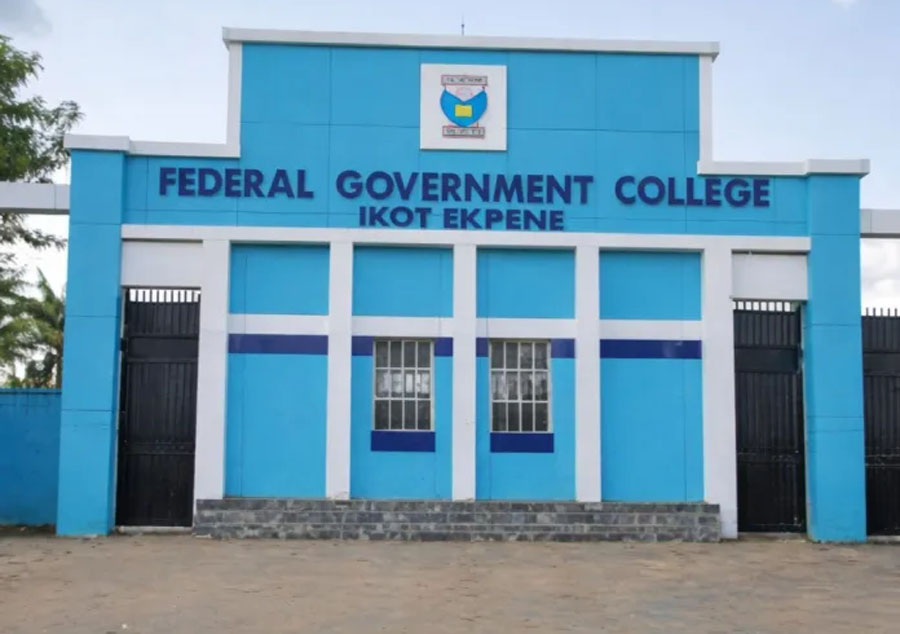
Tension and outrage have gripped Federal Government College, Ikot Ekpene in Akwa Ibom State after a 12-year-old Junior Secondary School 2 student, Ufokobong Edwin Godwin, reportedly died following alleged bullying by a senior student over provisions. The incident, which began before the Easter break, has raised serious concerns about student safety and bullying in Nigerian schools.
The attack reportedly occurred when a Senior Secondary School 3 student demanded provisions from the younger pupil during terminal examinations. Godwin refused, saying he did not have enough to share. Witnesses allege that the senior student responded with physical violence, repeatedly striking Godwin on the neck and throat, causing him to faint multiple times. Other students only intervened after the assault escalated.
Godwin was initially hospitalized on Easter Sunday for a neck injury. He briefly regained consciousness but was later returned to school without his parents being informed of the seriousness of the incident. Upon returning home for the holiday, the boy began complaining of severe neck and throat pain. Despite taking pain relief medication at home, his condition worsened, prompting his father to rush him back to the hospital, where he tragically died. Medical personnel later confirmed that his death resulted from complications associated with blood clots around the neck and throat area.
READ ALSO:
- JAMB Urges Candidates, Parents to Protest Admission Bias as CAPS Ensures Transparency
- EFCC Arrests Maiduguri Woman for Cleaning Nose With N500 Note
- Court Stops ADC Congress, Orders Status Quo in Leadership Row
The school principal, Mr. Jude Ezeogu, described the incident as deeply unfortunate and confirmed that the school community is in mourning. He said a school management committee will meet to review the circumstances surrounding the student’s death and communicate their findings to the public.
The family of the deceased has called on the Federal Government of Nigeria to investigate the matter and ensure justice. The boy’s father urged the authorities to intervene, saying he would provide more details at an appropriate time.
The tragic death of Ufokobong Edwin Godwin has reignited discussions about bullying, student protection, and campus safety across Nigeria, with parents and education stakeholders calling for stricter measures to prevent such incidents in boarding schools.
12-Year-Old Dies After Alleged Bullying at FGC, Ikot Ekpene
metro
Boko Haram Attack in Borno: Brigadier-General, Soldiers Killed as ISWAP Overruns Military Base
Boko Haram Attack in Borno: Brigadier-General, Soldiers Killed as ISWAP Overruns Military Base
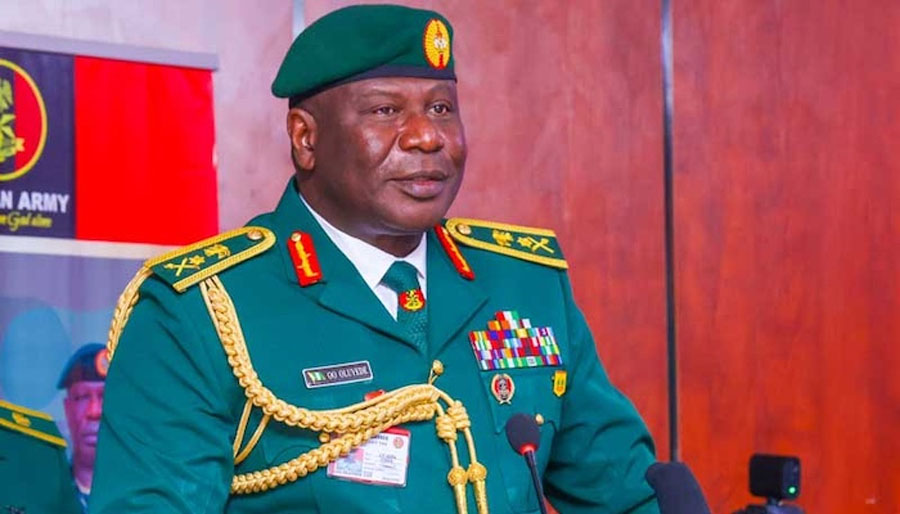
A deadly assault by insurgents linked to Boko Haram and its Islamic State-backed faction, Islamic State West Africa Province, has left several Nigerian troops dead, including a senior commander, following a late-night attack on a military base in Borno State.
The fresh Boko Haram attack in Borno reportedly took place on Wednesday night at a Joint Task Force formation in Benisheikh, located in Kaga Local Government Area along the busy Damaturu–Maiduguri highway.
Among those killed in the attack was Brigadier-General O. O. Braimah, commander of the 29 Brigade, alongside several officers, soldiers, and the brigade’s Imam. His death marks a significant setback in ongoing counterinsurgency operations in Nigeria’s North-East, with military sources describing the incident as one of the most intense recent assaults on a military formation in the region.
According to security sources, the attackers launched a coordinated assault using explosives and heavy gunfire, overwhelming troops after hours of intense fighting. The insurgents reportedly deployed improvised explosive devices (IEDs) to breach the base, engaged soldiers in sustained gunfire, and targeted critical military infrastructure. The prolonged attack caused panic within the base and surrounding communities, with casualties feared to be high, although official figures have not yet been released.
READ ALSO:
- JAMB Urges Candidates, Parents to Protest Admission Bias as CAPS Ensures Transparency
- EFCC Arrests Maiduguri Woman for Cleaning Nose With N500 Note
- Court Stops ADC Congress, Orders Status Quo in Leadership Row
Several soldiers were seriously injured during the Boko Haram attack, while others are still unaccounted for. Rescue operations are ongoing as the military works to locate missing personnel and secure the area.
The latest incident highlights renewed violence by insurgent groups in Borno. In recent weeks, Boko Haram and ISWAP attacks in Nigeria have intensified, targeting military bases, checkpoints, and civilian settlements. Security experts warn that the attack suggests growing operational strength of insurgents, increased vulnerability of remote military bases, and the need for improved intelligence and aerial surveillance.
As of the time of filing this report, the Nigerian military has yet to issue an official statement on the attack. However, reinforcements and surveillance operations have reportedly been deployed to the Benisheikh axis to prevent further attacks.
Despite years of military operations, Boko Haram and Islamic State West Africa Province continue to pose serious threats in Nigeria’s North-East. The Borno attack on soldiers underscores persistent insecurity and raises fresh concerns about the safety of military formations and personnel in the region.
Boko Haram Attack in Borno: Brigadier-General, Soldiers Killed as ISWAP Overruns Military Base
metro
EFCC Arrests Maiduguri Woman for Cleaning Nose With N500 Note

EFCC Arrests Maiduguri Woman for Cleaning Nose With N500 Note
The Economic and Financial Crimes Commission (EFCC) has arrested a woman in Maiduguri, Borno State, following a viral video showing her cleaning mucus from her nose using a ₦500 naira note, an act considered naira mutilation under Nigerian law.
The suspect, identified as Fatima Muhammed, was apprehended on Tuesday, April 7, 2026, after the video circulated widely on TikTok. EFCC operatives tracked and arrested her within the Maiduguri metropolis, highlighting the commission’s vigilance against misuse of Nigeria’s legal tender.
In a statement, EFCC confirmed the arrest and said Fatima Muhammed is being detained at the Maiduguri Zonal Directorate of the commission as investigations continue. She will be charged to court once sufficient evidence is gathered.
READ ALSO:
- Court Stops ADC Congress, Orders Status Quo in Leadership Row
- US Evacuates Embassy Staff in Nigeria, Lists 23 States as ‘Do Not Travel’
- #OccupyINEC: ADC Protests in Abuja, Demands INEC Chairman’s Resignation
“The Maiduguri Zonal Directorate of the EFCC arrested one Fatima Muhammed for an alleged Naira mutilation. This followed the circulation of a viral video where the suspect was seen cleaning her nose with a ₦500 note,” the statement read.
The commission reiterated that currency abuse is a punishable offence, and such acts undermine the integrity and value of the Nigerian naira. EFCC has in recent months intensified enforcement against naira mutilation, especially incidents recorded on social media platforms.
The arrest has drawn mixed reactions online, with some Nigerians questioning the focus on naira mutilation amid broader economic challenges, while others support the EFCC’s efforts to protect the national currency.
EFCC Arrests Maiduguri Woman for Cleaning Nose With N500 Note

-
 metro2 days ago
FG Deports US Missionary Alex Barbir Over Alleged Role in Nigeria Insecurity
-

 Entertainment2 days ago
Veteran Nollywood Actor Davis Ofor ‘Clarus’ of New Masquerade Dies at 85
-
 metro3 days ago
MURIC Backs Egba Imams’ Call for Inclusive Leadership in Ogun 2027 Governorship Race
-
 metro2 days ago
Lagos Announces Partial Road Closures for Project Commissioning
-

 metro24 hours ago
2026 NYSC Batch A Stream II: Registration, Swearing-In Dates Announced
-
 News2 days ago
Iran Lists Tough Conditions for Peace Talks with US
-

 Entertainment23 hours ago
Saheed Osupa Defends Juju Use Amid Backlash From Islamic Clerics
-

 International3 days ago
Trump Claims US Sent Weapons to Iranian Protesters but Diverted