
International
Canada retaliates with 25% tariff on US goods
Canada retaliates with 25% tariff on US goods
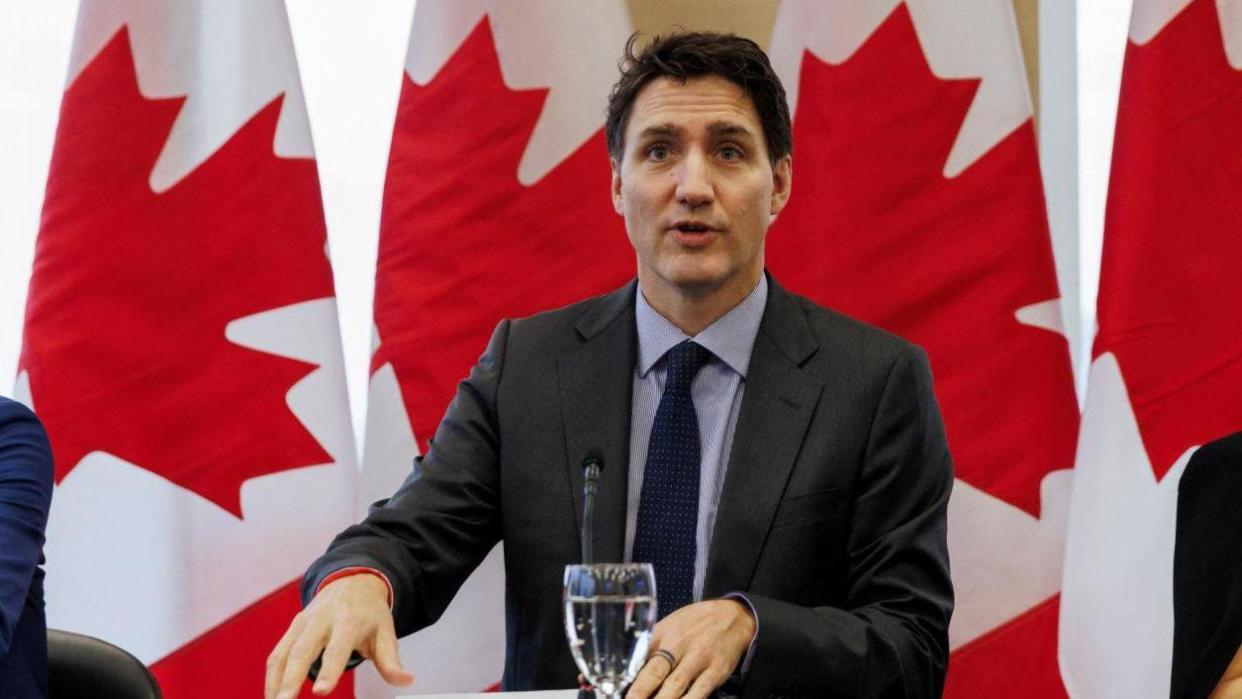
Canada’s Prime Minister, Justin Trudeau, has announced a retaliatory measure against President Donald Trump’s new tariffs by imposing 25% levies on a range of U.S. imports.
During a news conference, Trudeau stated that tariffs would be applied to C$155 billion ($107 billion) worth of U.S. goods.
Tariffs on C$30 billion will take effect on Tuesday, coinciding with the implementation of Trump’s tariffs, while duties on the remaining C$125 billion will be enforced within 21 days.
As relations between the long-time allies, who share the world’s longest land border, reach a new low, Trudeau warned Americans that Trump’s actions would have significant consequences for them.
“Tariffs against Canada will put your jobs at risk, potentially shutting down American auto assembly plants and other manufacturing facilities,” Trudeau said, addressing U.S. citizens.
READ ALSO:
- Salah brace fires Liverpool past Bournemouth to go nine points clear
- 3rd party insurance: Don’t mislead Nigerians, police warn activists, others
- Lecturers worry as Nigerian students turn to AI for tests’ answers
“They will raise costs for you, including food at the grocery store and gas at the pump.”
Trade war
Trudeau’s announcement came just hours after Trump ordered 25% tariffs on Canadian and Mexican imports and 10% on goods from China, risking a trade war that economists warn could slow global growth and reignite inflation.
Trump also announced a 10% tariff on all energy imports from Canada.
The Canadian leader specified that the tariffs would include American beer, wine, and bourbon, as well as fruits and fruit juices, including orange juice from Trump’s home state of Florida. Canada would also target goods such as clothing, sports equipment, and household appliances.
The United States’ biggest trading partners are responding after President Donald Trump followed through on his threats of imposing tariffs on Canada, Mexico, and China. The Trump administration plans to impose levies of 25% on goods from Canada and 10% on energy products from the country starting Tuesday. Goods from Mexico will be subject to tariffs of 25%, while imports from China will face 10%.
Trump claims the tariffs are necessary to “protect Americans” and promises to maintain the duties until what he describes as a national emergency in the U.S. over illicit drugs, fentanyl, and undocumented migration ends.
Canada retaliates with 25% tariff on US goods






International
US Commences Visa Ban on Nigerians Linked to Alleged Religious Freedom Violations
US Commences Visa Ban on Nigerians Linked to Alleged Religious Freedom Violations
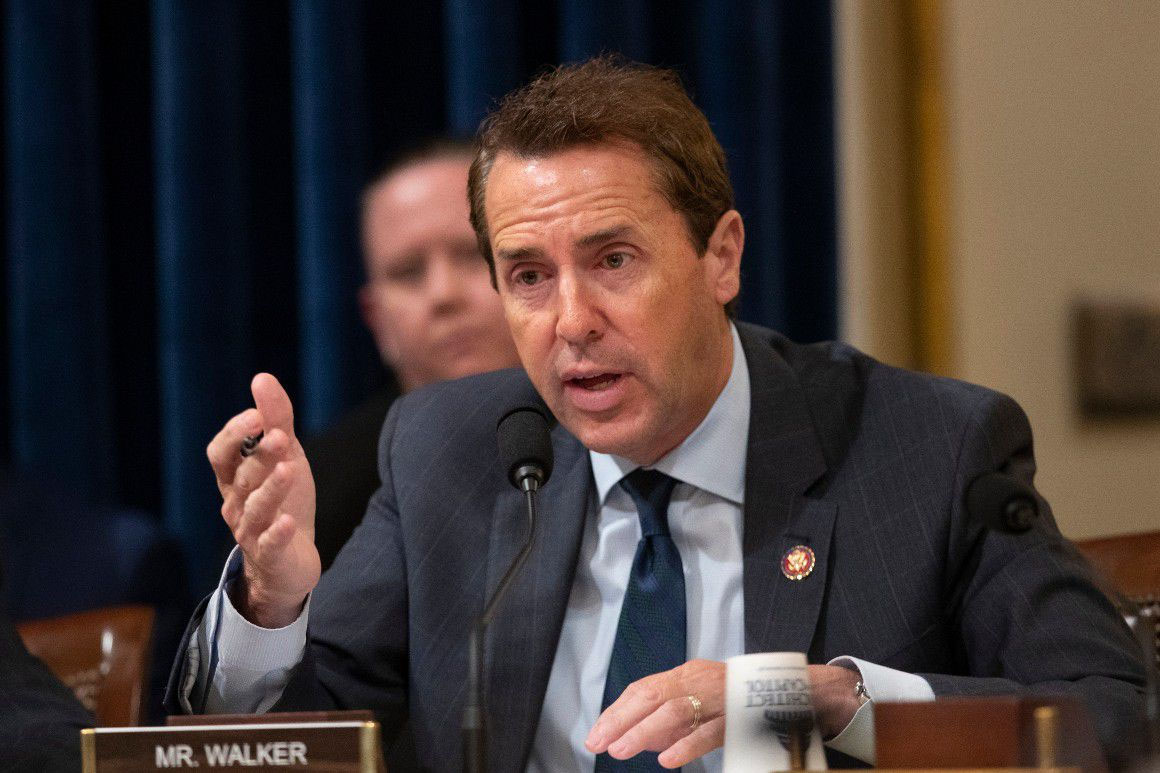
US authorities have begun implementing a visa restriction policy targeting Nigerians linked to alleged violations of religious freedom, according to Mark Walker, the U.S. Principal Advisor for Global Religious Freedom.
Walker disclosed this in a post on X (formerly Twitter), referencing a statement from the U.S. Department of State confirming that the policy is being enforced under Section 212(a)(3)(C) of the Immigration and Nationality Act.
The provision empowers the United States government to deny or restrict visas to individuals accused of directing, funding, supporting, or carrying out violations of religious freedom, including, in some cases, their immediate family members.
According to Walker, the policy has already been activated, with U.S. authorities beginning to apply heightened scrutiny and restrictions to affected individuals.
“In December, Secretary Rubio announced that the State Department will restrict U.S. visas for those who have directed, authorised, funded, significantly supported, or carried out violations of religious freedom. We have already executed this policy and will continue to subject perpetrators to additional scrutiny,” Walker said.
However, he did not disclose the identities of Nigerians or groups directly affected by the sanctions.
The development comes amid renewed international attention on religious violence in Nigeria, with U.S. officials citing concerns over attacks linked to terrorist groups, armed bandits, and communal militias.
READ ALSO:
- Did Faleke Just Reveal Lagos’ Next Governor? Party Moves Begin
- Jigawa Ward Head Denies Viral Wedding Cancellation Over Tinubu Support
- Nigeria’s Tax Reform Laws Contain Errors, Tinubu Minister Oyedele Confirms
The U.S. government has previously redesignated Nigeria as a Country of Particular Concern (CPC) under its international religious freedom framework, a classification reserved for nations accused of severe violations of religious liberty.
Washington has also repeatedly expressed concern over killings and attacks in parts of Nigeria, particularly in the North, where insecurity involving extremist groups and armed banditry remains persistent.
In earlier statements, the U.S. State Department said it was taking what it described as “decisive action in response to mass killings and violence against Christians and other vulnerable communities”, noting that perpetrators of religiously motivated violence could face visa bans and other sanctions.
The policy also extends to individuals who “direct, authorize, significantly support, or participate in violations of religious freedom,” according to the department.
Analysts say the latest move signals a more assertive U.S. posture on human rights and religious freedom enforcement, which could affect diplomatic engagement with individuals linked to Nigeria’s internal security challenges.
However, the Nigerian government has consistently rejected allegations of religious genocide, insisting that insecurity in the country is driven by terrorism, criminality, and communal conflicts rather than targeted religious persecution.
Officials in Abuja maintain that security agencies are actively working to protect citizens of all faiths and that international narratives portraying the violence as religious genocide are inaccurate and misleading.
The latest visa restriction policy is expected to further shape diplomatic discussions between both countries, particularly on human rights, security cooperation, and counterterrorism efforts.
US Commences Visa Ban on Nigerians Linked to Alleged Religious Freedom Violations
International
Trump Says US Warships Being Reloaded With Weapons to Strike Iran If Pakistan Talks Fail

Trump Says US Warships Being Reloaded With Weapons to Strike Iran If Pakistan Talks Fail
United States President Donald Trump has said American warships are being rearmed with advanced weaponry and prepared for possible strikes against Iran if ongoing peace negotiations in Pakistan fail to produce an agreement.
In an interview with the New York Post, Trump said the United States is in what he described as a “reset” phase, insisting that military readiness is being strengthened while diplomatic talks continue.
“We have a reset going. We’re loading up the ships with the best ammunition, the best weapons ever made — even better than what we did previously and we blew them apart,” Trump was quoted as saying.
“And if we don’t have a deal, we will be using them, and we will be using them very effectively.”
His remarks come as Vice President JD Vance leads a high-level U.S. delegation to Islamabad, Pakistan, for crucial Iran peace talks in Pakistan aimed at preventing a renewed escalation in the Middle East.
READ ALSO:
- Gov Yusuf Accuses Former Deputy of Attempted Power Grab in Kano
- Police Debunk Viral Terror Attack Video in Abuja, Arrest Suspect
- Trump Orders JD Vance to Lead Iran War Exit Strategy Ahead of Pakistan Talks
Vance, who is known for his scepticism toward long-term military interventions, is expected to engage Iranian officials in discussions focused on stabilising a fragile ceasefire and preventing further military confrontation.
Before departing, Vance issued a warning to Tehran, telling Iranian authorities not to “play” the United States, signalling Washington’s firm stance ahead of the negotiations.
According to diplomatic sources, the talks will address key issues including nuclear compliance, maritime security in the Strait of Hormuz, and sanctions-related disputes that have fueled tensions between both countries.
President Trump also posted a cryptic message on his Truth Social platform, referring to what he called the “WORLD’S MOST POWERFUL RESET!!!”, further fueling speculation about Washington’s combined military and diplomatic strategy.
The Pakistan-hosted talks bring together senior U.S. officials, including special envoy Steve Witkoff and presidential adviser Jared Kushner, alongside Iranian representatives led by Foreign Minister Abbas Araghchi and parliamentary speaker Mohammad Bagher Ghalibaf.
Iran’s participation underscores ongoing efforts by both sides to prevent a full-scale collapse of the ceasefire, which has already been strained by mutual accusations of violations.
Analysts say the outcome of the Islamabad negotiations could determine whether the crisis moves toward a lasting settlement or escalates into renewed military confrontation with wider regional consequences.
Trump Says US Warships Being Reloaded With Weapons to Strike Iran If Pakistan Talks Fail
International
Trump Orders JD Vance to Lead Iran War Exit Strategy Ahead of Pakistan Talks
Trump Orders JD Vance to Lead Iran War Exit Strategy Ahead of Pakistan Talks
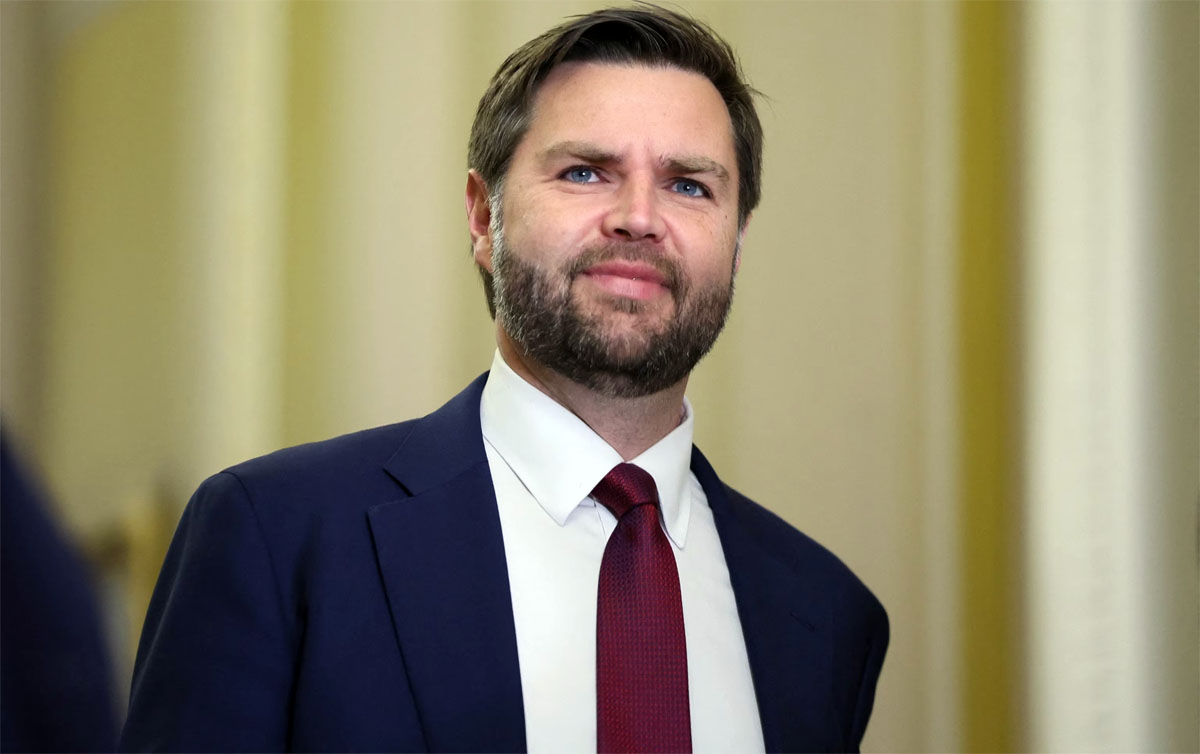
United States President Donald Trump has reportedly instructed Vice President JD Vance to urgently explore diplomatic pathways to end the ongoing U.S.–Iran war crisis, as preparations intensify for high-level peace talks scheduled to hold in Pakistan.
The directive comes amid rising tensions in the Middle East and growing concerns that a fragile ceasefire arrangement could collapse, potentially triggering a wider escalation in the region.
Vice President JD Vance, known for his long-standing scepticism toward prolonged U.S. military interventions abroad, is expected to depart on April 10 for Islamabad, where he will lead the American delegation in the upcoming Iran peace talks in Pakistan.
He will be accompanied by Trump’s special envoy Steve Witkoff and senior adviser Jared Kushner, both of whom have previously been involved in indirect diplomatic engagements with Iranian officials on nuclear issues and regional security concerns.
READ ALSO:
- NBA Warns Lawyers, Courts Against Interfering in Political Party Disputes
- Gunmen Wipe Out Family of Eight in Fresh Plateau Attack
- Germany Opens Fully Funded Scholarships for Nigerians, Africans
The talks are expected to focus on de-escalation measures, nuclear-related assurances, and broader security arrangements aimed at reducing tensions between Washington and Tehran.
Iran has also confirmed its participation in the negotiations, sending a high-level delegation led by Foreign Minister Abbas Araghchi and parliamentary speaker Mohammad Bagher Ghalibaf.
The Iranian team is expected to present its position on sanctions relief, regional security, and maritime concerns, particularly issues relating to the Strait of Hormuz, a critical global oil shipping route.
Reports indicate that the temporary ceasefire between both sides is increasingly under strain, with accusations of violations and renewed mistrust threatening to derail diplomatic progress.
President Trump has publicly accused Iran of failing to honour commitments linked to maritime security, writing on Truth Social: “That is not the agreement we have!”
The statement has added fresh tension to already fragile negotiations and raised concerns about possible disruptions to global energy markets if hostilities resume.
Pakistan has emerged as a key diplomatic venue for the talks, hosting both direct and indirect engagements between U.S. and Iranian officials in an effort to prevent further escalation of the conflict.
Diplomatic observers say the outcome of the Islamabad meeting could determine whether the crisis moves toward a lasting ceasefire or deeper confrontation involving regional and global powers.
The growing urgency of the negotiations reflects mounting international pressure on Washington and Tehran to reach a political settlement and avoid further destabilisation of the Middle East.
Trump Orders JD Vance to Lead Iran War Exit Strategy Ahead of Pakistan Talks

-

 Africa2 days ago
ECOWAS Recruitment 2026: Over 30 Job Vacancies Open for Nigerians (How to Apply)
-

 metro3 days ago
2026 NYSC Batch A Stream II: Registration, Swearing-In Dates Announced
-

 Entertainment3 days ago
Saheed Osupa Defends Juju Use Amid Backlash From Islamic Clerics
-

 Politics2 days ago
Court Stops ADC Congress, Orders Status Quo in Leadership Row
-

 Health2 days ago
Sleeping Positions: How They Affect Your Health and Which Ones to Avoid
-
 metro2 days ago
Boko Haram Attack in Borno: Brigadier-General, Soldiers Killed as ISWAP Overruns Military Base
-
 metro2 days ago
US Evacuates Embassy Staff in Nigeria, Lists 23 States as ‘Do Not Travel’
-

 Education20 hours ago
Germany Opens Fully Funded Scholarships for Nigerians, Africans