
Business
CBN revokes licences of 139 microfinance, mortgage banks (Full list)
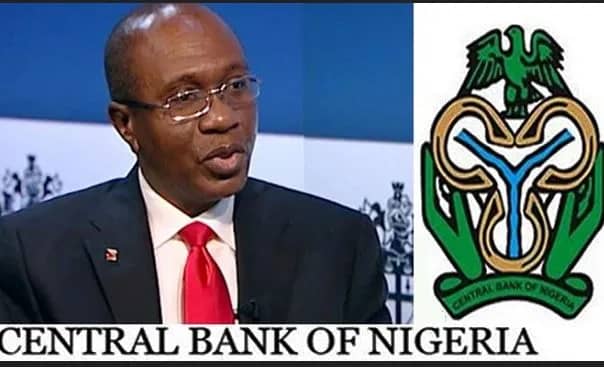
CBN revokes licences of 139 microfinance, mortgage banks (Full list)
The Central Bank of Nigeria (CBN) has revoked the operating licences of 132 microfinance banks, three finance companies and four primary mortgage banks.
Governor of the CBN, Godwin Emefiele, announced the revocation of the licences of the institutions on Monday, an official gazette of the Federal Government said.
Emefiele revoked the licences in exercise of the powers conferred on CBN under section 12 of the Banks and Other Financial Institutions Act (BOFIA), 2020, Act No. 5.
The gazette stated that the revocation list was published in accordance with the BOFIA 2020, Act No 5.
“The respective firms have ceased to carry on, in Nigeria, the type of business for which their licences were issued for a continuous period of 6 months,” the document read.
“The firms have failed to fulfil or comply with the conditions subject to which their licences were granted; or failed to comply with the obligations imposed upon them by the Central Bank of Nigeria in accordance with the provisions of Banks and Other Financial Institutions Act (BOFIA) 2020, Act No. 5.”
Microfinance Banks Licences Revoked
Atlas Microfinance Bank
Bluewhales Microfinance Bank
Everest Microfinance Bank
Igangan Microfinance Bank
Mainsail Microfinance Bank
Merit Microfinance Bank
Minna Microfinance Bank
Musharaka Microfinance Bank
Nopov Microfinance Bank
Ohon Microfinance Bank
Premium Microfinance Bank
Royal Microfinance Bank
Statesman Microfinance Bank
Suisse Microfinance Bank
Vibrant Microfinance Bank
Virtue Microfinance Bank
Zamare Microfinance Bank
North Capital Microfinance Bank
Chidera Microfinance Bank
Excellent Microfinance Bank
Ni’ima Microfinance Bank
Cosmopolitan Microfinance Bank
Progressive Link Microfinance Bank
Trust One Fomerly Desmonarchy
Ekuombe Microfinance Bank
First Index Microfinance Bank
Ola Microfinance Bank
Uli Microfinance Bank
Verdant Microfinance Bank
Aguleri Microfinance Bank Limited
Apeks Microfinance Bank Limited
Fahimta Microfinance Bank Limited
Manny Microfinance Bank Limited
Reality Microfinance Bank Limited
Surbpolitan Microfinance Bank Limited
Onyx Microfinance Bank Limited
Osina Microfinance Bank Limited
Olofin-Owena Microfinance Bank Limited
Zikado Microfinance Bank Limited
Prudential Cooperative Microfinance Bank Limited
Peniel Microfinance Bank Limited
Taraba Microfinance Bank Limited
Brass Microfinance Bank Limited
Michika Microfinance Bank Limited
Ndiagu Microfinance Bank Limited
Northbridge Microfinance Bank Limited
FCT Microfinance Bank Limited
Omu-Aran Microfinance Bank Limited
Cherish Microfinance Bank Limited
Bipc Microfinance Bank Limited
Danels Global Microfinance Bank Limited
Bancorp Microfinance Bank Limited
Manna Microfinance Bank Limited
Moneywise Microfinance Bank Limited
Mercury Microfinance Bank Limited
New Age Microfinance Bank Limited
Pearl Microfinance Bank Limited
Zawadi Microfinance Bank Limited
Seed Capital Microfinance Bank Limited
Eduek Microfinance Bank Limited
Eksu Microfinance Bank Limited
Dakingari Microfinance Bank Limited
Ogoja Microfinance Bank Limited
Nwabosi Microfinance Bank Limited
Nuture Microfinance Bank Limited
Active Point Microfinance Bank Limited
Amoye Microfinance Bank Limited
Boluwaduro Microfinance Bank Limited
Iyede Microfinance Bank Limited
Mayfair Microfinance Bank Limited
Calabar Microfinance Bank Limited
Ighomo Microfinance Bank Limited
Hackman Microfinance Bank Limited
Idese Microfinance Bank Limited
Bridgeway Microfinance Bank Limited
Grassroot Microfinance Bank Limited
Surelife Microfinance Bank Limited
Tijarah Microfinance Bank Limited
Ic-Global Microfinance Bank Limited
Ejiamatu Microfinance Bank Limited
Briyth Covenant Microfinance Bank Limited
Nanka Microfinance Bank Limited
Cub Microfinance Bank Limited
BFL Microfinance Bank Limited
Umunne Microfinance Bank Limited
Oroke Microfinance Bank
Alkaleri Microfinance Bank Limited
Crowned Eagle Microfinance Bank Limited
Unifa Microfinance Bank Limited
Dadinkowa Microfinance Bank Limited
Ifesowapo Microfinance Bank Limited
Oaf Microfinance Bank Limited
Bama Microfinance Bank Limited
Ngala Microfinance Bank Limited
Iwoama Microfinance Bank Limited
Kada Microfinance Bank Limited
Keffi Microfinance Bank Limited
Nut-Endwell Microfinance Bank Limited
First Multiple Microfinance Bank Limited
SBDC Microfinance Bank Limited
Oros Capital Microfinance Bank Limited
Ozizza Microfinance Bank Limited
Primera Credit Microfinance Bank Limited
Ifeanyichukwu Microfinance Bank Limited
Ihioma Microfinance Bank Limited
Josad Microfinance Bank Limited
Akpo Microfinance Bank Limited
Aiyepe Microfinance Bank Limited
ABC Microfinance Bank Limited
Star Microfinance Bank Limited
Purple Money Microfinance Bank Limited
Utuh Microfinance Bank Limited
Stallion Microfinance Bank Limited
Kjl Microfinance Bank Limited
Credit Afrique Microfinance Bank Limited
Cowries Microfinance Bank Limited
Lawebod Microfinance Bank Limited
Mabinas Microfinance Bank Limited
Business Support Microfinance Bank Limited
Ogbe-Ahiara Microfinance Bank Limited
Olofin Microfinance Bank Limited
Obosi Microfinance Bank Limited
Fiyinfolu Microfinance Bank Limited
Bishopgate Microfinance Bank Limited
Awka Microfinance Bank Limited
Zigate Microfinance Bank Limited
Esan Microfinance Bank Limited
Enugu-Ukwu Microfinance Bank Limited
Echo Microfinance Bank Limited
Ally Microfinance Bank Limited
Network Microfinance Bank Limited
Awgbu Microfinance Bank Limited
Finance Companies Licences Revoked
HHL Invest and Trust Limited
TFS Finance Limited
Treasures and Trust Limited
PMBs Licences Revoked
Resort Savings and Loans
Safetrust Mortgage Bank
Adamawa Savings and Loans
Kogi Savings and Loans







Business
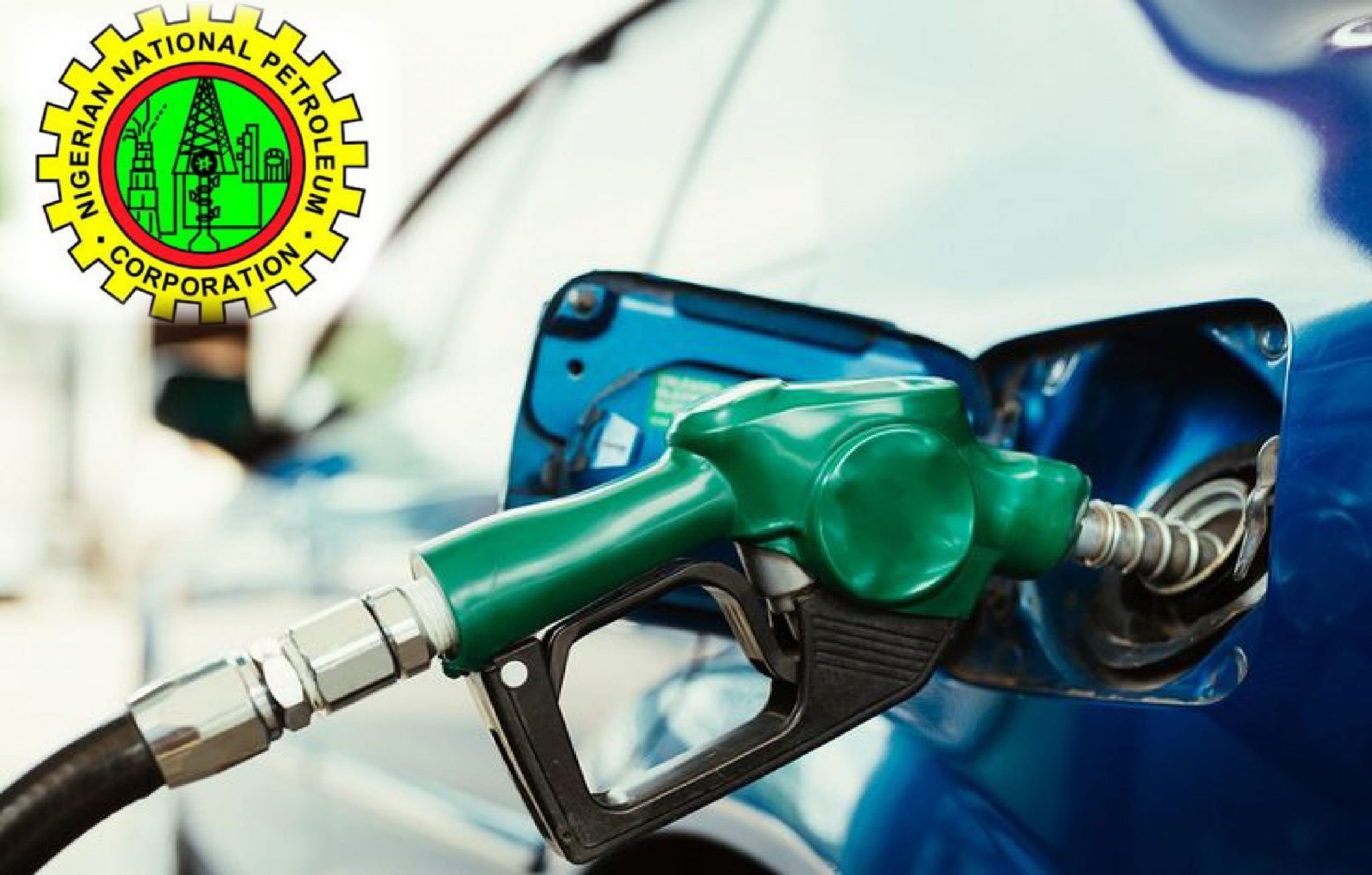
NNPC Raises Petrol Price to ₦933 in Lagos, ₦960 in Abuja
NNPC Raises Petrol Price to ₦933 in Lagos, ₦960 in Abuja
The Nigerian National Petroleum Company Limited (NNPC) has increased the pump price of petrol at its retail stations to ₦933 per litre in Lagos and ₦960 per litre in Abuja, triggering fresh concerns among motorists and businesses over rising fuel costs in Nigeria.
The national oil company raised the price by ₦103 in Lagos, moving from ₦830 per litre to ₦933, while motorists in the federal capital Abuja now pay ₦960 per litre, representing an ₦85 increase from the previous ₦875 price.
Checks on Wednesday showed that the new petrol price has already been implemented at several NNPC retail outlets, including stations at Apple Junction and Ago Palace Way in Lagos, while stations along Airport Road in Lugbe, Abuja, were dispensing petrol at the new ₦960 rate.
The latest fuel price hike comes shortly after the Dangote Petroleum Refinery increased its ex-gantry petrol price to ₦874 per litre on March 2, up from ₦774 per litre, a development that has influenced retail pricing across the downstream petroleum sector.
Industry analysts say the rise in petrol prices in Nigeria is closely linked to growing geopolitical tensions in the Middle East, which have unsettled global energy markets and pushed up crude oil prices.
READ ALSO:
- Yul Edochie Blasts Arise TV Anchor Rufai Oseni in Viral Video
- Court Discharges Abba Kyari, Brothers in NDLEA Non-Disclosure of Assets Case
- Kano State House of Assembly Initiates Impeachment Proceedings Against Deputy Gov
Recent market data shows that Brent crude oil rose to about $85 per barrel on March 3, compared with around $72 per barrel recorded on February 28, intensifying pressure on petrol landing costs for markets that still rely partly on imports.
Experts note that Nigeria’s deregulated fuel market means pump prices now fluctuate in response to international oil prices, exchange rate volatility, and supply chain costs.
Meanwhile, the Petroleum Products Retail Outlets Owners Association of Nigeria (PETROAN) has called on the federal government to ensure steady crude oil supply to domestic refineries, particularly as Nigeria seeks to strengthen local refining capacity.
The association warned that continued instability in global oil markets could weaken the naira, raise petrol prices further, and push inflation higher, thereby worsening the cost-of-living challenges faced by Nigerians.
Energy stakeholders have also stressed the importance of expanding local refining operations, including production from the Dangote refinery and rehabilitation of government-owned refineries, to reduce dependence on imported fuel.
The latest price adjustment reflects the ongoing transition in Nigeria’s downstream petroleum sector following the removal of fuel subsidies and the adoption of a market-driven pricing system.
Motorists across Lagos, Abuja and other major cities have expressed concern that rising petrol prices could increase transportation costs, food prices and overall inflation, placing additional pressure on households and businesses.
NNPC Raises Petrol Price to ₦933 in Lagos, ₦960 in Abuja
Business
TCAN Targets Logistics Reforms to Drive Economic Growth at 2026 Transport Summit
TCAN Targets Logistics Reforms to Drive Economic Growth at 2026 Transport Summit
The Transportation Correspondents Association of Nigeria (TCAN) has begun preparations for its 2026 Annual Transport Summit, placing Nigeria’s logistics value chain at the centre of national economic discourse.
Scheduled for September 2026 in Lagos, the summit will be held under the theme, “Unlocking Economic Growth Through Transportation Logistics.”
It is expected to draw major stakeholders across the aviation, maritime, rail and road transport sectors, alongside logistics service providers, policymakers, regulators, development partners and financial institutions.
In a statement, TCAN said the summit would critically examine how efficient transportation logistics can serve as a catalyst for sustainable economic growth, trade facilitation, job creation and regional integration, especially in the context of ongoing reforms and infrastructure investments within the sector.
Chairman of TCAN, Tola Adenubi, described transportation logistics as the backbone of economic development, stressing that the performance of Nigeria’s logistics ecosystem directly impacts the nation’s competitiveness.
“From cargo handling at airports and seaports to inland freight movement and last-mile delivery systems, the efficiency of Nigeria’s logistics architecture plays a decisive role in determining the competitiveness of the nation’s economy,” Adenubi said.
He noted that the 2026 summit would explore innovative strategies to strengthen the sector, including digital transformation, infrastructure financing models, public-private partnerships and regulatory reforms aimed at optimising performance.
Chairman of the 2026 Conference Committee, Suleiman Idris, said the summit would feature high-level panel discussions, keynote addresses and interactive sessions designed to assess the current state of Nigeria’s transportation logistics framework.
According to him, deliberations will focus on identifying bottlenecks hindering seamless cargo and passenger movement, examining the impact of multimodal transport integration on economic expansion, and highlighting investment opportunities within the logistics and supply chain ecosystem.
Idris added that experts at the summit would also provide policy recommendations targeted at enhancing operational efficiency and boosting Nigeria’s global competitiveness in trade and transportation.
As part of the programme, TCAN will confer its Champions of Transport Industry Development (COTID) certificates on selected government agencies and private operators that have made significant contributions to the advancement of Nigeria’s transportation sector.
Over the years, the TCAN Annual Transport Summit has evolved into a credible platform for constructive engagement between regulators, operators and other industry stakeholders.
The association said the 2026 edition aims to deepen policy conversations, promote transparency and accountability, and accelerate reforms capable of unlocking the full economic potential of Nigeria’s transport and logistics industry.
With logistics increasingly recognised as a key enabler of economic growth, industry observers expect the 2026 summit to set the tone for fresh strategies that could reshape Nigeria’s transportation landscape in the years ahead.
Business
Petrol Jumps to ₦937 in Lagos, ₦975 in Abuja Amid Middle East Oil Crisis

Petrol Jumps to ₦937 in Lagos, ₦975 in Abuja Amid Middle East Oil Crisis
Nigeria’s fuel market is under renewed strain as escalating tensions in the Middle East push global crude oil prices above $80 per barrel, driving domestic petrol prices toward the ₦1,000 per litre mark. Motorists across the country, from Lagos to Abuja, have woken to sharp increases at filling stations, with pump prices rising almost overnight.
In Lagos, several outlets raised the price of Premium Motor Spirit (PMS) from ₦830–₦835 per litre to ₦937, while in the Federal Capital Territory, major retailers including NNPC Limited and MRS Oil Nigeria Plc increased prices from ₦875 to ₦975 per litre. Independent marketers were dispensing fuel at about ₦960 per litre, reflecting the immediate effects of rising international oil prices.
The surge followed a fresh upward review in the ex-depot price by Dangote Petroleum Refinery & Petrochemicals, which moved its gantry price from ₦774 to approximately ₦874–₦875 per litre. Industry insiders linked the hike to rising replacement costs and the ongoing surge in crude prices. A senior refinery official confirmed that petrol loading operations were temporarily suspended earlier in the week, further tightening supply expectations and accelerating retail price adjustments.
READ ALSO:
- US Military Says It Has Struck Nearly 2,000 Targets in Iran as War Escalates
- FG Bans Roadblocks, Cash Tax Collection Nationwide
- Trade Row Looms as Trump Threatens Spain After Refusal to Support Iran Strikes
The Middle East conflict, particularly involving the United States, Israel, and Iran, has heightened fears of disruption around the Strait of Hormuz, a strategic maritime route responsible for nearly one-fifth of global crude supply. Analysts warn that prolonged instability in the corridor could push global oil prices to $100 per barrel or higher, with direct consequences for Nigeria’s cost-reflective petrol pricing system.
The Petroleum Products Retail Outlets Owners Association of Nigeria (PETROAN) described the situation as worrisome, noting that rising crude prices inevitably feed into domestic pump prices, given the current deregulated pricing regime. PETROAN’s National President, Mr Billy Gillis-Harry, emphasized the urgent need to strengthen Nigeria’s domestic refining capacity as a protective buffer. The association also called for consistent crude supply to local refineries and accelerated rehabilitation of the country’s four state-owned refineries to cushion the economy against external shocks.
For Nigerians, the impact has been immediate. Commercial drivers and commuters report that rising fuel costs are forcing them to adjust transport fares, adding pressure to household budgets. “I bought fuel yesterday at ₦875, and this morning it is ₦975. Every increase affects us directly. If we don’t raise fares, we run at a loss,” said Mr. Chinedu Okeke, a driver in Abuja.
Commuters fear the ripple effect of higher petrol costs on everyday goods. “If fuel is almost ₦1,000 per litre, it means fares and prices of essentials will rise. Things are becoming unbearable,” said Mrs. Aisha Ladan, a civil servant in the capital city. Analysts warn that increased transport costs could widen inflationary pressures, as businesses pass on higher operational expenses to consumers.
The psychological impact of petrol nearing the four-digit mark is also significant. For many Nigerians, it represents another milestone in a period already marked by subsidy removal, currency volatility, and persistent price adjustments. Unless global energy markets stabilize or domestic refining capacity is expanded, petrol prices in Nigeria may soon cross ₦1,000 per litre, with broad implications for the economy.
Petrol Jumps to ₦937 in Lagos, ₦975 in Abuja Amid Middle East Oil Crisis

-

 metro7 hours ago
Islamic Scholar Barred From Ramadan Tafseer After Criticising Tinubu, Governors
-

 metro1 day ago
How Ikwechegh’s ₦1.15tr Interrogation Led to Tinubu’s Cabinet Shake-Up
-
 metro2 days ago
DSS Busts Alleged Arms Trafficking Network in Gombe, Seizes RPGs
-

 News2 days ago
Relief Radiant Hearts Foundation Launched in Iwo, Promises Hope for the Vulnerable
-

 Politics2 days ago
Atiku’s Son Resigns as Adamawa Commissioner Following Fintiri’s APC Defection
-
 International1 day ago
Mystery as Iranian Warship Sinks off Sri Lanka, Over 100 Feared Missing
-

 Opinion2 days ago
The world dislikes the weak, by Hakeem Baba-Ahmed
-

 Sports21 hours ago
Nigeria officially out of 2026 World Cup as FIFA confirms DR Congo for play-offs