

metro
How Ikwechegh’s ₦1.15tr Interrogation Led to Tinubu’s Cabinet Shake-Up
How Ikwechegh’s ₦1.15tr Interrogation Led to Tinubu’s Cabinet Shake-Up
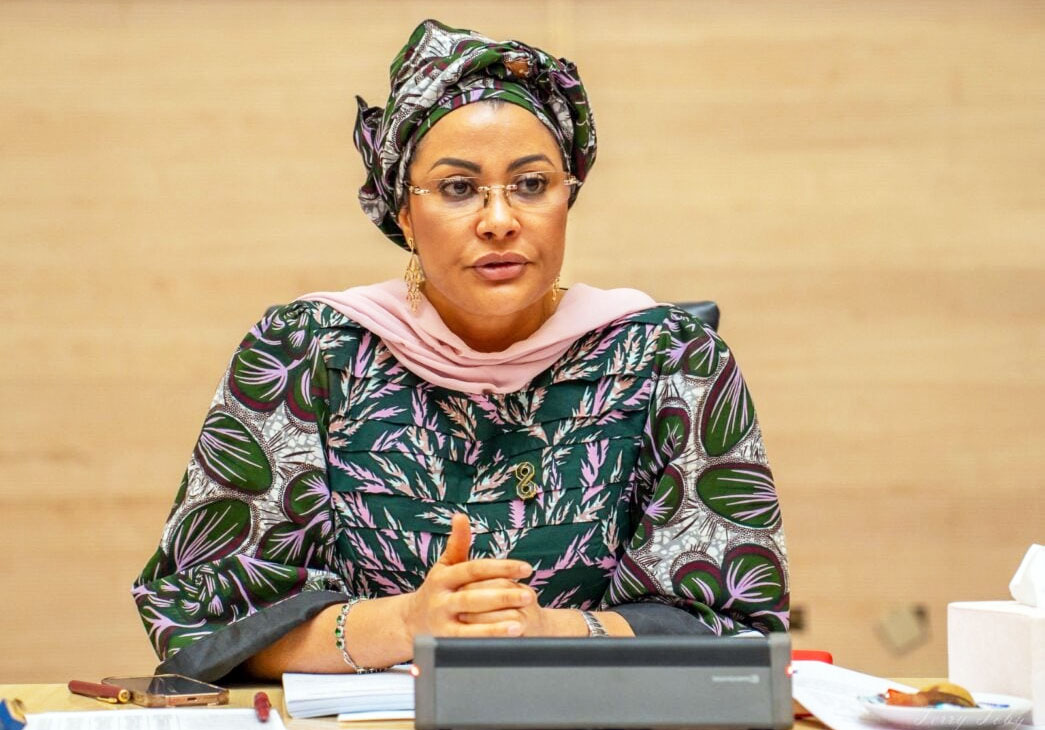
President Bola Tinubu has removed Doris Uzoka-Anite as Minister of State for Finance and nominated Taiwo Oyedele as her replacement, following a dramatic cabinet reshuffle that came just one week after an explosive budget defence hearing at the House of Representatives.
The development has sparked intense national debate, as it followed public scrutiny over ₦1.15 trillion in approved capital funds that were reportedly not disbursed despite being part of the 2025 federal budget.
On February 25, 2026, Alex Mascot Ikwechegh, member representing Aba North/Aba South Federal Constituency, confronted the finance team during the Appropriation Committee’s budget defence session. Armed with documentation from his role on the House Committee on Aids and Loans, Ikwechegh listed major approved loans and funding arrangements, including $1.2 billion for digital infrastructure, $500 million economic stimulus, $500 million MSME support (December 2025), $500 million AfDB-backed economic governance and energy transition funding, additional executive loan requests in multiple currencies, and ₦1.15 trillion — representing 30% of the 2025 capital budget — approved but not disbursed.
Despite these approvals and strong revenue reports from agencies such as FIRS and Nigeria Customs Service, lawmakers were informed that capital project execution stood at zero percent. Ikwechegh pressed the panel, questioning why capital projects across Nigeria remained unfunded while recurrent expenditure had already consumed a significant portion of released funds.
READ ALSO:
- The world dislikes the weak, by Hakeem Baba-Ahmed
- Pastor, Wife Arrested in Bayelsa Over Alleged Rape of 13-Year-Old Girl
- DSS Busts Alleged Arms Trafficking Network in Gombe, Seizes RPGs
When questioned, Minister of Finance Wale Edun reportedly shifted responsibility for disbursements to Uzoka-Anite, prompting the committee to summon her the following day. Uzoka-Anite confirmed that the ₦1.15 trillion had indeed been approved but stated that some ministries had not met “pre-disbursement conditions.” Lawmakers demanded clarification on which ministries had met all requirements yet failed to receive funding. She was unable to name any, raising concerns over whether funds were approved without adequate verification or whether allocations were being withheld without justification.
Exactly seven days after the initial hearing, the presidency announced a cabinet reshuffle. In a statement issued by presidential spokesperson Bayo Onanuga, Uzoka-Anite was reassigned to the Ministry of Budget and National Planning as Minister of State, marking her third portfolio under the Tinubu administration. She had previously served as Minister of Trade and Investment before moving to Finance. Her replacement nominee, Taiwo Oyedele, now awaits Senate confirmation. The official statement did not directly link the reshuffle to the budget defence hearing, but the timing has fueled widespread public speculation.
Taiwo Oyedele is a respected tax expert and economist who previously chaired the Presidential Committee on Fiscal Policy and Tax Reforms. Before his nomination, he spent over two decades at PwC, rising to become Fiscal Policy Partner and Africa Tax Leader. He is widely known for leading tax reform initiatives aimed at simplifying Nigeria’s tax system and broadening the revenue base. If confirmed, Oyedele will work alongside Wale Edun at the Federal Ministry of Finance.
The controversy surrounding the ₦1.15 trillion capital budget funds highlights deeper concerns about budget implementation, public finance transparency, and accountability in Nigeria. While the cabinet reshuffle signals a political response, the core question remains unresolved: Where is the ₦1.15 trillion approved for capital projects?
If funds were approved by the National Assembly but not released for infrastructure development, the implications extend beyond politics to roads, hospitals, schools, and economic growth nationwide. For many Nigerians, the sequence of events suggests that legislative oversight may have triggered executive action. Whether further investigation or accountability measures will follow remains to be seen.
How Ikwechegh’s ₦1.15tr Interrogation Led to Tinubu’s Cabinet Shake-Up



metro
‘We Don’t Know What Else to Do’ — Mother Begs for Release of Abducted Children

‘We Don’t Know What Else to Do’ — Mother Begs for Release of Abducted Children
A distraught mother in Kaduna State, Dominic Tina, has appealed to Nigerians and security agencies to help secure the release of her two children, who were reportedly abducted in Rimi Kamazou about seven weeks ago.
Tina made the emotional appeal in a social media post, saying her family desperately needed assistance to secure the children’s safe return.
According to a report published by Linda Ikeji’s Blog on October 19, 2026, the mother shared photographs of her children, including an image she said was sent to the family by their abductors.
The photograph reportedly raised fresh concerns about the children’s situation as their family continued to seek help to bring them home.
In her appeal, Tina expressed frustration over the prolonged ordeal, saying her family no longer knew what else to do.
She wrote: “My family don’t know what to do again, please help me reshare. We desperately need assistance.”
The children’s abduction has left their mother and other family members in distress, with the appeal aimed at attracting public attention and possible assistance from relevant authorities.
However, details surrounding the abduction, including the identities of the suspected kidnappers, their possible demands and the latest condition of the children, could not be independently verified from the information available.
It was also unclear whether security agencies had made any breakthrough in efforts to secure the children’s release.
The case underscores the anguish experienced by families whose loved ones remain in captivity for extended periods and the urgent need for coordinated efforts to locate abducted persons.
Tina’s appeal has called attention to her family’s desperate search for a resolution, as hopes remain that the children will be reunited with their loved ones.
The relevant security authorities are urged to investigate the reported abduction and take appropriate steps to facilitate the children’s safe return.
EDITORIAL NOTE: Newstrends.ng could not independently verify the latest status of the case before publication. Further confirmation should be sought from the family or the Kaduna State Police Command.
‘We Don’t Know What Else to Do’ — Mother Begs for Release of Abducted Children
metro
‘I Never Asked Them to Abandon Loved Ones’ — Obi Clarifies Diaspora Remarks
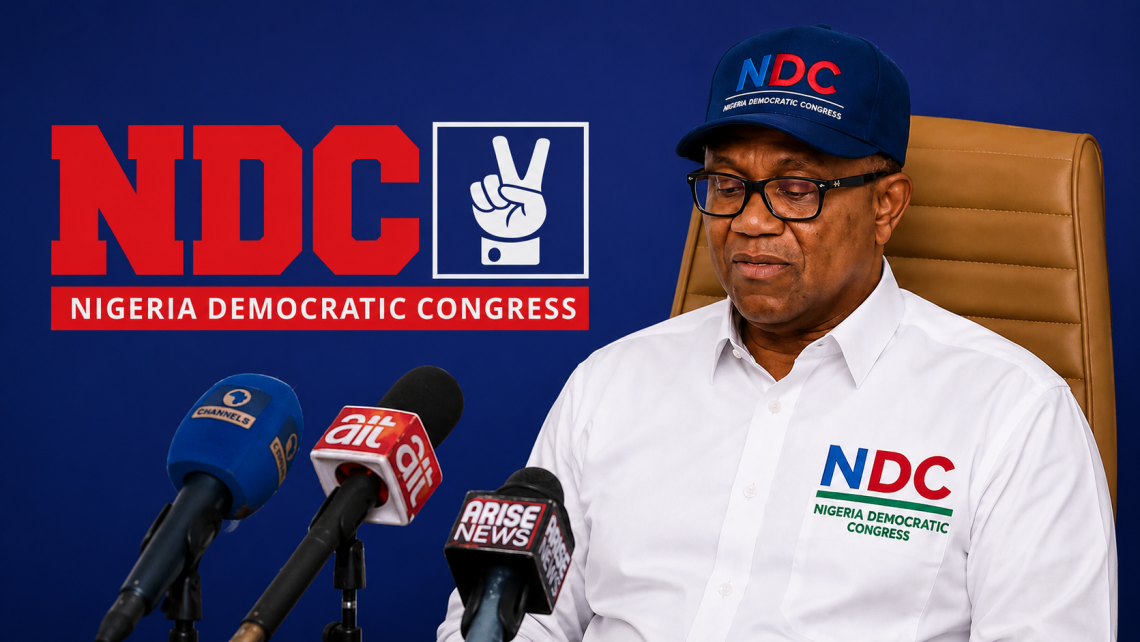
ABUJA — The presidential candidate of the Nigeria Democratic Congress (NDC), Peter Obi, has denied asking Nigerians living abroad to abandon their relatives at home, insisting that his comments about financial assistance were misrepresented by political opponents.
Obi issued the clarification on Tuesday in a statement titled “My Message Has Been Twisted”, posted on his X account following widespread reactions to his remarks at a town hall meeting with Nigerians in Manchester, United Kingdom.
The former Anambra State governor said he appreciated Nigerians in the diaspora who worked hard and made sacrifices to support their families in Nigeria, stressing that their contributions remained essential to millions of households.
“I deeply appreciate Nigerians in the diaspora who work tirelessly and make enormous sacrifices to support their families back home,” Obi said.
He noted that money sent home by Nigerians abroad helped relatives pay school fees, hospital bills, rent and feeding expenses, adding that their sacrifices deserved recognition and respect.
“Their patriotism and sacrifices deserve our profound respect. I never asked them to abandon their loved ones,” he stated.
Obi explained that his concern was the economic situation forcing millions of Nigerians to depend on relatives abroad to meet their basic needs, rather than having access to decent jobs and essential services at home.
READ ALSO:
- FG Confirms Ebola Case in Abuja, Identifies 44 Contacts
- Breaking: Afenifere Leader Pa Fasoranti Dies at 100
- Army Major, Soldiers Killed in ISWAP Ambush in Yobe State
- Chaos in Abeokuta as Algerian Fans Attack Coach, Vandalise Stadium After Rangers Defeat
“My concern is that Nigeria should not remain a country where millions depend on relatives abroad for basic survival,” he said.
According to the NDC candidate, Nigeria needs a system that provides employment opportunities, affordable healthcare, quality education and the conditions necessary for citizens to support themselves and their families.
“Our goal must be to build a nation that provides jobs, affordable healthcare, quality education, and economic opportunities for its citizens,” he added.
Obi accused unnamed political opponents of distorting his message, maintaining that his argument was directed at the underlying causes of poverty and economic hardship rather than the willingness of Nigerians abroad to help their relatives.
“Political opponents may twist my message, but the truth remains clear: I am not asking Nigerians abroad to abandon their families. I am advocating for a Nigeria that will no longer abandon its own people,” he said.
The clarification followed controversy over comments Obi made during a town hall meeting with diaspora supporters in Manchester on Sunday.
In a video of the engagement that circulated widely on social media, Obi urged Nigerians living in the United Kingdom to reject requests for money from people at home and encourage them to support leaders capable of improving the country’s economic conditions.
“You have people at home in Nigeria today who are begging you for money. Tell them no!” he said.
Obi argued that financial assistance from relatives abroad could provide immediate relief but would not resolve the wider economic problems forcing many Nigerians to seek help.
He linked the situation to concerns about governance, corruption and economic hardship, urging Nigerians in the diaspora to use their influence to encourage greater political accountability at home.
The remarks generated mixed reactions, with some interpreting them as a call to stop sending money to struggling relatives, while others viewed them as an appeal to address the structural causes of poverty.
Obi’s latest statement seeks to clarify that distinction, emphasising that he values diaspora remittances but wants Nigeria to become a country where families can meet their basic needs without depending on financial assistance from abroad.
The controversy comes as political parties and prospective candidates intensify engagement with Nigerians at home and in the diaspora ahead of the 2027 general election.
‘I Never Asked Them to Abandon Loved Ones’ — Obi Clarifies Diaspora Remarks
metro
Breaking: Afenifere Leader Pa Fasoranti Dies at 100
Breaking: Afenifere Leader Pa Fasoranti Dies at 100
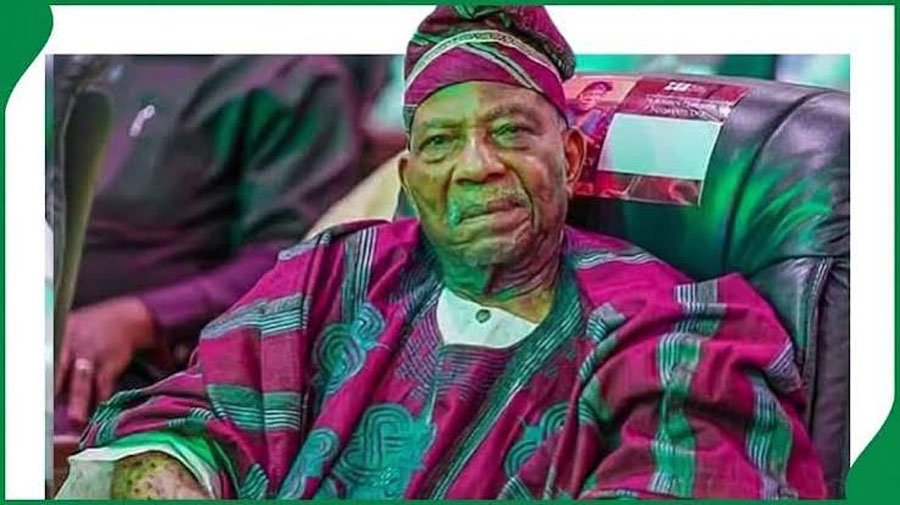
AKURE, Ondo State — Nigeria has lost a prominent elder statesman and pro-democracy advocate, Pa Reuben Famuyide Fasoranti, the national leader of the pan-Yoruba socio-political organisation, Afenifere, who died on Tuesday, October 20, 2026, at the age of 100.
Ondo State Governor, Lucky Aiyedatiwa, announced the death in a statement, describing Fasoranti as a respected leader whose life was marked by integrity, wisdom and selfless service to Ondo State, Yorubaland and Nigeria.
The governor said the late Afenifere leader provided guidance on critical issues affecting governance, justice and national development, adding that his counsel and fatherly leadership would be greatly missed.
Aiyedatiwa also extended his condolences to the Fasoranti family, the people of Akure Kingdom and residents of Ondo State over the loss.
Fasoranti, who celebrated his 100th birthday on May 11, 2026, was one of the influential figures in Yoruba politics and a prominent disciple of the late nationalist and political leader, Chief Obafemi Awolowo.
Born on May 11, 1926, in Uso, Ondo State, Fasoranti built a career in education before becoming deeply involved in politics and the struggle for democratic governance in Nigeria.
A trained educationist, he taught at Ondo Boys’ High School and later served as principal of Oyemekun Grammar School and Iju-Itaogbolu Grammar School. He also established educational institutions, including Omolere Nursery and Primary School and Akure High School.
His commitment to education remained an important part of his legacy, alongside his involvement in public service and political development.
READ ALSO:
- Chaos in Abeokuta as Algerian Fans Attack Coach, Vandalise Stadium After Rangers Defeat
- Nollywood Mourns as Actress, Beauty Queen Tenia Abraham Dies at 32
- FG Challenges World Bank’s 124% Debt-to-Revenue Warning, Cites Rising Income
Between 1979 and 1983, Fasoranti served as Commissioner for Finance in the old Ondo State under the administration of the late Governor Michael Adekunle Ajasin. His political outlook was strongly influenced by Awolowo’s progressive philosophy and its emphasis on education, social welfare and good governance.
Fasoranti later emerged as the leader of Afenifere following the death of Pa Abraham Adesanya. Under his leadership, the organisation remained an influential voice in debates on Yoruba interests, national unity, restructuring and the future of Nigeria’s federal system.
He was also associated with the National Democratic Coalition (NADECO), a pro-democracy movement that opposed military rule and demanded the restoration of democratic government. His role in the struggle placed him among the prominent voices advocating constitutional rule and political accountability during Nigeria’s years of military dictatorship.
Throughout his public life, Fasoranti consistently expressed views on governance, justice, equity and the need for a more balanced federal structure. His interventions in national affairs made him a reference point for political leaders and members of the Yoruba community.
Following news of his death, tributes began pouring in from political leaders and public figures.
Ogun State Governor and Chairman of the Southern Governors’ Forum, Dapo Abiodun, described Fasoranti’s death as a significant loss to the Yoruba nation and Nigeria. He praised the late elder statesman’s contributions to democratic development and his commitment to justice, equity and good governance.
President Bola Ahmed Tinubu had also celebrated Fasoranti’s 100th birthday in May, joining other prominent Nigerians in recognising his contributions to public service and the country’s political history.
Fasoranti’s death marks the end of a century-long life that spanned Nigeria’s colonial period, independence, military rule and the return to civilian democracy.
His legacy is expected to endure through his contributions to education, public administration, Yoruba political affairs and the campaign for democratic governance.
As the family, Afenifere and the wider Yoruba community mourn his passing, the late elder statesman will be remembered for his long-standing involvement in public life and his advocacy for justice, accountability and national development.
Breaking: Afenifere Leader Pa Fasoranti Dies at 100
-

 metro3 days ago
Oyo Baby Trafficking Scandal: Mother, Doctor Arrested Over Alleged ₦2m Sale of Infant
-
 News3 days ago
Akpabio Under Fire as Senators Move to Secure His Return as Senate President in 2027
-

 Sports3 days ago
Lamine Yamal Shines as Barcelona Thrash Real Betis 5-2
-

 metro3 days ago
Kano: Soldiers Kill Two Kidnappers, Rescue Victim, Recover ₦10m
-

 metro2 days ago
NAFDAC Probes Corps Member’s Death at Enugu Camp as Fake Drug Claims Emerge
-

 Africa3 days ago
Nairobi Mother Says Husband Abandoned Her During Childbirth, Paid Dowry for Another Woman
-

 Politics2 days ago
Buhari Feared Tinubu Presidency, Resisted Pressure to Back Him – Baba-Ahmed Claims
-
 metro2 days ago
Ogun House Fire Horror: Husband Arrested After Wife Dies Following Domestic Dispute