

News
Corruption: Like AfDB, World Bank blacklists 58 Nigerian firms, individuals
Corruption: Like AfDB, World Bank blacklists 58 Nigerian firms, individuals
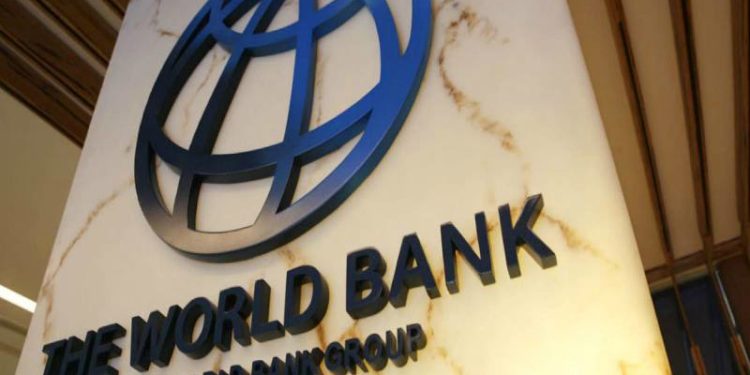
The World Bank has blacklisted 58 Nigerian companies and individuals for engaging in corrupt practices, a move which comes as part of the institution’s ongoing efforts to uphold integrity and transparency in its projects and operations.
Among those affected are 39 Nigerian companies previously debarred by the African Development Bank (AfDB), along with 19 individuals identified by the World Bank under the cross-debarment policy.
The total number of debarments now stands at 58, rendering the implicated entities ineligible to participate in projects and operations financed by institutions of the World Bank Group.
The list which the World Bank updates every three hours, contains a total of 1,210 companies and individuals globally at the time of this report.
A debarment renders firms/individuals ineligible to participate in projects and operations financed by institutions of the World Bank Group.
According to the World Bank report, the sanctions were imposed following an administrative process conducted by the Bank, which allowed the accused firms and individuals to respond to the allegations. This process adhered to the Bank’s procedures for sanctions proceedings and settlements in bank-financed projects.
READ ALSO:
- Dollar crashes against Naira at official market
- Reps invite Ribadu over faulty presidential air fleet
- What autopsy revealed on cause of Mohbad’s death – Pathologist
“Through July 2007, this process was conducted in accordance with the Sanctions Committee Procedures adopted on August 2, 2001. The process is currently conducted in accordance with Bank Procedure: Sanctions Proceedings and Settlements in Bank Financed Projects. For more information on the two-tier sanctions process go to Sanctions,” it stated in the report.
Cross-debarment in accordance with the Agreement for Mutual Enforcement of Debarment Decisions dated 9 April 2010, which, as of July 1, 2011, has been made effective by the World Bank, Asian Development Bank, European Bank for Reconstruction and Development, Inter-American Development Bank, and African Development Bank.”
In addition to debarment, the Bank reserves the right to apply other actions to firms and individuals found in violation of its policies, which may not necessarily result in debarment.
The prohibited conduct leading to debarment is defined in the applicable Procurement or Consultant Guidelines, as well as in the World Bank Procurement Regulations for Investment Project Financing Borrowers. The specific guidelines may vary depending on the nature of the project in question.
The World Bank’s actions underscore its commitment to combating corruption and promoting accountability in development projects, ensuring that funds are used effectively for the benefit of the people.
Corruption: Like AfDB, World Bank blacklists 58 Nigerian firms, individuals








News
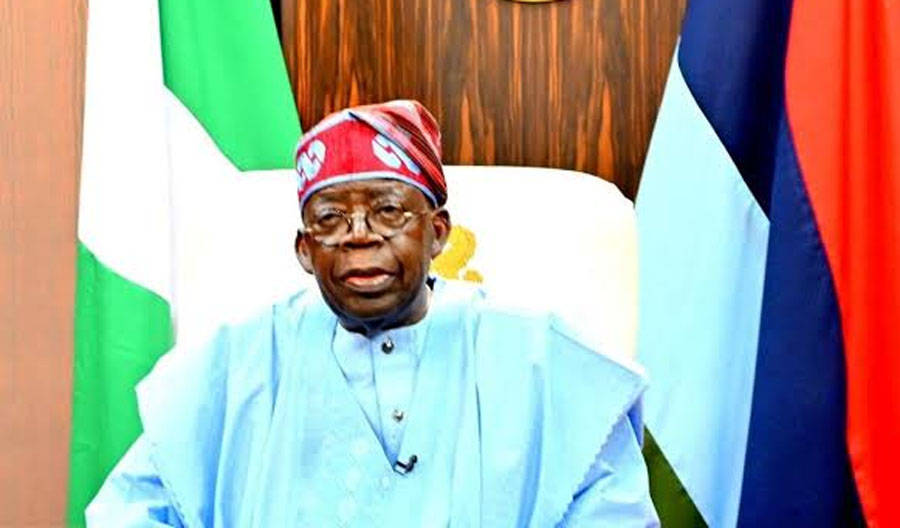
Tinubu Reveals How He Worked As Taxi Driver In US Before Becoming Nigeria’s President
Tinubu Reveals How He Worked As Taxi Driver In US Before Becoming Nigeria’s President
President Bola Ahmed Tinubu has opened up about an aspect of his life in the United States, revealing that he once worked as a taxi driver while struggling to make ends meet before rising to political prominence in Nigeria.
The revelation offers a glimpse into the Nigerian leader’s experiences abroad and how his personal journey has influenced his views on education, financial independence and opportunities for young people.
Tinubu reportedly made the disclosure while explaining the thinking behind his administration’s student loan programme, drawing from his experiences during his years in the United States.
Long before becoming Lagos State governor and eventually President of Nigeria, Tinubu spent part of his life in the United States, where he reportedly engaged in different activities to sustain himself.
Among the experiences he recalled was working as a taxi driver, including operating what was described as a gypsy cab.
The experience, according to the account, exposed him to the realities of struggling to earn a living and the determination required to overcome financial difficulties in a foreign country.
His disclosure has brought renewed attention to his personal history, particularly the challenges he encountered before establishing himself in Nigeria’s political landscape.
Tinubu’s reference to his experience abroad also provided an insight into his administration’s justification for introducing the Nigerian Education Loan Fund (NELFUND), which provides financial assistance to eligible students in tertiary institutions.
The programme is designed to help students from financially disadvantaged backgrounds access higher education without being prevented by their families’ economic circumstances.
By linking his personal experiences to the initiative, the President appeared to emphasise the importance of creating opportunities for young Nigerians to pursue their educational ambitions despite financial limitations.
The student loan scheme has remained one of the major education initiatives of his administration, although its implementation and repayment arrangements have generated public discussions.
The disclosure has generated interest because it offers another perspective on the personal journey of a president whose political career has largely been associated with elite political circles and high-level governance.
For some observers, his account highlights the struggles that can precede success, while also drawing attention to the importance of education, hard work and access to opportunities.
Tinubu’s journey from his reported experience as a taxi driver in the United States to Nigeria’s highest political office represents a remarkable chapter in his personal and political history.
However, his remarks have also renewed conversations about how personal experiences of hardship should translate into policies that address the economic challenges facing ordinary Nigerians, particularly students and young people.
Tinubu Reveals How He Worked As Taxi Driver In US Before Becoming Nigeria’s President
News
I Believe God Has Answered My Prayer, Says Tinubu After Entering Holy Ka’abah
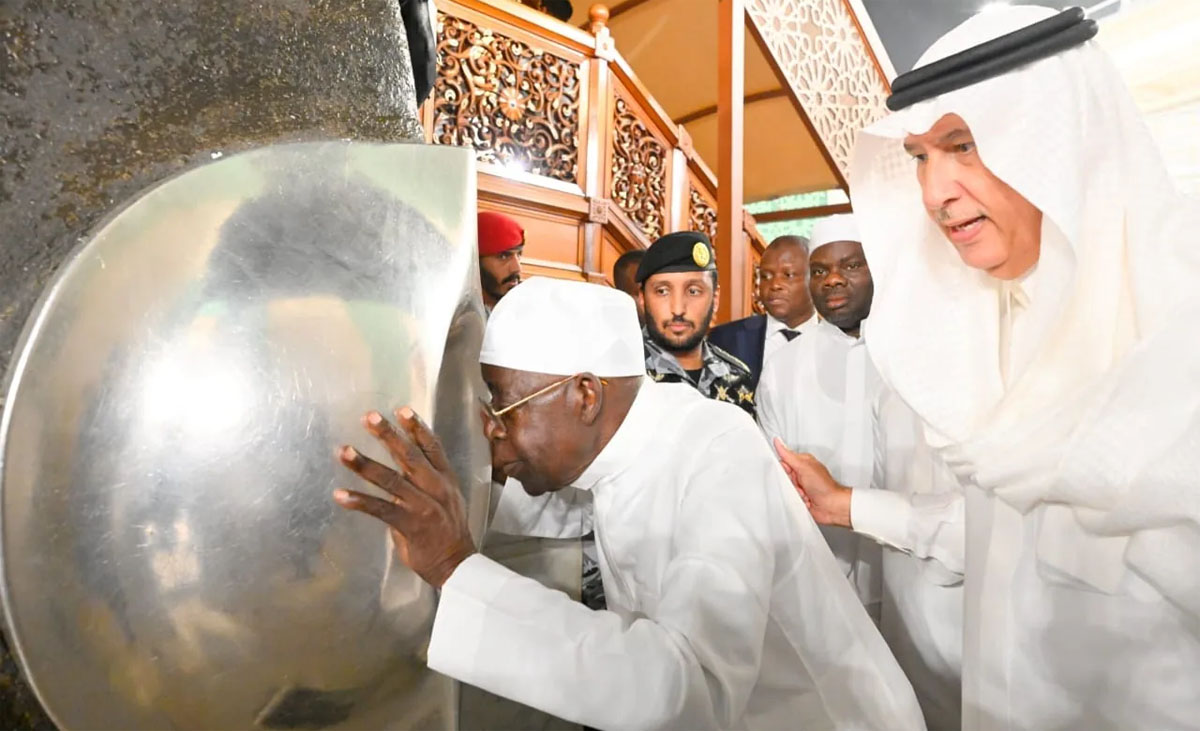
President Bola Ahmed Tinubu has expressed confidence that Almighty Allah has answered his prayers for wisdom and resilience to continue serving Nigerians, following his recent spiritual journey to Saudi Arabia, where he performed the lesser Hajj (Umrah) and was granted access to pray inside the Holy Ka’abah in Makkah.
The President made the disclosure on Monday, November 2, 2026, while reflecting on his spiritual experience and expressing appreciation to Saudi Arabia’s leadership for granting him and members of his Nigerian delegation the rare privilege of entering Islam’s most sacred structure.
Tinubu said he specifically prayed for divine wisdom and strength to discharge his responsibilities as Nigeria’s President, adding that he believed his request had been granted.
“Well, I asked for wisdom and resilience to continue to serve the people. I know that prayer has been granted. Before the 2023 election, I did the same thing. I asked Allah to bless my Umrah then, and He did. And I promised that I would come back to thank Him,” the President said.
According to a statement by his Special Adviser on Information and Strategy, Bayo Onanuga, Tinubu offered prayers of gratitude to Almighty Allah for the opportunity to serve as Nigeria’s President and Commander-in-Chief of the Armed Forces.
The President was led into the Ka’abah by Sheikh Dahlulah Muthawal of Masjid al-Haram.
He subsequently thanked the Custodian of the Two Holy Mosques, King Salman bin Abdulaziz Al Saud, and Saudi Crown Prince Mohammed bin Salman for granting him and members of the Nigerian delegation access to the sacred site.
READ ALSO:
- Footballer Dies as Trailer Rams Car Into Bus on Lagos-Ibadan Expressway
- Gunmen Intercept Family Car, Abduct Woman, Two Children, Release Husband in Abuja
- Dino Melaye Challenges Tinubu to Quranic Recitation Contest After Umrah Trip
Tinubu described the experience as historic and deeply cherished, saying the hospitality extended to him reflected the longstanding friendship and cooperation between Nigeria and Saudi Arabia.
“I want to say a big thank you for the faith, for the recognition. I can’t believe the fencing of the Ka’abah is in Green-White-Green, which reminds us of the Nigerian identity,” he said.
He also expressed gratitude to the Saudi authorities for recognising him as the leader of the Nigerian delegation and facilitating the spiritual exercise.
“We are all facing challenges and hostility around us. We will overcome them with faith in God Almighty. I’m grateful forever. I thank the King and the royal Crown Prince,” Tinubu added.
The President also spoke about the relationship between divine authority and political leadership, referring to Surah Aal-Imran, Verse 26 of the Holy Qur’an, which states that Allah grants sovereignty to whom He wills and takes it away from whom He wills.
According to Tinubu, political power is a trust that must be exercised responsibly, with humility and in the interest of the people.
“There is no other God but Almighty Allah. He is the giver and the taker. He owns power and authority. He says, ‘If I give you, use it well. If you don’t use it in accordance with my dictates, I can take it from you and give it to another person. I am the only One who has that authority,’” he said.
Tinubu maintained that his emergence as Nigeria’s leader was a special favour from God, considering the country’s large population and the number of people who could potentially occupy the position.
“I have faith in that, and I believe extremely well that He has done me and my country a great favour. Out of many millions of people, to be the President and Commander-in-Chief is a favour that only Almighty God can do to a human being,” he stated.
The President also used the occasion to reaffirm his commitment to Project Nigeria, promising to intensify efforts towards economic prosperity, national development and improved opportunities for young Nigerians.
“My commitment to Project Nigeria is higher. I am determined to usher in prosperity and fully develop the country, consistent with the wish of Allah and the support of the people,” he said.
He urged Nigerians to put Allah first, follow their consciences and pursue the right path towards national greatness.
On the economy, Tinubu expressed optimism about the country’s direction, insisting that the economic foundation was solid and that Nigeria had emerged from a difficult period.
“The foundation is solid, and the economy has come out of the dark tunnel. This is inspiring,” he said.
He stressed that sustained investment in young Nigerians was essential to the country’s future, warning that today’s leadership decisions would determine how future generations assess those currently in positions of authority.
“We need to build a future for our youth. If we don’t invest in their future, how do we want to be remembered as leaders 50 years from now? That’s the main thing. So this is a rare privilege to lead the country,” he added.
Among those who accompanied Tinubu during the spiritual exercise were Attorney-General of the Federation and Minister of Justice, Lateef Fagbemi; Coordinating Minister of Health and Social Welfare, Muhammad Ali Pate; and governors of Borno, Sokoto, Jigawa, Kaduna, Yobe and Kwara states.
Chairman of BUA Group, Abdul Samad Rabiu, and Oando Chief Executive Officer, Wale Tinubu, were also among the delegation.
The President’s reflections followed his recent Umrah pilgrimage, during which he offered prayers for Nigeria, its people and his continued service to the country.
I Believe God Has Answered My Prayer, Says Tinubu After Entering Holy Ka’abah
News
Electricity: ADC-PCC Says Tinubu Has Failed His Own Test, Challenges APC Over 2023 Promise
Electricity: ADC-PCC Says Tinubu Has Failed His Own Test, Challenges APC Over 2023 Promise
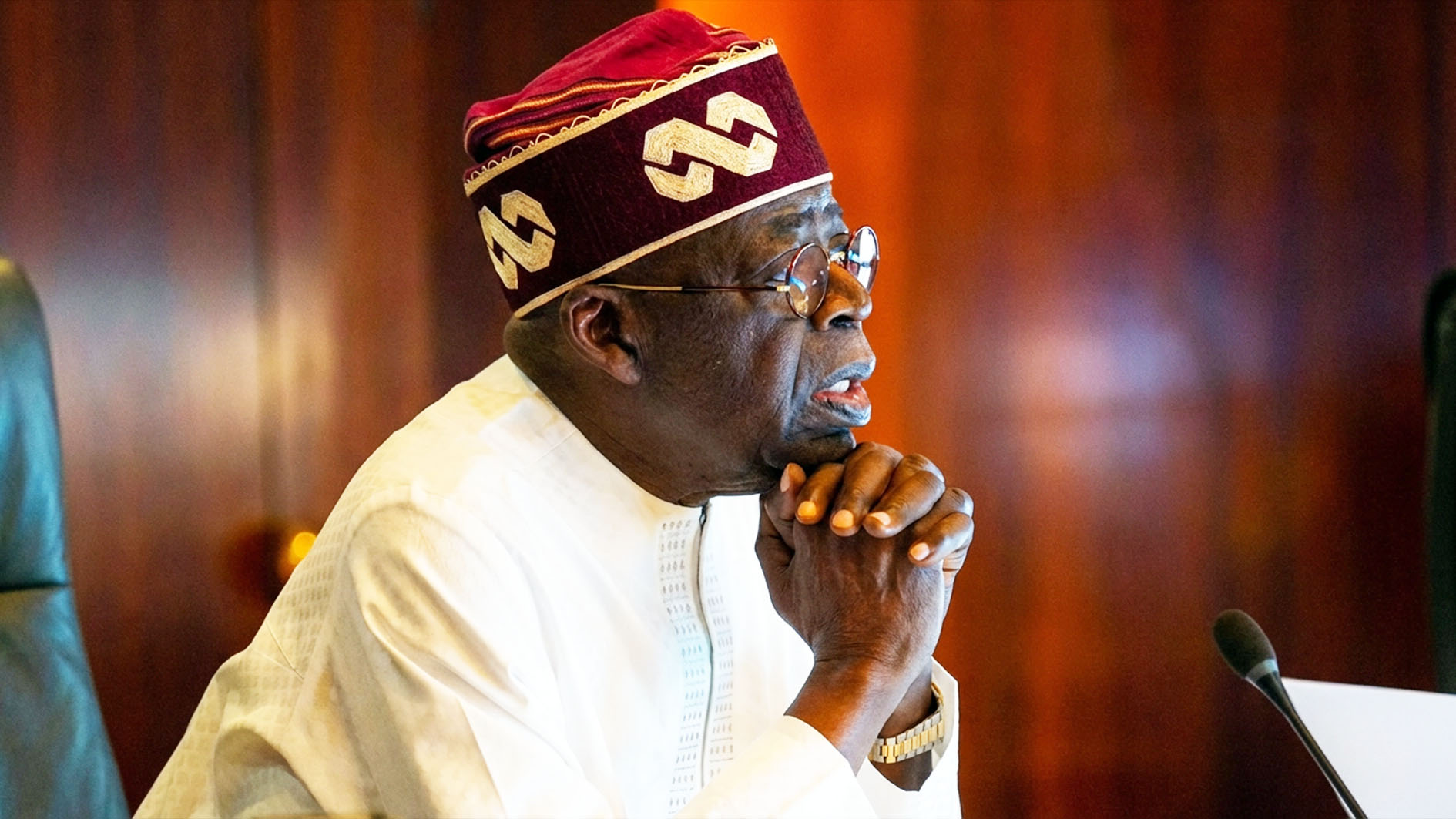
The African Democratic Congress Presidential Campaign Council (ADC-PCC) has accused President Bola Ahmed Tinubu of failing to fulfil his 2023 campaign promise to provide Nigerians with reliable electricity, challenging the All Progressives Congress (APC) to explain the administration’s performance in the power sector.
The opposition campaign council said the President should be held accountable for his declaration during the 2023 presidential campaign that Nigerians should not re-elect him if he failed to deliver adequate electricity.
The latest criticism followed comments by Dele Alake, spokesperson of the APC Presidential Campaign Council, who defended Tinubu’s electricity record and argued that the President’s original campaign promise had been taken out of context.
In a statement issued on Sunday, November 1, and signed by its Director of Media and Publicity, Kola Ologbondiyan, the ADC-PCC insisted that Tinubu’s commitment was clear and should not be reinterpreted to avoid accountability.
The council recalled the President’s statement: “Don’t vote for me for second term if I fail to deliver electricity.”
According to the ADC-PCC, Nigerians continue to experience persistent blackouts, repeated national grid collapses, inadequate power supply and rising electricity costs more than three years after the pledge.
The ADC-PCC argued that the administration had instead presided over higher electricity bills, continued estimated billing and unreliable power supply, leaving households and businesses struggling with the cost of running their daily activities.
It also criticised the Band A, B and C electricity tariff classifications, arguing that consumers were paying higher rates without receiving reliable electricity in return.
The council claimed that some businesses, particularly hotels and other hospitality establishments, had resorted to rationing electricity by switching off power for guests during daytime hours to reduce operating expenses.
It further questioned the effectiveness of the Presidential Metering Initiative, alleging that its implementation had fallen short of expectations while electricity distribution companies continued to issue estimated bills to customers.
READ ALSO:
- Nine Killed as Learjet Crashes Into Florida Residential Area, Erupts in Flames
- 2027 Election: Seun Okinbaloye Explains ‘Rigging’ Remark, Says Warning Was Not Against Any Party
- Christians Still Under Attack in Nigeria, US Lawmaker Tells Trump
Rejecting the APC’s reliance on legislative reforms and government financing arrangements to defend the administration, the opposition council said policies and financial interventions should be measured by their impact on electricity supply.
“An Act is not electricity. A bond prospectus does not power homes and factories. Nigerians cannot eat statutes. What Nigerians need is electricity that works, not another round of explanations and publicity,” the council stated.
The ADC-PCC maintained that Tinubu’s campaign commitment should be judged by whether Nigerians now enjoy stable and affordable electricity rather than announcements of government policies and projects.
It also challenged the APC to address the President’s original promise directly instead of attempting to explain away the commitment.
However, the APC Presidential Campaign Council rejected the suggestion that Tinubu had abandoned his electricity pledge, insisting that his 2023 statement must be considered in its full context.
In his response, Alake recalled that Tinubu had made the promise during an engagement with members of the Organised Private Sector in Lagos ahead of the 2023 general election.
According to him, the President had promised to provide electricity and end estimated billing, but also stated that Nigerians should not re-elect him if he failed to deliver unless he provided adequate reasons for the shortfall.
Alake argued that critics had deliberately omitted the concluding qualification when quoting the President’s remarks.
He maintained that Tinubu remained committed to improving electricity supply but acknowledged that resolving Nigeria’s longstanding power sector problems remained unfinished business.
The APC spokesman listed the Electricity Act 2023, the Presidential Metering Initiative, investments in transmission infrastructure and the settlement of outstanding debts in the electricity market among the administration’s interventions.
READ ALSO:
- Gunmen Abduct 100-Level Female Student, Shoot Another Person in Plateau
- Tinubu Approves SUVs for FCT Traditional Rulers, Four Buses for Youths, says Wike
- Two Europe-Bound Nigerians Excrete 200 Cocaine Wraps at Abuja Airport
He disclosed that more than 1.5 million electricity customers had been metered under the administration’s initiatives over the last three years.
Alake also cited the Federal Government’s N4 trillion bond programme designed to settle verified legacy debts owed to electricity generation and gas companies.
He said the administration had introduced reforms to improve the financial viability of electricity distribution companies while putting measures in place to protect low-income consumers.
The APC campaign council further maintained that the President would present his administration’s achievements and explain outstanding challenges to Nigerians as he seeks another term in office.
In a separate response to the APC’s defence, the ADC-PCC, through its Director of Strategic Communication, Phrank Shaibu, accused the ruling party of celebrating policy documents and financial interventions without addressing the everyday electricity challenges facing Nigerians.
Shaibu argued that paying legacy debts owed to power generation companies was not the same as investing in new infrastructure to increase electricity generation.
He also questioned the administration’s proposed plan to end electricity subsidies from 2027, asking what the policy would mean for household and business electricity bills.
The opposition campaign council cited Band A electricity tariffs of about ₦209.50 per kilowatt-hour, before VAT, as an example of the financial burden on consumers.
It called for a review of the existing electricity band system and proposed a framework that would make electricity more affordable while holding distribution companies accountable for the quality of service delivered.
The council also raised concerns about VAT on electricity and the proposed five per cent surcharge on certain fossil fuels, including petrol and diesel, under the Nigeria Tax Act.
The exchange has brought renewed attention to the performance of Nigeria’s electricity sector, which continues to face challenges involving inadequate generation capacity, transmission constraints, distribution inefficiencies, poor infrastructure and financial difficulties.
Although the Electricity Act 2023 introduced a framework allowing state governments to participate in electricity generation, transmission and distribution, consumers continue to demand improvements in the reliability and affordability of power supply.
The disagreement between the two campaign councils therefore centres on whether the reforms and financial interventions introduced by the Tinubu administration amount to sufficient progress towards fulfilling the President’s 202
Electricity: ADC-PCC Says Tinubu Has Failed His Own Test, Challenges APC Over 2023 Promise
-
 metro3 days ago
Lami Dawa: CAN Takes 14-Year Jail Sentence to Appeal Court, Borno Govt Reacts
-

 Sports1 day ago
Super Falcons Receive $100,000 Each as Tinubu Finally Fulfils WAFCON Pledge
-
 Politics1 day ago
APC Dumps Adeleke’s Campaign Structure, Unveils Separate 168-Member Council in Osun
-
 metro2 days ago
Three Dead, Five Rescued as Two-Storey Building Collapses in Osun
-

 metro3 days ago
Adeboye Fires Back at Journalists Over Viral Jonathan Protest Photo, Says It Was Prayer Walk
-

 metro1 day ago
Three Homeless Men Shot Dead in Midnight Attack at Lagos Bus Stop
-

 International2 days ago
Badenoch Rejects Slave Trade Apology, Says African Kingdoms Also Profited From Slavery
-

 metro3 days ago
Edo Youths Chase Policemen, Vigilantes From Checkpoint Over Alleged Extortion