

metro
Court remands man for allegedly raping a 13-year-old girl

A Chief Magistrates’ Court in Surulere, Lagos State, has remanded 32-year-old Uzoma Anyaocha in a correctional facility for allegedly defiling a 13-year-old girl in his apartment.
Magistrate M. I. Dan-Oni, who declined to admit Anyaocha to bail on Thursday, ordered that he should be remanded in Ikoyi Prisons.
Dan-Oni directed the prosecutor to duplicate the case file and forward a copy to the State Director of Public Prosecutions (DPP) for legal advice.
She adjourned the case until July 20 for mention.
READ ALSO:
- Five reasons why Boris Johnson resigned as UK Prime Minister
- Ekweremadu: Kidney donor says he’s now 21, not 15; case adjourned to Aug. 4
- LASTMA, police probe traffic extortion, withdraw errant officers
Anyaocha of no fixed residential address is charged with four counts of allegedly having carnal knowledge of a minor, fraudulent transactions, stealing and unlawfully detaining a minor.
Earlier, the Prosecution Counsel, Insp. Courage Ekhueorohan, told the court that the offences were committed between February and May at No 1 Aborishade Road, Lawanson Itire, Surulere Lagos.
Ekhueorohan alleged that Anyaocha tricked the victim with transferring a total of N93,000 through point of sales (POS) machine to different accounts at her guardian’s shop.
He said that Anyaocha also lured her to his apartment, where he allegedly held and had carnal knowledge of her.
The prosecutor said the offences contravened the provisions of Sections 137, 144, 287 and 314 of the Criminal Law of Lagos State, 2015.
EAGLE









metro
FRSC Mourns ex-Corps Marshal Dauda Biu, Says His Legacy Will Endure
FRSC Mourns ex-Corps Marshal Dauda Biu, Says His Legacy Will Endure
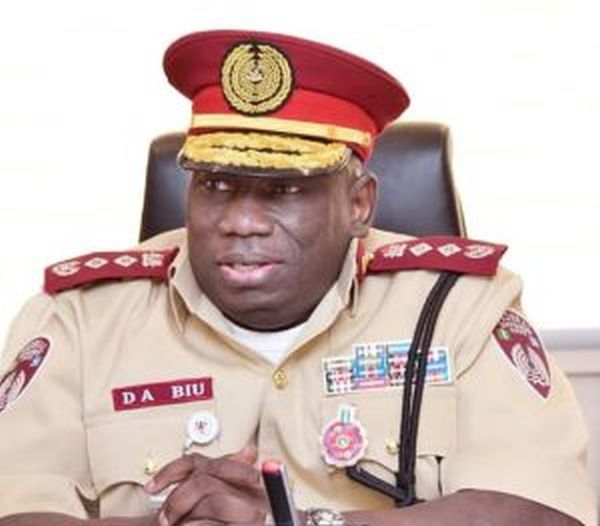
Nigeria’s road safety community has lost one of its seasoned leaders, a former Corps Marshal, Dauda Ali Biu, who died in Abuja on Sunday at 62.
Biu’s years of service helped shape the Federal Road Safety Corps, according to the agency’s incumbent head, Shehu Mohammed.
Mohammed, in a condolence message, said the deceased’s contributions to the organisation, particularly his commitment to institutional development, operational effectiveness and the protection of lives on Nigerian roads, would remain part of the corps’ enduring legacy.
Biu, born in 1964 in Sabon Gari, Zaria, Kaduna State, reportedly died Sunday evening at a hospital in Abuja.
NAN reported on Sunday that Adamu-Isa Gunda, a nephew of the deceased, confirmed the death, saying the remains would be transported from Abuja to Chikaji, Sabon Gari, Zaria, for burial according to Islamic rites.
Gunda added that the deceased, who held the traditional title of Jagaban Sabon Gari, is survived by a wife and five children.
Biu served as the seventh substantive Corps Marshal of the FRSC from July 2022 to May 2024, having joined the agency in its formative years and rose through the ranks, building a career defined by discipline, dedication and public service, the FRSC statement said.
It quoted Corps Marshal Mohammed as saying the late road safety administrator occupied a distinguished place in the history of the corps, having devoted a significant part of his life to serving the nation and promoting the safety of Nigerians.
“His passing is therefore not merely the loss of a former leader; it is the loss of a colleague, a seasoned professional and a compatriot who devoted a significant part of his life to the service of humanity and the safety of Nigerians,” he said.
The Corps Marshal added that Biu’s tenure as head of the agency reflected his understanding of its statutory responsibilities and his determination to strengthen its operations and institutional capacity.
He noted that the deceased’s contributions would continue to inspire members of the corps as they work to sustain and improve road safety management across the country.
Mohammed, who conveyed the condolences of the FRSC management and workforce in a statement on Monday, extended the agency’s sympathies to Biu’s immediate family, friends, associates and others who were touched by his life and service.
He said the corps shared in the grief of the bereaved family at what he described as a difficult moment, while praying for the strength to bear the loss.
“On behalf of the Management and the entire workforce of the Federal Road Safety Corps, I extend my deepest condolences to his immediate family, friends, associates and all those whose lives he touched,” Mohammed said.
He also offered prayers for the repose of the deceased’s soul, asking Almighty Allah to forgive his shortcomings and grant him Aljannah (Paradise).
“Rest in peace, Dauda Ali Biu. Your service to the nation will not be forgotten,” the Corps Marshal added.
The FRSC is Nigeria’s lead agency for road traffic administration and safety management, with responsibilities that include accident prevention, traffic regulation, public enlightenment and the enforcement of road safety standards.
Over the years, the corps has relied on successive leaderships to strengthen its operational capacity and pursue its mandate of reducing road crashes and fatalities on the nation’s highways.
Biu’s rise through the ranks to become the agency’s seventh substantive Corps Marshal placed him among the senior officers who have led the organisation in carrying out that responsibility.
His death, according to Mohammed, represents a loss to an institution whose development he helped shape and to the wider road safety community.
As the FRSC mourns the former chief, the agency has reaffirmed the enduring value of his contributions to public service, road safety administration and the protection of lives across Nigeria.
metro
Child Soldiers, Baby Factories: US Raises Alarm Over Official Complicity in Nigeria
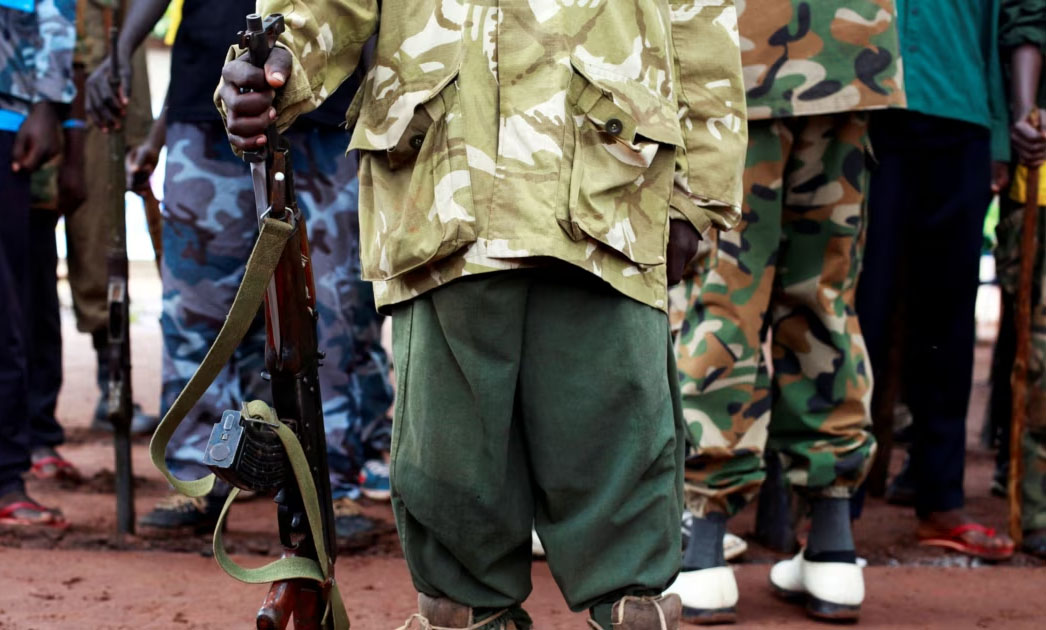
The United States has raised fresh concerns over human trafficking in Nigeria, accusing authorities of failing to adequately address alleged official complicity, protect vulnerable victims and hold government personnel accountable for trafficking-related offences.
The concerns are contained in the 2026 Trafficking in Persons (TIP) Report released by the US Department of State, which also identifies Nigeria among 14 countries listed over the recruitment or use of child soldiers.
The report, covering developments from April 1, 2025, to March 31, 2026, retained Nigeria on Tier 2 of the US trafficking assessment. The classification means the country does not fully meet the minimum standards for eliminating human trafficking but is making significant efforts to meet them.
Nigeria’s inclusion on the Child Soldiers Prevention Act list highlights continuing concerns about the recruitment and exploitation of children by armed groups, while the report also draws attention to the operation of so-called baby factories, forced labour and sexual exploitation.
The US government identified corruption and alleged official complicity as significant obstacles to tackling trafficking in Nigeria, arguing that the failure to hold implicated personnel accountable could allow offenders to escape justice.
According to the report, Nigerian authorities did not provide information on investigations, prosecutions or convictions of government employees allegedly involved in trafficking offences during the reporting period. The assessment also raised concerns about the absence of reported accountability for some officials previously implicated in such cases.
The findings have renewed scrutiny of Nigeria’s efforts to combat human trafficking, particularly the protection of women and children and the investigation of allegations involving public officials.
The report identified Boko Haram and the Islamic State West Africa Province (ISWAP) among the armed groups that continue to recruit, abduct and use children in conflict-related activities. It said children as young as 12 were reportedly exploited in various roles, including as cooks, domestic workers, spies, messengers, guards and combatants. Some children were also reportedly used as human shields and suicide bombers.
READ ALSO:
- 2027 Elections: Atiku Demands Names of INEC Ballot Printers, Questions Secret Contracts
- ₦8.7bn Erosion-Control Budget Gap Raises Questions as Anambra Gullies Expand
- Fuel Subsidy May Ease Hardship Today, But Could Cripple Nigeria’s Economy Tomorrow — FG
The assessment raised concerns about the protection of children associated with armed groups and the need to ensure that those rescued or removed from such groups are referred to appropriate care and rehabilitation services. The issue remains particularly sensitive in northeastern Nigeria, where years of insurgency have exposed children and other vulnerable people to abduction, forced recruitment, sexual exploitation and other abuses.
The US report also highlighted concerns about the treatment of women and girls who had been forcibly married to insurgents. It alleged that some survivors were returned to their Boko Haram husbands or traffickers at demobilisation centres in Borno State. Such practices, if established, could expose survivors to further abuse and undermine efforts to rehabilitate people affected by insurgency and trafficking.
Beyond the conflict in the northeast, the report identified the continued operation of baby factories in Nigeria as a major human-trafficking concern. These illegal operations are often disguised as orphanages, maternity homes or religious centres. Women and girls may be held against their will, sexually abused and forced to become pregnant or give birth, while their babies are sold to third parties. The children may subsequently face exploitation, including forced labour and sex trafficking.
The report described baby factories as a widespread criminal industry, particularly in southern Nigeria, where poverty, limited economic opportunities and demand within illegal adoption networks can increase vulnerability to exploitation. The findings underscore the importance of investigating suspicious maternity homes and unregulated facilities, protecting potential victims and prosecuting those responsible for coercion, sexual abuse and the sale of children.
The US assessment also identified several forms of forced labour and exploitation affecting children and adults in Nigeria. According to the report, traffickers exploit children in domestic work, street begging, street vending, agriculture, textile manufacturing, granite quarries and artisanal mines. Some children are reportedly forced to work to support traffickers or intermediaries, while others face physical, emotional or sexual abuse.
The report highlighted the risks facing children from impoverished households who enter domestic service through labour brokers. It warned that some are subjected to exploitation rather than receiving the education and economic opportunities their families may have expected.
READ ALSO:
- Petrol Price Hike Hits Abuja as MRS, AA Rano, Others Raise Rates Despite FG’s Discount Plan
- Kano Police Explain Blockade of ‘Tinubu Must Go’ Meeting
- Xenophobia: Nigeria Evacuates 111 More Citizens From South Africa as Returnees Hit 2,037
Women and girls also remain vulnerable to sexual exploitation and forced marriage. The report identified cases in which women and girls were reportedly given to older men to settle family debts, a practice sometimes described as money marriage. It further raised concerns about Nigerians recruited for work abroad under false promises and subsequently subjected to domestic servitude or sexual exploitation.
The assessment said some foreign nationals were also vulnerable to trafficking within Nigeria, including people recruited into organised online scam operations and workers exposed to coercive labour conditions.
The report criticised gaps in the provision of services to trafficking survivors, including inadequate shelter capacity for adult male victims. It said 675 trafficking survivors received assistance in 2025, compared with 2,058 in 2024.
The assessment also raised concerns about restrictions on freedom of movement in some shelters operated by the National Agency for the Prohibition of Trafficking in Persons (NAPTIP), as well as requirements that some victims cooperate with law-enforcement authorities to access certain protection services. According to the report, some victims who declined shelter accommodation did not receive services, potentially increasing their vulnerability to further exploitation.
The findings point to the need for a victim-centred approach that makes medical care, counselling, safe accommodation and rehabilitation accessible without exposing survivors to further harm. The report also called for stronger procedures to identify trafficking victims among internally displaced people, returning migrants, children associated with armed groups and people working in vulnerable sectors.
Despite the criticism, the report acknowledged improvements in Nigeria’s anti-trafficking enforcement efforts. Nigerian authorities investigated 1,341 trafficking cases involving 1,367 suspects in 2025, compared with 744 investigations in 2024. The country also recorded 94 prosecutions and 97 convictions in 2025, up from 71 prosecutions and 49 convictions in the previous year.
The report further recorded increased government funding for victim services and prevention programmes. It said the government allocated ₦233 million for victim services in 2025, compared with ₦128 million previously, while funding for prevention rose to ₦245 million from ₦58.8 million in 2024.
Other efforts acknowledged in the assessment included the identification of trafficking victims, cooperation with foreign authorities and INTERPOL on investigations, and the implementation of Nigeria’s 2022–2026 National Action Plan against human trafficking. The report also noted the operation of an anti-trafficking hotline and the presence of anti-trafficking task forces in 23 states.
However, the US government maintained that stronger action was needed to address official complicity, improve protection services and ensure that perpetrators were held accountable.
Nigeria’s inclusion on the Child Soldiers Prevention Act list could affect certain categories of US military assistance and defence-related transactions under applicable US law. The listing does not automatically suspend every form of American assistance to Nigeria. Any restrictions depend on the relevant legal provisions, the type of assistance involved and whether an applicable exception or presidential waiver applies.
The designation nevertheless places additional attention on the need to prevent and address the recruitment and use of children in armed conflict.
The findings present a significant challenge for Nigerian authorities: sustaining improvements in trafficking investigations and convictions while addressing alleged official involvement, strengthening protection for survivors and preventing the exploitation of children.
The report calls for credible allegations against public officials to be investigated, trafficking survivors to receive appropriate support and perpetrators to face accountability. For Nigeria, the effectiveness of its anti-trafficking response will depend not only on arrests and convictions but also on preventing abuse, protecting vulnerable people and ensuring that those entrusted with enforcing the law are themselves held accountable when credible evidence of wrongdoing emerges.
Child Soldiers, Baby Factories: US Raises Alarm Over Official Complicity in Nigeria
metro
2027 Elections: Atiku Demands Names of INEC Ballot Printers, Questions Secret Contracts
2027 Elections: Atiku Demands Names of INEC Ballot Printers, Questions Secret Contracts
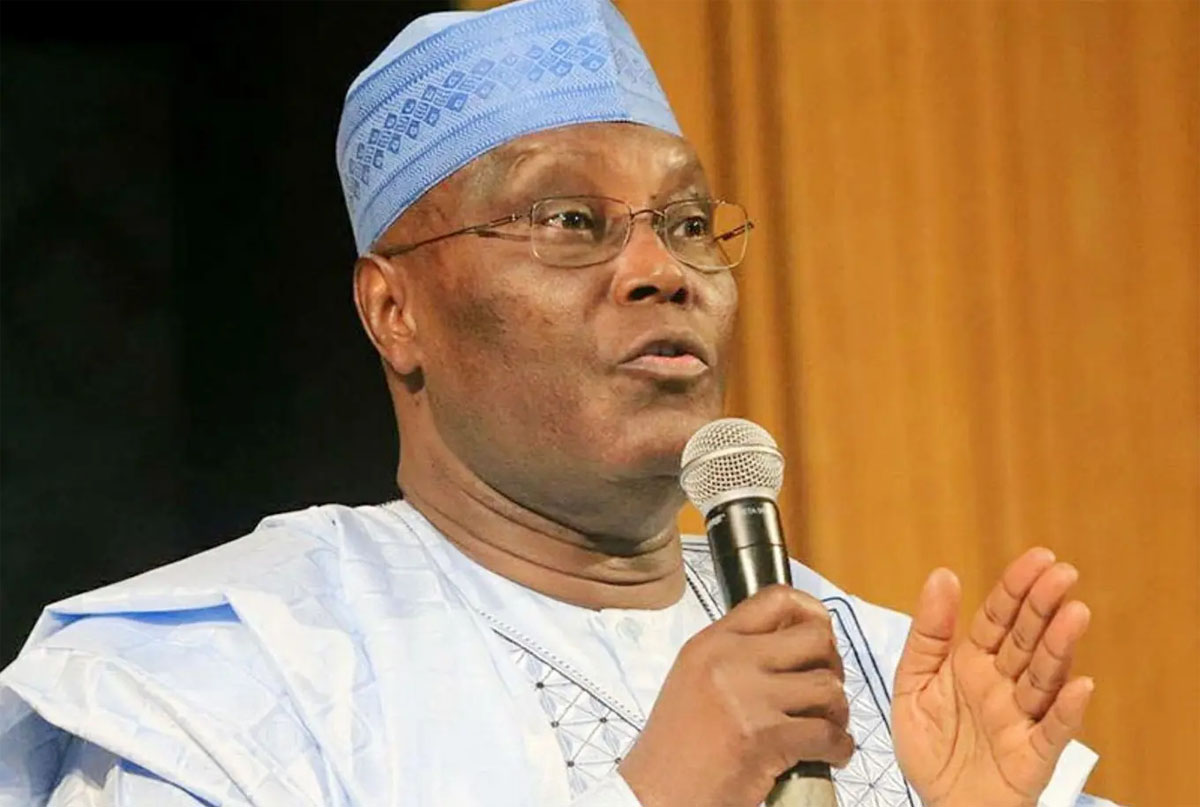
Former Vice-President Atiku Abubakar has challenged the Independent National Electoral Commission (INEC) to disclose the identities of companies contracted to print ballot papers and other sensitive materials for the 2027 general elections, warning that secrecy surrounding the procurement process could undermine public confidence in the polls.
Atiku, the African Democratic Congress (ADC) presidential candidate, also called on the electoral commission to explain reported changes in key departments responsible for election operations, voter registration and information technology.
The demands were contained in a statement issued on Sunday, October 11, by Phrank Shaibu, Director of Strategic Communication for the ADC Presidential Campaign Council.
Atiku urged INEC to publish the names of all companies engaged to produce sensitive election materials, the contracts awarded to them, the procurement procedures adopted and the security arrangements governing the production, storage and delivery of the materials.
He argued that Nigerians deserved verifiable information about the production of their ballots ahead of the 2027 elections, rather than having to rely on reports from unnamed sources.
The former vice-president specifically asked INEC to confirm or deny reports that Hitech, or a company associated with it, had secured a contract to print sensitive election materials.
He also raised concerns over claims that more than half of the materials, including those associated with the presidential ballot, might have been allocated to an undisclosed company reportedly based in France.
The claims have not been independently established in the reports reviewed, and the identity of the alleged foreign contractor remains unclear.
Atiku further questioned reports that the Nigerian Security Printing and Minting Plc (NSPMC) was responsible for printing election materials for only between 15 and 17 states, with private companies allegedly handling materials for the remaining states.
READ ALSO:
- ₦8.7bn Erosion-Control Budget Gap Raises Questions as Anambra Gullies Expand
- Fuel Subsidy May Ease Hardship Today, But Could Cripple Nigeria’s Economy Tomorrow — FG
- Petrol Price Hike Hits Abuja as MRS, AA Rano, Others Raise Rates Despite FG’s Discount Plan
He called on INEC to clarify the distribution of printing contracts and explain the criteria used to select contractors.
According to him, the commission should disclose the volume and type of materials assigned to each company, the procurement method used, the security clearances obtained and the safeguards designed to prevent unauthorised access, diversion or manipulation.
Atiku maintained that transparency over the production and handling of ballot papers and result sheets was essential to building public confidence in the electoral process.
He also argued that any contract involving Hitech or a company associated with it would require clear explanations from the electoral commission.
The former vice-president cited publicly reported business connections between the Chagoury family, which owns Hitech, and the family of President Bola Ahmed Tinubu. He also referred to controversies surrounding major infrastructure contracts awarded to Hitech under Tinubu’s administration, including the Lagos-Calabar Coastal Highway project.
However, the reported business connections do not establish that Hitech has received an INEC ballot-printing contract or that any electoral contract would be improperly awarded.
Atiku urged INEC to address the allegations directly, saying the commission should clearly state whether Hitech or any associated company had been selected to produce sensitive election materials.
He also called on the Central Bank of Nigeria (CBN) to disclose its banknote-printing arrangements and clarify the respective roles of domestic and foreign contractors involved in producing higher-denomination banknotes.
Beyond the printing contracts, Atiku questioned reported personnel changes in INEC’s departments responsible for electoral operations, voter registration and information technology.
According to the statement, Isa Magaji Gum was moved from the Electoral Operations Department to the Voter Registry Department, while Oluyemi Titilayo Adeyemi-Showunmi was appointed to head Electoral Operations. Lawrence Bayode was also identified as head of the commission’s Information and Communication Technology Department.
Atiku called on INEC to explain the reasons for the changes and publish the criteria used in making the appointments and redeployments.
He argued that the departments play central roles in election planning, voter administration and the deployment of technology, making transparency in their leadership important ahead of the polls.
The concerns come as political parties and other stakeholders intensify scrutiny of preparations for the 2027 general elections, with electoral logistics, the handling of sensitive materials and the independence of election officials likely to remain key issues in the run-up to voting.
INEC’s procurement and security procedures are particularly important because ballot papers, result sheets and other sensitive documents must be accounted for throughout production, storage, transportation and distribution.
Atiku urged the commission to maximise the capacity of qualified Nigerian security-printing companies while ensuring that all contractors, whether domestic or foreign, meet the necessary standards for security, quality and accountability.
He also said the ADC would monitor the commission’s preparations and bring concerns about transparency to the attention of domestic and international election observers.
The former vice-president warned against attempts to manipulate the elections, saying his party would pursue lawful democratic and civic channels to defend the integrity of the process.
The central demand from Atiku is for INEC to provide verifiable details about who is producing sensitive election materials, how the contracts were awarded and what safeguards are in place to protect the materials from unauthorised access or interference.
Whether the commission will publicly disclose the requested details, and how it will address the concerns over staff redeployments, remain important questions as preparations for the 2027 elections continue.
2027 Elections: Atiku Demands Names of INEC Ballot Printers, Questions Secret Contracts
-
 Health2 days ago
NAFDAC Raises Alarm Over Toxic Pesticides in Beans, Seizes ₦800m Banned Chemicals
-
 metro1 day ago
Tension in Kano as Phone Traders Confront Chinese Sellers Over Cheaper Phones
-
 metro3 days ago
2027: Ekiti Driver Takes ₦3.5m Loan to Back Tinubu’s Re-election Bid
-

 Business3 days ago
NNPCL: We Introduced ₦66 Fuel Discount Before FG’s Announcement
-
 metro2 days ago
Police Launch Manhunt After Fresh Attacks, Kidnappings Rock Four Nigerian States
-

 metro2 days ago
EFCC Wins ₦132m Money Laundering Case as Court Orders Forfeiture of Lagos Properties
-
 Auto3 days ago
Electric Mobility: Spiro Unveils Expansion Plan, Names Nigeria New MD
-

 Business2 days ago
NNPC Petrol Discount: Motorists Must Download App to Save ₦66 Per Litre