
News
COVID-19: FG orders five-week closure of schools, considers int’l flight ban
- Directs civil servants to work from home
- Restricts gatherings to 50 people
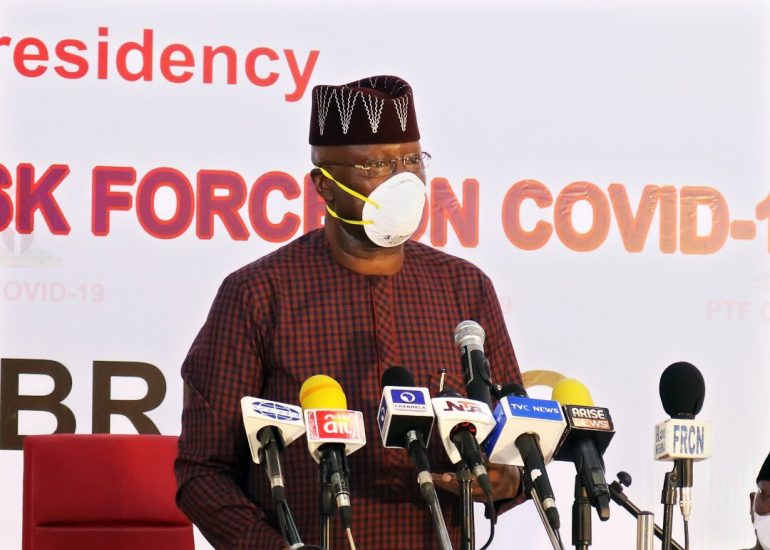
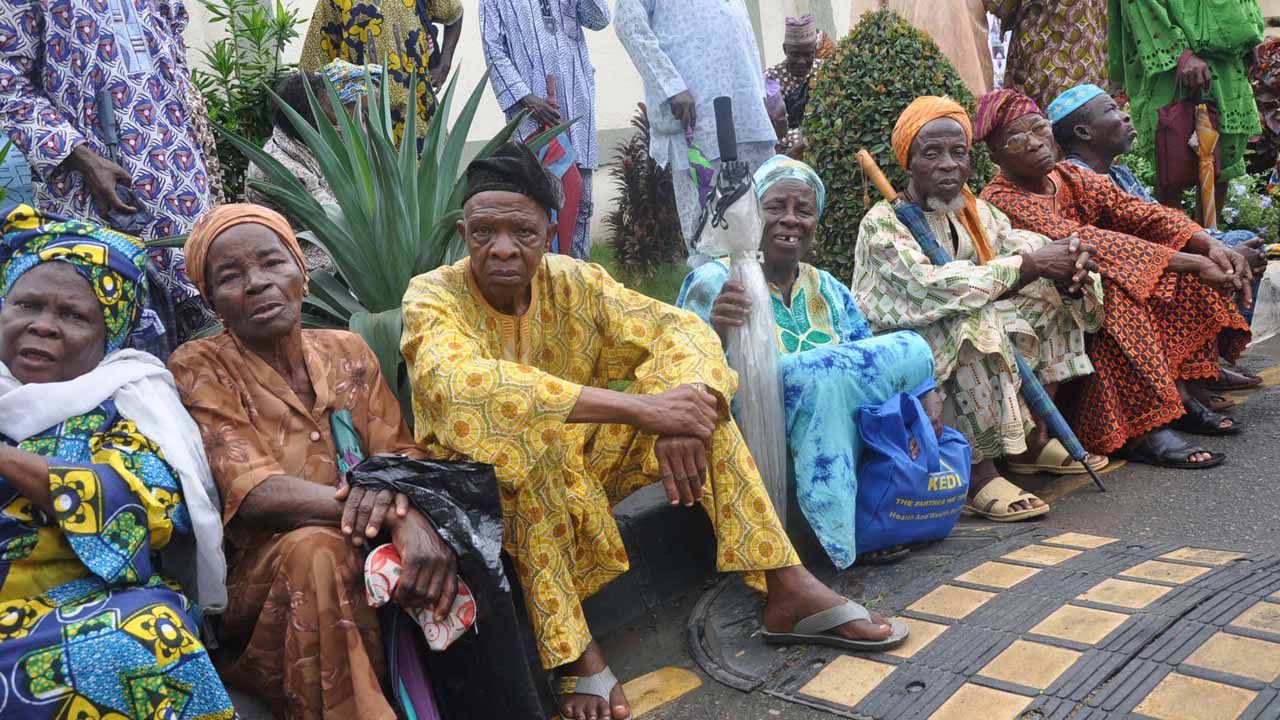
Nigeria has entered a panicky mode over the second wave of coronavirus now ravaging the United Kingdom among others as the Federal Government on Monday ordered all federal civil servants on Grade Level 12 and below to stay at home for the next five weeks.
It also restricted guests at weddings, conferences, and sporting activities among others to 50 and hinted about plans to ban some international flights as part of measures aimed at curtailing the spread of the new wave COVID-19 to Nigeria.
Chairman of the Presidential Task Force on COVID-19, Boss Mustapha, gave the directives, adding that the new measures had been approved by President Muhammadu Buhari.
The measures came as the Nigeria Centre for Disease Control said the nation recorded 356 new cases of COVID-19 on Monday and six deaths.
Mustapha, who is also Secretary to the Government of the Federation, said, “The PTF has surveyed developments and actions taken by governments around the world, assessed our domestic environment and has accordingly submitted its recommendations to Mr President on immediate measures to be taken.
“Accordingly, His Excellency, Muhammadu Buhari, President of the Federal Republic of Nigeria, has authorised the PTF to engage with the states and the FCT to assume full ownership of this stage of the response by deploying legal structures and resources, including enforcement to manage the pandemic within their jurisdictions.”
He specifically said all schools would remain closed till January 18 and that restrictions had been placed on social and religious gatherings for five weeks.
“The PTF on the advice of the Federal Ministry of Education expects that schools would have vacated from the 18th December 2020 and remain closed till at least the 18th of January, 2021 to enable the measures introduced to take effect,” he stated.
Mustapha also said those heading government agencies and ministries should “encourage virtual meetings in government offices. The leadership of such offices is to ensure that all offices are well-ventilated, and encourage staff to work from home where possible;
“All government staff on GL.12 and below are to stay at home for the next five weeks; permanent secretaries and chief executives are to be held accountable for enforcing NPI rules in their domains with frequent spot checks.
“All persons above the age of 60yrs and/or with morbidities are to be encouraged to stay at home and avoid crowds.
“All non-essential travels – both domestic and international during the holiday season are seriously discouraged.”
The government also ordered the closure of all bars, nightclubs and restaurants.
Mustapha said, “In line with the authorisation, the PTF wishes to issue the following advisories to sub-national entities for implementation over the next five weeks because these activities are considered super spreader events:
- Close all bars, night clubs, pubs and event centres, and recreational venues;
- Close all restaurants except those providing services to hotel residents; takeaways, home deliveries and drive-ins;
- Restrict all informal and formal festivity events including weddings, conferences, congresses, office parties, concerts, seminars, sporting activities, end of year events shall be restricted to 50 persons;
- Limit all gatherings linked to religious events to less than 50% capacity of the facility of use during which physical distancing, mandatory use of face masks shall be strictly enforced;
- Where more than 50 persons are attending, any such events, the gathering should be held outdoors only;
- Public transportation systems are to carry passengers not more than 50% of their capacity in compliance with social distancing rules.
- Enforce compliance with NPI protocols especially the advisory on wearing of face masks in public spaces.”
Mustapha added that to reduce overcrowding in public spaces, markets, shopping centres, offices and schools, states were advised to implement the following:
- Encourage virtual meetings in government offices. The leadership of such offices to ensure that all offices are well-ventilated, and encourage staff to work from home where possible;
- All government staff on GL.12 and below are to stay at home for the next five weeks permanent; secretaries and chief executives are to be held accountable for enforcing NPI rules in their domains with frequent spot checks;
- The PTF on the advice of the Federal Ministry of Education expects that schools would have vacated from the 18th December 2020 and remain closed till at least the 18th of January, 2021 to enable the measures introduced to take effect;
- All persons above the age of 60yrs and/or with morbidities are to be encouraged to stay at home and avoid crowds;
- All non-essential travels – both domestic and international during the holiday season are seriously discouraged.”
International flights ban likely
Meanwhile, Minister of Information and Culture, Alhaji Lai Mohammed, has said the FG may impose a travel ban on certain parts of the world.
He disclosed on Monday at a special forum of the News Agency of Nigeria in Abuja that government would not hesitate to impose the travel ban if it was the only way to protect the people from the new strain of the disease.
The minister said, “We are more concerned about the new strain of COVID-19, which is manifesting itself in the UK; that is the mutated strain. It is difficult to detect, it spreads faster and people have been known to die of it within a very short period of its detection.”
The minister, who noted that many European countries had banned flights to and from the UK, said, “This season, many students are coming from the UK in particular, to come and join their families in Nigeria.
“Besides many of our people, because of the traditional link we have with the UK, may want to go there for business or family reunion.
“It is a very testy time and it might be another dangerous period to transmit this new variant of COVID-19.”







News
FG Approves Medical Fellowships as PhD Equivalent in Nigerian Universities
FG Approves Medical Fellowships as PhD Equivalent in Nigerian Universities
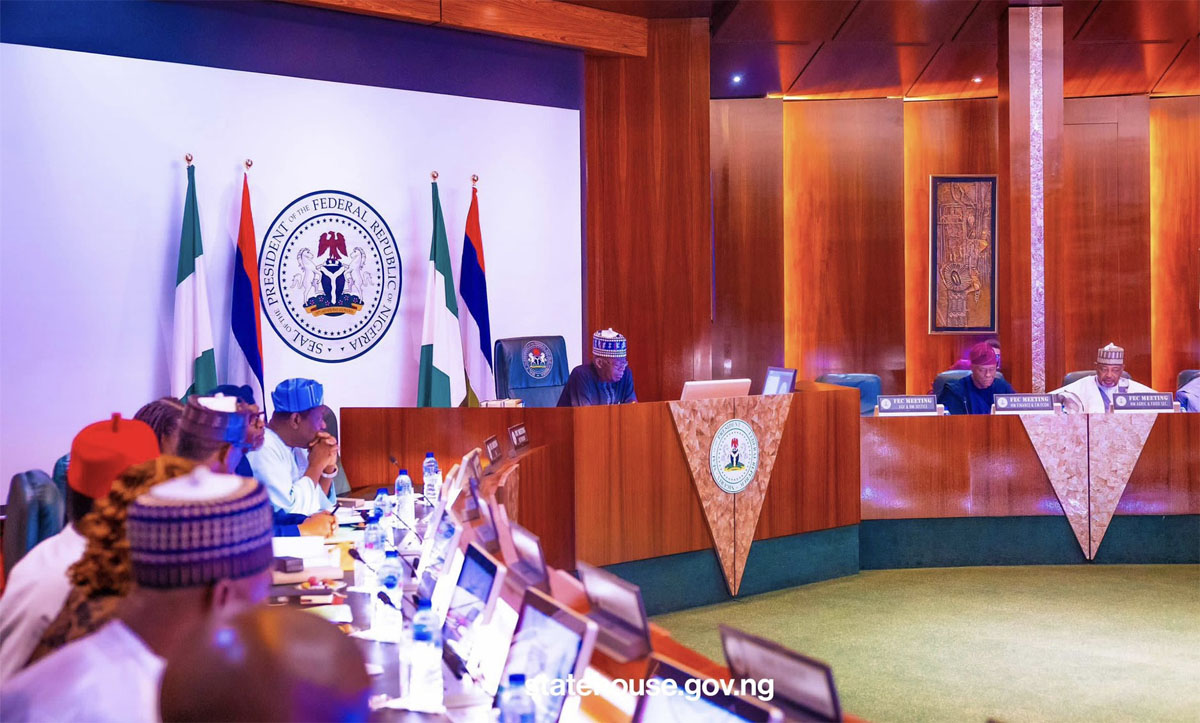
The Federal Government of Nigeria has approved a landmark policy recognising medical fellowship qualifications as equivalent to a Doctor of Philosophy (PhD) degree for medical professionals pursuing academic careers in universities. The decision, taken by the Federal Executive Council (FEC) under President Bola Ahmed Tinubu, was announced by the Minister of Education, Dr Tunji Alausa, following a Council meeting at the Presidential Villa, Abuja.
This policy means that medical doctors with recognised fellowships from accredited institutions such as the National Postgraduate Medical College of Nigeria (NPMCN) and the West African College of Physicians (WACP) can now advance in academia without needing a separate PhD. The move aims to align Nigeria’s academic system with global standards, recognising the rigorous clinical practice, research, and academic work involved in fellowship training.
For years, Nigerian universities and professional bodies debated whether fellowship qualifications should substitute for a PhD in attaining senior academic ranks such as senior lecturer, associate professor, or professor. Many institutions, guided by National Universities Commission (NUC) regulations, required a PhD for promotion, even for experienced clinicians. The new policy resolves this long-standing issue, allowing medical specialists to focus on teaching, research, and clinical service without additional academic barriers.
READ ALSO:
- Prof. Abdur‑Razaq Alaro Warns Misusing Orphans’ Wealth Could Lead to Hellfire
- Stella Oduah Enters Plea Bargain Deal in N2.5bn Fraud Case
- Police Announce Dates, Requirements for 2026 Constable Recruitment Screening
Benefits for Medical Education and Career Progression
Experts believe the policy will significantly improve the career prospects of clinician-lecturers, many of whom previously struggled to pursue PhD programmes due to the demanding nature of residency and fellowship training. Recognising fellowships as equivalent to a PhD will encourage more specialists to engage in academic research, enhance medical education quality, and ensure experienced clinicians can occupy senior academic positions while contributing to healthcare delivery.
The policy also forms part of broader federal education reforms, including a six-year moratorium on new tertiary institutions and revitalisation of the National Commission for Mass Literacy, Adult and Non-Formal Education (NMEC). These measures aim to improve academic standards, address workforce gaps in universities, and ensure professional training systems in Nigeria meet international best practices.
Education stakeholders have welcomed the development, describing it as a major step toward resolving structural challenges in medical education and supporting the growth of a performance-driven, quality-focused university system.
FG Approves Medical Fellowships as PhD Equivalent in Nigerian Universities
News
FEC Approves 100% Gratuity for Retiring Federal Civil Servants
FEC Approves 100% Gratuity for Retiring Federal Civil Servants
The Federal Executive Council (FEC) has approved a groundbreaking Exit Benefit Scheme that will grant retiring federal civil servants a gratuity equivalent to 100% of their total annual salary and allowances. The initiative aims to strengthen welfare and retirement security within the Nigerian civil service.
The policy, which takes effect from January 1, 2026, will benefit federal employees who have served the government for at least ten years before retirement. The scheme was announced in a statement released on Thursday by the Office of the Head of the Civil Service of the Federation in Abuja.
The new scheme marks a significant policy shift designed to enhance retirement benefits for civil servants operating under the Contributory Pension Scheme, which was introduced in 2004.
Eligible federal civil servants will receive a one-time gratuity payment equivalent to their full annual salary and allowances upon retirement, in addition to their pension benefits. Officials say the measure is intended to provide a stronger financial safety net for retirees, ensuring that civil servants who dedicate their careers to public service can retire with dignity and financial stability.
READ ALSO:
- Prof. Abdur‑Razaq Alaro Warns Misusing Orphans’ Wealth Could Lead to Hellfire
- Stella Oduah Enters Plea Bargain Deal in N2.5bn Fraud Case
- Police Announce Dates, Requirements for 2026 Constable Recruitment Screening
The scheme will apply to workers in Treasury-funded Ministries, Departments, and Agencies (MDAs) across the federal government. The policy was developed after extensive deliberations and technical work by an inter-ministerial committee established by the Office of the Head of the Civil Service of the Federation. The committee collaborated with key institutions, including the National Pension Commission, the Budget Office of the Federation, and the Office of the Accountant-General of the Federation, to create a sustainable framework for implementation.
Historic Milestone for Civil Service Reform
Reacting to the approval, the Head of the Civil Service of the Federation, Didi Esther Walson-Jack, described the decision as a historic milestone in the ongoing reform of the federal civil service. She noted that the new scheme demonstrates the commitment of the administration of President Bola Ahmed Tinubu to recognizing the dedication and sacrifices of public servants.
“This approval is a profound acknowledgment of the invaluable contributions of our civil servants who have devoted their productive years to public service and national development,” Walson-Jack said. She added that the initiative will significantly enhance the retirement package available to federal civil servants and strengthen confidence in government policies designed to improve workers’ welfare. Detailed guidelines for the scheme’s implementation will soon be issued to guide ministries, departments, and agencies.
Reform After More Than Two Decades
The introduction of the Exit Benefit Scheme represents the first major gratuity provision for federal civil servants since the launch of the contributory pension system over twenty years ago. Analysts believe the new policy will address long-standing concerns about retirement security among government workers and boost morale within the federal civil service.
Officials highlight that the scheme aligns with broader civil service reforms aimed at creating a more motivated, performance-driven, and people-centered public service, capable of supporting Nigeria’s national development goals. The initiative underscores the government’s commitment to ensuring that civil servants who dedicate their careers to public service are adequately rewarded upon retirement.
FEC Approves 100% Gratuity for Retiring Federal Civil Servants
News
FG Allocates ₦5.6bn for New Carter Bridge as Old Structure Fails Safety Test

FG Allocates ₦5.6bn for New Carter Bridge as Old Structure Fails Safety Test
The Federal Executive Council (FEC) has approved the demolition and complete reconstruction of Carter Bridge in Lagos, declaring the ageing structure beyond rehabilitation. The decision aims to ensure road safety, reduce congestion, and modernize one of Nigeria’s most critical transport arteries.
Minister of Works, David Umahi, disclosed after the council meeting chaired by President Bola Tinubu that ₦5.6 billion has been allocated to hire advanced engineering consultants for the design and cost assessment of the new bridge. Umahi explained that extensive technical assessments and consultations revealed that the current bridge could no longer safely serve traffic.
“The total recommendation was that Carter Bridge can no longer be rehabilitated; it should be demolished and a new bridge constructed,” Umahi said.
Carter Bridge connects Lagos Island to the mainland and is a vital corridor for commuters, cargo vehicles, and commercial traffic. Its reconstruction is expected to ease traffic congestion, improve transportation safety, and support economic activity in Nigeria’s largest commercial hub.
READ ALSO:
- Iran Launches Missiles at Israel as Middle East War Enters Sixth Day
- US Submarine Sinks Iranian Warship in Indian Ocean as Conflict Escalates
- Court Orders INEC Chairman to Appear Over Alleged Contempt of Court
Part of a Nationwide Infrastructure Upgrade
The Carter Bridge project forms part of a broader federal infrastructure program. FEC also approved several major road projects across the country, including:
- Reconstruction of the Ibadan–Ife–Ilesa Road in the Southwest
- Redesign of the Kano–Kongolam Road in Northern Nigeria
- Rehabilitation of the Keffi–Nasarawa–Abaji Road in the North-Central region
- Completion of the Suleja–Minna Road
- Reconstruction of the Abuja–Lokoja Road
Umahi emphasized that these are strategic, long-term infrastructure projects, not temporary fixes, and the government aims to deliver at least four completed projects per region for presidential commissioning by May 15.
“These are not palliative works; they are major infrastructure projects for national development,” the minister added.
Modernization and Economic Impact
The new Carter Bridge will incorporate contemporary engineering standards, enhanced durability, and increased capacity for vehicles and pedestrians. Officials say the project will also attract private sector participation, create skilled jobs, and strengthen Lagos’ transport network.
By replacing the ageing structure, the federal government intends to ensure that major transport routes across Nigeria meet modern safety and operational standards, while supporting economic growth and improving daily mobility for millions of Lagos residents.
FG Allocates ₦5.6bn for New Carter Bridge as Old Structure Fails Safety Test

-

 metro9 hours ago
Islamic Scholar Barred From Ramadan Tafseer After Criticising Tinubu, Governors
-
 metro1 day ago
How Ikwechegh’s ₦1.15tr Interrogation Led to Tinubu’s Cabinet Shake-Up
-

 metro4 hours ago
Leadership Reshuffle: IGP Tunji Disu Removes Hundeyin as Nigeria Police Force PRO
-

 metro2 days ago
DSS Busts Alleged Arms Trafficking Network in Gombe, Seizes RPGs
-

 Politics2 days ago
Atiku’s Son Resigns as Adamawa Commissioner Following Fintiri’s APC Defection
-

 News2 days ago
Relief Radiant Hearts Foundation Launched in Iwo, Promises Hope for the Vulnerable
-

 International1 day ago
Mystery as Iranian Warship Sinks off Sri Lanka, Over 100 Feared Missing
-

 Opinion2 days ago
The world dislikes the weak, by Hakeem Baba-Ahmed
You must be logged in to post a comment Login